

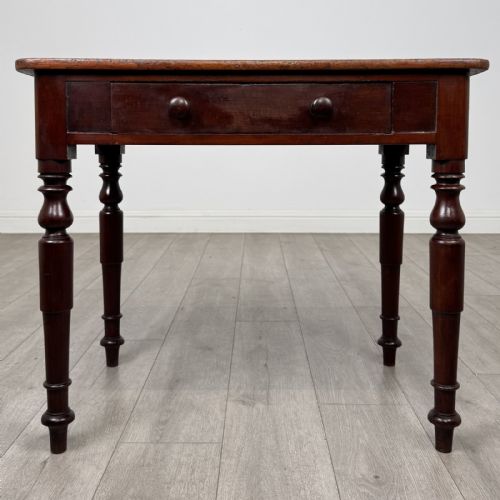
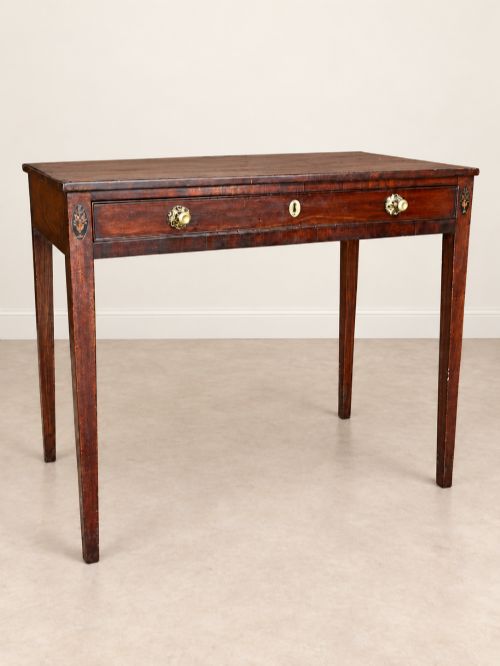
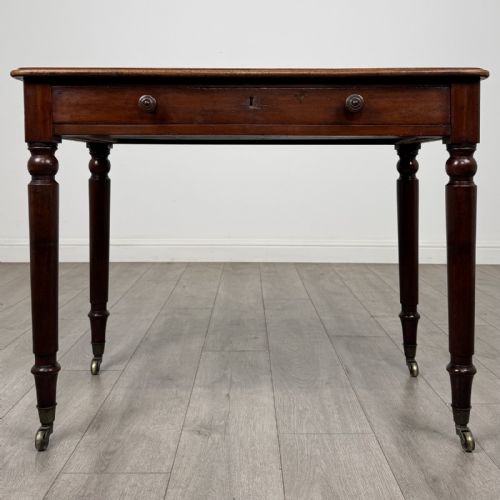
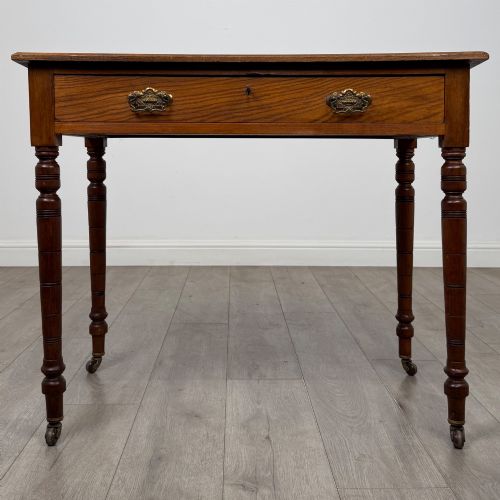

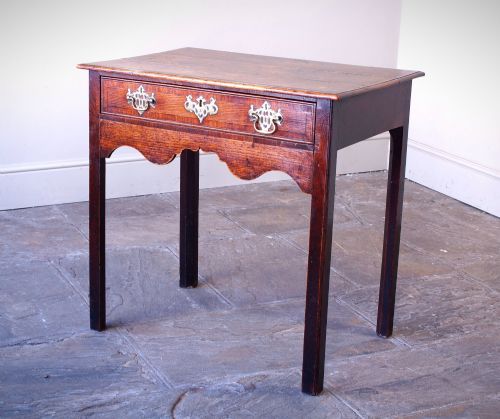
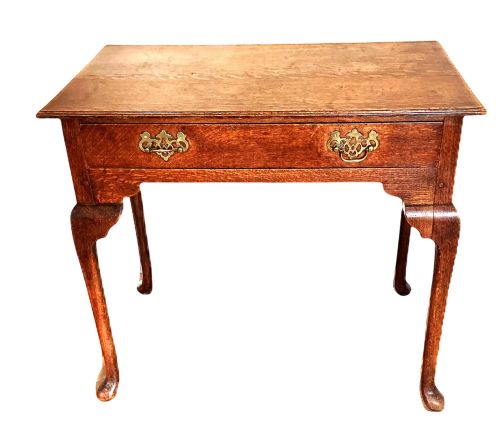
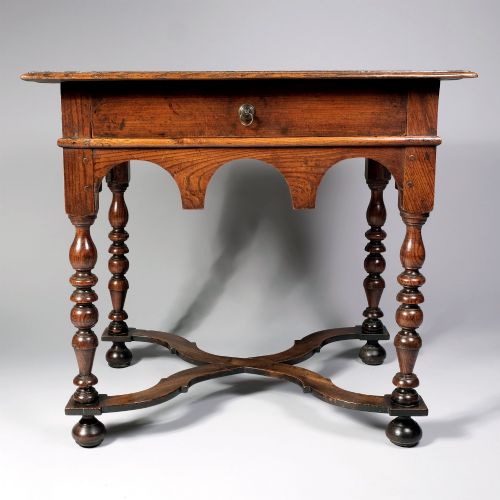
Single Drawer Dressing Table
When you search for a single drawer dressing table, you are looking at practical side furniture spanning several centuries of British craftsmanship.
Single Drawer Dressing Table
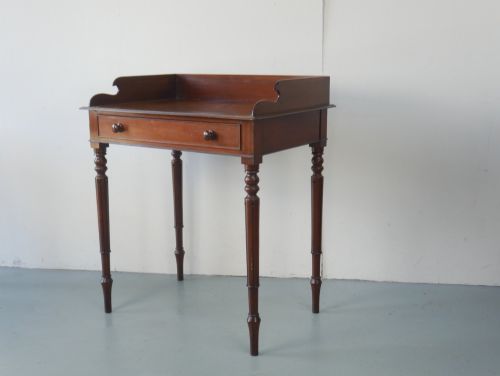
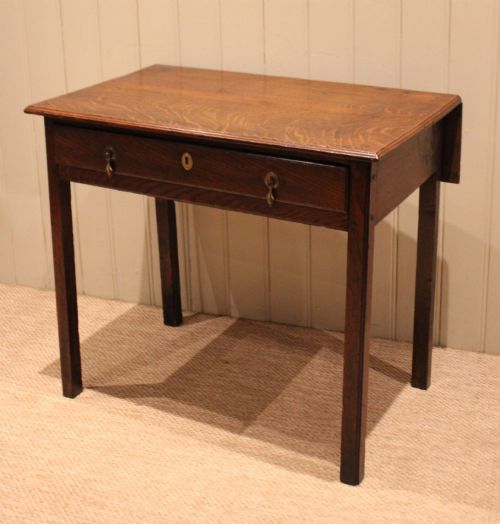
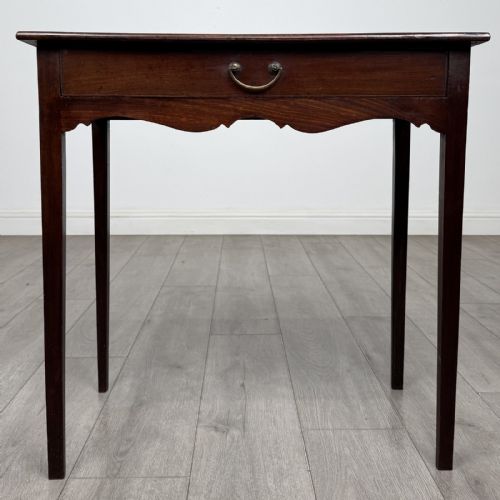
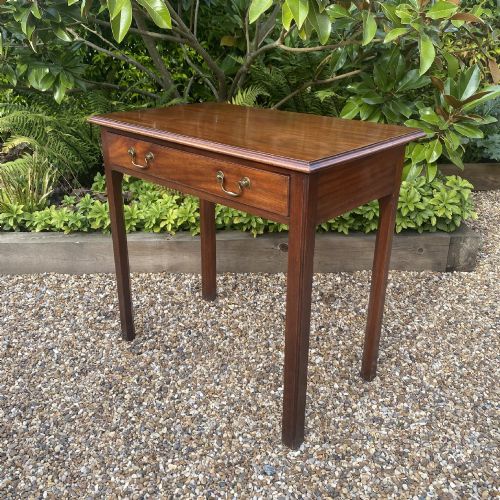
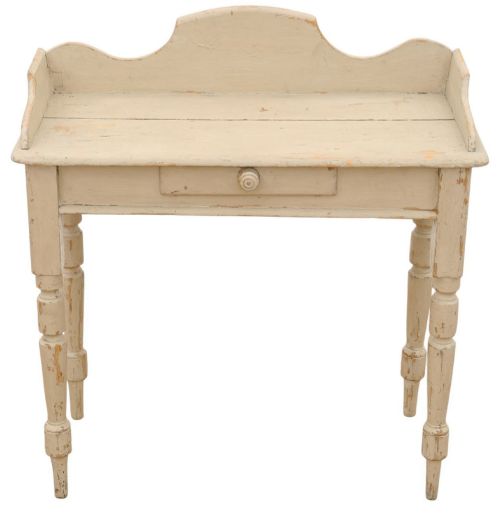
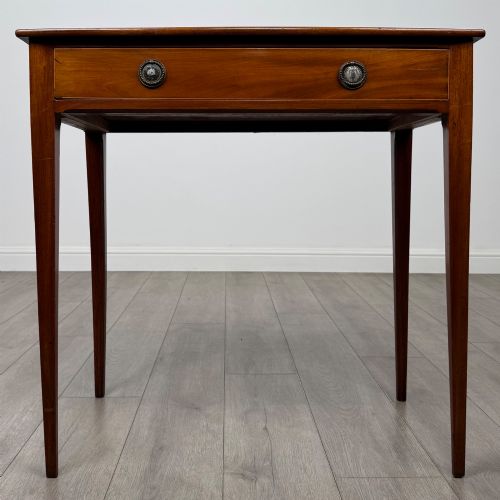
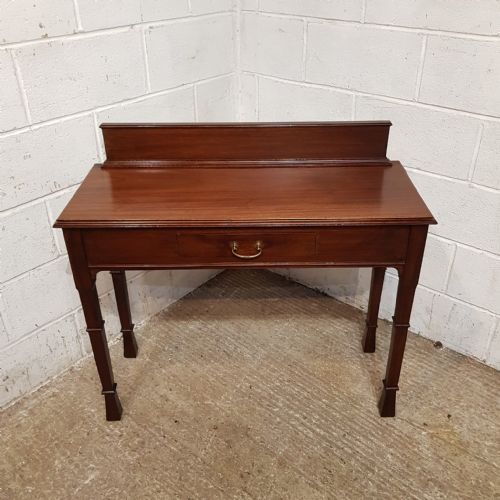
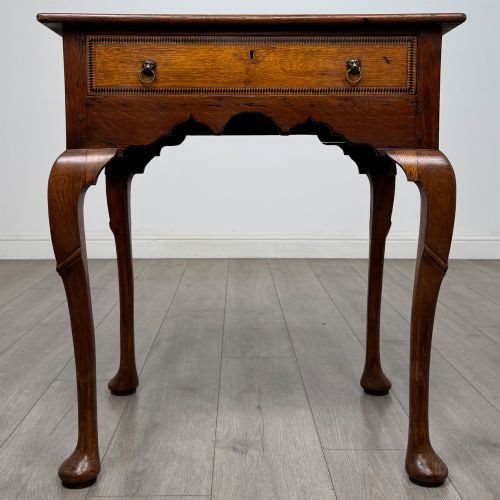
A single drawer dressing table sits within a lineage of utilitarian tables that double as writing surfaces, desks, and lowboys. The most frequent examples you will encounter here hail from the Georgian and Victorian periods, often taking the form of compact side tables or writing desks fitted with a single central drawer.
The materials reflect the domestic timber choices of their respective eras, predominantly featuring rich mahogany, robust oak, and occasionally walnut or ash. These pieces served versatile roles in bedrooms and hallways, functioning as lowboys, washstands, or console tables depending on their proportions and regional styles.
Makers adapted these forms from the late seventeenth century through to the Edwardian era, resulting in variations from plain country oak to refined George III mahogany with bow fronts and boxwood inlay. The survival of these tables demonstrates their enduring utility in modern domestic spaces.
How they were made
Cabinet makers utilised solid timber construction, selecting mahogany, oak, and walnut for durability and grain figure. Surfaces frequently display fine boxwood inlay and paint finishes, applied to complement the prevailing Georgian, Victorian, and Regency aesthetics.
Drawers are constructed with traditional joinery, integrated neatly into the frieze beneath the top surface. Turned or square legs support the frame, sometimes accompanied by brass handles that accent the darker tones of the wood.
Single Drawer Dressing Table Retail Price Guide 2026
Typical asking prices for single drawer dressing table among the pieces listed under this phrase on Sellingantiques today, from the lower quarter to the upper quarter. They describe what is for sale here now, not the wider market.
A solitary drawer has stored everything from eighteenth-century love letters to nineteenth-century collar studs without complaint.
What varies in quality
The selection of timber grain and the crispness of edge moulding set finer examples apart from utilitarian utility pieces. Better workshops employed superior mahogany or figured oak, matched with careful attention to the proportions of the single drawer.
Subtle decorative elements such as boxwood inlay, well-turned legs, and original brass hardware elevate a piece from a basic provincial side table to a refined specimen of its period.
The Single Drawer Dressing Table Glossary
- Lowboy
- A small side table or dressing table with one or more drawers, typically dating from the eighteenth century. They often stood in bedrooms or dressing rooms.
- Bow front
- A convex curved front contour popular on tables and chests during the Georgian and Regency periods. This shape softens the profile of a room.
- Frieze
- The horizontal band running directly beneath the top surface of a table where the single drawer is housed. It often displays decorative mouldings or inlay.
- Washstand
- A table designed to hold washing basins and pitchers, frequently adapted with similar dimensions to a single drawer dressing table in Victorian bedrooms.
Single Drawer Dressing Table: Frequently Asked Questions
What is a lowboy?
A lowboy is a small table with a low profile, generally fitted with drawers, originating in the seventeenth and eighteenth centuries. They served multiple domestic functions including dressing and writing.
Over time, these versatile tables found places in hallways and bedrooms alike, prized for their compact footprints and understated storage.
Were these tables used for writing?
Many single drawer tables served interchangeably as writing desks, side tables, or dressing surfaces depending on the room. The single drawer provided convenient storage for ink, paper, or personal items.
Their proportions made them ideal for smaller chambers where a full-sized bureau was impractical.
What wood was most commonly used?
Mahogany and oak dominate the surviving examples across the Georgian and Victorian periods. Walnut and ash also appear, particularly in specific regional styles or earlier centuries.
Each timber brings a distinct weight and grain pattern that defines the character of the furniture.