


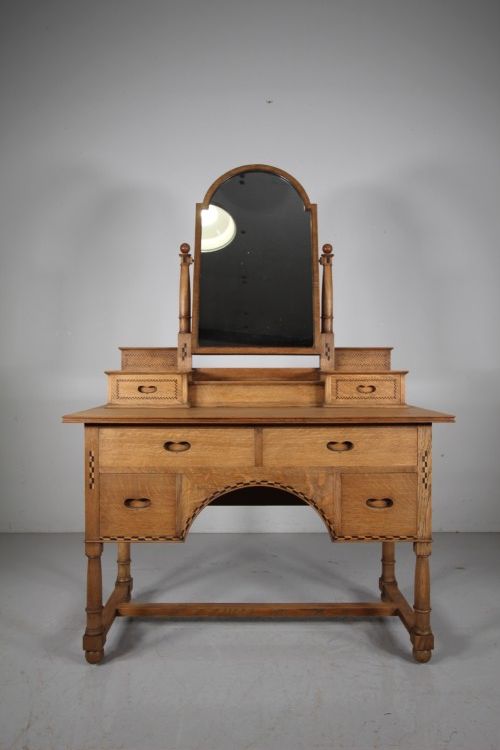
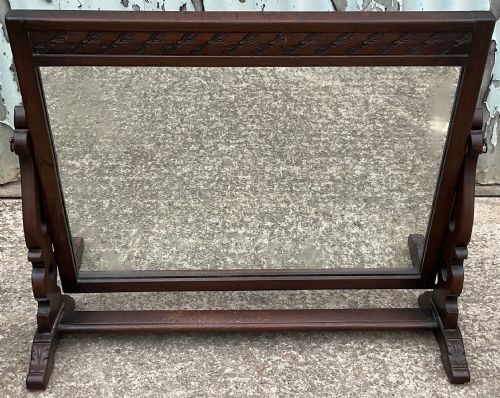


Edwardian Oak Mirror Table
An edwardian oak mirror table brings together sturdy timber and pivoting glass to anchor a bedroom with period character.
Edwardian Oak Mirror Table
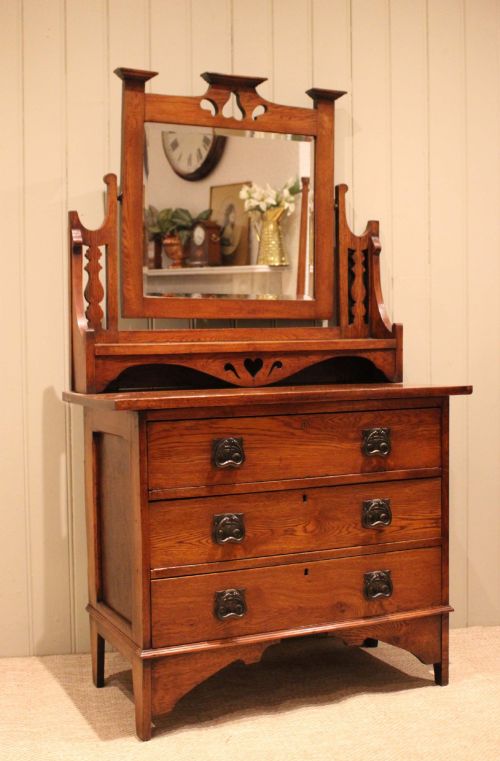
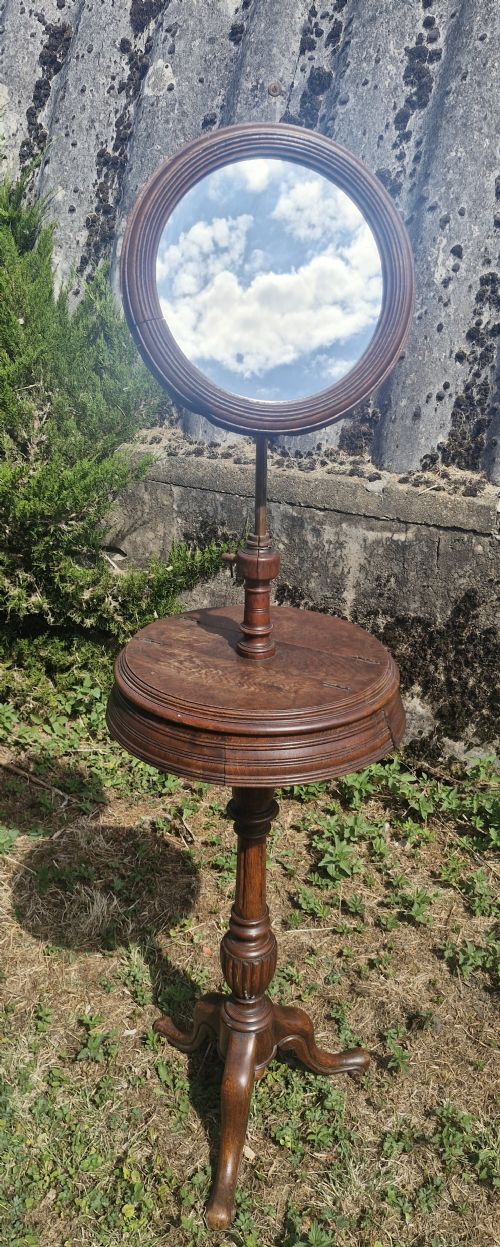
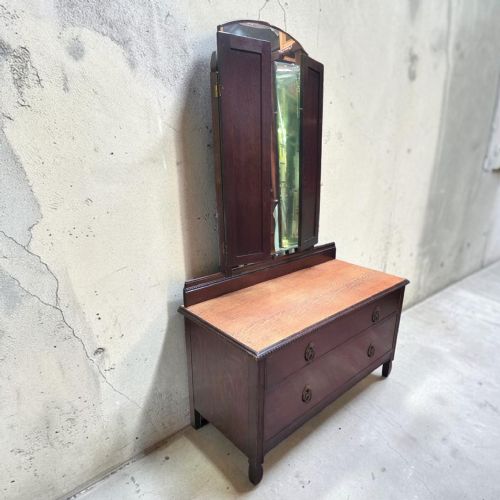
An edwardian oak mirror table primarily takes the form of a dressing table, dressing chest, or toilet mirror designed for the bedroom. These pieces combine a solid wooden framework with an adjustable swing mirror, frequently manifesting in the straightforward utility of the Edwardian era or the distinct lines of the Arts and Crafts movement.
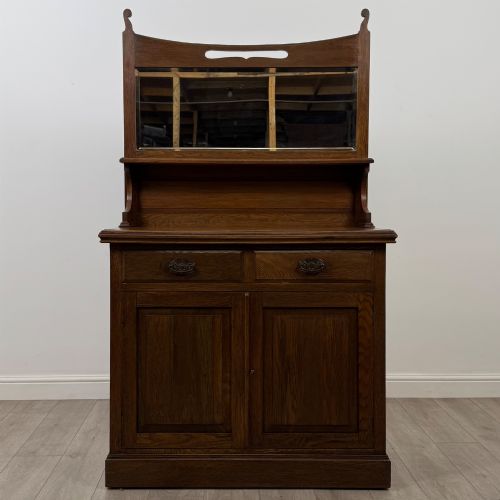
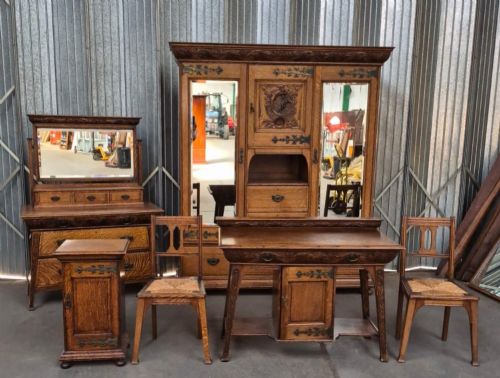
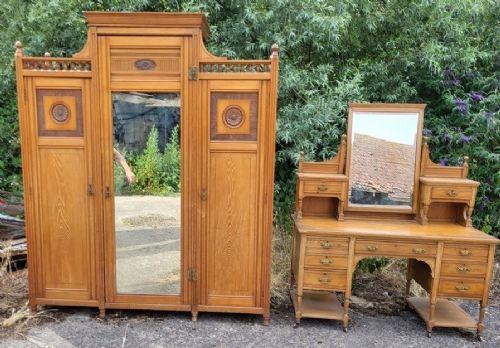
The versions most commonly met on this page date from the late nineteenth and early twentieth centuries, often showing Golden oak or blonde oak timbers. Alongside standalone dressing tables, buyers encounter related bedroom furniture such as shaving stands, console tables with mirrors, and larger bedroom suites.
Makers and workshops of the period utilised regional oak varieties, shaping chests of drawers and wash stands to complement the central mirror. The structural forms range from compact tabletop toilet glasses to full-height dressing chests featuring bevel-edged plates.
Materials and construction
Construction relies heavily on solid oak and oak veneers, supported by hardware in brass, copper, and iron. Glass forms the pivoting mirror plates, while secondary woods sometimes appear in drawer linings and internal framing.
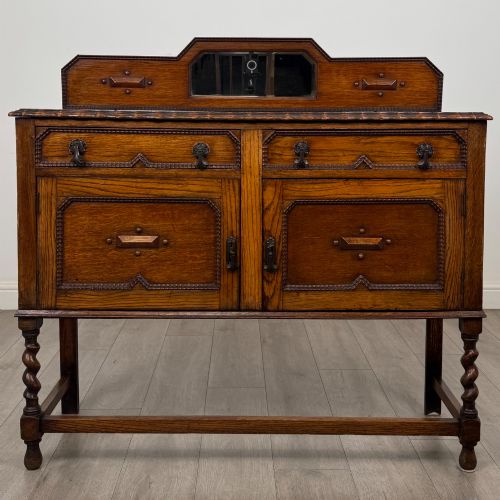
Craftsmen of the period employed traditional joinery alongside applied decoration such as wood inlay, marquetry, and barley twist turnings. Metal brackets and adjustable armatures secure the mirrors to their stands, allowing the glass to tilt to various angles.
Edwardian Oak Mirror Table Retail Price Guide 2026
Typical asking prices for edwardian oak mirror table among the pieces listed under this phrase on Sellingantiques today, from the lower quarter to the upper quarter. They describe what is for sale here now, not the wider market.
Listings feature oak, glass, brass, and copper across periods spanning the late nineteenth century through the Edwardian era into the 1930s.
Distinctions in craftsmanship
Quality rests on the selection of the oak timber, whether figured golden oak, blonde oak, or pollard oak, and the precision of the cabinet work. Pieces that integrate thoughtful proportions with clean joinery stand apart from mass-produced utilitarian items.
The integration of the mirror frame with the base structure marks a clear distinction, particularly where workshop attribution or specific design movements such as Arts and Crafts influence the execution. Original brass or copper fittings and intact bevel-edged glass elevate the overall integrity of the piece.
Shapland and Petter·Heals of London·Wright and Hunter·George Walton·Harris Lebus·James Shoolbred·Arnott and Co
The Edwardian Oak Mirror Table Glossary
- Swing mirror
- A looking glass mounted on vertical pivots or screw pins that allows the plate to tilt back and forth. This mechanism sits atop dressing tables and chests.
- Arts and Crafts
- A design movement prioritising honest construction, visible joinery, and natural materials over mass-produced ornamentation. It frequently shapes the aesthetic of these oak pieces.
- Bevel edge
- A glass mirror plate whose outer perimeter is cut at a slanted angle to catch the light. This detail indicates finer finishing.
- Shaving stand
- A specialised piece of furniture featuring a small adjustable mirror and a platform for washing or grooming. They often include small drawers and metal hardware.
- Golden oak
- A warm, honey-toned finish applied to oak timber that highlights the natural grain of the wood. It is widely seen across Edwardian bedroom furniture.
Edwardian Oak Mirror Table: Frequently Asked Questions
How do I use a mirror table today?
These pieces function well as dressing tables, hallway console units, or statement desks in contemporary bedrooms. The built-in mirror provides practical utility while reflecting light around smaller spaces.
Placing the furniture against a sturdy wall ensures stability for the pivoting mirror frame. The surface offers ample room for everyday items, and the drawers provide concealed storage.
How can I tell an Edwardian piece apart?
Edwardian pieces generally feature lighter oak tones, such as golden or blonde oak, moving away from the heavier, darker finishes of the Victorian era. Look for simpler hardware in brass or copper and a focus on straightforward utility.
Many examples incorporate Arts and Crafts influences, showing honest joinery and occasional wood inlay rather than excessive applied ornamentation.
Are the mirror plates original?
Original mirror plates often display subtle signs of age, such as light foxing or specking behind the glass. The presence of bevel edges and heavy wooden backing boards can also help confirm period authenticity.
Some pieces have had their mirrors replaced over the decades due to breakage. Examining the mounting brackets and screws helps determine whether the glass and frame date from the same period.