



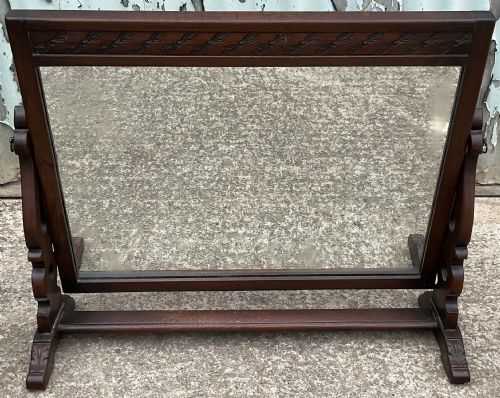
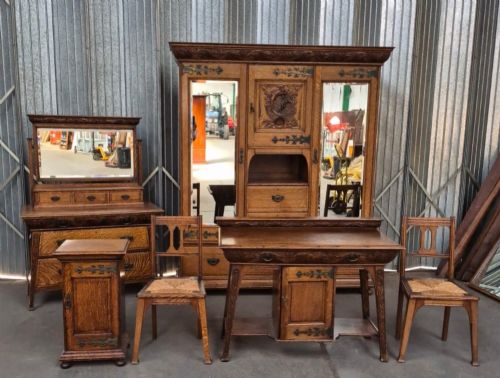
Edwardian Oak Dressing Table
An Edwardian oak dressing table brings honest grain and functional mirror work into a bedroom, offering solid construction through practical daily use.
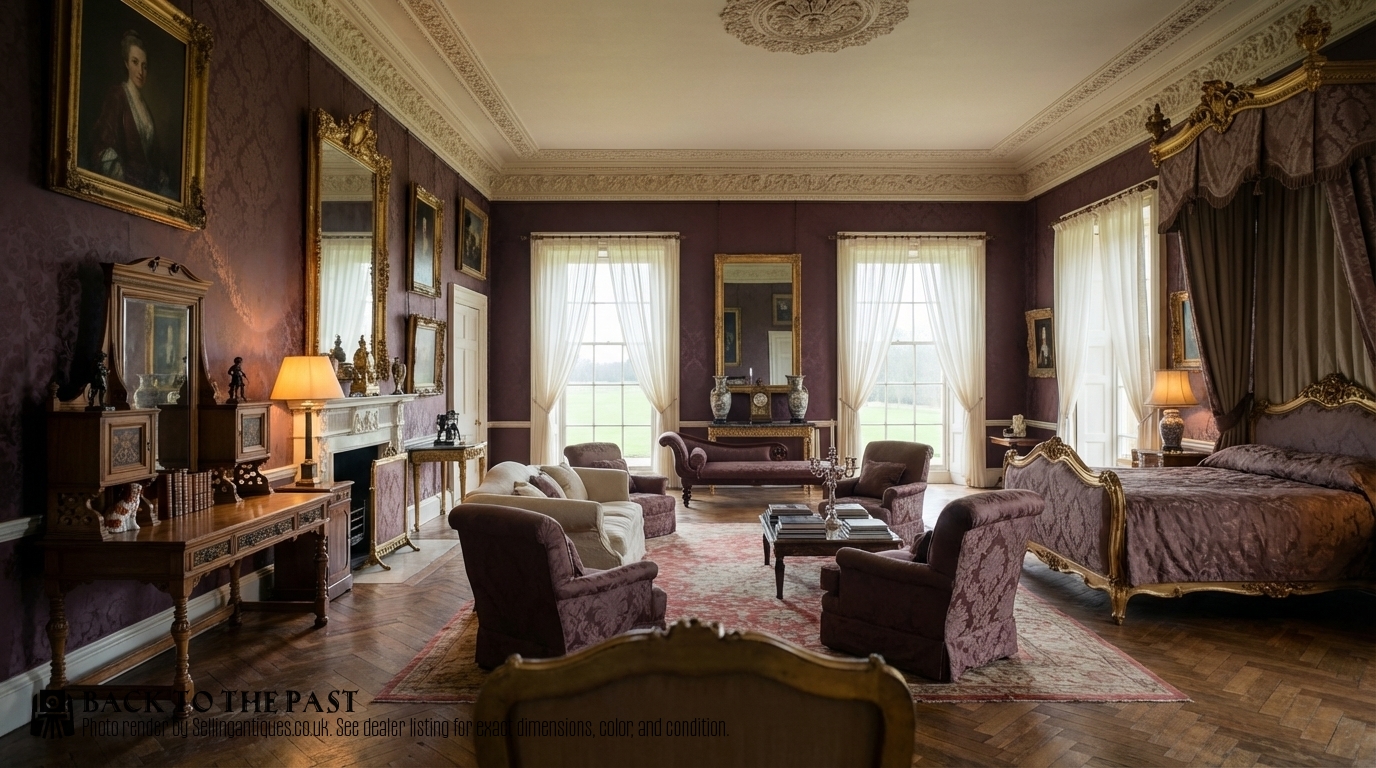
Edwardian Oak Dressing Table
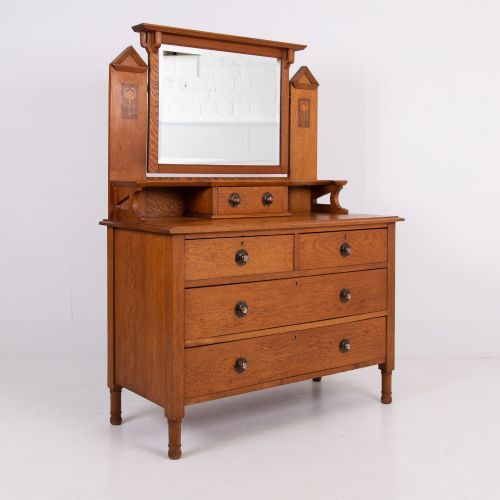
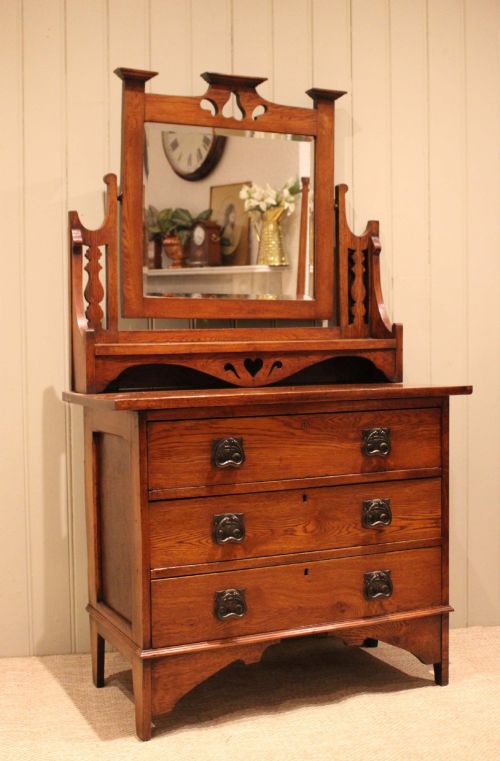
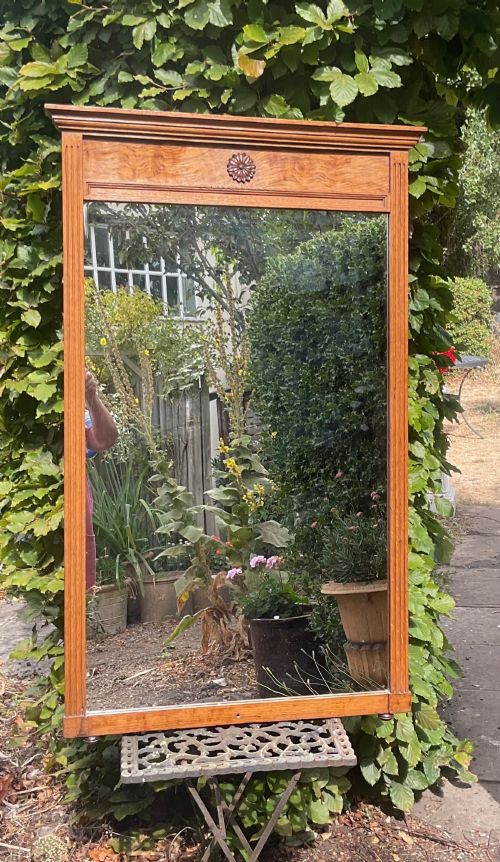
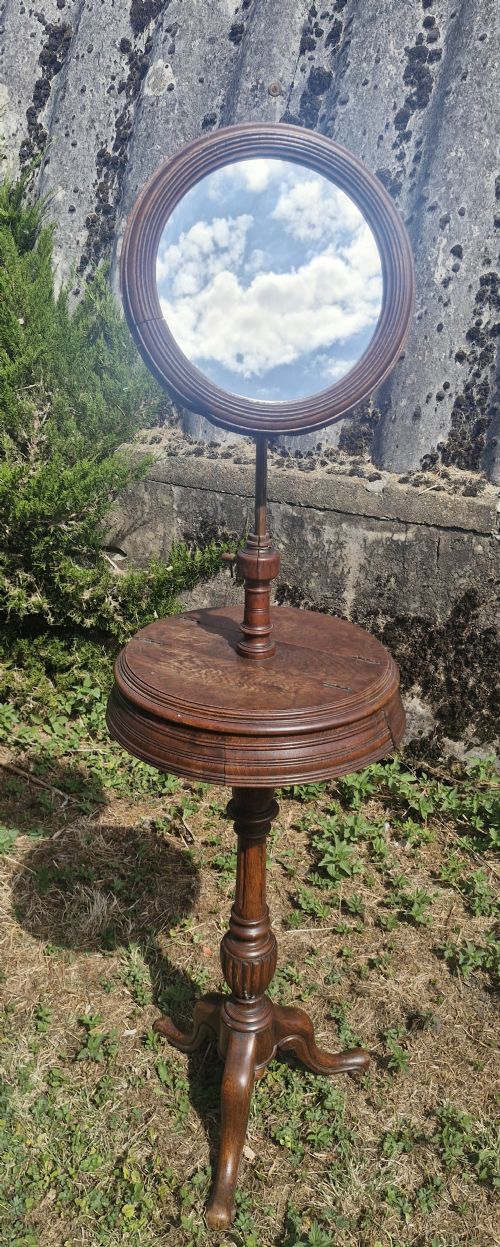
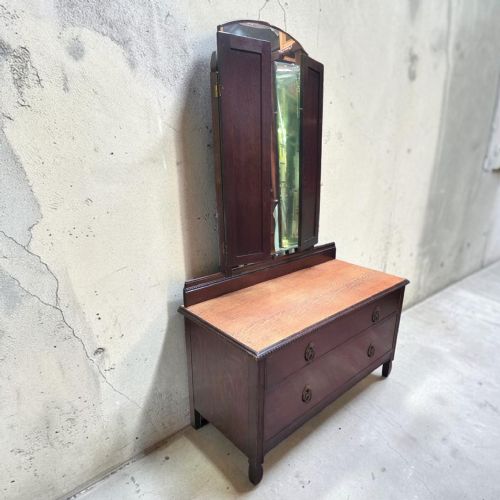
The versions most commonly met on this page range from plain domestic examples to more decorative forms influenced by the Arts and Crafts movement. Makers adapted traditional bedroom furniture with smaller proportions and varied mirror configurations.
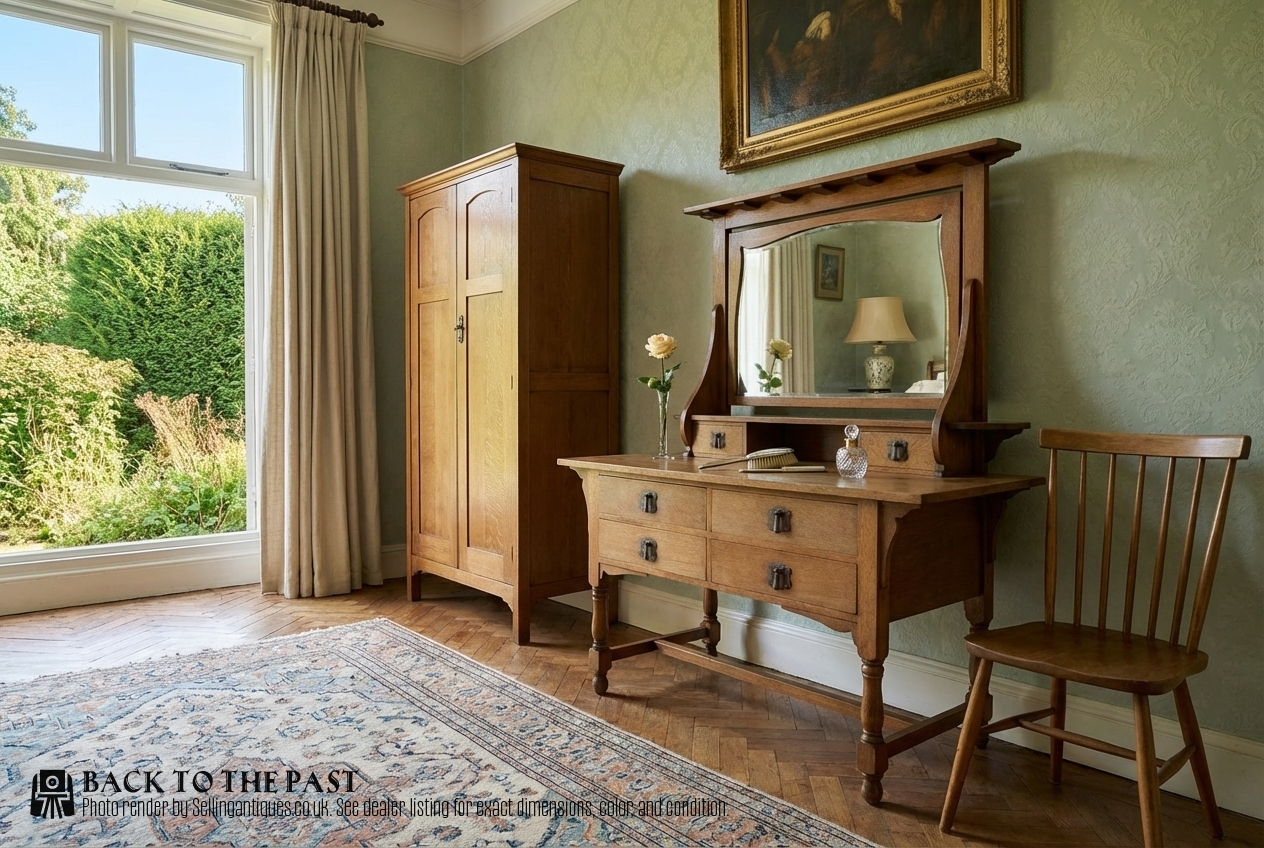
How They Were Made
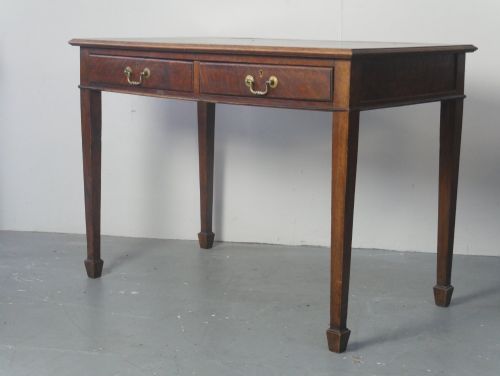
Carpenters utilised solid oak alongside veneered panels, often incorporating brass or iron hardware for handles and mirror pivots. Structural joints relied on traditional woodworking methods to support the weight of heavy timber and glass.
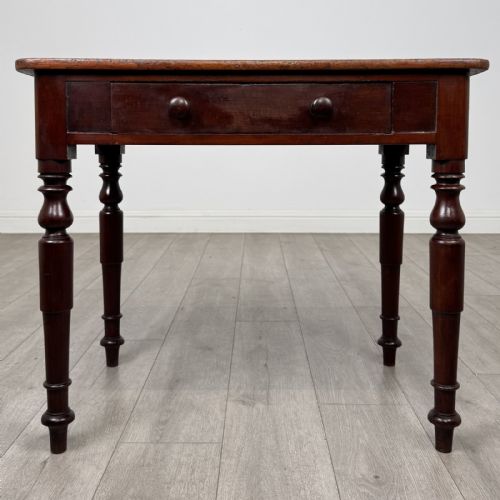
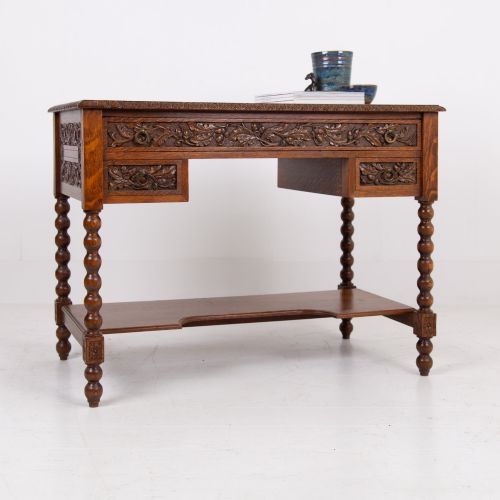
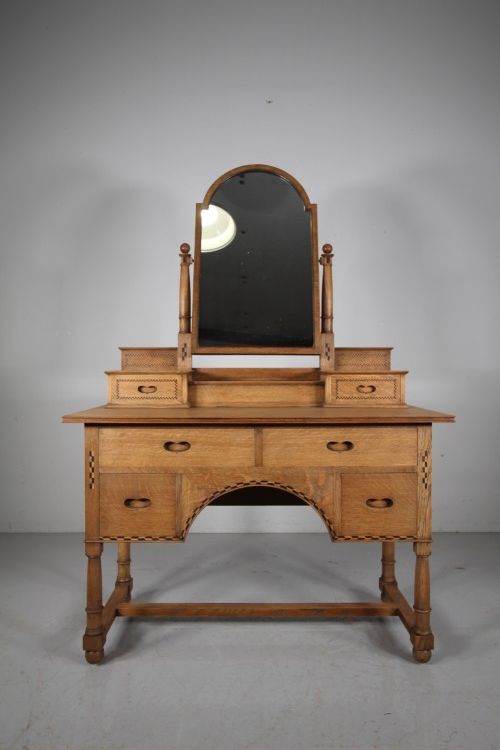
Decoration on these dressing tables includes marquetry inlay, boxwood stringing, and turned elements such as barley twist supports. Some pieces display the simpler hand-finished details associated with regional cabinet makers.
Edwardian Oak Dressing Table Retail Price Guide 2026
Typical asking prices for edwardian oak dressing table among the pieces listed under this phrase on Sellingantiques today, from the lower quarter to the upper quarter. They describe what is for sale here now, not the wider market.
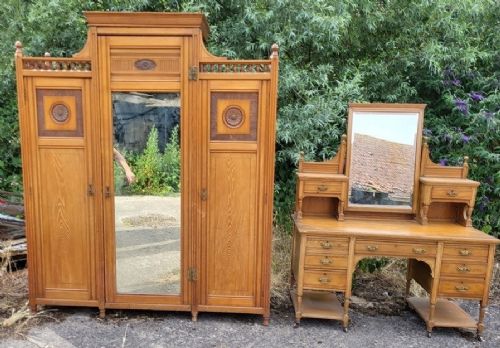
Arts and Crafts designs appear alongside Victorian Revival pieces, demonstrating a range of aesthetic choices from plain functionality to inlaid decorative panels.
What Varies in Quality
The distinction between standard and superior pieces rests on the selection of timber and the ambition of the design. Workshops that employed careful marquetry or integrated distinctive hardware produced furniture with greater presence.
Proportion and the integrity of the original mirror fixtures also separate basic utilitarian chests from finer workshop examples. Heavy, well-figured oak and balanced proportions elevate a piece above standard domestic output.
Heals of London·Wright and Hunter of Belfast·Ray and Miles
The Edwardian Oak Dressing Table Glossary
- Arts & Crafts
- A design movement prioritising traditional craftsmanship and simple forms over mass-produced ornamentation. It heavily influenced early twentieth-century cabinet making.
- Marquetry
- The art of applying small pieces of veneer to form decorative patterns on a wooden surface. This technique added visual contrast using darker woods like ebony.
- Barley Twist
- A spiral-turned wooden column used for table legs and supports. It became popular during revival periods referencing earlier seventeenth-century furniture styles.
- Boxwood
- A dense, pale wood frequently used for contrasting stringing and inlay work on dark oak surfaces. Its fine grain allows for precise decorative lines.
Edwardian Oak Dressing Table: Frequently Asked Questions
How do I clean oak furniture?
Dust surfaces regularly with a soft, dry cloth to prevent the accumulation of grit in the grain. Avoid silicone-based polishes which can build up over time and dull the finish.
Feed the timber periodically with a traditional wax polish to nourish the wood and maintain a gentle sheen. Keep the furniture away from direct heat sources and strong sunlight to prevent warping and fading.
Are the mirrors original?
Many dressing tables retain their original bevelled glass plates, which often display minor ageing or foxing. Replacement mirrors do occur if the original glass suffered damage over the decades.
Check the mirror fixings and wooden frames to see if the screws and brackets match the period of the base. Original mirrors usually show light, uniform grey spots behind the glass rather than modern silvering.
How do I date these pieces?
Dating relies on examining construction methods, timber thickness, and stylistic clues such as hardware and inlay patterns. Pieces from the early twentieth century often show a transition from Victorian heaviness to lighter Arts and Crafts ideals.
Look inside drawer joints and beneath tabletops for maker stamps, retailer labels, or handwritten signatures. These small details often provide specific attribution to firms operating around nineteen-ten.
Can I use it as a desk?
The kneehole space beneath the central drawer makes many of these dressing tables suitable for use as a compact writing desk. Ensure the height of the drawers allows comfortable clearance for your legs.
Protect the wooden top with a blotter or leather pad if you plan to write on it daily. The original finish can be sensitive to ink spills and persistent moisture.