

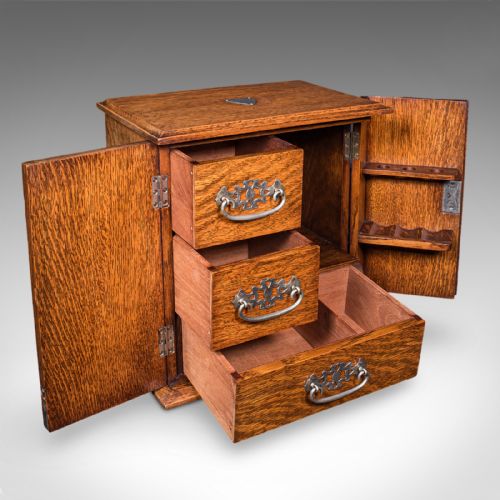
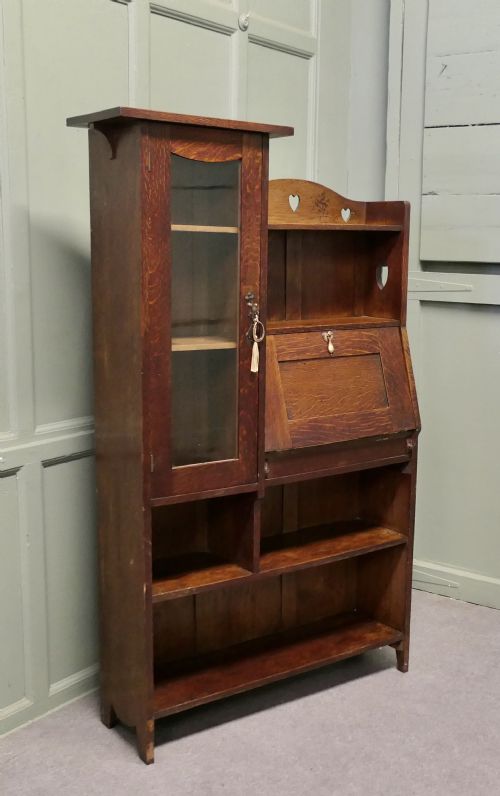

Edwardian Oak Desk Cabinet
An edwardian oak desk cabinet provides compact desktop storage and writing space, combining period utility with solid timber construction.
Edwardian Oak Desk Cabinet
When you search for an edwardian oak desk cabinet, you encounter a selection of pieces designed for paperwork and correspondence in domestic and office settings. These items span standard stationery boxes, letter boxes, and desk tidies alongside larger bureau bookcases and filing cabinets.
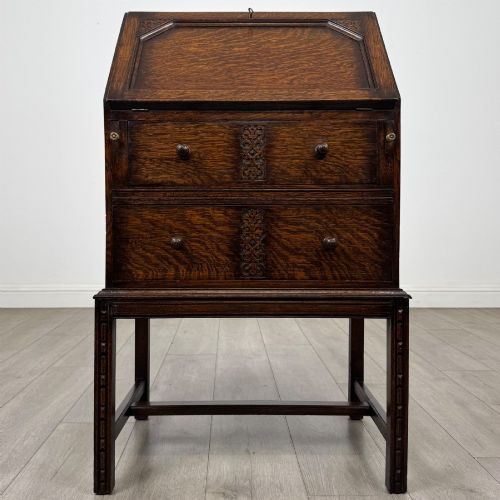
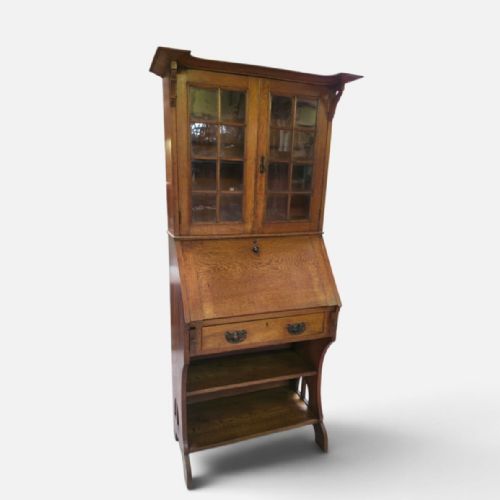
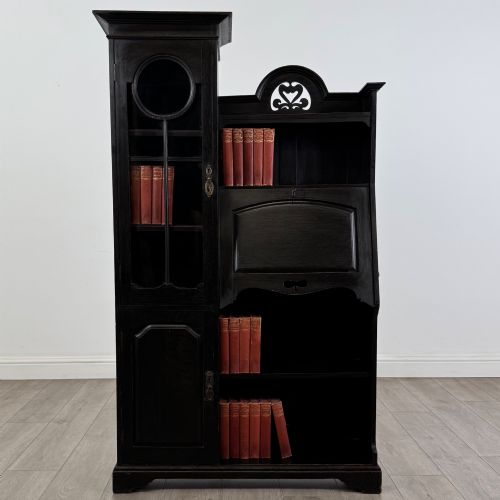
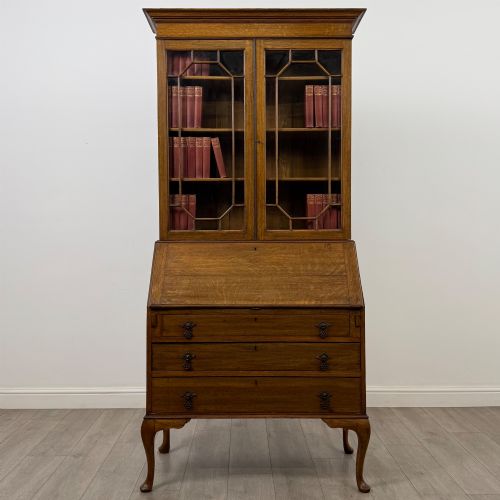
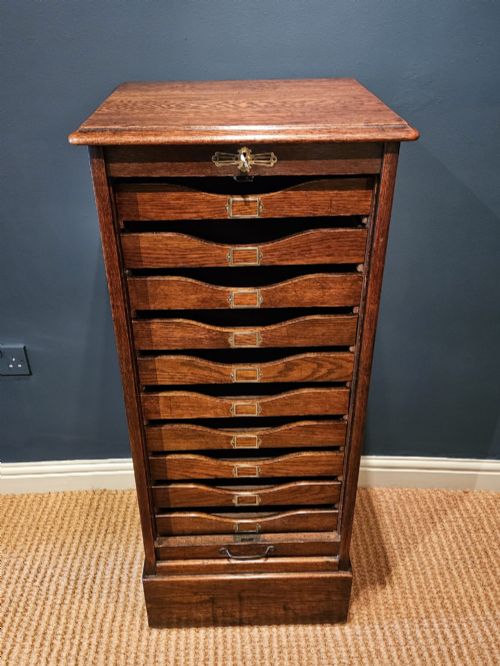
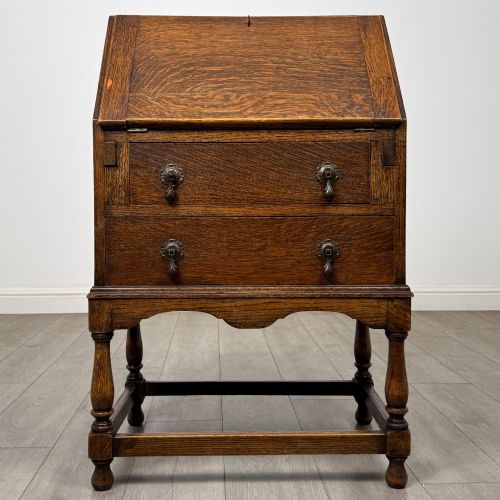
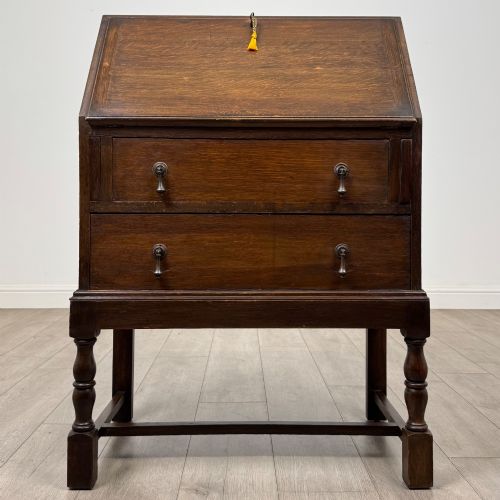
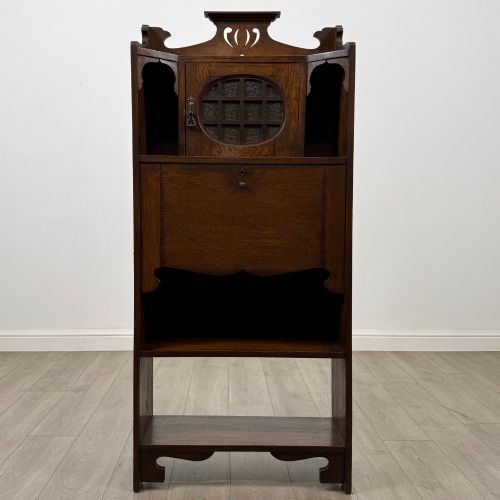
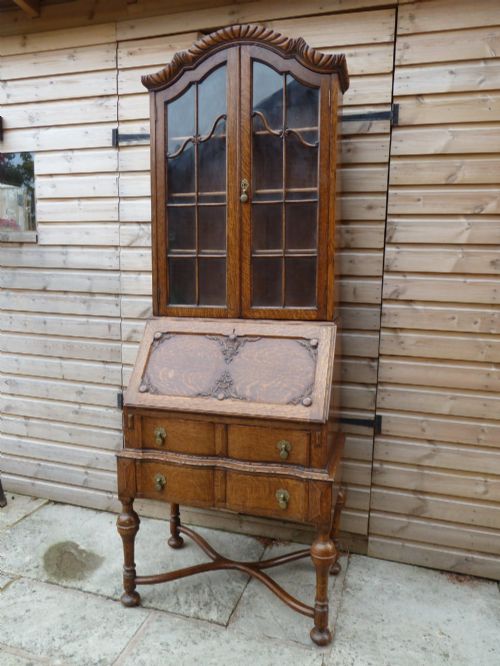
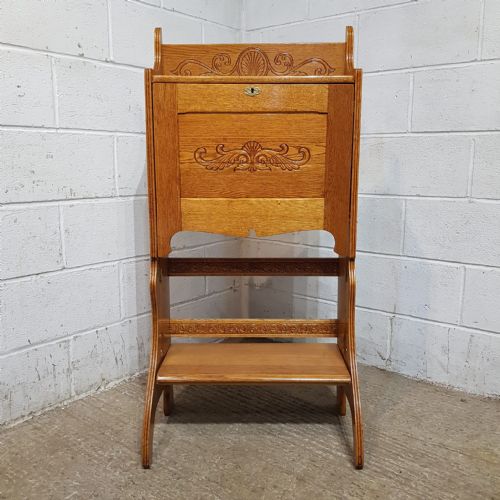
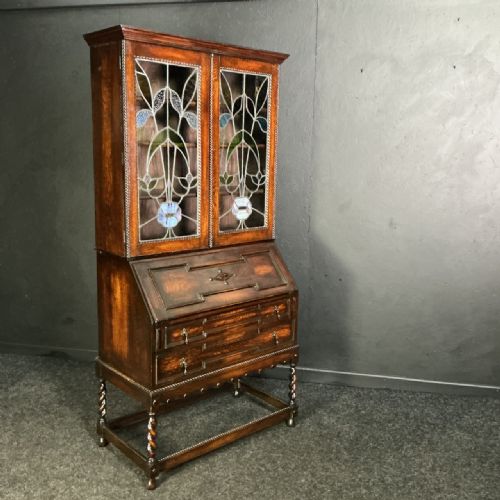
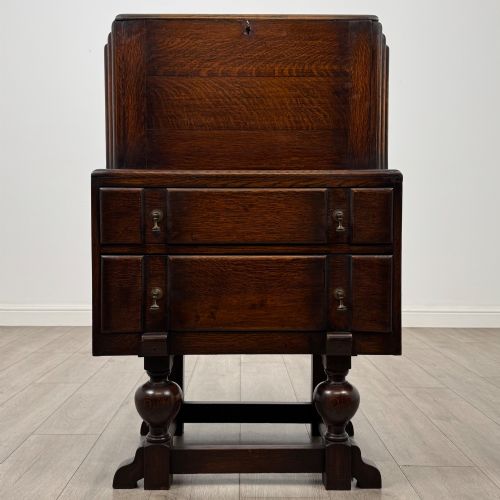
The version you are most likely to meet on this page dates from the Edwardian period or the early twentieth century, constructed primarily in solid oak. Bureau bookcases and compact writing desks appear frequently alongside tabletop stationery cabinets and tambour front office units.
How they were made
Makers utilised solid oak, often described as golden oak, alongside brass handles, hinges, and glass panels. Metal, lead, copper, cast iron, and leather appear as secondary materials for fittings, hinges, and writing surfaces.
Construction techniques include fall fronts, tambour shutters, and glazed bookcase doors. Many pieces incorporate fitted internal compartments for stationery, letters, and inkwells.
Listings feature items spanning the Victorian, Edwardian, and 1920s periods, executed primarily in oak with brass and glass.
What varies in quality
The standard of timber selection and joinery determines the grade of an oak cabinet. Pieces exhibiting thoughtful figuring in the grain, robust dovetail joints, and substantial brass hardware stand apart from simpler utility versions.
Design ambition creates another distinction within the range. Plain commercial office filing units contrast with decorative Arts and Crafts pieces featuring stylistic brasswork or Moorish influence.
Harris Lebus·Liberty of London·Liberty & Co
The Edwardian Oak Desk Cabinet Glossary
- Bureau
- A writing desk with a sloping hinged lid that covers a fitted interior of pigeonholes and small drawers. It often stands on legs or rests upon a bookcase base.
- Tambour front
- A sliding shutter formed of narrow slats of wood glued to a canvas backing, allowing it to curve around a track to enclose cabinet shelves or file compartments.
- Stationery cabinet
- A tabletop box or small cupboard designed to hold writing paper, envelopes, and stamps, frequently featuring a fall front or tiered internal compartments.
- Arts and Crafts
- A design movement originating in the late nineteenth century that prioritised traditional craftsmanship, simple forms, and honest expression of materials over mass production.
- Letter box
- A domestic postbox or desk accessory intended for receiving and sorting incoming mail in country houses and offices.
Edwardian Oak Desk Cabinet: Frequently Asked Questions
What is an edwardian oak desk cabinet used for?
These cabinets were built for organising correspondence, storing stationery, and providing a compact surface for writing letters. Domestic versions sat on tables in country houses, while office variants managed paper files.
Today, they serve similar organisational roles in modern interiors, holding letters, notebooks, and small desktop items within traditional compartments.
How do I distinguish Edwardian pieces from Victorian ones?
Edwardian items often display lighter golden oak tones and simpler, cleaner lines influenced by the Arts and Crafts movement. Victorian equivalents tend to use darker finishes and heavier proportions.
Examining the hardware and interior fittings also helps clarify the period of manufacture, as later pieces frequently abandoned ornate carving in favour of functional efficiency.
What does a tambour front do?
A tambour front uses flexible wooden slats running in a track to open and close cabinet compartments without swinging doors. This mechanism saves space on crowded desks.
It slides smoothly upwards or sideways to reveal pigeonholes or filing trays, concealing paperwork when closed.
Are these cabinets suitable for modern laptops?
Tabletop stationery cabinets and smaller letter boxes are too compact for modern computers and serve best for paperwork. Larger bureau desks and bureau bookcases provide fold-down writing surfaces that can accommodate laptops depending on their dimensions.
Checking internal measurements ensures proper fit for contemporary devices before use.