

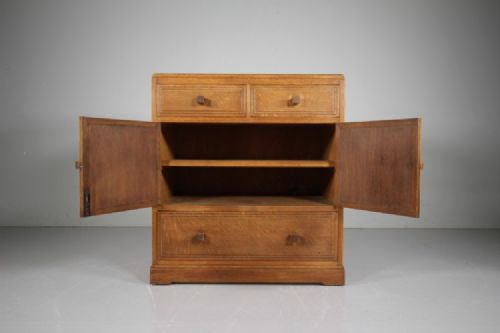
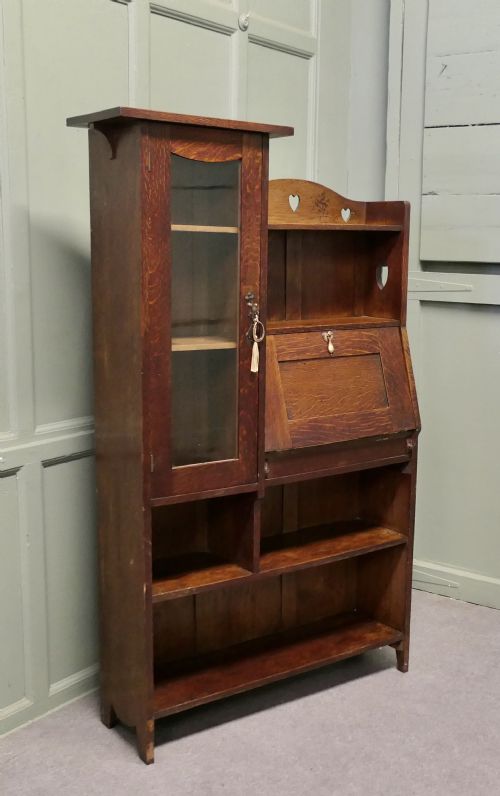


Compact Oak Desk Cabinet
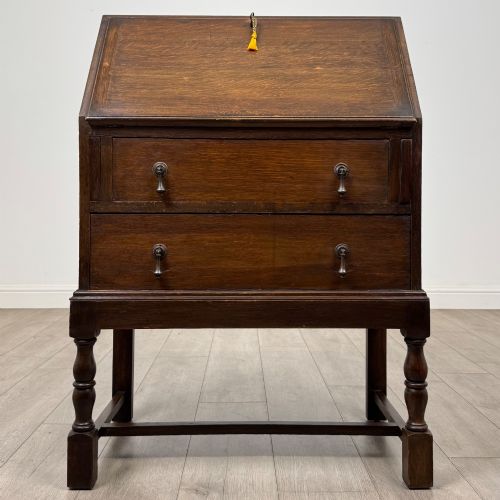
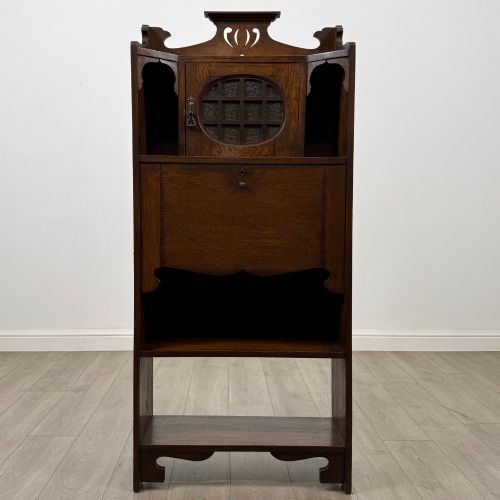
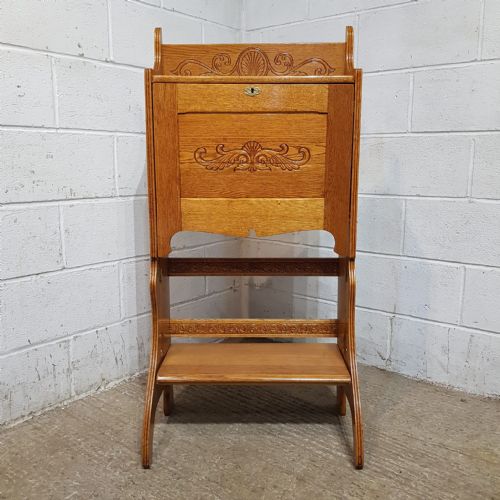
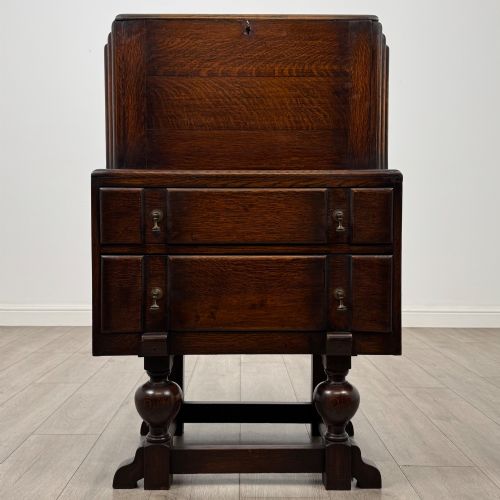
A compact oak desk cabinet provides a practical writing space and storage within a small footprint, appealing to those who appreciate traditional timber furniture.
Compact Oak Desk Cabinet
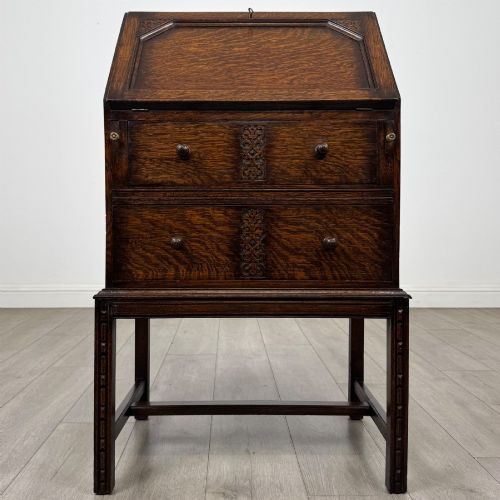
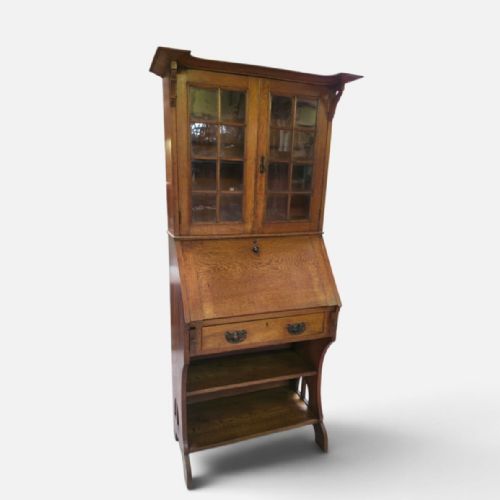
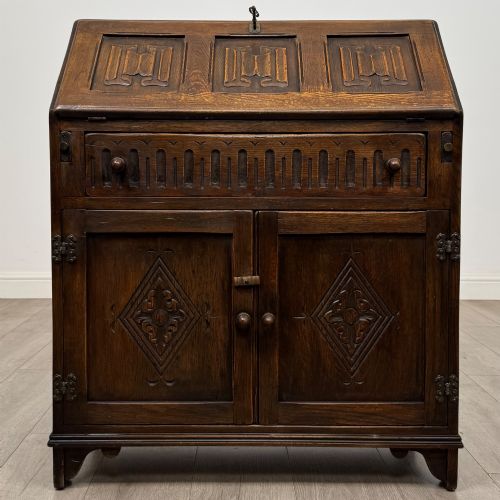
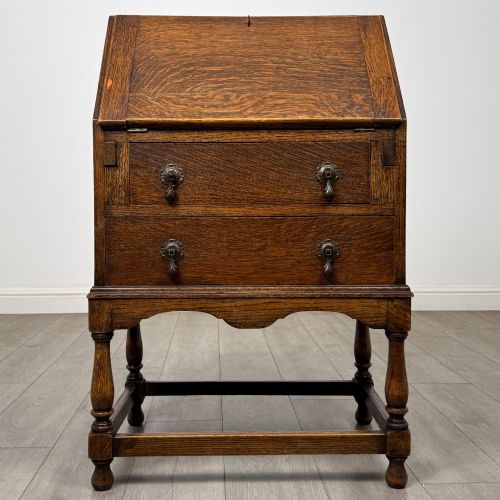
A compact oak desk cabinet typically takes the form of a writing bureau or Davenport desk, combining a slanted or flat writing surface with internal compartments and drawers. These pieces emerge predominantly from the Edwardian era, alongside Victorian, 1920s, and earlier examples dating back to the late 17th century.
Materials and construction methods
These pieces rely heavily on solid oak, golden oak, pollard oak, and burr oak, frequently complemented by brass handles, leather writing inserts, and glass panels in bookcase doors. Iron and lead components occasionally appear in hardware or structural reinforcement.
Joinery methods reflect the prevailing styles of each period, incorporating carved decorative details such as green man motifs or linenfold panels. Cabinetmakers utilised timber veneers on select surfaces to showcase figured grain patterns while maintaining structural stability.
Green man carvings peer out from Victorian desks, watching over your correspondence with leafy expressions.
Assessing quality in oak desks and bureaus
Quality separates pieces through the selection of timber figures, such as burr or pollard oak veneers, and the crispness of hand-carved details like linenfold panels or figural motifs. Superior examples display thoughtful proportions and harmonious integration of hardware such as brass handles and escutcheons.
Internal arrangement and secondary woods also distinguish better examples, where fitted pigeonholes, secret compartments, and dovetailed drawer construction remain intact and operational. Maker attribution, through stamps, labels or distinct workshop characteristics, further separates standard production items from finer workshop output.
Harris Lebus·Bryn Mawr
The Compact Oak Desk Cabinet Glossary
- Bureau
- A writing cabinet featuring a sloping hinged flap that opens to reveal a fitted interior of pigeonholes and small drawers.
- Davenport
- A compact pedestal desk with a sloping writing surface, typically fitted with side drawers and a stationery compartment on top.
- Linenfold
- A style of woodcarving representing folded linen, commonly seen on panels of Edwardian and revival furniture.
- Pollard oak
- Timber taken from trees that have been pollarded, producing a heavily figured and mottled grain highly valued for decorative veneers.
- Bureau bookcase
- A combination piece comprising a writing bureau base beneath an upper shelving section enclosed by wooden or glass doors.
Compact Oak Desk Cabinet: Frequently Asked Questions
How do I identify an Edwardian oak bureau?
Edwardian oak bureaus typically display lighter golden oak tones, simpler hardware, and understated Arts and Crafts influence or traditional revival styling.
Examination of the interior construction, drawer dovetails, and secondary woods helps confirm the period manufacture.
Can I use a antique writing bureau daily?
These pieces function well for modern writing and laptop use, provided the writing flap hinges and internal supports remain stable. Leather inserts may require gentle conditioning to preserve their surface during regular use.
Placing the cabinet away from direct heat sources protects the solid oak and timber veneers from drying out.
How do I care for pollard oak veneer?
Pollard oak veneer requires protection from direct sunlight and sustained moisture to prevent timber shrinkage and veneer lifting. Regular dusting with a soft, dry cloth maintains the finish without chemical buildup.
Application of traditional beeswax polish occasionally helps nourish the figured grain.