




Edwardian Novelty Silver Collectable
Edwardian novelty silver collectable pieces combine whimsical miniature forms with functional vanity and desk accessories from the early twentieth century.
Edwardian Novelty Silver Collectable
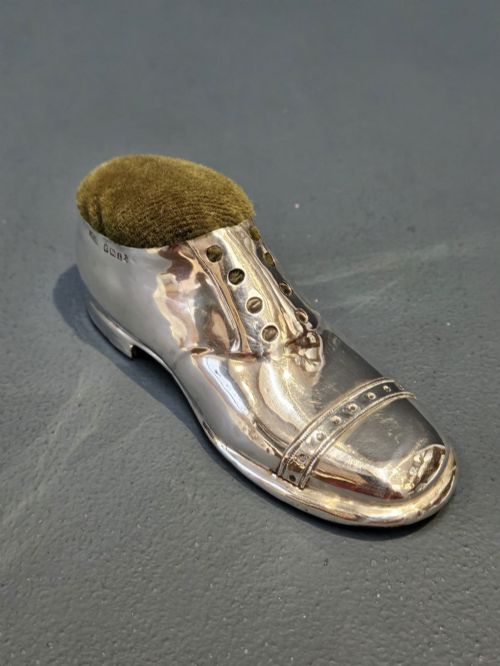
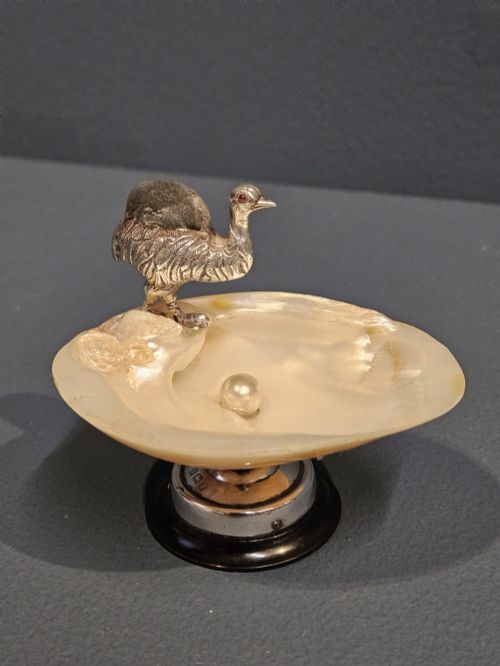
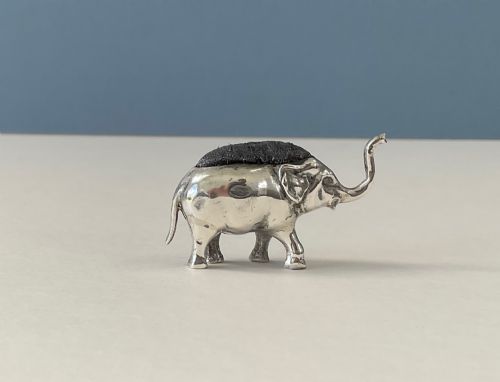
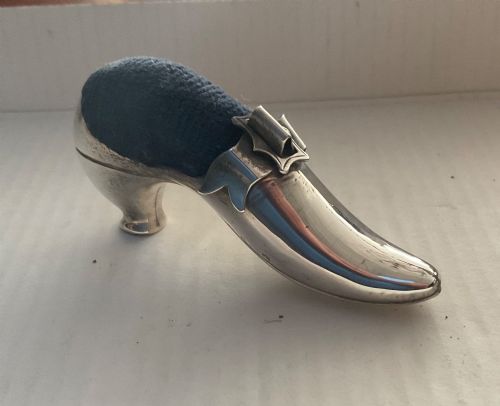
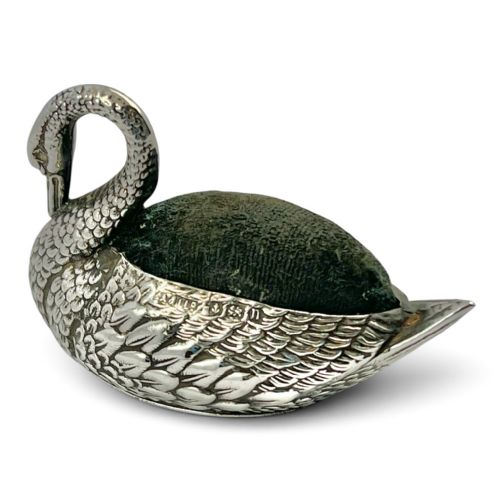
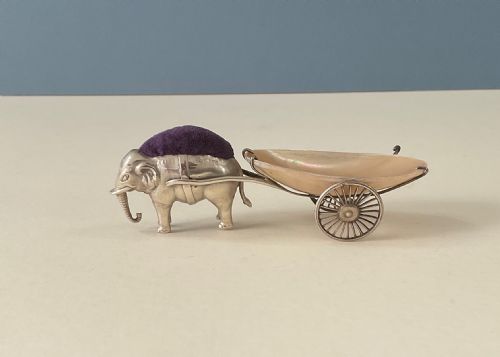
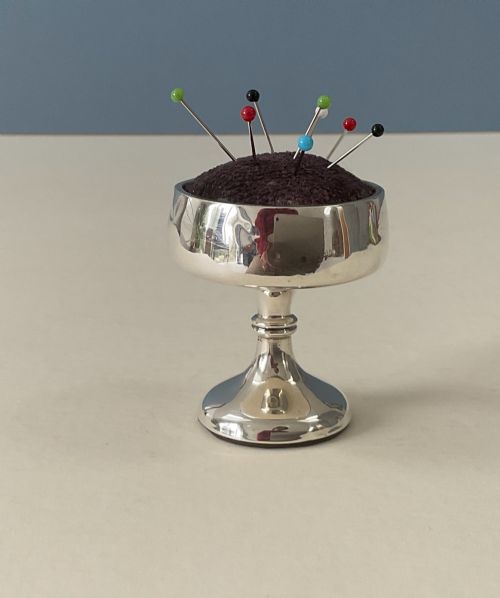
When you search for an edwardian novelty silver collectable, you enter a sphere of diminutive, characterful items produced primarily during the Edwardian era. The pieces seen most frequently on this page take the form of miniature pin cushions shaped as animals, birds, vehicles, and everyday objects.
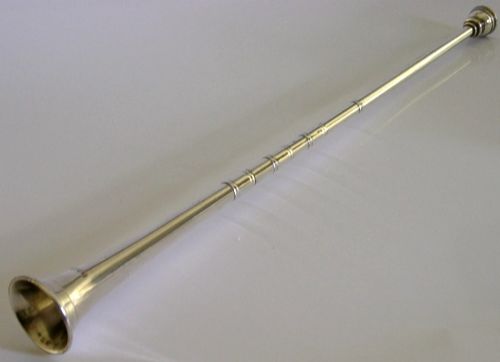
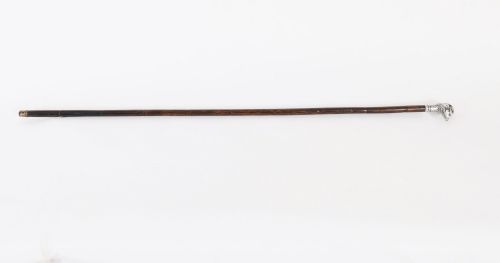
Beyond pin cushions, the inventory encompasses walking sticks and canes featuring decorated silver handles, along with sporting collectables like hunting horns, caddy spoons, and button hooks. These objects capture the playful imagination of silversmiths working around the turn of the twentieth century, bridging decorative art and functional utility.
Materials and Craftsmanship
The making of these small items relies on sterling silver combined with contrasting materials to provide texture and structure. Velvet and fabric insert panels serve as the functional surfaces for pin cushions, while wood, mother of pearl, glass, and steel reinforce walking sticks and button hooks.
Edwardian Novelty Silver Collectable Retail Price Guide 2026
Typical asking prices for edwardian novelty silver collectable among the pieces listed under this phrase on Sellingantiques today, from the lower quarter to the upper quarter. They describe what is for sale here now, not the wider market.
Miniature silver pigs, frogs, goldfish, and railway lamps wait quietly on velvet cushions to guard your sewing pins.
Distinctions in Quality
The integrity of the original fabric or velvet insert and the legibility of the hallmarks further separate standard examples from highly collectable works. Maker attribution also plays a role, with established workshops achieving greater definition in their castings.
Sampson Mordan·Adie & Lovekin·William Neale
The Edwardian Novelty Silver Collectable Glossary
- Pin Cushion
- A small domestic accessory designed to hold pins and needles, often mounted within a silver frame modelled as an animal or vehicle. These items formed a staple of the Edwardian dressing table.
- Sterling Silver
- A standard alloy consisting of silver and other metals, usually copper, to ensure durability. British pieces typically bear the lion passant mark to confirm this standard.
- Hallmark
- A series of official marks stamped onto precious metal items to guarantee their fineness and origin. They include the maker's mark, standard mark, assay office mark, and date letter.
- Chasing
- A metalsmithing technique used to decorate or surface-work metal by hammering from the front. This method brings out fine details such as bird feathers and facial expressions on miniature figures.
Edwardian Novelty Silver Collectable: Frequently Asked Questions
What are edwardian novelty silver collectables?
These pieces are small, whimsical silver items made primarily around the early twentieth century. They include animal-shaped pin cushions, decorated walking stick handles, and novelty caddy spoons.
Silversmiths designed them to serve both decorative and practical purposes on dressing tables and desks.
How were silver pin cushions used?
Pin cushions served a daily domestic role in Edwardian households for holding sewing pins and needles. The silver frames protected the stuffed fabric core while displaying miniature sculptures of animals, shoes, or railway lamps.
Collectors prize them today as desk ornaments or cabinet displays rather than for sewing.
How do I identify an Edwardian silver piece?
Identification relies on examining the hallmarks stamped into the silver, which reveal the assay office, date letter, and maker. Edwardian pieces generally date from the reign of King Edward VII between 1901 and 1910, alongside related Victorian and George V examples.
Stylistic cues such as naturalistic animal modelling also help place an object in this period.
What materials accompany the silver in these items?
Silver forms the primary sculptural body, but manufacturers integrated velvet and fabric inserts to hold pins securely. Walking sticks and canes incorporate wood, mother of pearl, glass, and steel to provide structural strength.
These mixed media combinations give each antique its characteristic tactile variety.