





Silver Sewing Haberdashery Tools
These silver sewing haberdashery tools bring together miniature craftsmanship and practical utility from centuries past.
Silver Sewing Haberdashery Tools
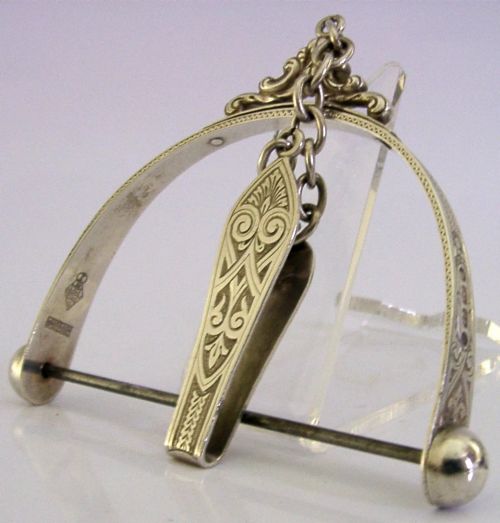
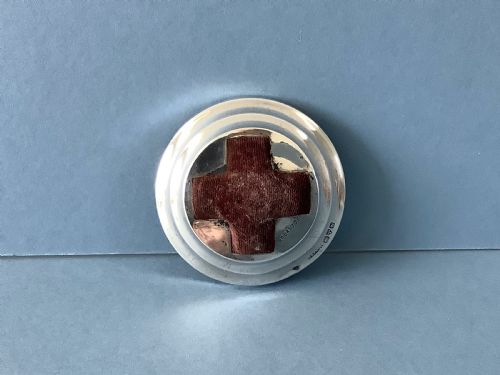
Silver sewing haberdashery tools encompass an array of small implements designed for needlework, spanning periods from the eighteenth century through to the twentieth century. These items include pin cushions, bodkins, tape measures, needle cases, thread holders, and cotton reel holders.
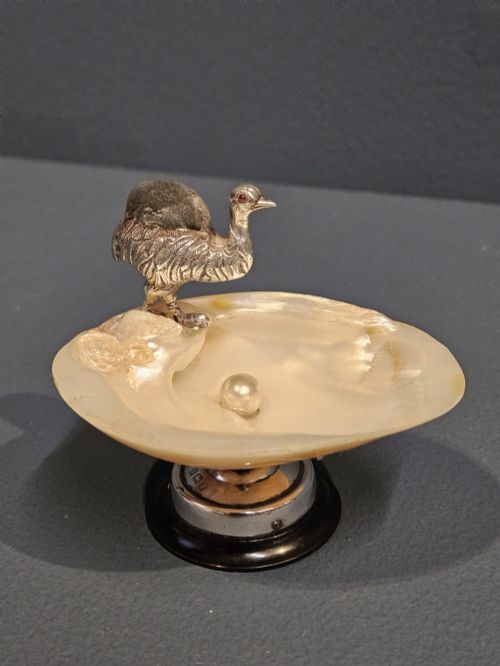
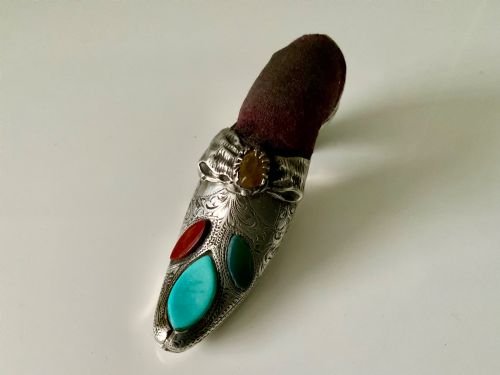
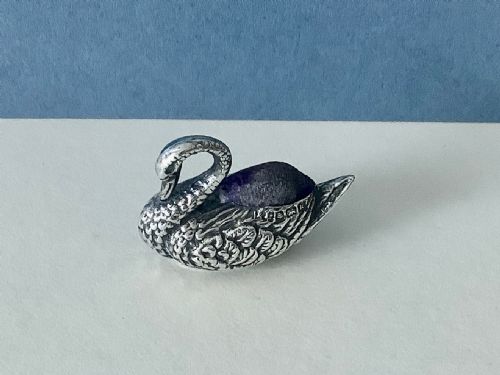
Pin cushions appear frequently among the selection, often taking whimsical novelty forms such as animals, shoes, lamps, and hats. Alongside these, chatelaine accessories and sewing implements reflect the detailed metalwork characteristic of Georgian, Victorian, and Edwardian production.
The materials paired with the silver enhance each piece, incorporating velvet, wood, fabric, cotton, mother of pearl, and agate. Collectors encounter both utilitarian objects and sculptural novelties created to sit upon a dressing table or hang from a chatelaine.
Materials and construction
Silversmiths utilised sterling silver and standard silver to form the outer casings, frames, and sculptural figures of these sewing items. Pierced floral scrollwork and detailed embossing demonstrate the proficiency of period metalworkers in handling thin gauges of silver.
Internal structures and secondary elements incorporated organic and textile materials such as velvet, wood, fabric, and cotton. Mother of pearl and agate appear as decorative accents or working parts, providing textural contrast to the polished silver surfaces.
Silver Sewing Haberdashery Tools Retail Price Guide 2026
Typical asking prices for silver sewing haberdashery tools among the pieces listed under this phrase on Sellingantiques today, from the lower quarter to the upper quarter. They describe what is for sale here now, not the wider market.
Distinctions in quality
The standard of execution in novelty silver pin cushions depends on the crispness of the casting and the retention of fine anatomical or textural details. Superior examples maintain intact original velvet or fabric inserts alongside clear hallmarks on the silver body.
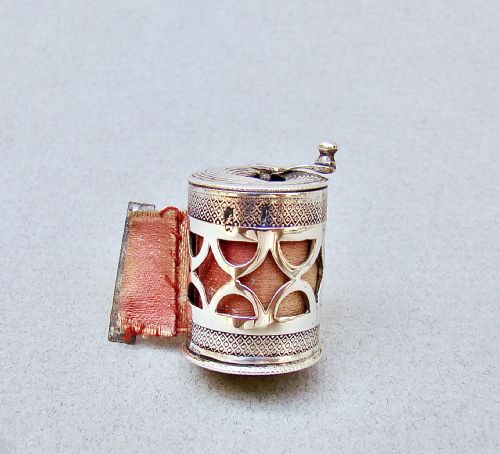
Pierced work and engraved decoration distinguish finer thread holders and cotton reel holders from plainer utilitarian versions. The complexity of the mechanism, such as the action within a drum-shaped tape measure, further separates standard pieces from masterworks.
The Silver Sewing Haberdashery Tools Glossary
- Bodkin
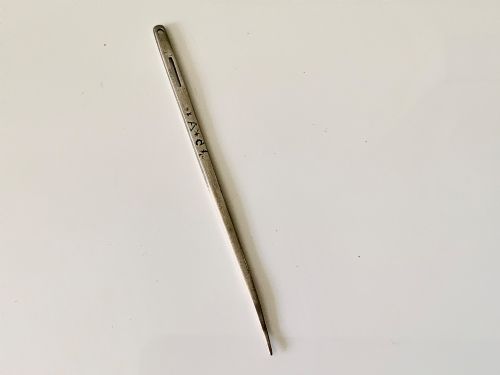
- A blunt needle with a large eye used for drawing cord or ribbon through a hem. This tool was essential in historical garment construction.
- Chatelaine
- A decorative belt hook worn with suspended chains from which useful household and sewing implements hung. Ladies of the household kept their working tools attached for immediate access.
- Haberdashery
- Small articles used in sewing, such as pins, buttons, tape measures, and thread. Silver versions of these tools elevated everyday sewing tasks into pursuits of refinement.
- Novelty pin cushion
- A pin cushion fashioned into a recognizable figurative shape, such as an animal, bird, or object. These figural pieces formed a popular category of decorative silver during the Edwardian period.
Silver Sewing Haberdashery Tools: Frequently Asked Questions
What are silver sewing haberdashery tools?
These pieces comprise small metallic implements made for needlework and textile tasks, fashioned from silver during past centuries. They include items like bodkins, needle cases, and thread holders.
Many of the surviving examples double as decorative novelties or chatelaine accessories, combining practicality with ornamental design.
How were these sewing tools used?
Needlewomen utilised these items during dressmaking, mending, and embroidery tasks to measure, hold cotton, or store pins securely. Thread holders kept reels steady, while bodkins threaded tape through garments.
Chatelaine accessories allowed makers to carry their essential implements directly on their belts while moving about the home.
How do I identify the period of a piece?
Makers marked many silver items with hallmarks that indicate the assay office, standard of silver, and year of production. Stylistic clues, such as Edwardian novelty animal designs or Georgian pierced scrollwork, also point to specific eras.
Examining the manufacturing techniques and the accompanying materials like mother of pearl or velvet helps confirm the age.
How should I display antique sewing tools?
These small silver items fit well inside glass cabinets, tabletop vitrines, or displayed openly on dressing tables where their details remain visible. Keeping them away from excessive moisture preserves both the silver and any original fabric inserts.
Grouping novelty pin cushions together creates an engaging display that highlights the variety of animal and object forms.