



Edwardian Music Canterbury
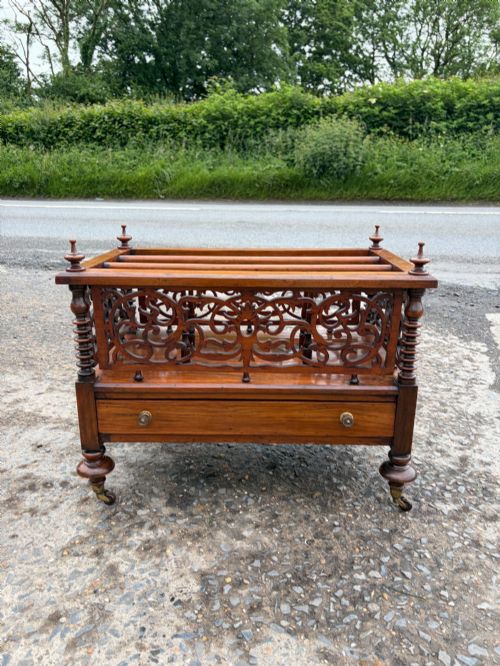
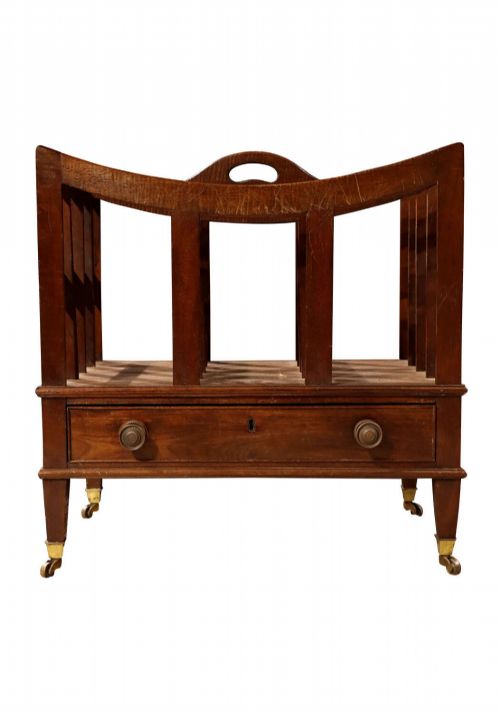
An Edwardian music canterbury is a practical piece designed to hold sheet music and periodicals, bringing period charm and tidy storage to any room.
Edwardian Music Canterbury
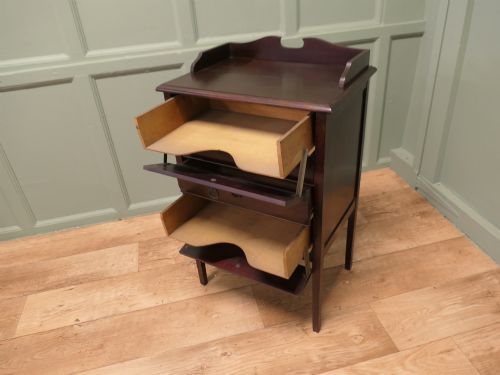
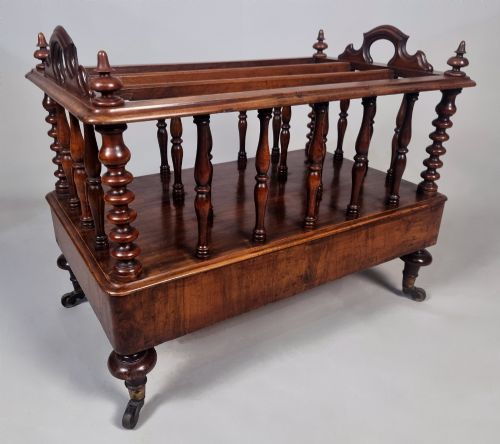
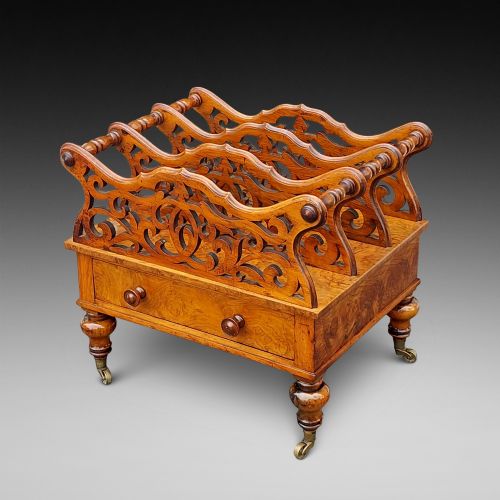
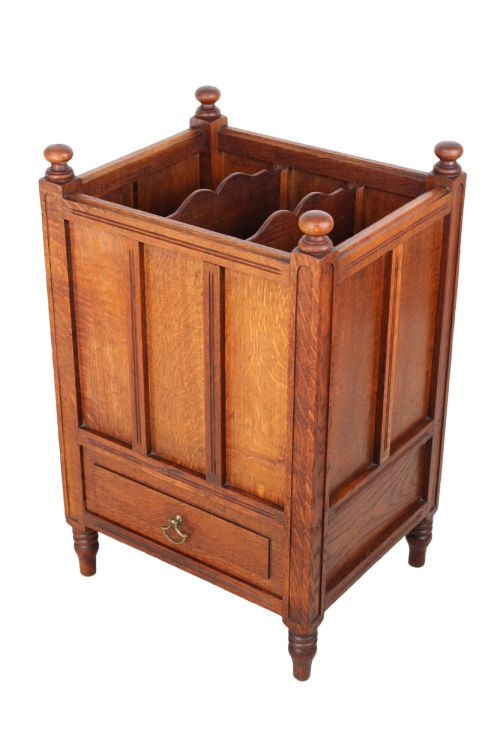
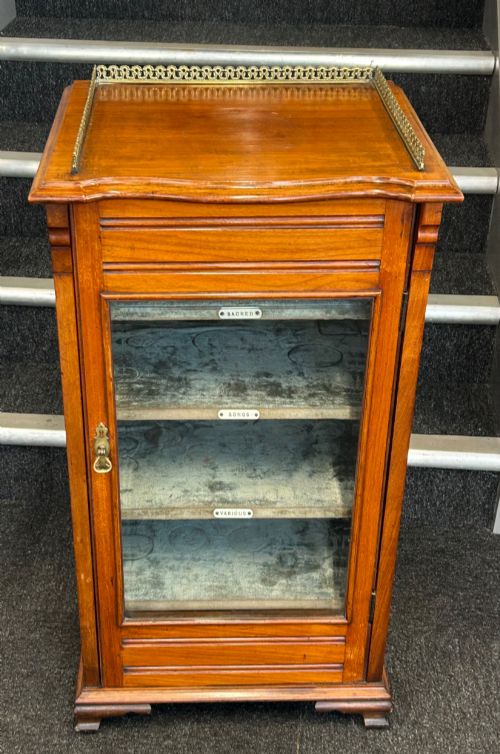
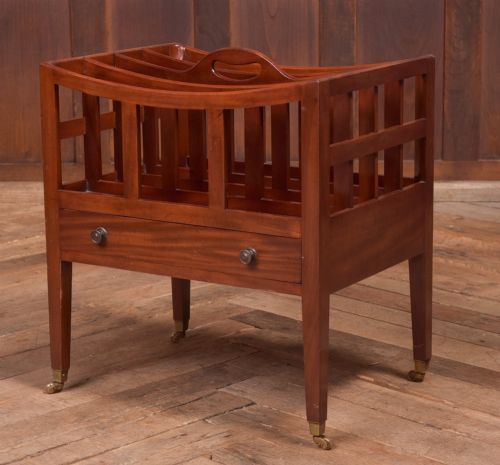
The edwardian music canterbury search phrase leads you to specialised furniture designed to hold sheet music, folios and periodicals. These pieces combine slotted partitions with low frames, often incorporating drawers or lower shelves for additional storage.
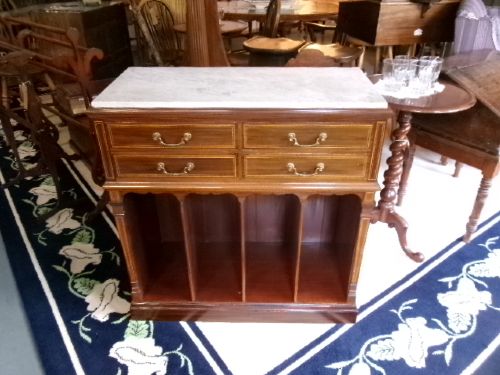
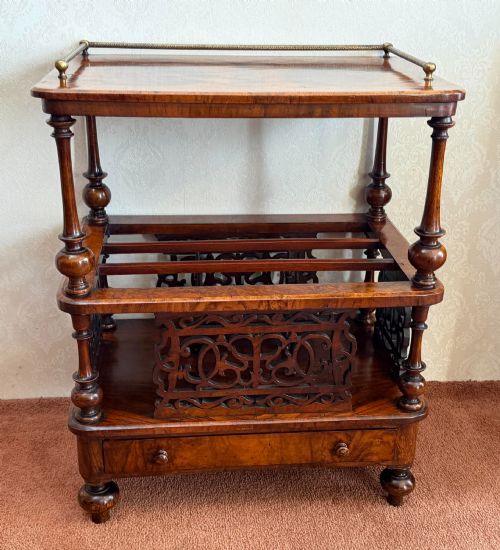
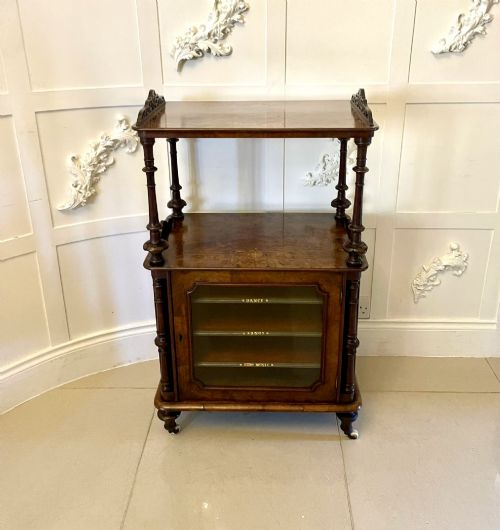
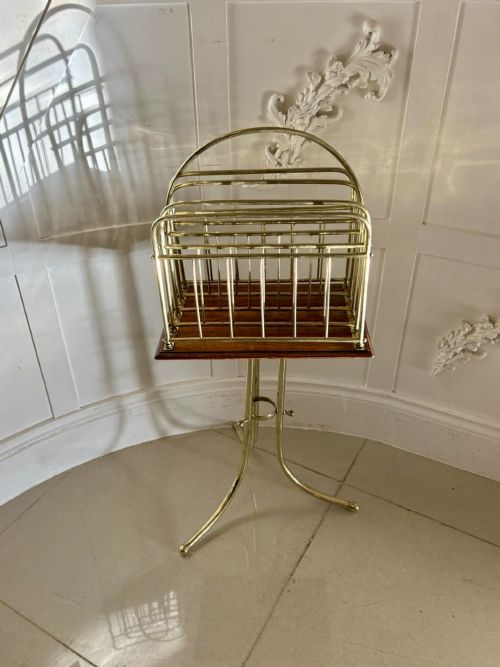
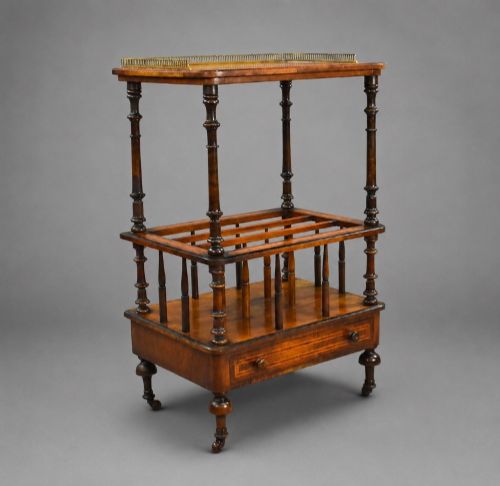
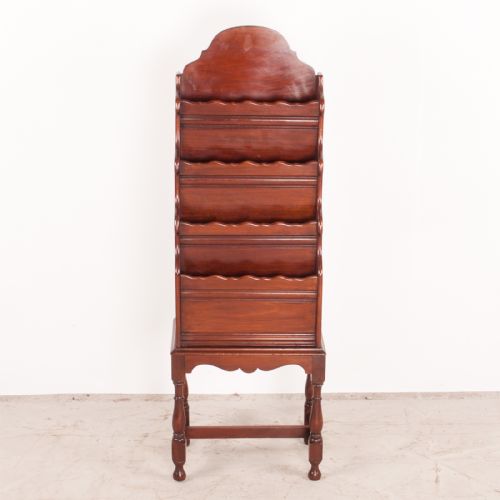
While the title names the Edwardian period, the selection you meet here spans multiple eras including the Victorian period and the Regency period. Alongside traditional canterburys, you will encounter related forms such as music cabinets, magazine racks and whatnot shelves.
Walnut, mahogany and burr walnut dominate the construction, frequently accented with marquetry inlay or brass details. Forms range from low open racks on castors to upright cabinets featuring glass doors or fall fronts.

How they were made
Cabinet makers utilised dense hardwoods such as mahogany, walnut and rosewood for structural integrity and refined visual grain. Burr walnut veneers provided decorative patterned surfaces on top panels and drawer fronts.
Metal components such as brass rods, handles and castors offered functional durability and mobility. Ceramic elements and glass panels appeared on specific cabinet variants for display purposes.
Edwardian Music Canterbury Retail Price Guide 2026
Typical asking prices for edwardian music canterbury among the pieces listed under this phrase on Sellingantiques today, from the lower quarter to the upper quarter. They describe what is for sale here now, not the wider market.
Listings span the Victorian and Edwardian periods, utilising walnut, mahogany, rosewood, brass and ceramic.
What varies in quality
The refinement of timber selection and complexity of inlay distinguish finer examples from simpler workshop output. Matched wood grains and precise marquetry indicate skilled cabinet making.
Hardware choice and structural joinery mark the graduation of quality across periods. Original brass castors, tightly fitted drawer boxes and well-balanced upright frames elevate the status of a piece.
Howard and Sons of London
The Edwardian Music Canterbury Glossary
- Marquetry
- Decorative patterns formed by fitting together small pieces of wood veneer of various colours and grains. This technique often adorns the top surfaces of walnut pieces.
- Whatnot
- An open set of multi-tiered shelves used for displaying ornaments or holding books. These often combine with canterbury bases in late nineteenth century designs.
- Fall Front
- A hinged panel that folds down to create a writing surface or access interior compartments. This mechanism appears on several music cabinet variants.
- Castors
- Small wheel attachments fixed to the legs of furniture to allow easy movement across carpets and floorboards. They are commonly cast in brass.
Edwardian Music Canterbury: Frequently Asked Questions
What is an Edwardian music canterbury?
An Edwardian music canterbury is a small wooden stand featuring vertical divisions designed to hold sheet music upright. They were standard household items for keeping music books organised near a piano.
Over time, these versatile stands adapted to hold modern magazines and periodicals while retaining their compact footprint and decorative framing.
How do you tell a canterbury from a music cabinet?
A traditional canterbury consists of an open framework with slatted vertical partitions for quick access to loose sheets and folios. They usually sit low to the ground on legs with castors.
In contrast, a music cabinet is an enclosed vertical piece featuring doors, drawers or a fall front to protect bound volumes and delicate sheet music from dust.
Where should I place a music canterbury at home?
These pieces fit naturally beside a piano, writing desk or beside seating in a living room. Their narrow proportions allow them to occupy tight corners without crowding the floor space.
They function well as occasional tables, holding a lamp or small objects on the top surface while storing books or magazines underneath.
What woods were used for these pieces?
Cabinet makers relied primarily on mahogany and walnut, often utilising burr walnut veneers for decorative figuring on top surfaces. Rosewood and oak also appear across various production dates.
Inlaid details in lighter woods and brass hardware frequently complement the primary timber structure.