

Edwardian Mirror Furniture
Edwardian mirror furniture brings together bevelled glass and rich timber to brighten hallway and bedroom spaces with functional elegance.
Edwardian Mirror Furniture
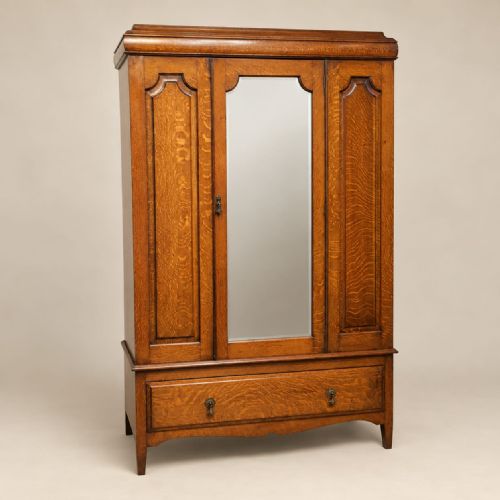
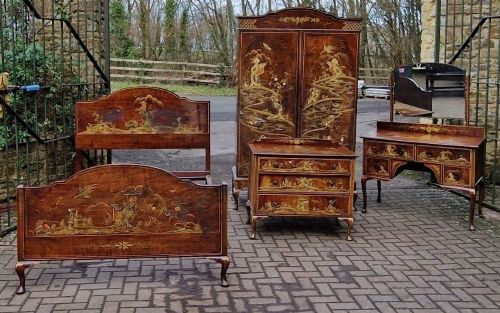
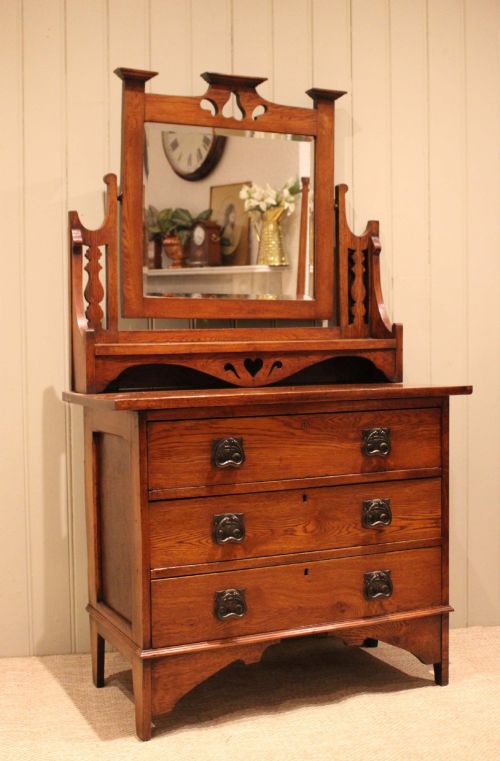
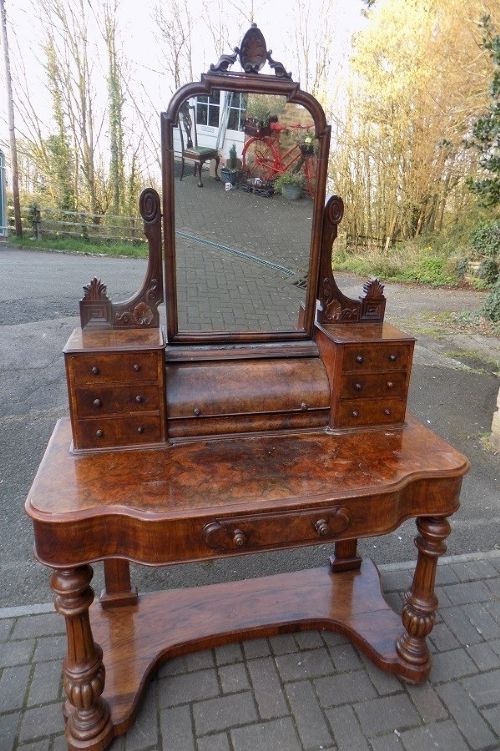
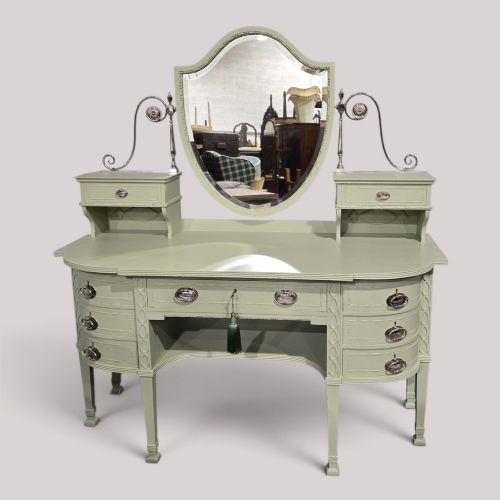
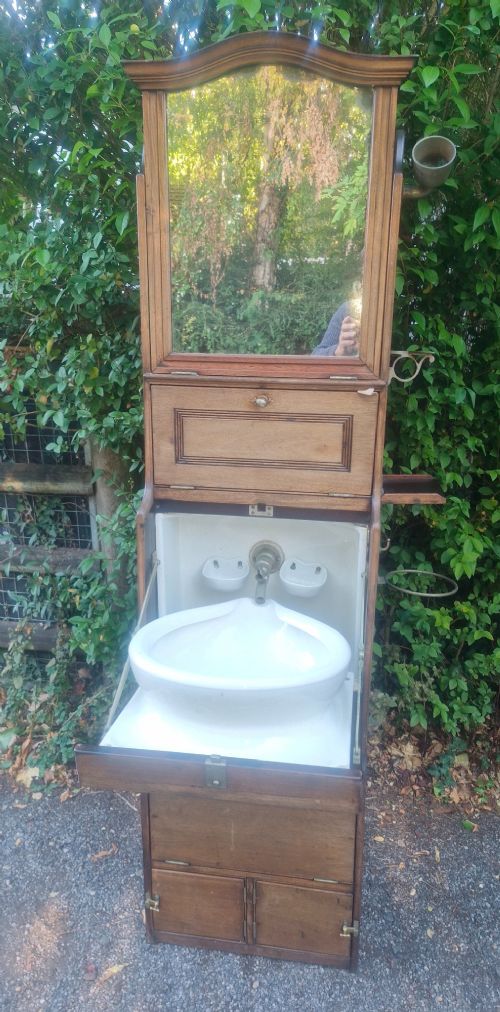
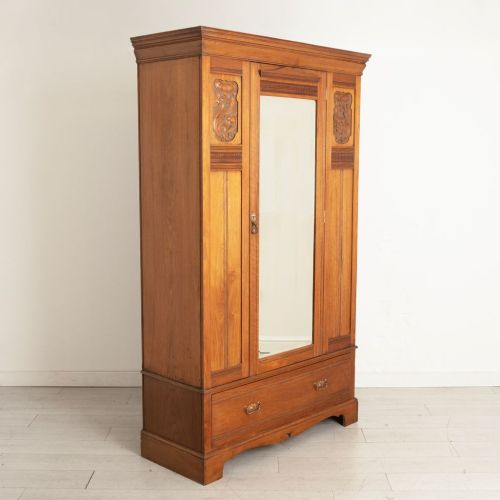
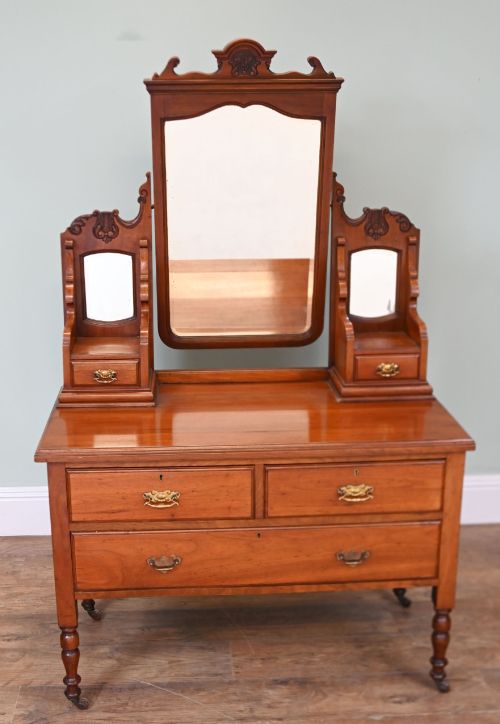
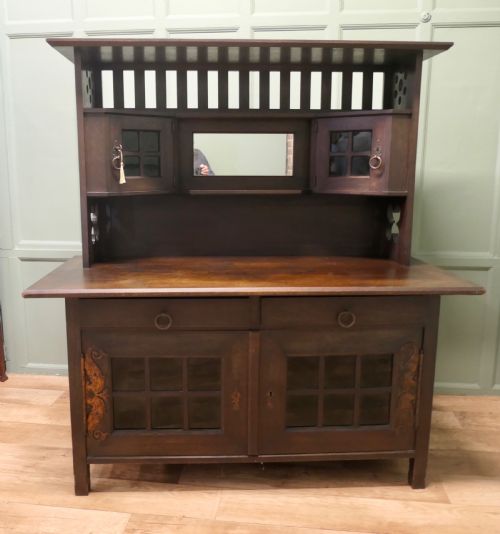
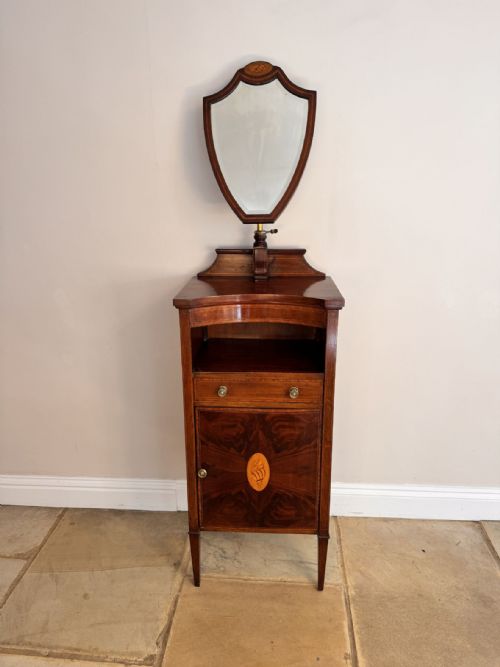
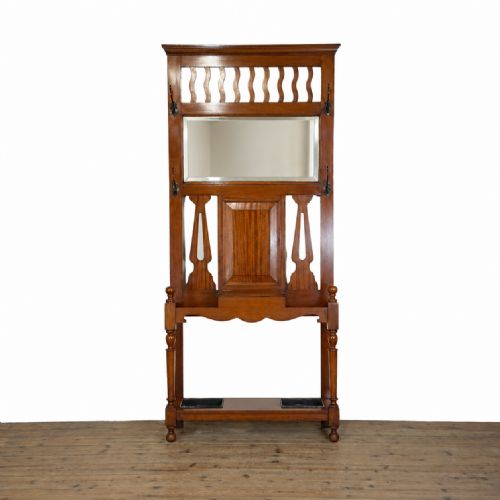
When buyers search for Edwardian mirror furniture, they look for pieces where reflective glass forms a primary functional or decorative element. The selection ranges from hall stands with central mirror plates to large wardrobes featuring panelled mirrored doors.
Mahogany, walnut and satinwood serve as the main timbers, often inlaid with lighter stringing or decorative motifs. Pieces commonly span the Edwardian period and adjacent late Victorian years, reflecting the domestic tastes of the early twentieth century.
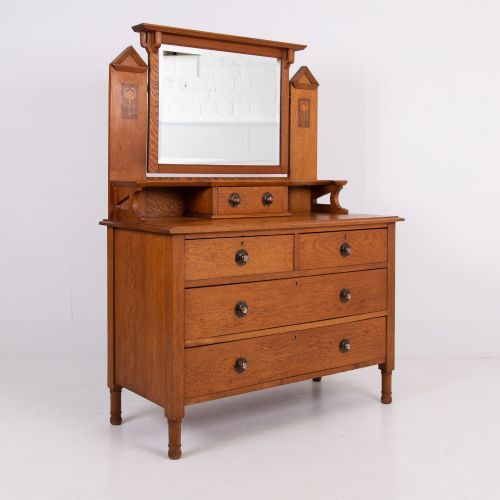
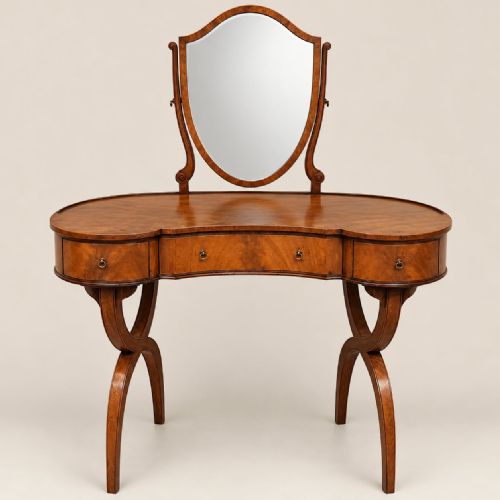
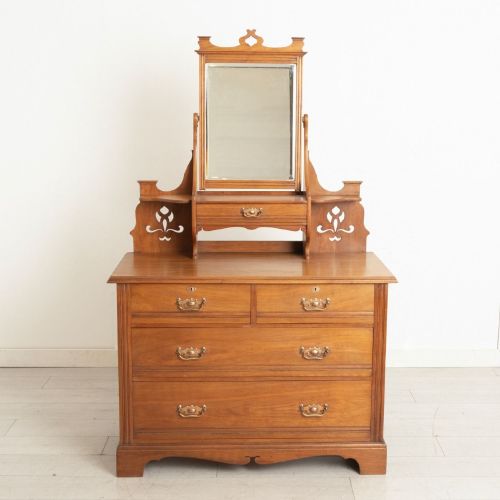
Wardrobes, dressing tables and hall stands represent the most frequent forms encountered on this page. Each type integrates mirror glass to amplify light within domestic interiors while providing storage or dressing utility.
Materials and Construction
Cabinet makers utilised solid and veneered timbers such as mahogany, oak and walnut for the structural carcases. Timber selection dictated the weight and tone of each wardrobe, dressing chest or display cabinet.
Mirror plates were secured into panelled doors and standing frames using traditional rebate and moulding techniques. Brass hardware, including castors and coat hooks, provided functional detailing across hall stands and cheval mirrors.
Edwardian Mirror Furniture Retail Price Guide 2026
Typical asking prices for edwardian mirror furniture among the pieces listed under this phrase on Sellingantiques today, from the lower quarter to the upper quarter. They describe what is for sale here now, not the wider market.
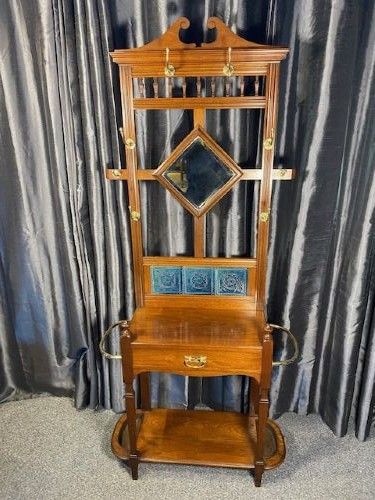
Certain hall stands include integrated umbrella wells designed to catch the British drizzle.
Judgement of Quality
The refinement of timber inlay and the depth of wood carving separate standard utilitarian items from exceptional pieces. Superior examples exhibit precise dovetail joints, carefully selected grain patterns and original bevelled mirror glass.
Maker attribution and integrated design cohesion elevate certain wardrobes and dressing tables above mass-produced contemporaries. Proportion, balance and the retention of original brass fittings dictate the standing of individual pieces.
Shapland & Petter·Leonard Wyburd·Liberty & Co·Flashman & Co·Shoolbred & Co·Waring & Gillows·George Walton
The Edwardian Mirror Furniture Glossary
- Cheval mirror
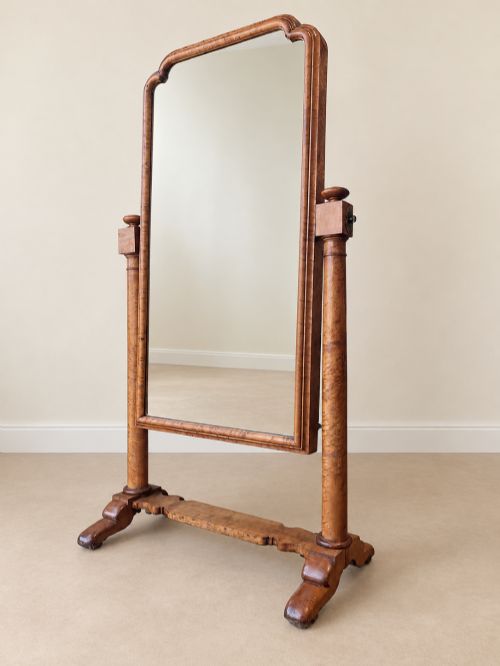
- A full-length mirror hung in a frame that allows it to swing at an angle. These freestanding pieces typically stand on four legs with brass castors.
- Hall stand
- A piece of hallway furniture combining a mirror, coat hooks, glove box and umbrella stands. They were essential fixtures in Edwardian entrance halls.
- Inlay
- A technique where pieces of contrasting timber, shell or metal are inserted into the wood surface to form decorative patterns. Edwardian pieces often use satinwood or boxwood stringing.
- Satinwood
- A durable hardwood with a lustrous, golden sheen utilised for fine furniture and painted decoration. It frequently appears as a contrasting veneer on mahogany carcases.
- Bevelled glass
- A mirror plate with edges ground and polished at an angle to create a framed border effect. This method catches the light and adds depth to the reflection.
Edwardian Mirror Furniture: Frequently Asked Questions
What defines Edwardian mirror furniture?
These items combine reflective glass with functional wooden carcases like wardrobes, dressing tables and hall stands. They utilise timbers such as mahogany, walnut and oak, often detailed with inlaid stringing.
Design influences from the Edwardian period favour light, functional forms that brighten domestic spaces. The integration of mirror plates serves both a practical dressing purpose and a decorative role.
How do I care for antique mirrors?
Maintain mirror glass using a soft cloth and a gentle cleaning solution applied to the cloth rather than directly to the glass. Avoid moisture reaching the silvered backing at the edges.
Protect the surrounding timber carcase with appropriate beeswax and keep pieces away from direct heat sources. Stable humidity prevents the wood from warping around the mirror plate.
How do I distinguish Edwardian from Victorian styles?
Edwardian designs generally exhibit lighter timbers, simpler lines and a brighter aesthetic compared to heavier Victorian counterparts. Inlay work often replaces the dense carving seen in earlier decades.
Proportions became more refined to suit urban homes, while brass hardware and satinwood details grew in popularity. Pieces from the transition years around nineteen hundred frequently blend elements from both periods.