
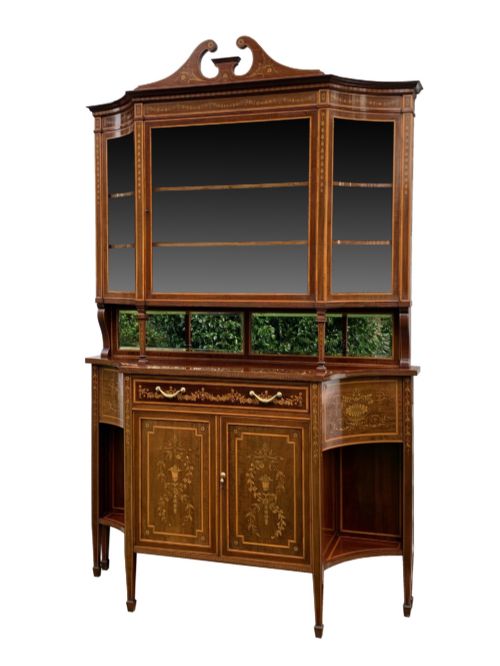
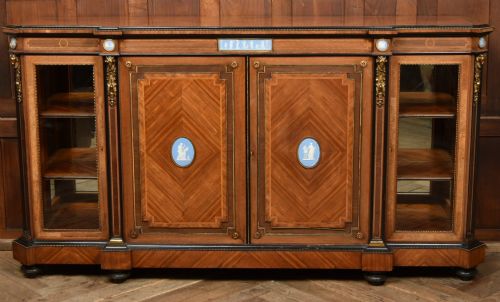
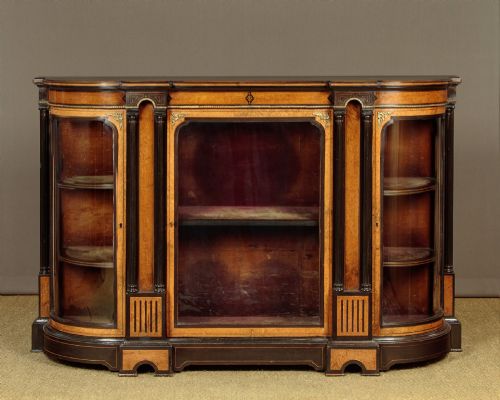
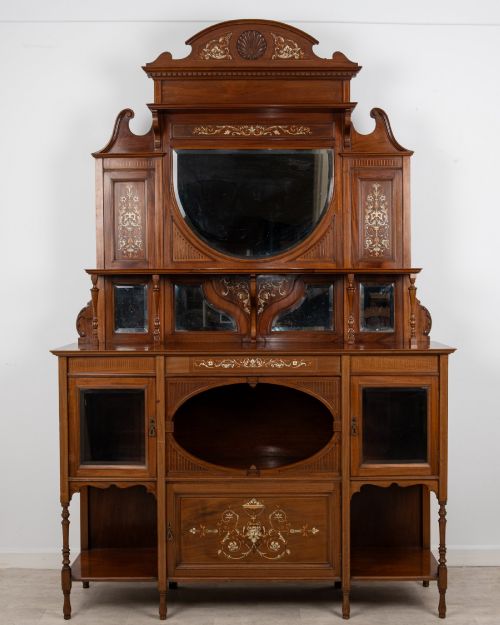
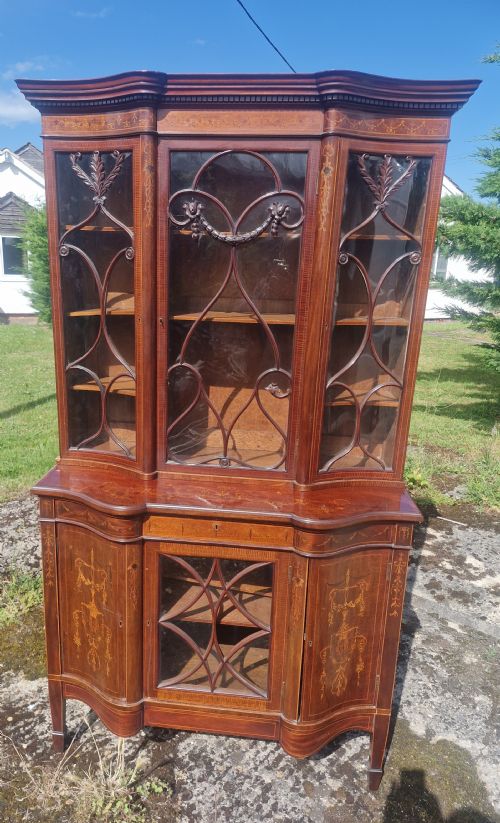
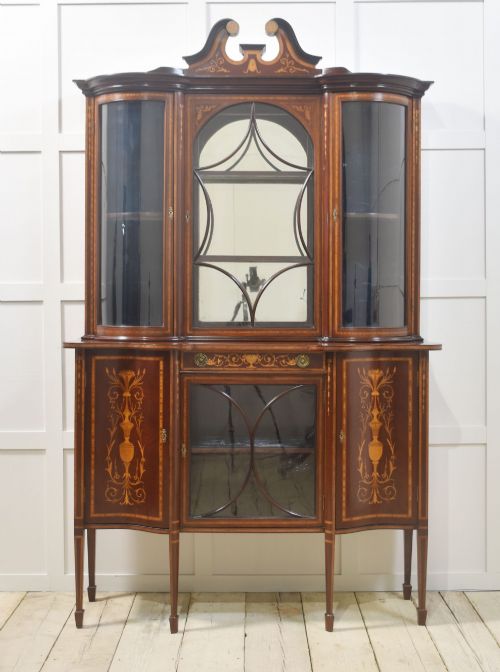
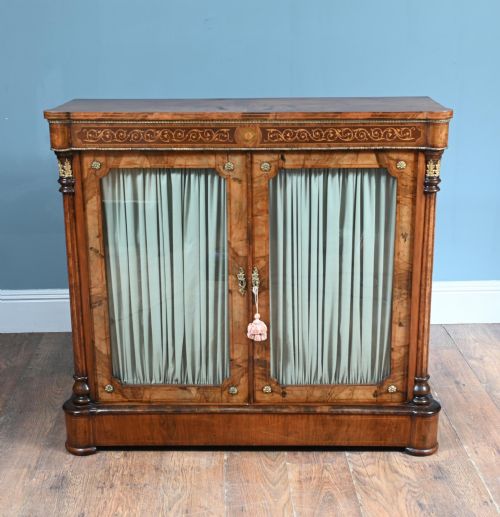

Edwardian Marquetry Sideboard
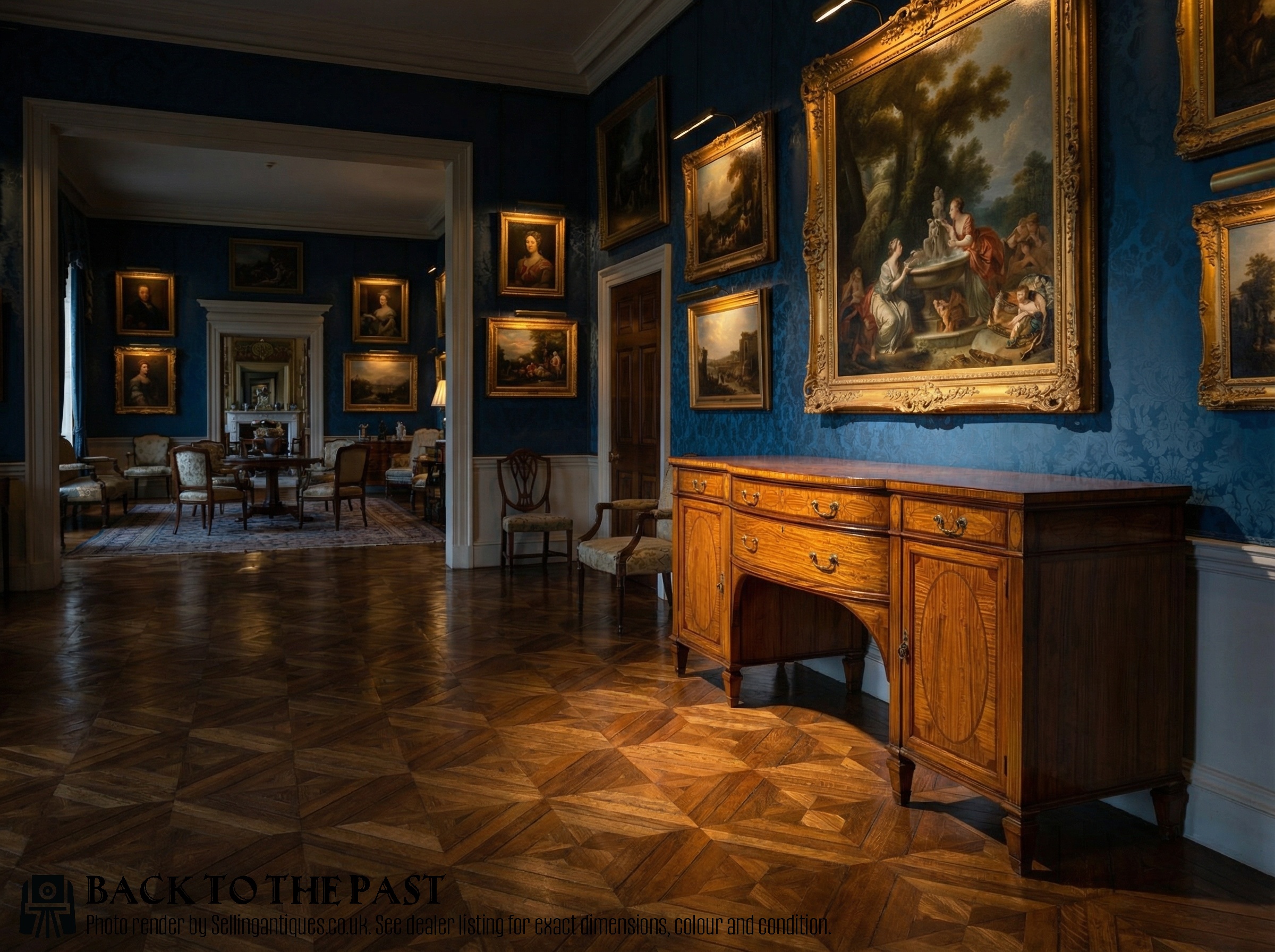
An edwardian marquetry sideboard brings together refined cabinetmaking and botanical inlays, offering a commanding yet elegant focal point for a dining room.
Edwardian Marquetry Sideboard
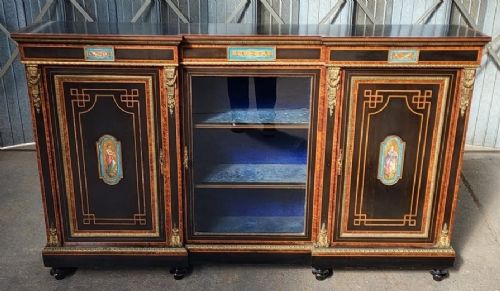
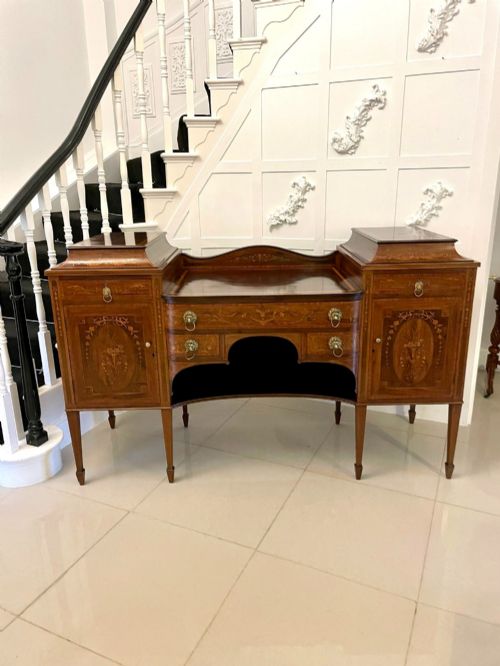
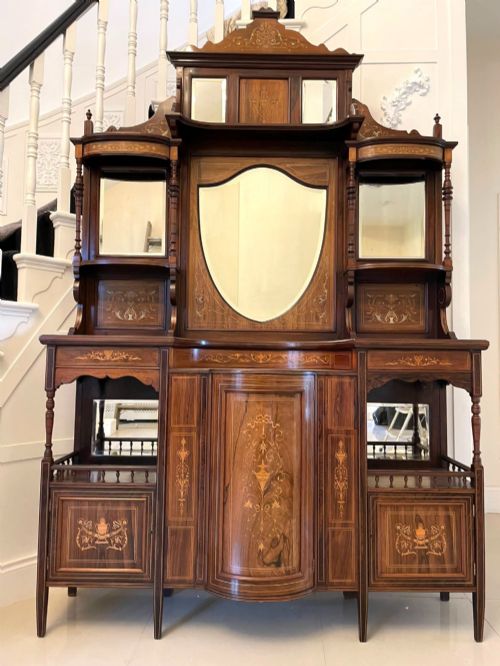
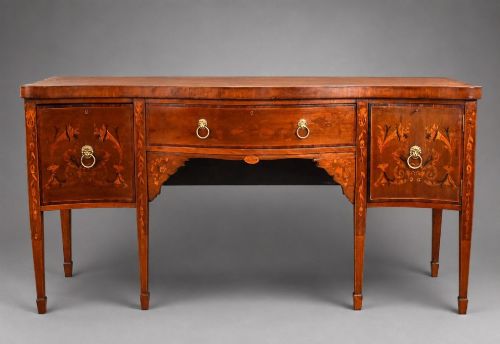
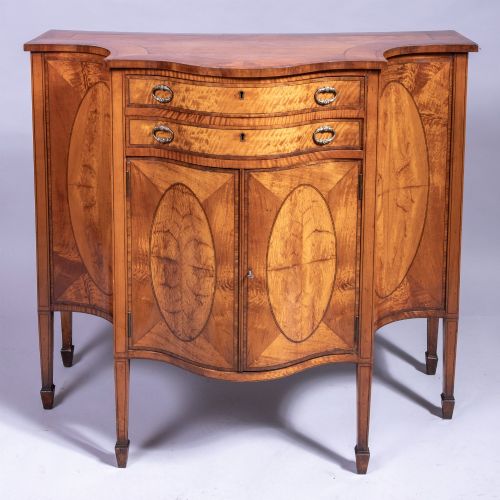
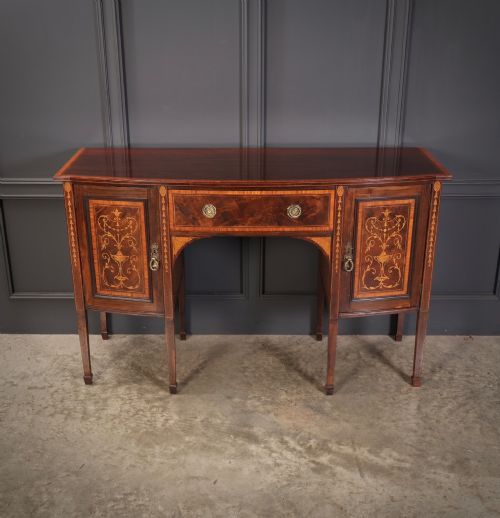
When you search for an edwardian marquetry sideboard, you encounter substantial dining furniture and serving tables rooted in the turn of the twentieth century, alongside related side cabinets and credenzas. The pieces available span Edwardian production as well as Victorian, Sheraton Revival, and George III styles.
Most examples appear in mahogany, satinwood, or rosewood, frequently carrying contrasting wood inlays and botanical motifs. You will also find variations including serpentine fronts, mirror backs, and bow fronts across the selection.
How they were made
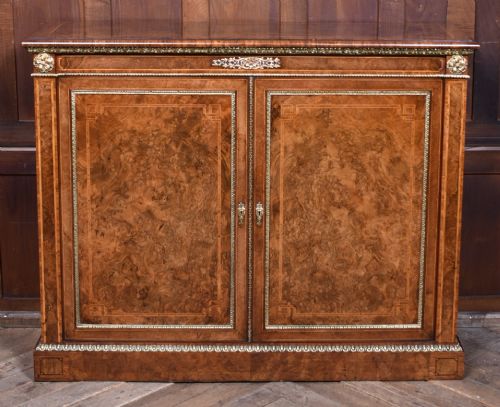
Cabinetmakers constructed these sideboards using sturdy primary timbers like mahogany, rosewood, and oak, overlaid with decorative veneers such as satinwood and burr walnut. Marquetry panels were meticulously hand-cut from contrasting timbers and assembled into floral or geometric patterns.
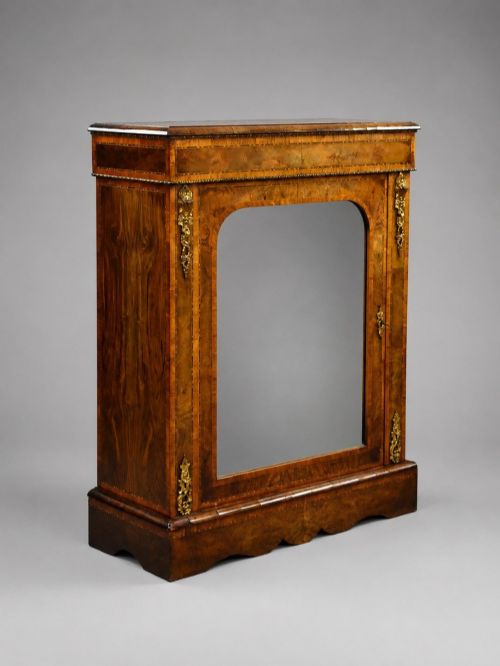
Finishing touches often included cast brass mounts, ormolu details, and inset glass panels for display cabinets, paired with hand-polished surfaces that highlighted the natural grain of the wood.
Listings feature woods ranging from satinwood and rosewood to mahogany, burr walnut, and maple.
What varies in quality
The distinction between standard production and the finest work lies in the precision of the marquetry and the choice of timbers. Exceptional pieces display crisp, intricate inlay work executed in expensive exotic woods without lifting or shrinkage in the veneers.
Secondary structural details also dictate worth, from the thickness of the drawer linings to the weight of the brass hardware and the overall harmony of the revival style proportions.
Hewetsons London·Edwards and Roberts·James Hicks·Maple and Co·Shapland and Petter·Whytock and Reid of Edinburgh
The Edwardian Marquetry Sideboard Glossary
- Marquetry
- Decorative veneer work forming pictures or patterns by arranging small pieces of coloured wood, shell, or ivory onto a structural ground.
- Satinwood
- A durable, lustrous timber with a yellow sheen utilised extensively for fine cabinetmaking during the eighteenth and nineteenth centuries.
- Credenza
- A sideboard or display cabinet, originally featuring low enclosed cupboards, frequently mounted with ormolu and intricate marquetry.
- Serpentine
- A furniture front or edge shaped with a central convex curve flanked by two concave curves.
- Ormolu
- Gilded bronze mounts and decorative trimmings applied to furniture, popular in high-status cabinet pieces.
Edwardian Marquetry Sideboard: Frequently Asked Questions
How do I date an edwardian marquetry sideboard?
Examine the secondary timbers inside the drawers, such as oak or deal, alongside the style of the marquetry and handles. Edwardian pieces generally combine Sheraton Revival motifs with lighter construction methods than their heavier Victorian predecessors.
Compare the carcass construction and leg styles with dated pieces from the same era. Trade labels and maker stamps provide definitive confirmation of the period of manufacture.
Where were sideboards placed in period homes?
Dining room sideboards stood against the principal wall, serving as functional furniture for holding porcelain, silver, and serving dishes during meals. Smaller side cabinets and credenzas found places in drawing rooms and reception halls.
Their finished backs and decorative marquetry allowed them to sit prominently in view rather than being tucked away in service corridors.
How do I care for satinwood and rosewood furniture?
Keep inlaid furniture away from direct sunlight and heat sources to prevent the delicate satinwood and rosewood veneers from drying out and cracking. Dust regularly with a dry cloth and apply occasional high-grade beeswax.
Avoid silicone-based polishes which damage antique French polish and dull the natural lustre of the timbers.
What is the difference between a sideboard and a credenza?
A sideboard is primarily a dining room piece designed for storage and serving, often featuring drawers and cupboards arranged horizontally. A credenza typically refers to a low cabinet lacking legs, enclosed by doors, and associated with Victorian drawing rooms.
Both forms frequently incorporate elaborate marquetry and glass panels depending on the revival style of the maker.