




Edwardian Marble Top Stand
An Edwardian marble top stand brings a solid stone surface into domestic spaces, offering sturdy utility paired with polished classical style.
Edwardian Marble Top Stand
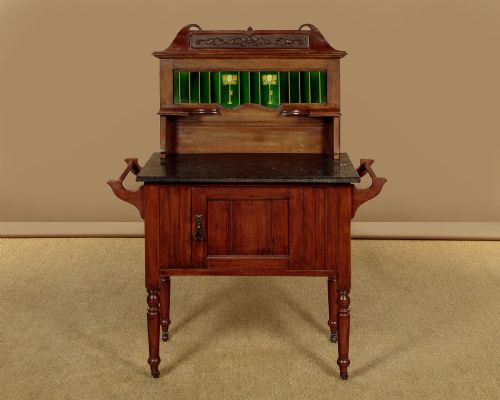
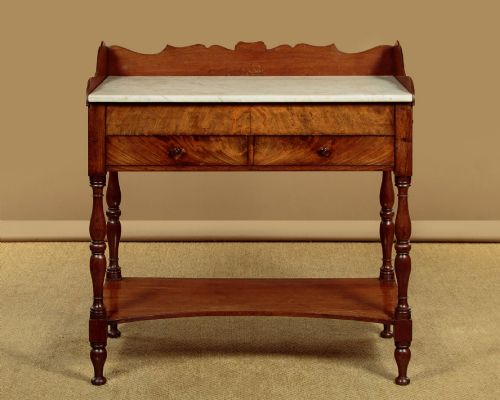
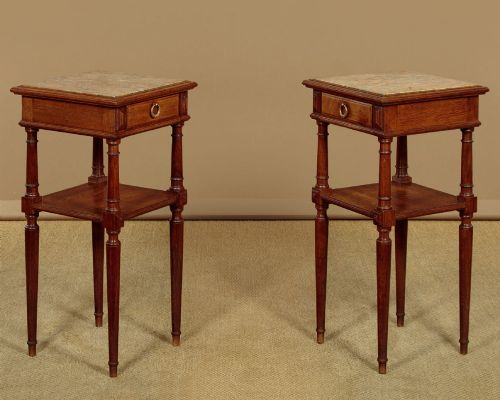
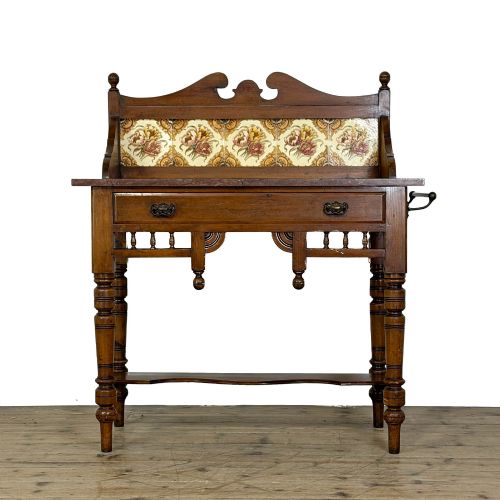
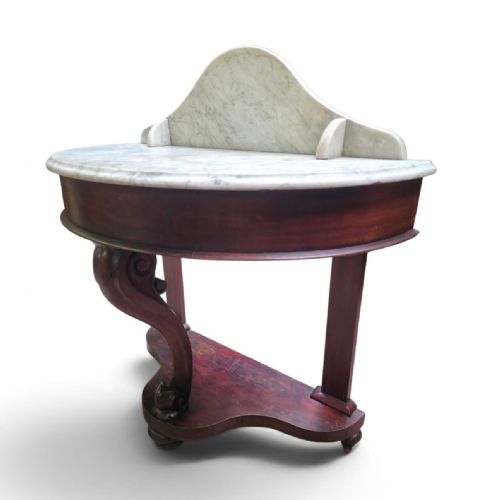
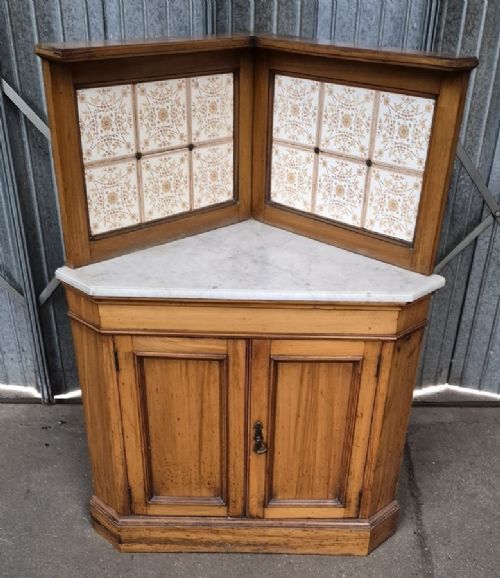
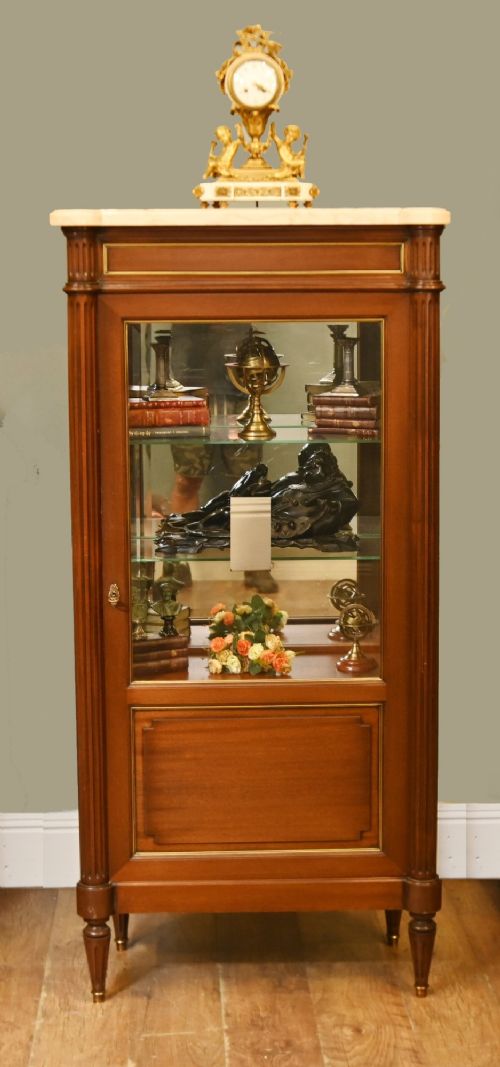
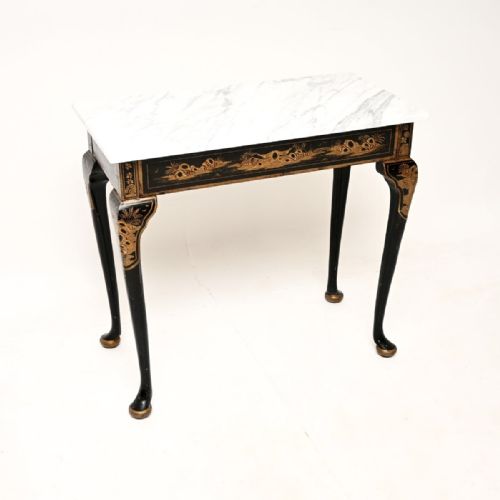
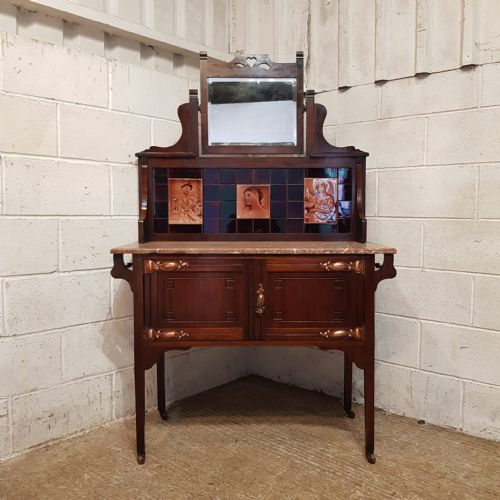
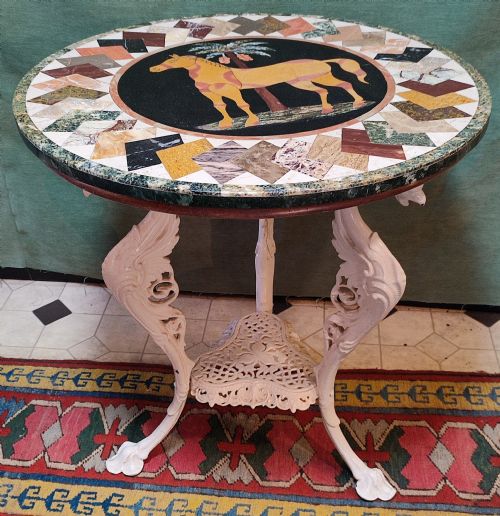
An edwardian marble top stand primarily takes the form of bedroom washstands, plant pedestals, and occasional tables dating from the late nineteenth and early twentieth centuries. These functional pieces combine heavy stone surfaces with wooden or metal frames designed for daily domestic use.
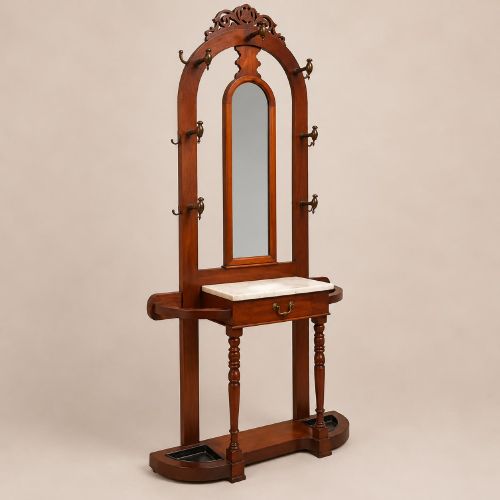
The selection ranges from compact oak and mahogany washstands with tiled splashbacks to slender brass plant stands and cast iron hall stands. Examples span the Victorian and Edwardian eras, incorporating stylistic touches from Arts and Crafts, Art Nouveau, and Classical Revival movements.
Materials and Construction
Makers built the structural frames using timbers such as mahogany, oak, walnut, and satinwood, frequently employing inlay and carved details. Cast iron and brass also appear in supporting roles for tables, plant stands, and hall stands.
Slabs of white, rouge, or Derbyshire fossil marble sit atop these frames, chosen for their liquid resistance and weight. Secondary materials like ceramic tiles and glass occasionally supplement the stone and wood combinations.
Edwardian Marble Top Stand Retail Price Guide 2026
Typical asking prices for edwardian marble top stand among the pieces listed under this phrase on Sellingantiques today, from the lower quarter to the upper quarter. They describe what is for sale here now, not the wider market.
Listings feature marble, mahogany, brass, glass, oak, ceramic, metal, and walnut across Victorian and Edwardian periods.
Quality and Craftsmanship
The distinction between tiers rests on the selection of materials and the crispness of the carpentry, such as tight joinery in mahogany frames and finely figured timber grains. Superior pieces utilise thicker, well-polished marble slabs with interesting veining and secure edge profiles.
Design ambition separates standard utility items from finer examples, with decorative inlay, carved torchere details, or cast iron work indicating a higher workshop standard. The integration of stone with timber requires precise fitting to ensure stability without excessive movement.
Walker & Sons·Gillows·Coalbrookdale
The Edwardian Marble Top Stand Glossary
- Washstand
- A piece of bedroom furniture designed to hold a basin and pitcher, usually featuring a marble top to resist water damage.
- Torchere
- A tall stand or pedestal intended to support a lamp or decorative plant, often highly carved or gilded.
- Aesthetic Movement
- A late nineteenth-century design ethos prioritising visual beauty over narrative meaning, seen here in unusual marble and wood combinations.
- Derbyshire Fossil marble
- A distinctive dark limestone embedded with crinoid fossils, quarried in England and polished for ornamental tabletops.
- Coalbrookdale
- A famous iron foundry known for producing ornate cast iron furniture, umbrella stands, and garden pieces.
Edwardian Marble Top Stand: Frequently Asked Questions
What rooms suit an edwardian marble top stand?
These stands fit naturally into hallways, living rooms, and bedrooms where a durable surface is useful. Their water-resistant stone tops make them practical choices for plant displays or everyday hallway use.
Smaller lamp tables and plant stands occupy tight corners easily. Larger washstands serve well as accent pieces or console tables in reception spaces.
How do I care for the marble top?
Wash the stone surface regularly with warm water and a soft cloth, avoiding harsh acidic cleaners that etch polished marble. Wipe up spills promptly to prevent staining, particularly on paler varieties of stone.
Applying a specialist stone wax periodically helps maintain the sheen and provides a protective barrier against moisture. Lift the slab carefully if separation from the wooden base is required for deep cleaning.
How do I distinguish Victorian from Edwardian pieces?
Victorian examples often display heavier proportions, darker timbers like walnut and mahogany, and more ornate carving or tiled splashbacks. They frequently date from the mid to late nineteenth century.
Edwardian stands tend towards lighter construction, simpler geometric lines, and occasional Arts and Crafts or Art Nouveau influences. The use of satinwood and brighter inlay work frequently characterises this later period.