

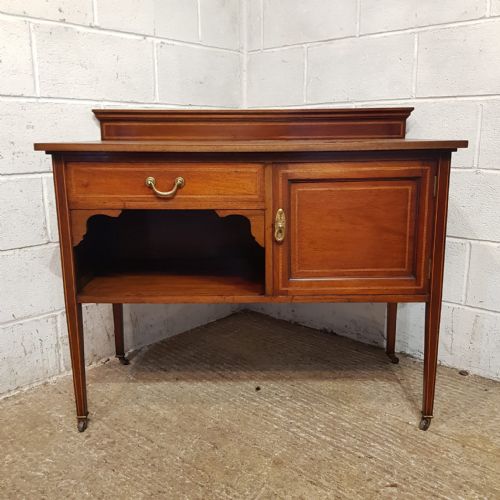


Vintage Bathroom Cabinet
These vintage bathroom cabinet pieces are utilitarian washstands, wall cabinets, and shaving stands that bring genuine period charm to domestic spaces.
Vintage Bathroom Cabinet
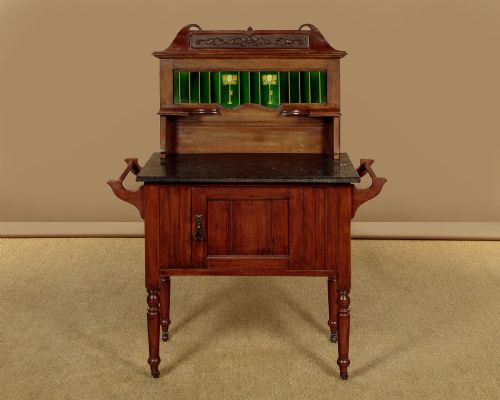
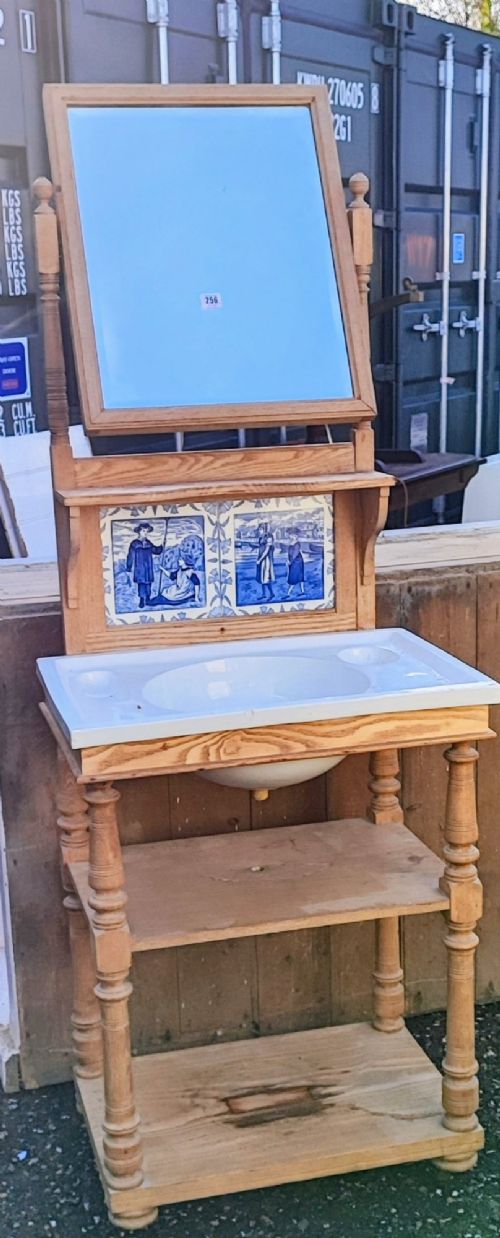
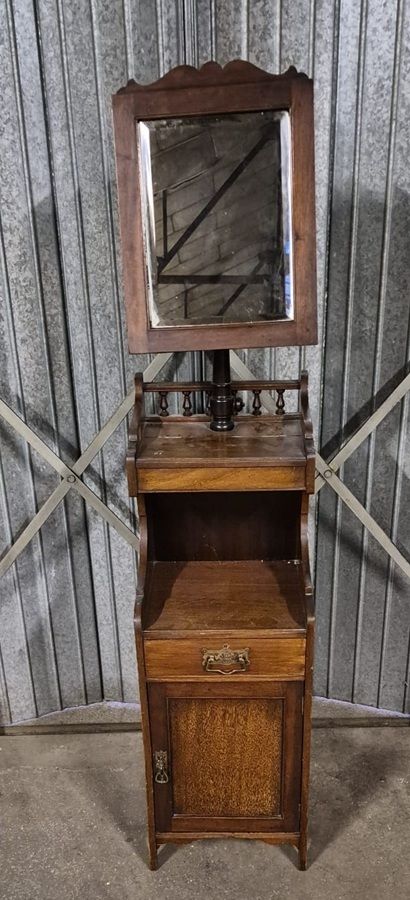
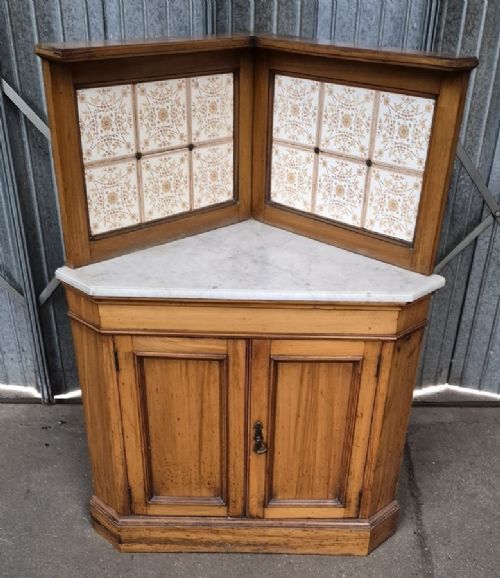
When you search for vintage bathroom cabinet pieces, you encounter washstands, wall-hanging cabinets, and shaving stands dating from the Victorian and Edwardian eras. These domestic items served the daily hygiene needs of households before modern plumbing fixed bathroom suites in place.
The most common forms on this page are marble top washstands and wall cabinets executed in mahogany, walnut, oak, and pine. Many incorporate ceramic tiles, mirrors, and brass fittings alongside traditional timber construction.
How they were made
Cabinetmakers utilised dense hardwoods like mahogany and walnut alongside softer timbers such as pine and ash to construct these washstands and wall cabinets. Timber panels were frequently joined with attention to durability in damp environments.
Slab marble served as a hygienic top surface for washstands, paired often with ceramic tiles for splashbacks and brass hardware for handles and towel rails. Glass was integrated into shaving mirrors and cabinet doors.
Vintage Bathroom Cabinet Retail Price Guide 2026
Typical asking prices for vintage bathroom cabinet among the pieces listed under this phrase on Sellingantiques today, from the lower quarter to the upper quarter. They describe what is for sale here now, not the wider market.
What varies in quality
The distinction between standard and superior pieces rests on the choice of materials, such as figured walnut or heavy slab marble, and the finesse of inlay work like satinwood. Cabinetmaker execution in drawer dovetailing and wood jointing also sets better examples apart.
Regional vernacular pieces built from rustic pine contrast with sophisticated urban furniture bearing recognised workshop attributions. The presence of original bevelled glass, ceramic tiles, and matching brass fixtures elevates a piece considerably.
Walker and Sons·Gillows
The Vintage Bathroom Cabinet Glossary
- Washstand
- A piece of bedroom or bathroom furniture designed to hold a basin, jug, and washing accessories. These frequently feature marble tops and tiled splashbacks.
- Shaving Stand
- A specialised adjustable or fixed stand incorporating a mirror and small shelf space for shaving equipment. They date predominantly from the Victorian period.
- Wall Cabinet
- A hanging storage unit equipped with doors or open shelves for personal grooming items. Edwardian examples often include mirrored doors.
- Marble Top
- A stone slab fitted to the upper surface of a washstand to provide a water-resistant counter. White and grey veined varieties are typical.
- Arts and Crafts
- A design movement prioritising traditional craftsmanship and simple forms over mass production. Pieces from this style often display honest construction and minimal ornamentation.
Vintage Bathroom Cabinet: Frequently Asked Questions
What is a vintage bathroom cabinet?
These items are period furniture pieces like washstands, wall cabinets, and shaving stands made during the Victorian and Edwardian eras. They functioned as the primary washing and grooming stations before built-in bathrooms became standard.
Today, buyers use them to add character and practical surface space to modern bathrooms or bedrooms. Their diverse forms reflect the shifting domestic habits of the nineteenth and early twentieth centuries.
How were these cabinets used?
Washstands held heavy ceramic basins and ewers for daily washing before running water was common in bedrooms. Wall cabinets and shaving stands organised razors, mirrors, and personal care products.
In modern settings, washstands frequently adapt to hold modern vessel sinks and plumbing. Wall cabinets serve their original purpose for storing toiletries in compact spaces.
How do I live with one?
Living with these pieces involves appreciating their period materials, such as marble, brass, and polished hardwoods, while accommodating their historical dimensions. Regular waxing protects wooden surfaces from moisture.
Marble tops require simple sealing to prevent stains from modern cosmetics and soaps. Their robust construction suits daily use in contemporary homes.
How do I tell periods apart?
Victorian pieces often display heavier mahogany or walnut construction with darker finishes and formal detailing. Edwardian examples tend to feature lighter timbers, satinwood inlay, and simpler Arts and Crafts influences.
Looking at hardware, tile designs, and leg turning helps assign pieces to specific decades between the mid-nineteenth century and 1910.