


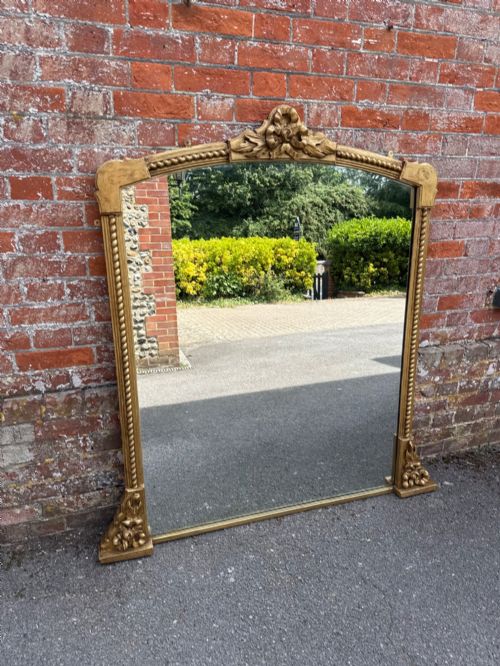
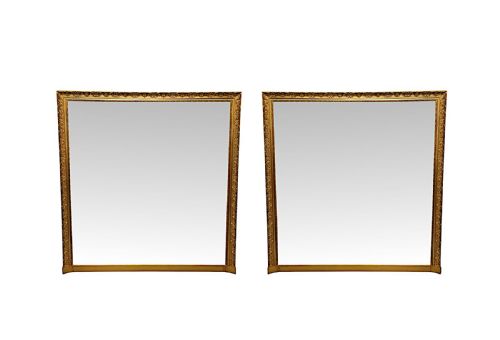
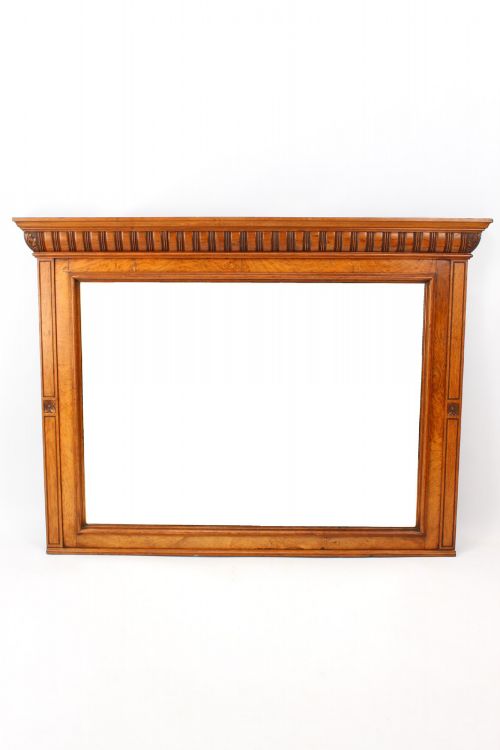
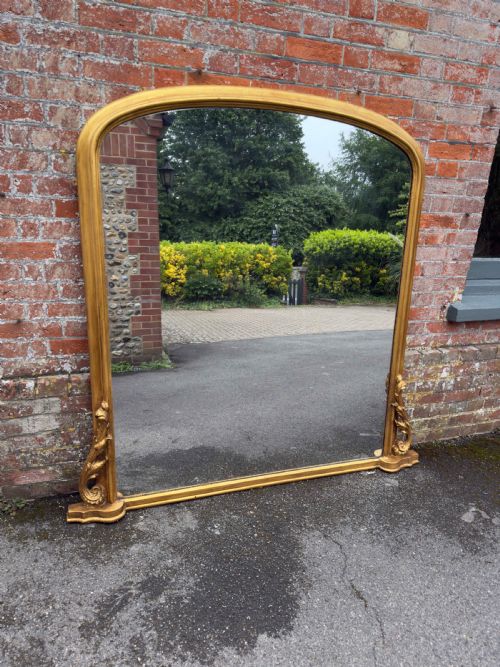


Edwardian Mantel Mirror
An edwardian mantel mirror brings a room together above a fireplace, reflecting light and adding period character to a chimney breast.
Edwardian Mantel Mirror
An edwardian mantel mirror is a large wall-hanging or overmantel glass designed specifically to sit above a fireplace hearth. These pieces anchor a room's main focal point, using their scale and frame design to draw the eye upward.
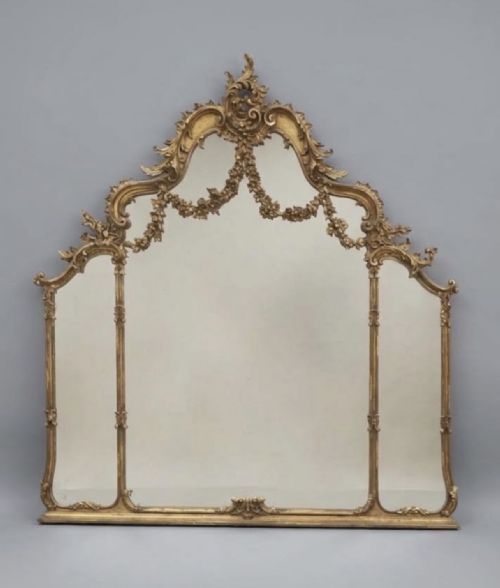
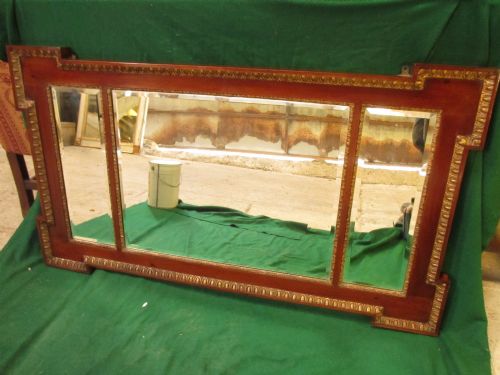
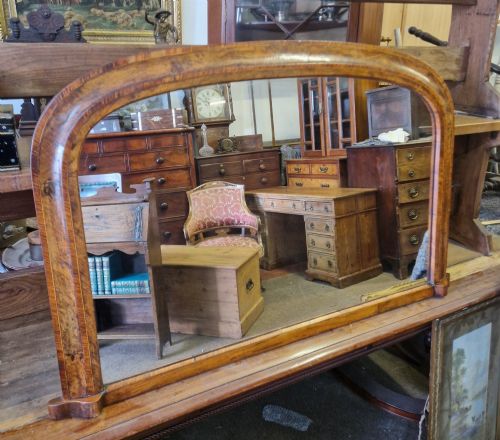
The selections available range from simple mahogany and oak frames to elaborate inlaid rosewood, painted finishes, and giltwood. Many examples incorporate marquetry or satinwood details, reflecting the diverse revival styles favoured during the period.
Beyond the Edwardian era itself, the selection includes related Victorian and early twentieth-century interpretations. Overmantel mirrors and architectural wall mirrors from adjacent decades frequently share the same heavy proportions and mantel placement.
How They Were Made
Makers constructed the structural frames using native and imported timbers such as mahogany, oak, walnut, and rosewood. Joinery relied on traditional methods to support the considerable weight of large glass plates.
Giltwood and gesso pieces required skilled moulding over carved wood bases to achieve intricate surface ornamentation. Artisans applied thin layers of gold leaf or paint to these relief details to create a luminous finish.
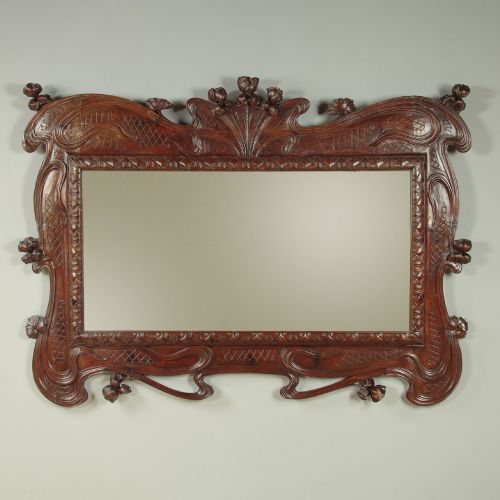
Decorative embellishments often featured marquetry inlay, satinwood banding, or painted motifs. Some workshop designs incorporated metal plaques or carved botanical motifs characteristic of the era's taste.
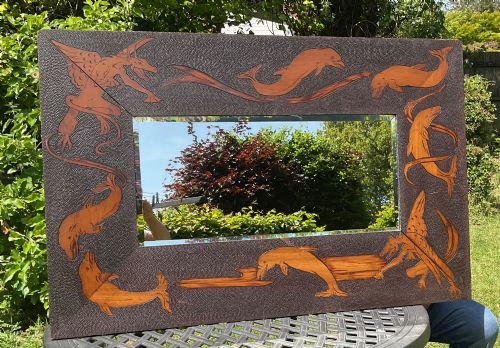
Dragon and dolphin motifs occasionally swim across the woodwork to watch over the mantelpiece.
What Varies in Quality
The depth and execution of the carved wood or gesso ornamentation separate standard production from finer workshop pieces. Crisp, undercut details in the moulding show a higher degree of artisan skill than soft, pressed composition ornaments.
The choice of primary timber and the complexity of the veneer work dictate the refinement of the piece. Fine mahogany, figured walnut, or intricate marquetry inlay indicate a more expensive original commission.
The preservation of the original glass plate and backing boards contributes significantly to historical integrity. Mirrors that retain their early mercury or silvered glass show an authentic depth that replacement plates lack.
The Edwardian Mantel Mirror Glossary
- Overmantel mirror
- A large looking glass specifically proportioned to hang on the wall directly above a mantelpiece. These frames often feature flat bases or shaped tops designed to follow architectural lines.
- Gesso
- A plaster-like mixture applied to wood frames and carved or moulded into relief decorations before gilding or painting. It provides a smooth base for intricate surface ornament.
- Marquetry
- Decorative patterns formed by fitting together contrasting veneers of wood, shell, or ivory onto a structural background. This technique creates detailed pictorial or geometric designs on the frame surface.
- Pier mirror
- A tall looking glass designed to hang on the wall space between two windows, though often grouped with mantel mirrors due to similar proportions.
- Mercury plate
- An older type of mirror glass made by applying a tin and mercury amalgam to the back of the glass sheet. It produces a characteristic mottled reflection and a slightly dark, shimmering depth.
Edwardian Mantel Mirror: Frequently Asked Questions
Can these mirrors be placed on top of a mantelpiece?
Many overmantel mirrors feature flat bottom rails allowing them to rest directly on the wooden shelf of a fire surround. When placed this way, the frame is usually secured to the wall with discreet safety brackets to prevent tipping.
Alternatively, you can hang the mirror a few inches clear of the shelf to protect the frame from direct heat rising off the mantel.
How do I tell an Edwardian mirror from a Victorian one?
Edwardian frames generally lean towards lighter mahogany, inlaid satinwood marquetry, and simpler proportions influenced by Sheraton and Regency revivals. Victorian examples often favour heavier carved oak, ebonised finishes, or massive giltwood gesso mouldings.
Examining the secondary woods on the backboards and the style of the decorative motifs helps clarify the exact period of manufacture.
How do I clean antique mirror glass?
Wipe the glass gently with a soft microfibre cloth dampened slightly with distilled water or mild vinegar solution. Avoid spraying liquid directly onto the glass surface, as moisture can seep behind the plate and damage the silvering.
Keep cleaning solutions away from the wooden or gilt frame entirely to protect aged finishes and gesso details from moisture damage.