
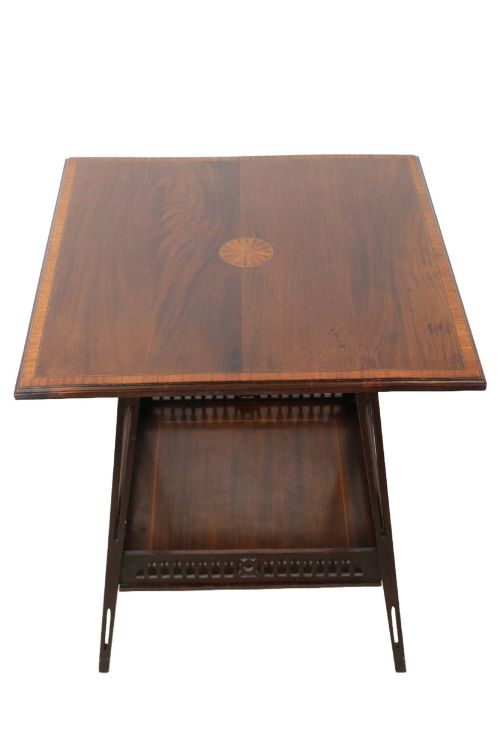
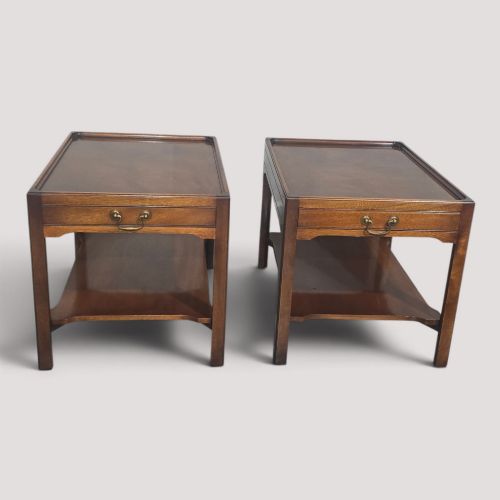
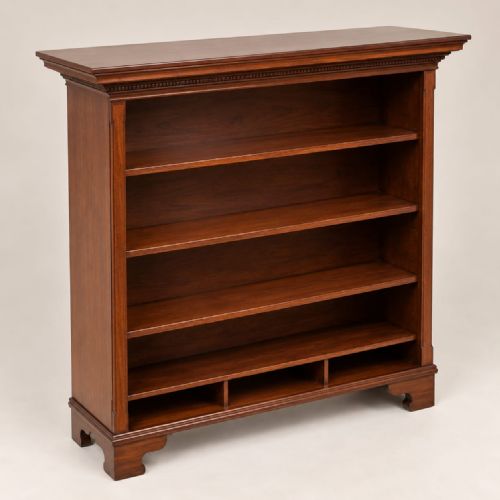
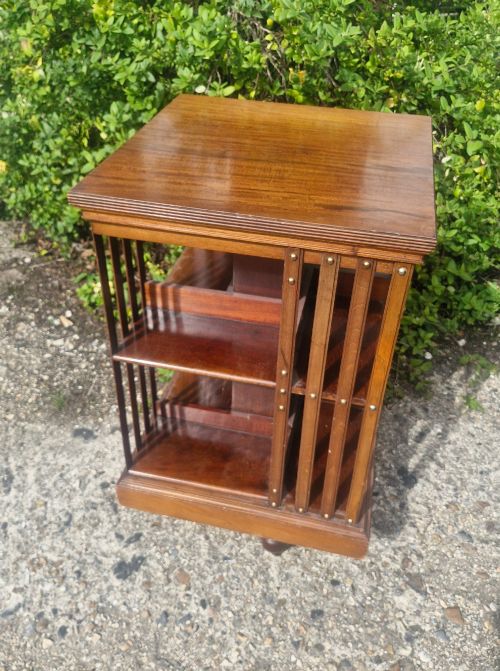
Edwardian Mahogany Shelves
These edwardian mahogany shelves bring structured display and practical storage to a room through traditional cabinet-making.
Edwardian Mahogany Shelves
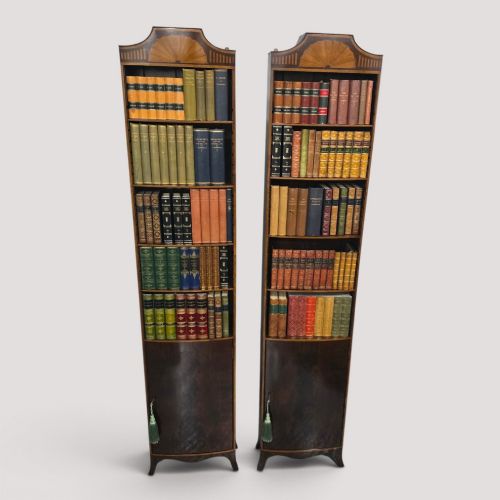
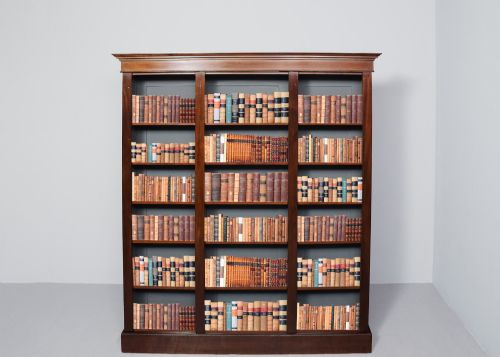
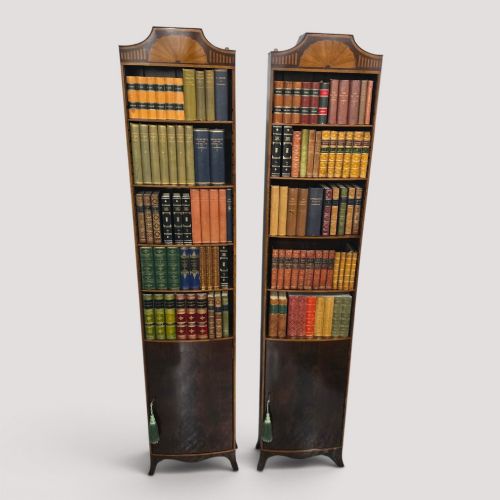
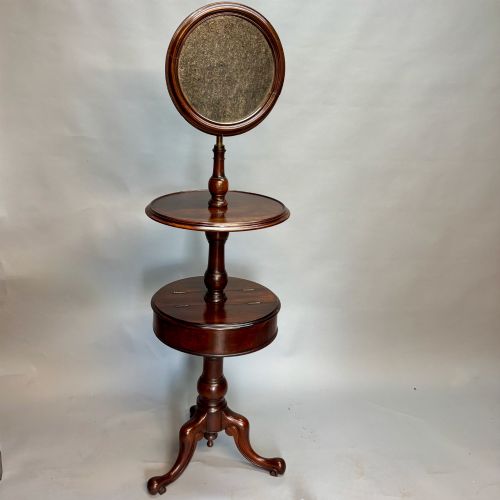
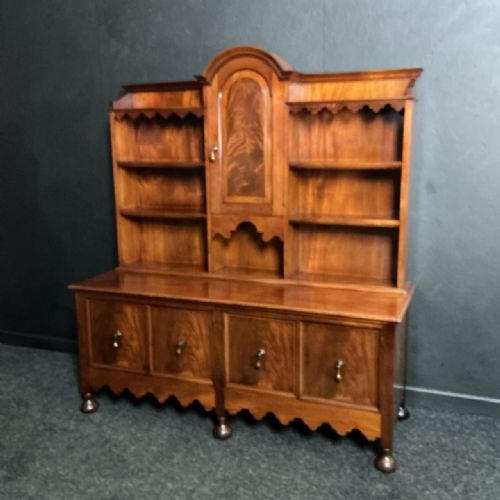
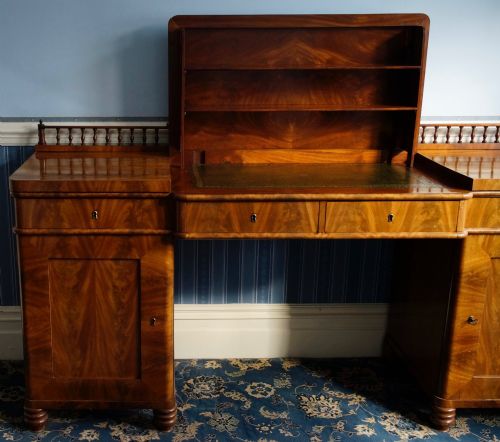
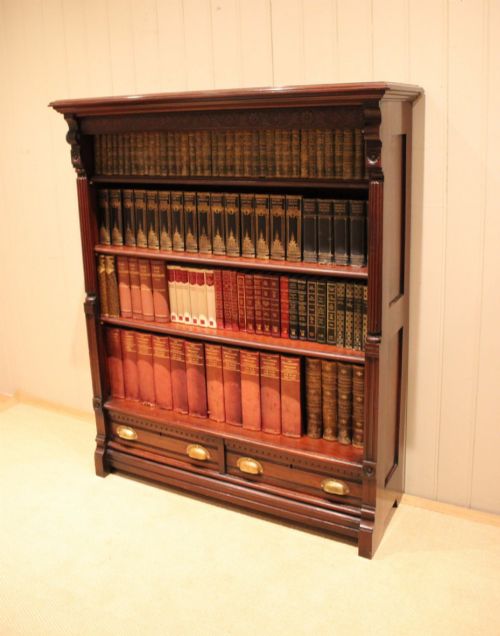
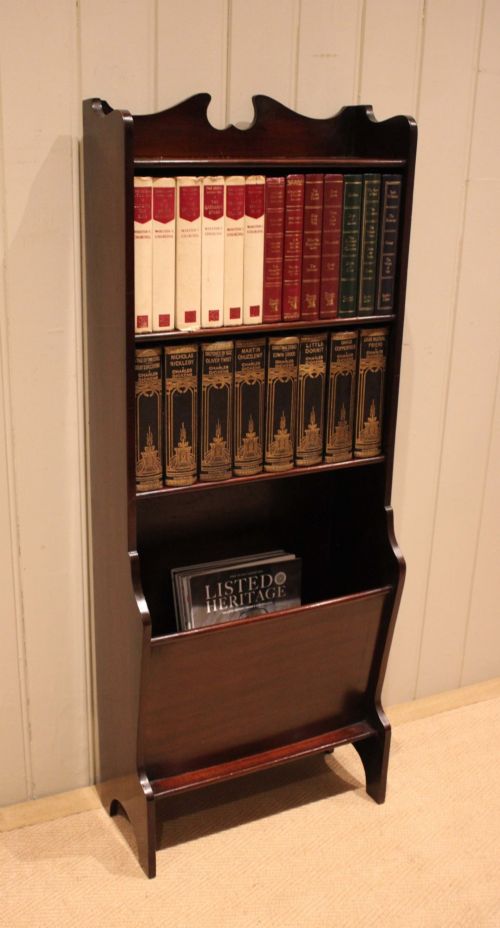
When you search for edwardian mahogany shelves, you encounter a variety of functional pieces designed for domestic display and storage. The selection spans wall-mounted variations, standing open bookcases, and display cabinets originating from the late nineteenth and early twentieth centuries.
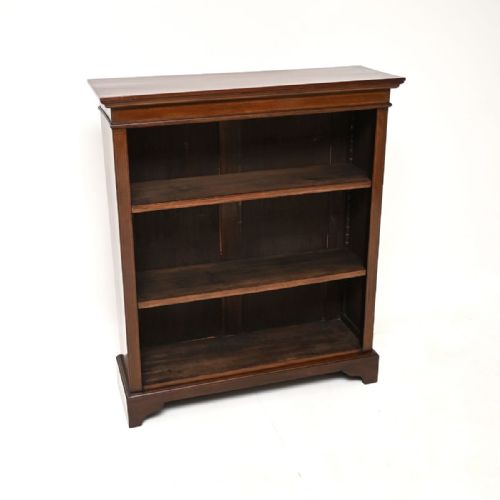
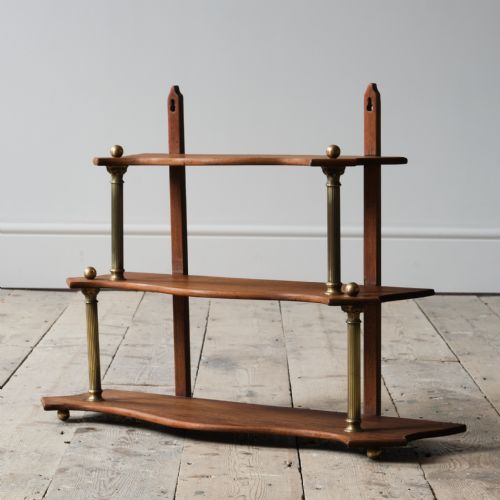
The versions most frequently met on this page include open bookcases with adjustable tiers, wall-hanging bookshelves, and cabinets combining glazed sections with open storage. These items reflect the domestic requirements of the Edwardian period alongside earlier Victorian influences and later revival styles.
Materials and Construction
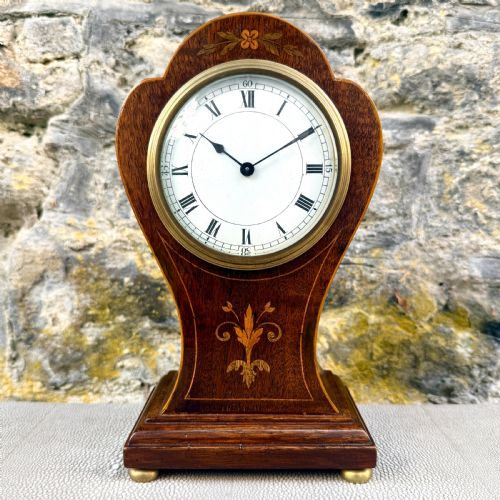
Makers utilised solid and veneered mahogany as the primary timber, often enhanced with contrasting stringing and decorative elements in boxwood and satinwood. Construction frequently incorporated brass hardware such as castors and hinges, alongside glass panels for display doors.
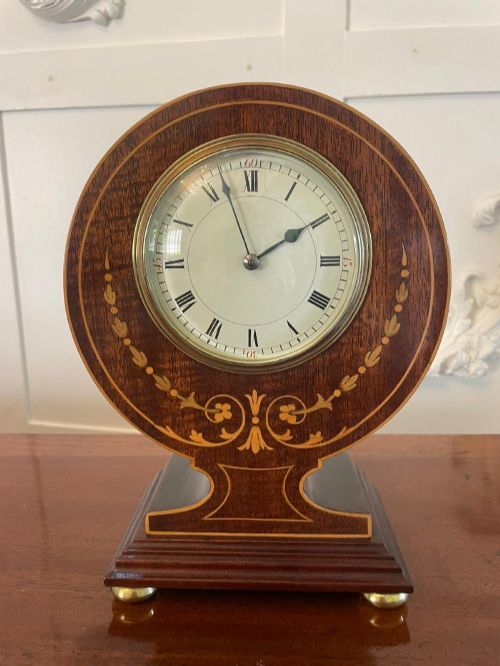
Joinery methods prioritized durability, seen in adjustable shelf mechanisms and structured framing designed to support heavy volumes. Inlay techniques applied geometric and floral motifs to the wood surfaces, following prevailing Sheraton and Arts and Crafts design aesthetics.
Listings feature mahogany, brass, glass, and satinwood across pieces spanning the Victorian and Edwardian eras.
Quality and Proportion
The standard of a piece depends upon the depth of the timber grain, the precision of the wood inlay, and the integrity of the structural joinery. Finer examples display balanced proportions and careful integration of secondary woods like satinwood.
Execution of detail separates standard utility furniture from finer items. Elements such as adjustable shelving mechanisms, well-cast brass fittings, and clean lines distinguish the upper tier of these furnishings.
Trevor Page & Co·Tudor & Burrey
The Edwardian Mahogany Shelves Glossary
- Waterfall bookcase
- A standing or hanging set of shelves that steps back progressively from bottom to top. This form maximises wall space while providing graduated tiers for display.
- Inlay
- A technique where contrasting materials like boxwood or satinwood are inserted into recesses within the mahogany surface. This method creates decorative borders and patterns.
- Revolving bookcase
- A low shelving unit mounted on a rotating spindle base. It allows books to be accessed easily from multiple angles in a room.
- Glazed display cabinet
- A cabinet featuring glass panel doors designed to protect delicate objects while keeping them visible. These often include adjustable wooden or glass shelves.
- Adjustable shelves
- Shelves that can be moved to different heights using internal track systems or movable brackets. This system accommodates books and items of varying sizes.
Edwardian Mahogany Shelves: Frequently Asked Questions
How do I mount wall hanging shelves?
Hanging shelves require secure attachment to wall studs or the use of appropriate wall anchors capable of supporting the weight of the timber and books.
Ensure the fixing points align with the structural brackets or hanging loops provided on the back of the specific piece.
Are these shelves suitable for heavy books?
Many of these pieces were built with solid mahogany and reinforced joints specifically to hold substantial volumes. Units featuring adjustable wooden shelves offer sturdy support for extensive libraries.
Lighter wall-mounted versions suit smaller collections and decorative items rather than encyclopedias.
How do I distinguish Edwardian from Victorian styles?
Edwardian pieces generally exhibit lighter proportions, brighter mahogany tones, and refined inlay work influenced by Sheraton revivals. Victorian items tend to feature heavier construction, darker finishes, and more robust ornamentation.
Overlap occurs around the turn of the century, blending characteristics from both eras.
How should I care for mahogany surfaces?
Maintain the timber by dusting regularly with a soft, dry cloth to prevent particulate accumulation. Apply a quality beeswax periodically to nourish the grain and preserve the finish.
Avoid placing these items in direct sunlight or near heat sources to prevent the wood from warping.