
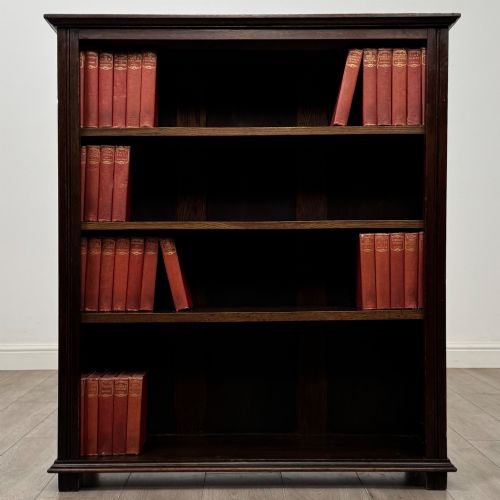
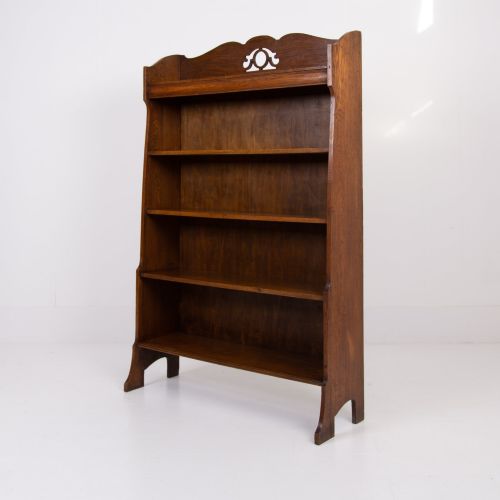
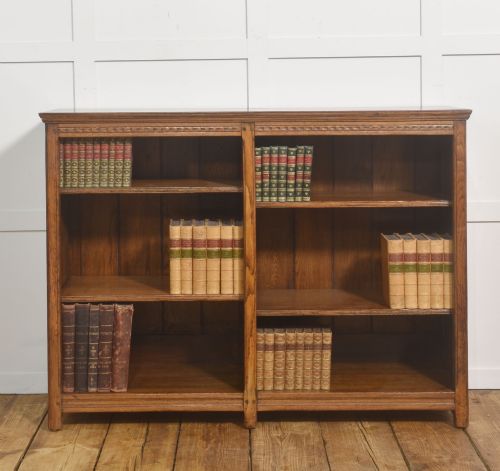
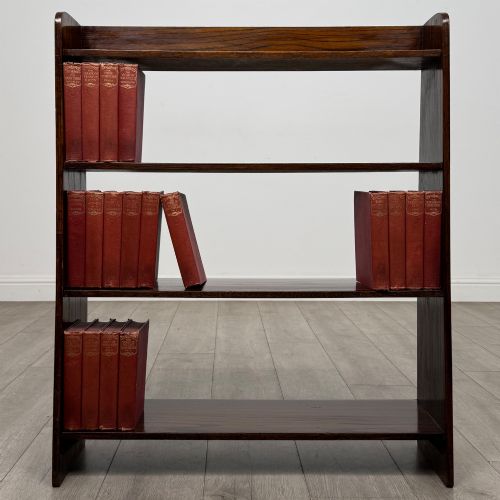
Edwardian Book Shelves
Edwardian book shelves combine practical storage with the refined cabinet-making styles typical of the early twentieth century.
Edwardian Book Shelves
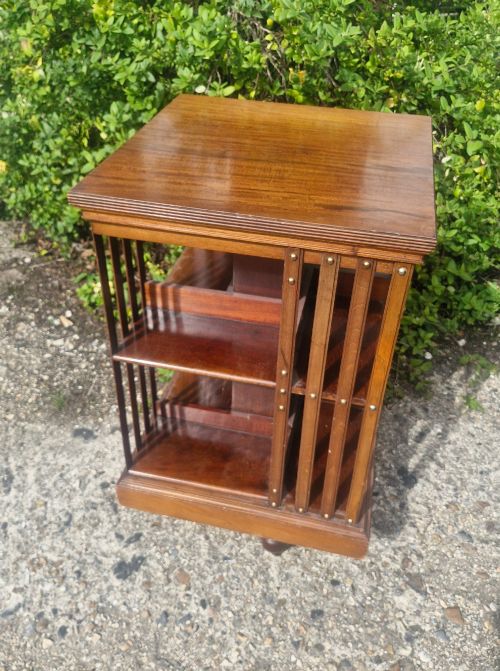
When searching for edwardian book shelves, collectors encounter various open bookcases, wall-hanging shelves, and revolving designs tailored for domestic libraries and parlours. These items frequently date from the period around nineteen hundred to nineteen ten, reflecting the domestic architecture and furnishing tastes of the era.
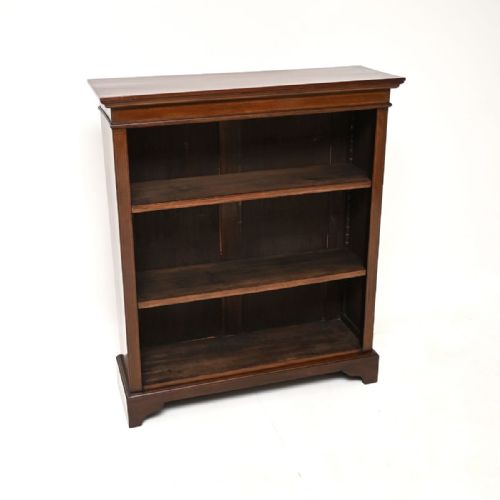
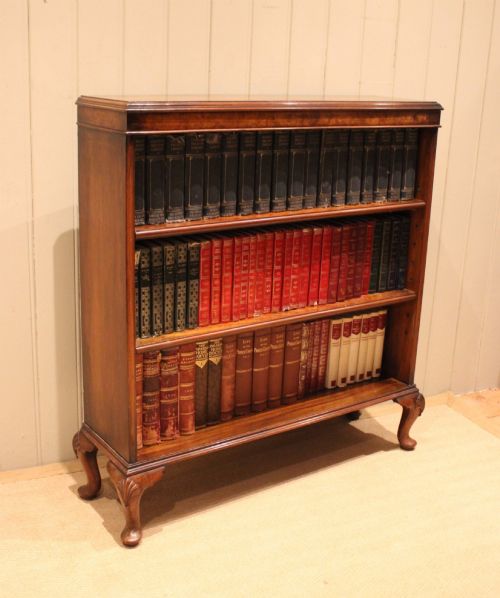
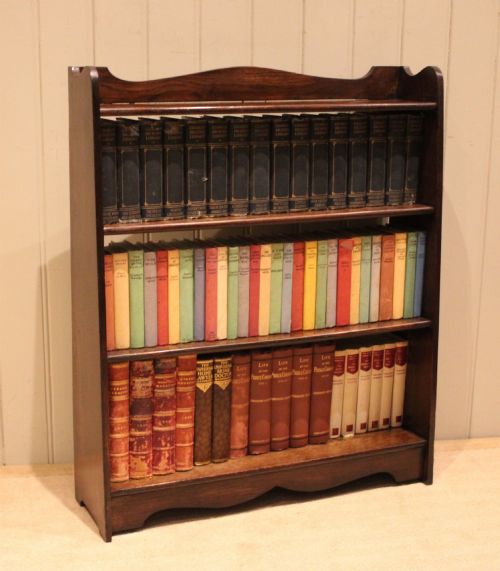
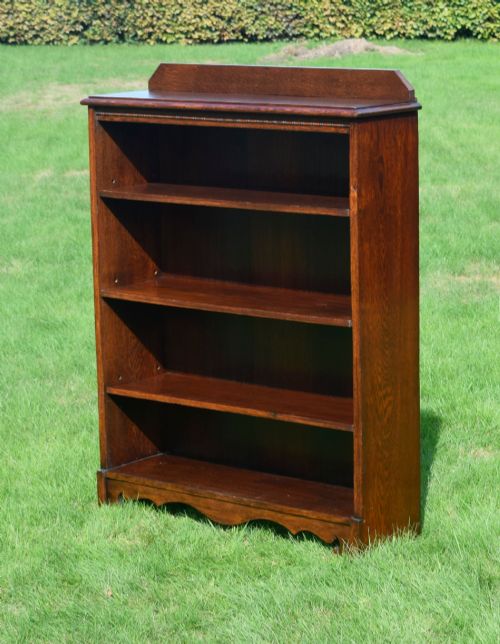
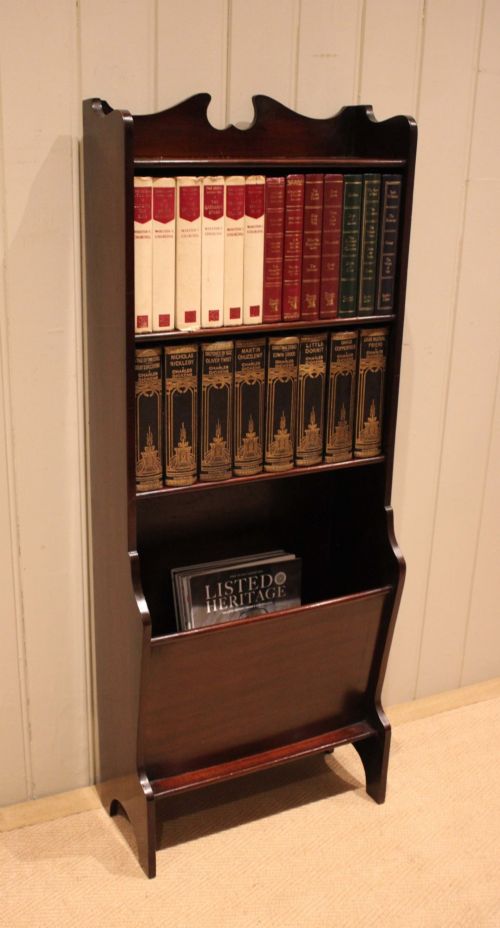
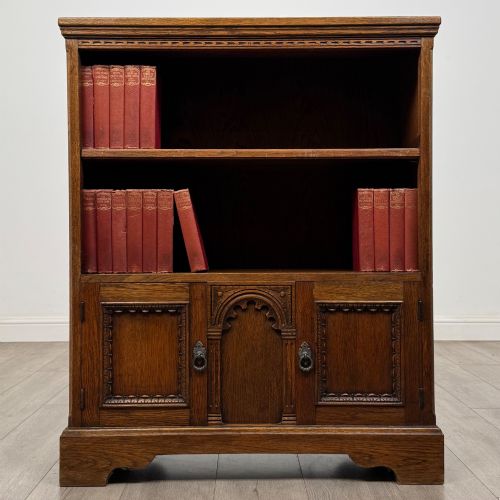
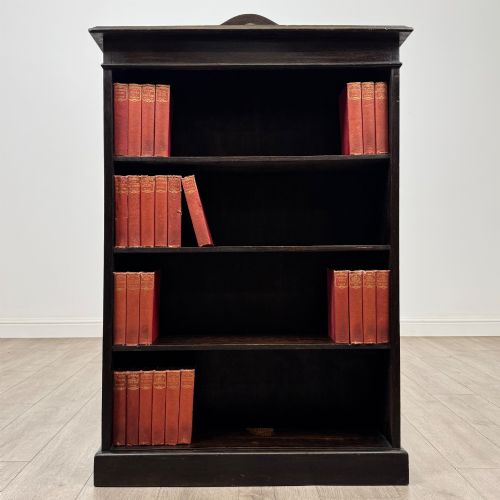
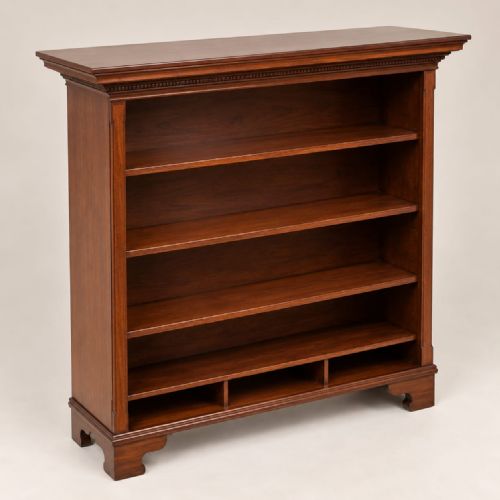
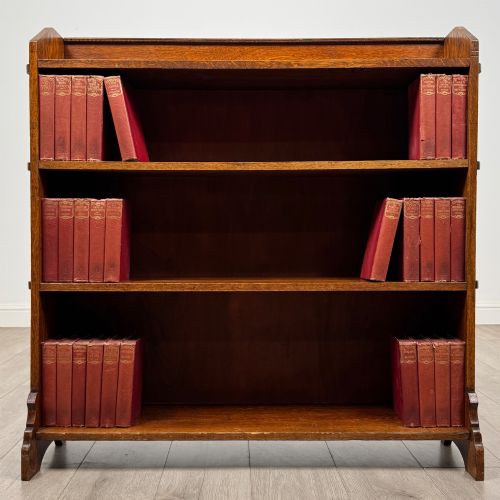
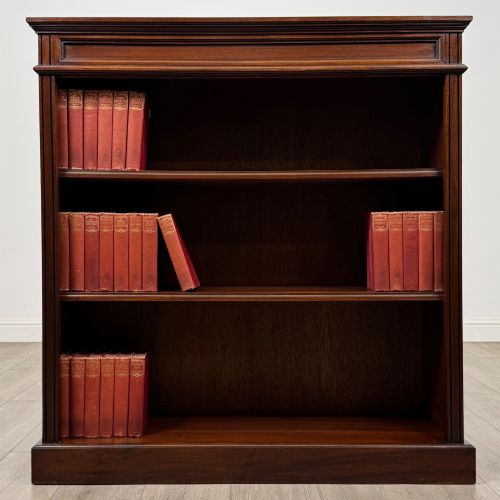
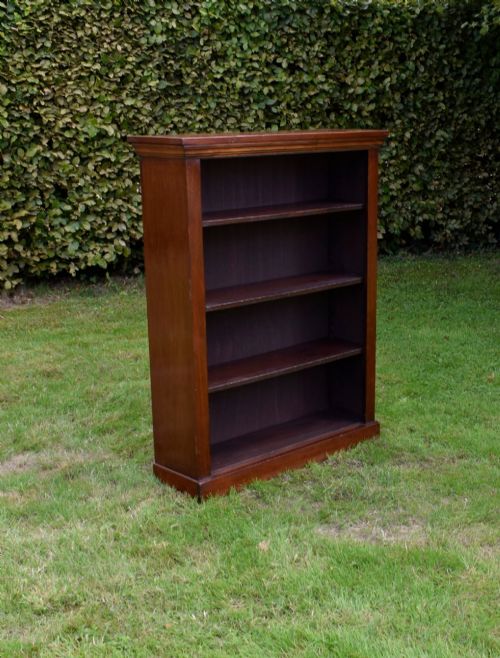
The pieces on this page appear predominantly in oak and mahogany, ranging from small table-top stands to tall standing libraries. Open shelving dominates the selection, allowing for easy access to volumes while displaying the wood grain and decorative inlays characteristic of the period.
Materials and construction methods
Cabinet-makers relied heavily on solid oak and mahogany, occasionally incorporating walnut, satinwood veneers, and brass fittings to accent the structure. Many examples feature adjustable wooden shelves supported by peg systems or metal tracks, demonstrating the functional demands placed on domestic furniture at the time.
Decorative touches included carved panels, beaded edges, and contrasting string inlay, particularly on mahogany pieces influenced by earlier revival styles. Joinery methods combined traditional mortise and tenon joints with machine-assisted cutting, as workshops adapted to growing consumer demands.
The inventory spans the late Victorian era through the Edwardian period into the nineteen thirties.
Factors determining quality
The standard of timber selection and the precision of decorative details separate basic utility pieces from finer items. Solid hardwood construction with carefully matched grain patterns and subtle inlay work generally indicates superior workshop origin.
Mechanical elements such as smoothly operating revolving mechanisms or well-fitted adjustable shelving systems also reflect the care taken during manufacture. Pieces retaining their original surface finishes and structural integrity command greater appreciation among discerning buyers.
The Edwardian Book Shelves Glossary
- Open bookcase
- A piece of furniture designed for storing books without protective glass doors. This form allows immediate visibility and retrieval of volumes.
- Adjustable shelves
- Shelves that can be moved to different heights using internal slots or supports. This feature accommodated varying sizes of bound books.
- Revolving bookcase
- A compact, rotating shelving unit designed to sit on a table or the floor. It allowed users to access multiple directions of books from a single seated position.
- Inlay
- A decorative technique where contrasting woods or materials are inserted into recessed portions of the primary wood surface. It frequently outlines shelves or top panels.
- Whatnot
- A multi-tiered set of open shelves used for displaying ornaments and small books. These items gained popularity during the late Victorian and Edwardian periods.
Edwardian Book Shelves: Frequently Asked Questions
What defines Edwardian book shelves?
These pieces generally date from the reign of Edward VII and the immediate surrounding decades, marked by lighter proportions than Victorian furniture.
Craftsmen favoured straightforward open formats, occasionally incorporating Arts and Crafts simplicity or subtle revival inlays.
Were these shelves used only for books?
While designed primarily for literature, many variations served dual purposes as display cabinets or general household storage.
Smaller hanging shelves and standing whatnots frequently accommodated ceramics, decorative plates, and magazines alongside bound volumes.
How do I care for antique wood shelves?
Keep wooden furniture away from direct heat sources and dramatic humidity fluctuations to prevent warping or splitting.
Apply occasional traditional wax polish to nourish the grain and maintain the natural lustre of the oak or mahogany surfaces.
How can I tell these apart from Victorian pieces?
Edwardian items typically display a lighter visual weight, employing paler oak finishes and more restrained decorative carving.
Proportions became slender and brighter timbers such as satinwood or golden oak saw increased use compared to the heavier dark walnut standard earlier.