

Vintage Standing Bookcase
A vintage standing bookcase brings timber warmth and practical shelving into a room, offering timeless utility for libraries and living spaces alike.
Vintage Standing Bookcase
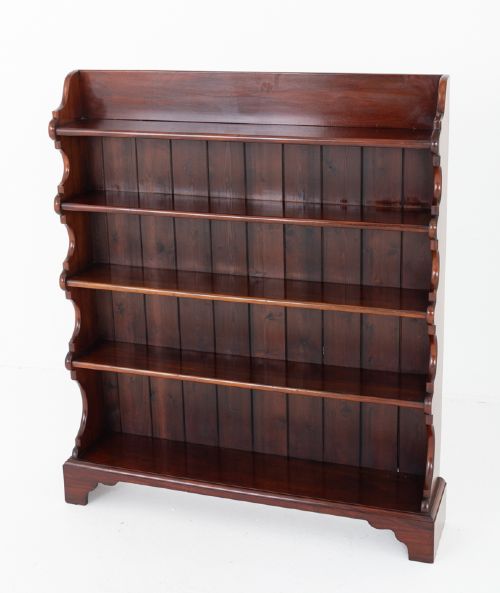
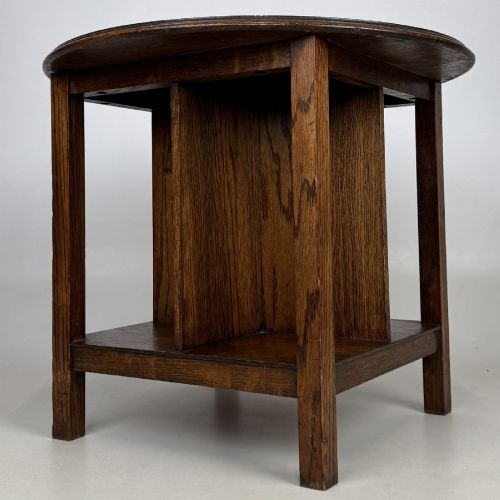
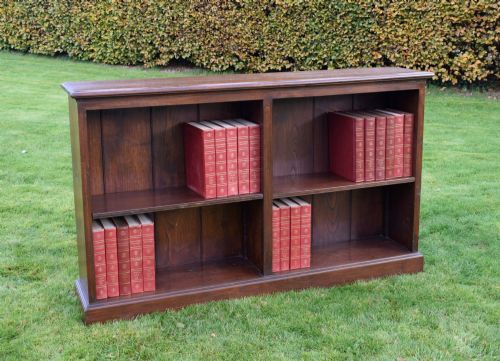
When you search for a vintage standing bookcase, you encounter a varied selection of freestanding shelving units designed for domestic storage and display. The most common examples on this page date from the Edwardian period and the early twentieth century, constructed primarily in oak and mahogany.
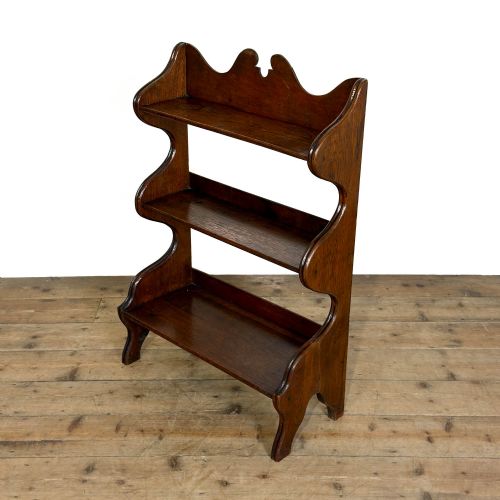
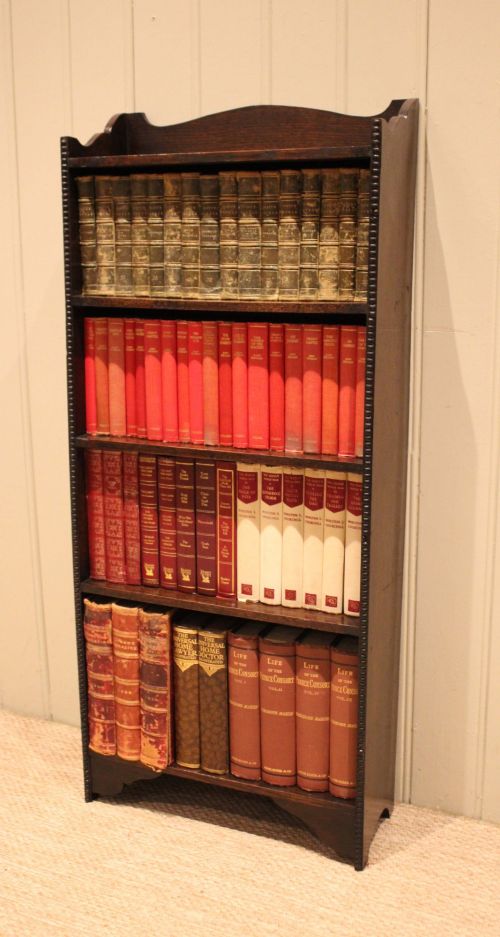
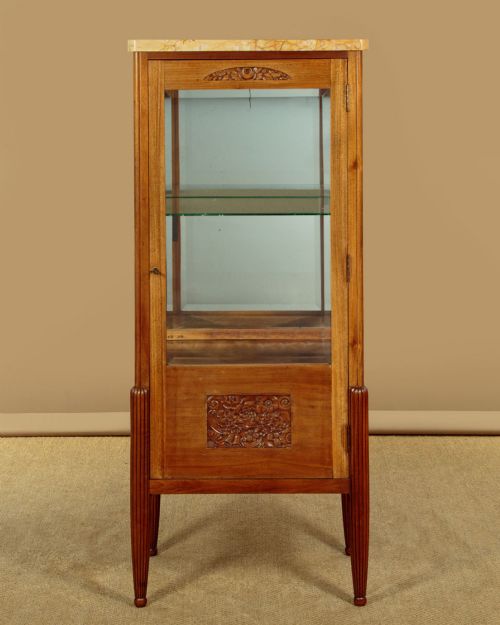
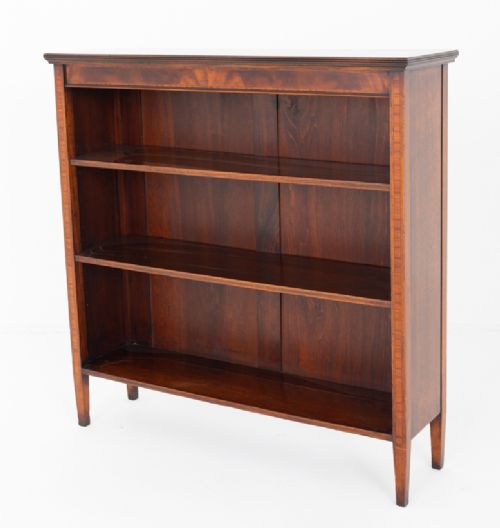
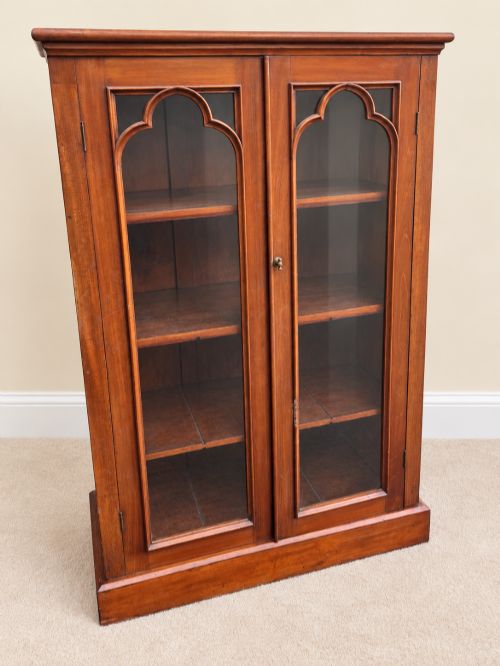
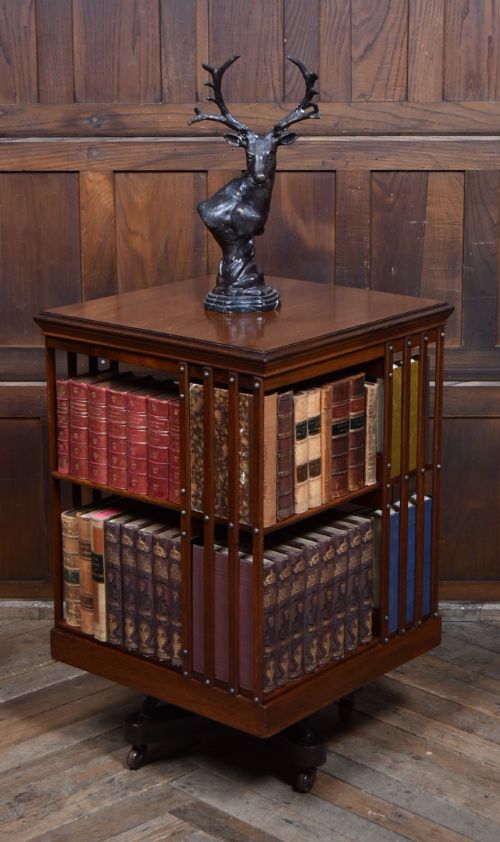
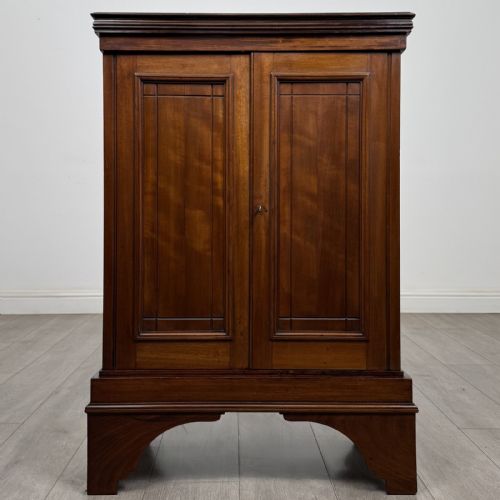
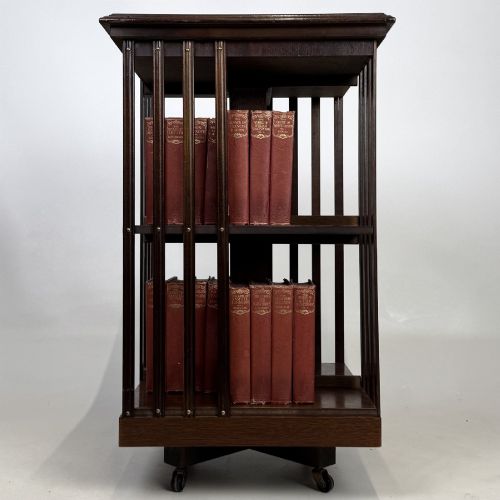
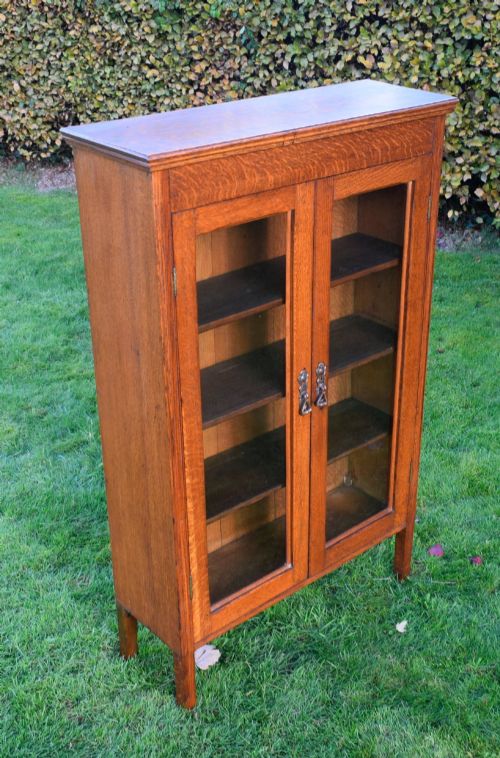
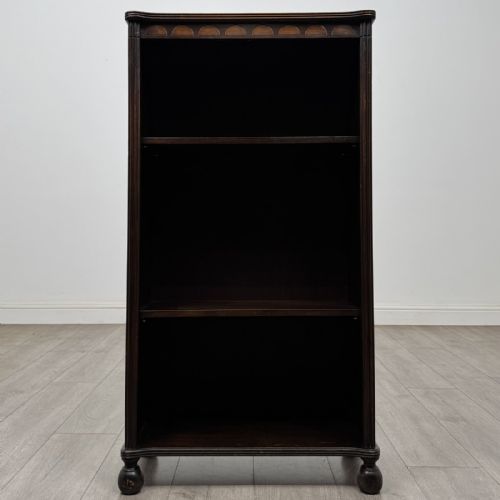
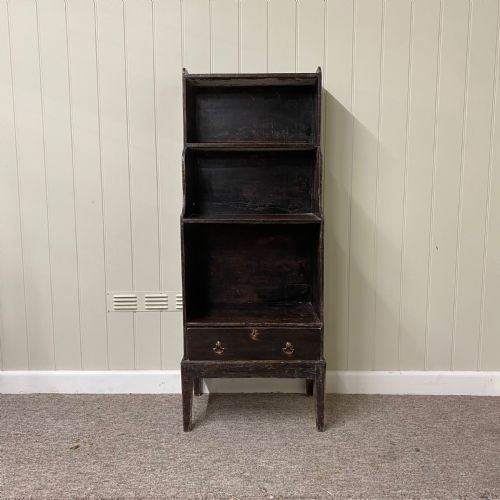
Forms range from simple open shelving with raised galleries and dentil cornices to glazed display cabinets, revolving bookcases, and tiered etageres. Styles span from utilitarian rustic country pieces to refined Arts and Crafts, Jacobean revival, and Queen Anne influences.
Originating largely from British workshops of the nineteenth and twentieth centuries, these pieces accommodate diverse interior schemes. Buyers find both compact slimline units for narrow spaces and larger architectural configurations featuring adjustable shelves.
How they were made
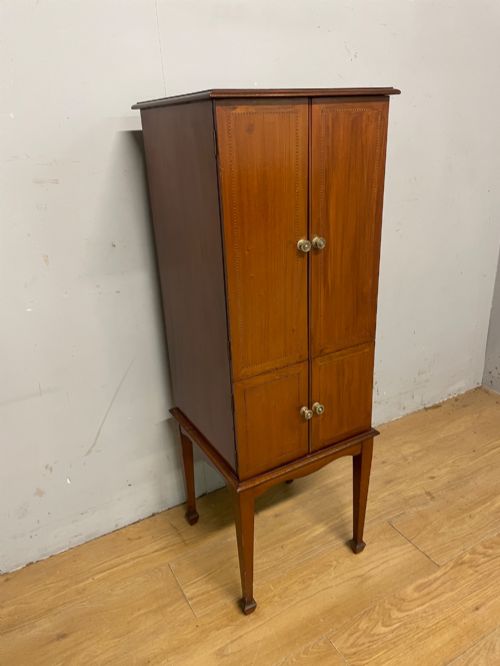
Construction relies heavily on traditional cabinet-making timbers, notably solid and veneered mahogany and oak, occasionally enriched with satinwood inlay, burr walnut, or pine. Structural integrity is maintained through joinery techniques appropriate to each period, from sturdy mortise and tenon joints in oak frameworks to slender pillars and raised galleries.
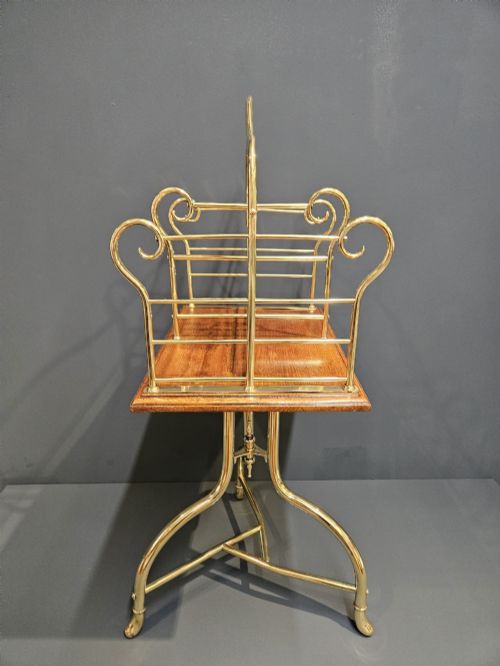
Glazing takes the form of fitted glass panels in china cabinets and display cases, sometimes arranged in astragals, while revolving mechanisms utilise internal iron or wooden pivot systems. Supplementary hardware includes brass fixtures, carved wooden panels, and cabriole legs or claw and ball feet.
Vintage Standing Bookcase Retail Price Guide 2026
Typical asking prices for vintage standing bookcase among the pieces listed under this phrase on Sellingantiques today, from the lower quarter to the upper quarter. They describe what is for sale here now, not the wider market.
Listings feature woods including mahogany, oak, satinwood inlay, pine, and burr walnut across Edwardian, Victorian, and Regency periods.
What varies in quality
The distinction between standard examples and superior specimens rests on timber selection, decorative detailing, and structural complexity. Pieces featuring figured veneers like burr walnut, intricate carving, or specialised hardware such as revolving mechanisms and adjustable shelf systems represent the upper tier.
Proportion and finishing further define grade, where finely executed cornices, inlaid stringing, and well-balanced glazed doors elevate a functional storage item into a refined example of period cabinet work.
Bowman Brothers London
The Vintage Standing Bookcase Glossary
- Dentil cornice
- A moulding decorated with a series of small, rectangular blocks resembling teeth, commonly found along the top edge of Edwardian and Georgian bookcases.
- Raised gallery
- A low decorative railing or rim around the top surface of a piece, designed to keep items from sliding off.
- Revolving bookcase
- A freestanding shelving unit built upon a central rotating pivot base, allowing books to be accessed from any angle.
- Astragal
- A narrow moulding used to divide panes of glass within a glazed cabinet door, frequently seen in display pieces.
- What-not
- An open set of tiered shelves used for displaying small objects or books, popular during the Regency and Victorian eras.
Vintage Standing Bookcase: Frequently Asked Questions
What periods do these bookcases cover?
The selection spans multiple eras, with a strong concentration of Edwardian and early twentieth-century pieces alongside Victorian, Georgian, and Regency examples.
Craftsmanship and materials shift subtly across these periods, reflecting the prevailing domestic tastes and woodworking techniques of each time.
Are the shelves usually adjustable?
Many open bookcases feature adjustable shelving supported by wooden or metal tracks, allowing you to alter shelf heights for varying book sizes.
Some smaller or older variants possess fixed shelving built directly into the structural frame during initial manufacture.
How do revolving bookcases function?
Revolving bookcases sit upon a concealed internal pivot mechanism that enables the entire slatted or panelled body to spin smoothly on a stationary base.
This clever design allows high-density book storage to fit comfortably in tight corners or beside seating areas.
What is the difference between an open bookcase and a display cabinet?
Open bookcases provide direct, unobstructed access to shelves for daily book storage, whereas display cabinets feature glazed doors to protect china and collections from dust.
Both serve as standing furniture but cater to different domestic needs regarding visibility and enclosure.