
Edwardian Mahogany Seating
Edwardian mahogany seating combines fine timbers with revival designs, offering both practical comfort and traditional elegance for the home.
Edwardian Mahogany Seating
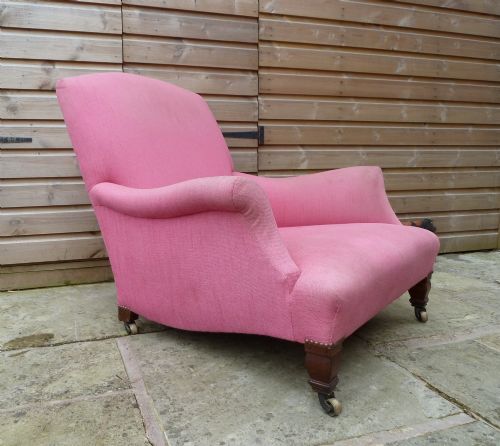
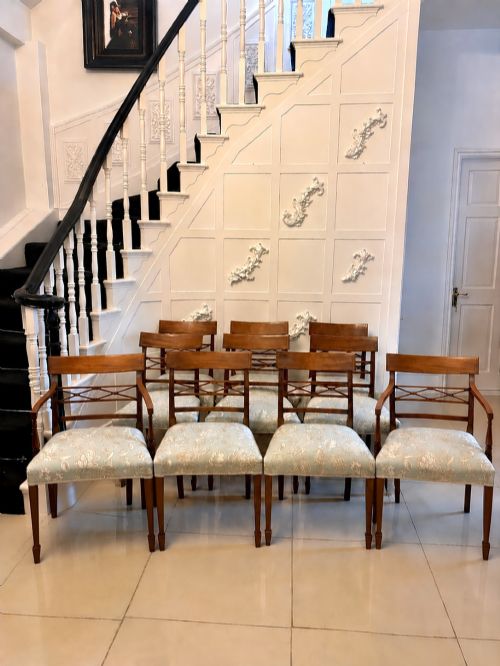
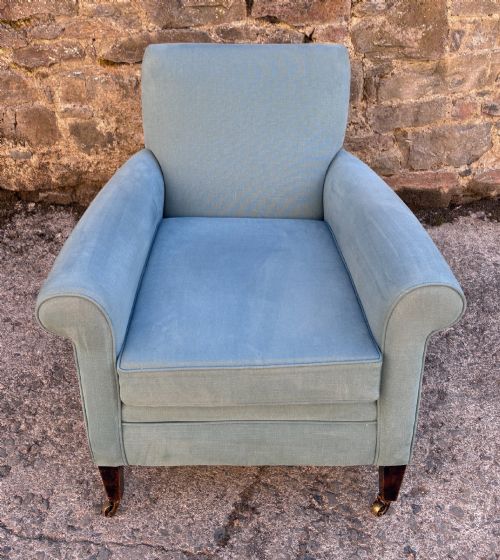
Edwardian mahogany seating encompasses a variety of chairs designed around the turn of the twentieth century, including dining chairs, armchairs, salon chairs, and desk chairs. These pieces often draw stylistic inspiration from earlier periods, reflecting revival tastes popular among makers of the time.
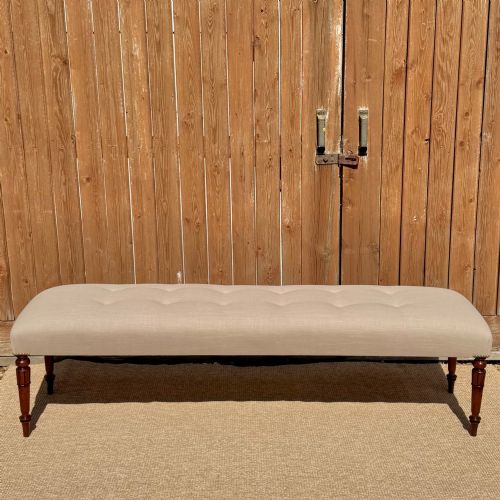
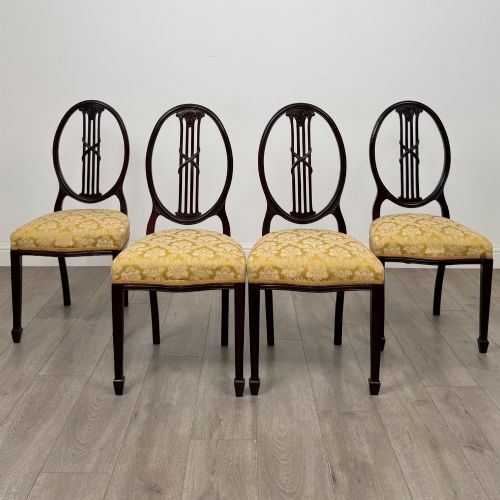
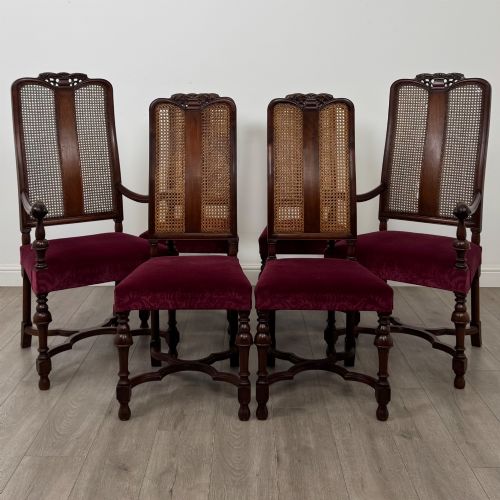
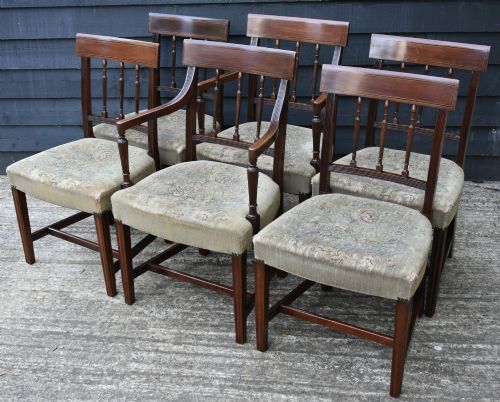
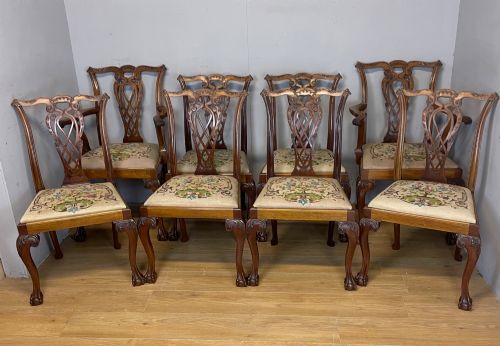
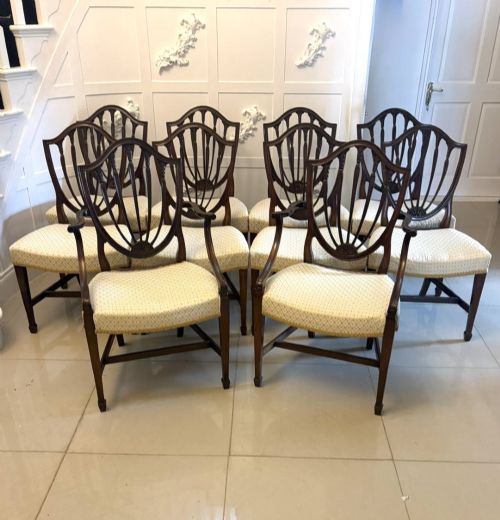
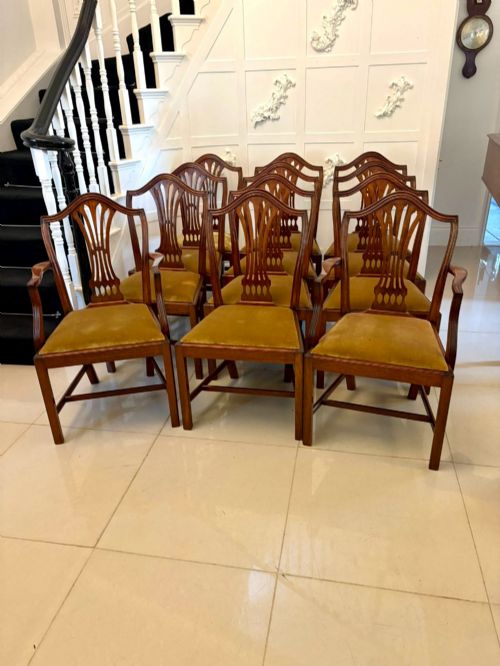
The selections on this page most frequently include dining chairs formed in sets, alongside individual library armchairs and salon chairs. Such items demonstrate the adaptability of mahogany as a primary frame material across different domestic rooms.
Makers of these items frequently utilised revival idioms, producing Georgian Revival, Hepplewhite Revival, Sheraton Revival, and Chippendale Revival patterns. Alongside these Edwardian examples, the listings also include Victorian pieces from earlier decades.
How they were made
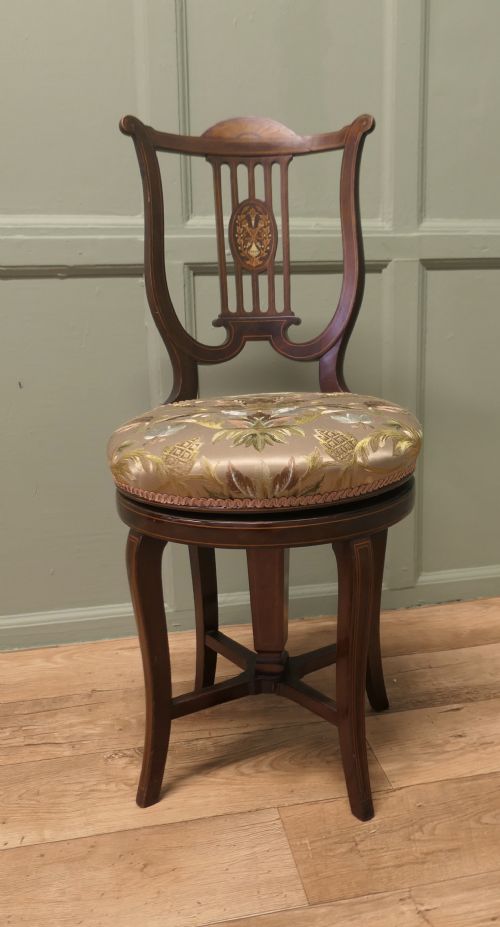
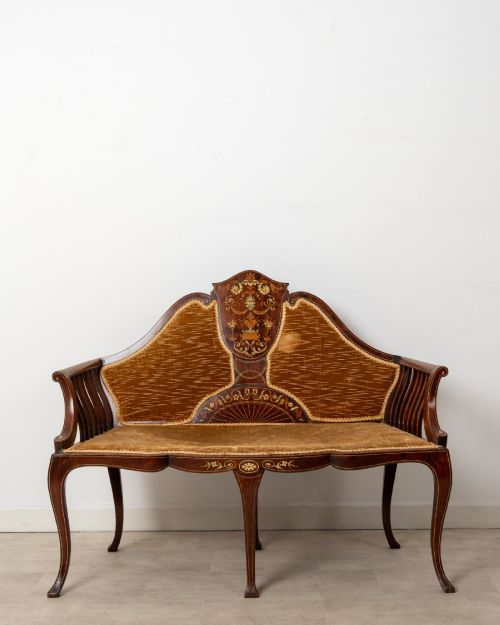
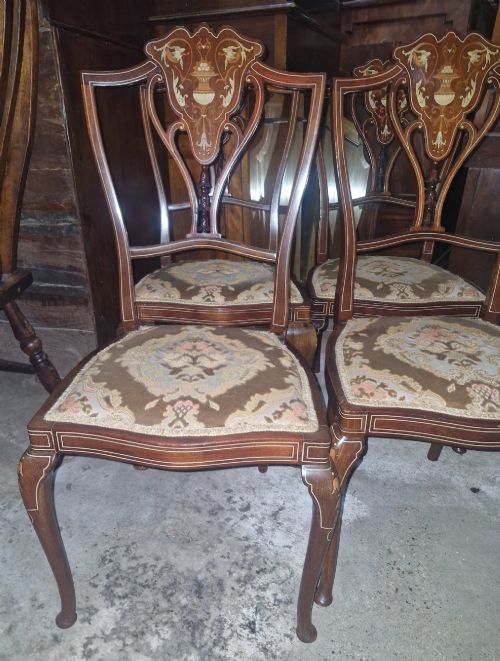
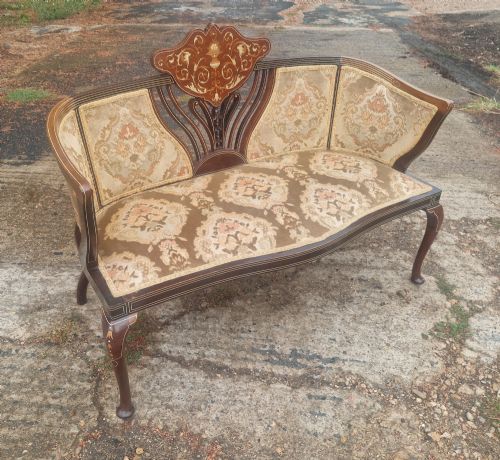
Makers constructed these chairs using mahogany timber, frequently enhanced with marquetry inlay for decorative effect. Some pieces also incorporate secondary woods such as maple, alongside structural brass elements.
Upholstery formed a central part of the manufacturing process, employing materials like fabric, leather, and cotton to finish seat pads and armrests. Frames were shaped into specific regional and historical revivals, including shield backs and open arm designs.
Edwardian Mahogany Seating Retail Price Guide 2026
Typical asking prices for edwardian mahogany seating among the pieces listed under this phrase on Sellingantiques today, from the lower quarter to the upper quarter. They describe what is for sale here now, not the wider market.
Listings span from the Victorian period through to the Edwardian era, predominantly featuring mahogany frames.
What varies in quality
Quality differences emerge in the execution of decorative details, such as the precision of marquetry inlay on the mahogany frames. Finer examples display meticulous craftsmanship in carved revival motifs, whilst simpler pieces remain plain.
The integrity of the frame construction and the choice of upholstery materials, whether durable leather or decorative fabric, distinguish standard production items from finer workshop output.
Maple and Co
The Edwardian Mahogany Seating Glossary
- Mahogany
- A durable, deep-grained timber commonly used for high-grade furniture frames. It accepts fine carving and polished finishes exceptionally well.
- Marquetry Inlay
- Decorative patterns formed by fitting contrasting wood veneers into the primary surface. This technique requires considerable skill to achieve flush, seamless integration.
- Shield Back
- A chair back shaped in the outline of a heraldic shield, popularised during the eighteenth century and revived in later periods. It provides a slender yet supportive frame.
- Carver Armchair
- A dining chair fitted with open arms, traditionally placed at the head of a table. These match the side chairs in a larger dining set.
Edwardian Mahogany Seating: Frequently Asked Questions
What styles are common in edwardian mahogany seating?
Pieces frequently display revival aesthetics inspired by Georgian, Sheraton, Hepplewhite, and Chippendale designs. These styles reinterpret earlier furniture forms with turn-of-the-century manufacturing techniques.
Craftsmen adapted these historical patterns for contemporary Edwardian homes, balancing traditional aesthetics with updated comfort requirements.
How were these chairs used originally?
Dining chairs were arranged around large tables for formal meals, whilst armchairs served in libraries and drawing rooms. Salon chairs provided lightweight seating for entertaining guests.
Desk chairs offered functional support for writing and administrative tasks in private studies or offices.
What materials make up these frames?
Mahogany serves as the primary wood across the listings, occasionally supplemented by maple. Decorative details frequently include marquetry inlay.
Upholstery relies on materials such as leather, cotton, and standard fabrics, while brass components appear on specific hardware elements.
How do I care for mahogany chair frames?
Keep wooden surfaces away from direct sunlight and excessive heat sources to prevent timber splitting or fading. Regular dusting with a soft cloth preserves the polished finish.
Treat upholstered elements according to their specific textile composition, using appropriate cleaning methods for leather or fabric.