


Edwardian Mahogany Salon Bench
An edwardian mahogany salon bench brings refined seating into a drawing room, offering comfortable elegance in polished timber.
Edwardian Mahogany Salon Bench
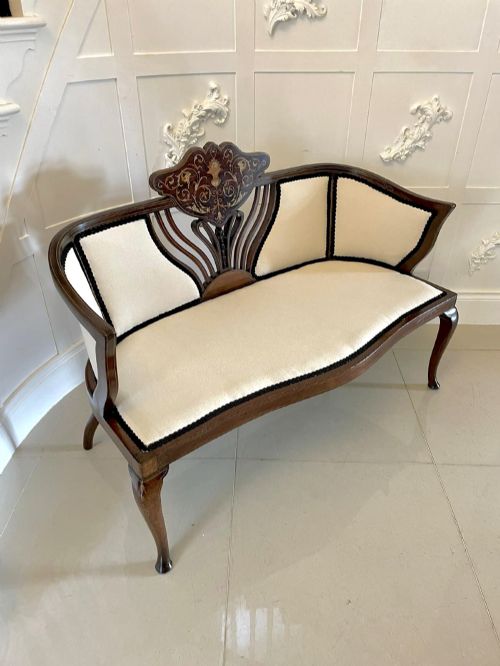
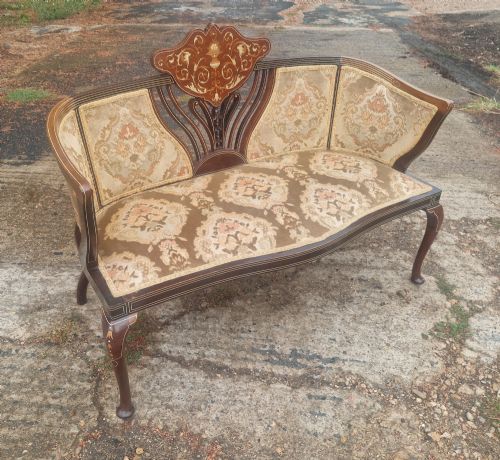
An edwardian mahogany salon bench comprises seating forms primarily spanning the Edwardian and Victorian periods, alongside late nineteenth century examples. These pieces typically take the shape of settees, sofas, and parlour suites designed for reception spaces.
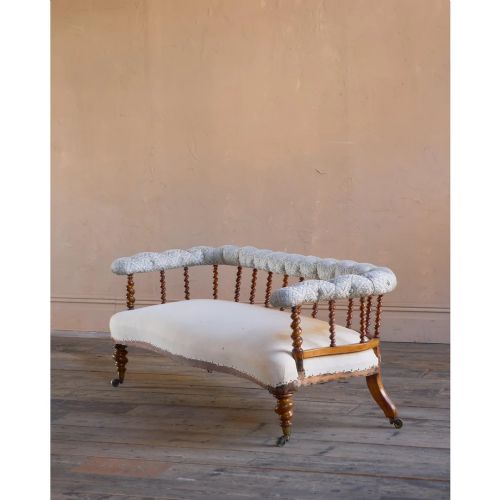
The material foundation rests on mahogany, frequently enhanced with satinwood, boxwood inlay, and marquetry. Buyers frequently encounter two-seater salon settees, end of bed sofas, and spindle back designs among the available offerings.
How they were made
Maker construction relies heavily on solid mahogany timbers paired with delicate stringing and inlay work. Artisans utilised satinwood and boxwood inlay to create geometric and floral motifs across the frames.
Upholstery techniques involve traditional fabric and damask coverings applied to sprung or padded seats. Brass details and bone accents occasionally supplement the primary woodwork on specific models.
Object forms include settees, parlour suites, and spindle back salon sofas.
What varies in quality
The refinement of the timber and the crispness of the marquetry inlay set superior examples apart from standard production. Richly figured mahogany grain and precise contrasting stringing indicate higher workshop standards.
Structural integrity and the complexity of the frame design dictate overall worth. Elaborate spindle backs and balanced proportions distinguish finer parlour furniture from plainer variants.
C. Hindley & Sons
The Edwardian Mahogany Salon Bench Glossary
- Mahogany
- A durable tropical hardwood valued for its deep reddish brown colour and fine grain. It serves as the primary structural material for these settees.
- Satinwood
- A lustrous yellowish timber utilised for contrasting inlay and decorative banding. It provides visual brightness against dark mahogany surfaces.
- Marquetry
- Decorative veneer work arranged in intricate patterns across the timber frame. Artisans employ different coloured woods to form pictorial or geometric designs.
- Spindle back
- A chair or sofa back composed of numerous thin turned wooden rods. This construction method lightens the visual weight of the seating.
Edwardian Mahogany Salon Bench: Frequently Asked Questions
How do I date an edwardian mahogany salon bench?
Dating these pieces involves examining the stylistic traits and construction methods associated with the Victorian and Edwardian eras. Pieces from the late nineteenth century tend to display heavier Victorian proportions, while Edwardian examples often feature lighter frames.
The presence of specific inlay styles, such as satinwood banding or marquetry, helps place the furniture within its period of origin. Material combinations and upholstery choices further assist in determining the approximate age.
Where should I place an edwardian mahogany salon bench?
These benches suit drawing rooms, hallways, and bedrooms where formal seating adds character to the interior. End of bed sofas fit neatly at the foot of a bed to combine utility with period style.
Placing the furniture away from direct sunlight protects the mahogany finish and upholstery fabrics from fading. Adequate clearance around the settee allows the inlay and woodwork details to remain visible.
How do I care for mahogany and inlay?
Maintaining mahogany requires dusting with a soft dry cloth and applying appropriate wood care products sparingly. Avoiding excessive moisture prevents damage to the polished timber surfaces.
Inlaid sections need gentle treatment to protect the delicate boxwood and satinwood details from chipping. Keeping the furniture in stable environmental conditions prevents the timber from warping.