



Edwardian Mahogany Pot Cupboard
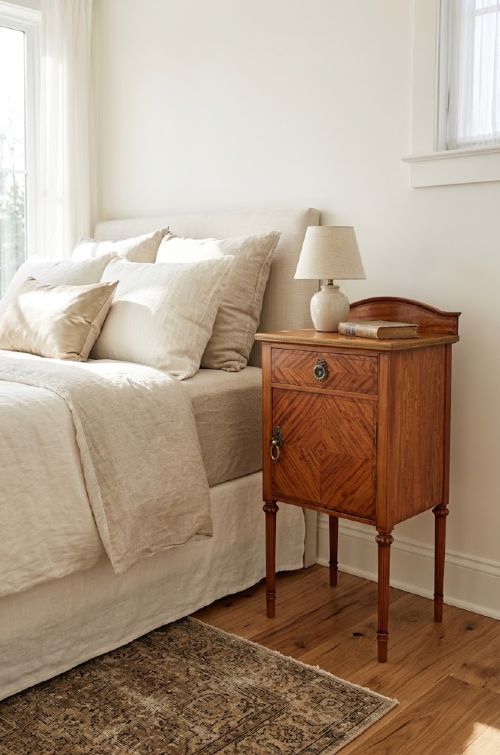
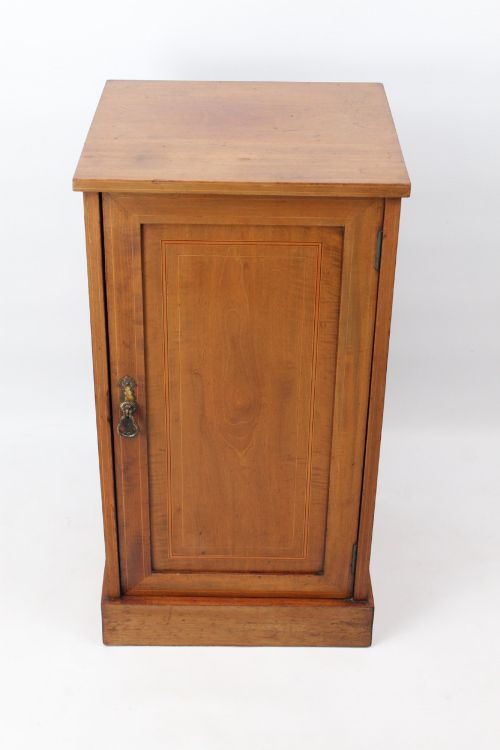
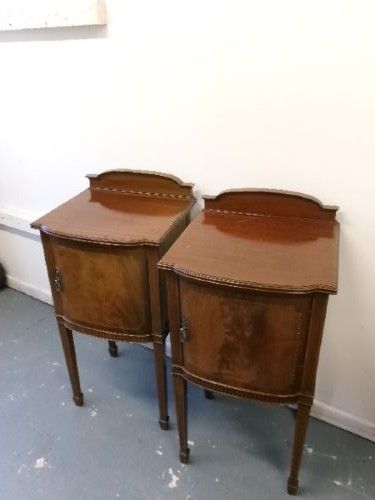
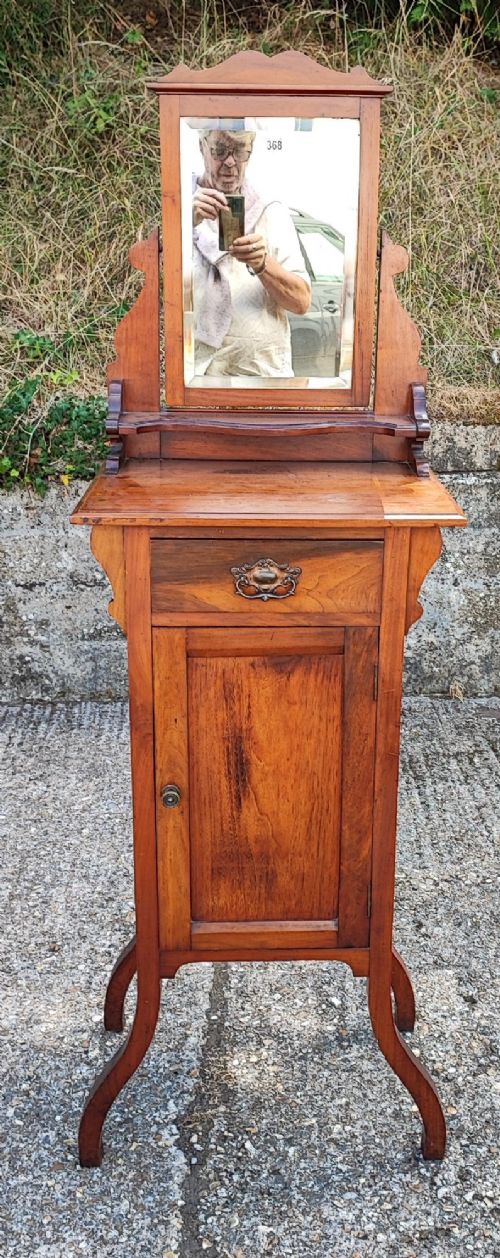
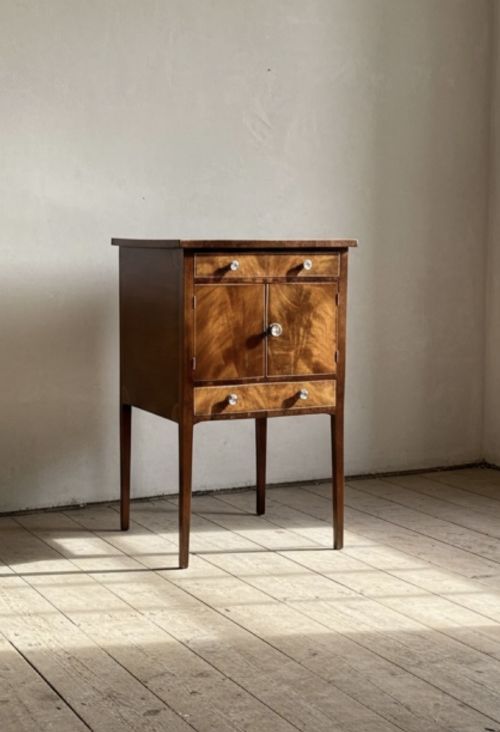
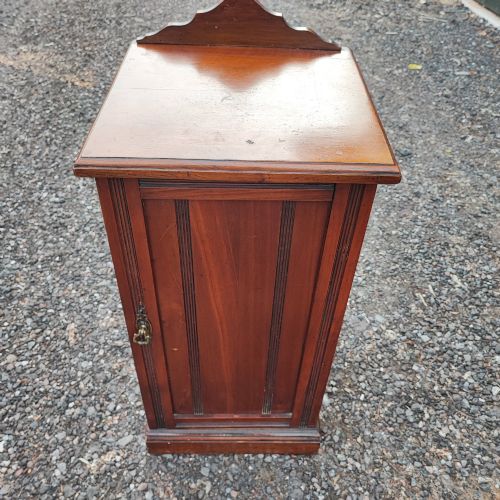
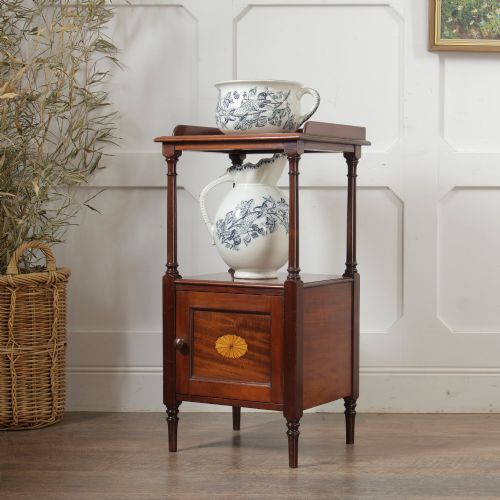
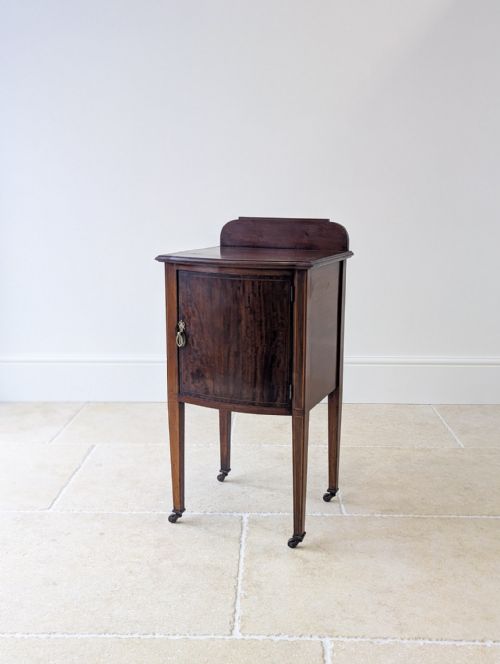
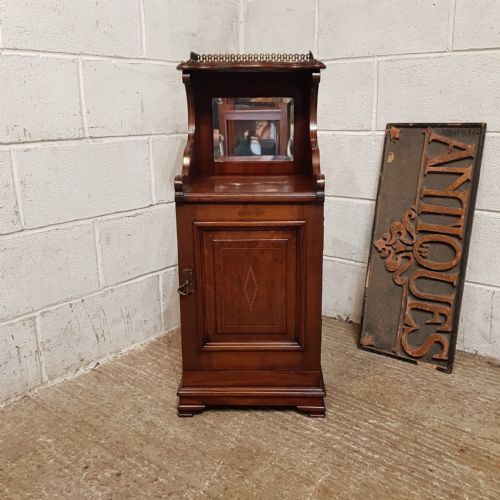
An edwardian mahogany pot cupboard provides compact bedside storage with a panelled door and interior shelf, crafted in rich timber for the early twentieth-century bedroom.
Edwardian Mahogany Pot Cupboard
An edwardian mahogany pot cupboard is a small bedside cabinet designed to stand beside a bed, frequently housing a shelf or enclosed compartment behind a single hinged door. The version most commonly met on this page dates from around nineteen hundred to nineteen ten, displaying the characteristic upright proportions of the period.
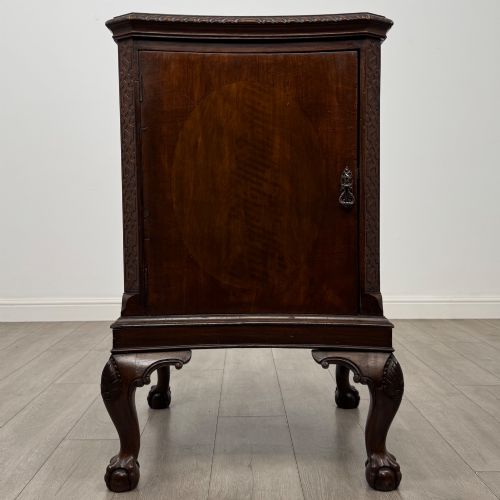
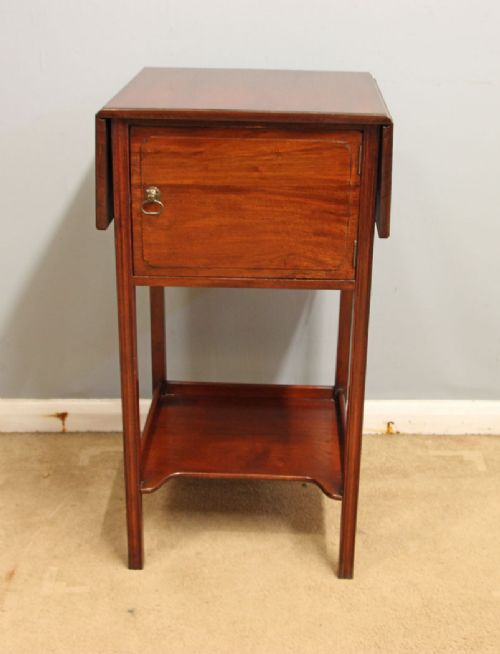
These items serve primarily as functional bedside tables, though their historical function included housing a chamber pot. Alongside standard cabinet forms, related pieces in the records include bow-fronted side cabinets, commodes, and drop-flap bedside tables.
While Edwardian examples dominate the selection, the wider listings span Victorian, Regency, and nineteenth-century periods. Makers and workshops from these eras utilised similar cabinetry forms, adapting Sheraton Revival, Chippendale Revival, and Georgian styles for domestic bedrooms.
How They Were Made
Cabinet makers built these pieces using solid mahogany or flame mahogany veneer applied to a secondary timber carcase. Many Edwardian pieces incorporate contrasting stringing and banding in lighter timbers such as satinwood and boxwood.
Surface decoration frequently includes marquetry inlay, whilst hardware commonly consists of cast brass handles and hinges. Certain variations feature inset marble tops or glass elements, adding durability and decorative contrast to the timber.
Listings frequently feature matched pairs of cabinets alongside single bedside tables and drop-flap variants.
What Varies in Quality
Quality in these cabinets rests upon the selection of timber figures, particularly where flame mahogany veneer or detailed satinwood and boxwood inlay are employed. Finer pieces demonstrate precise marquetry work and well-balanced proportions that avoid appearing overly heavy or plain.
Construction standards differ between standard domestic production and workshop-marked pieces. The integration of fine brass hardware and secondary woods further separates everyday utility items from superior examples.
harrods·Maple & Co·Gillows·Warring & Gillow
The Edwardian Mahogany Pot Cupboard Glossary
- Pot cupboard
- A small bedside cabinet originally designed to enclose a chamber pot behind a panelled door. These pieces now function primarily as standard bedside tables.
- Flame mahogany
- A veneer cut from the fork of the mahogany tree to produce a distinctive, flickering flame pattern across the surface. Cabinet makers selected this grain for prominent doors and drawer fronts.
- Inlay
- A decorative technique where contrasting woods such as satinwood or boxwood are fitted into recesses flush with the main mahogany surface. This method creates geometric borders and floral motifs.
- Crossbanding
- A narrow strip of veneer laid around the border of a panel with the grain running at right angles to the central wood. It provides a neat framing effect on table tops and cabinet doors.
- Sheraton Revival
- A late nineteenth and early twentieth-century design style inspired by the neoclassical furniture of George Sheraton. It relies on slender proportions, mahogany solids, and delicate marquetry.
Edwardian Mahogany Pot Cupboard: Frequently Asked Questions
What is inside an edwardian mahogany pot cupboard?
Most interiors contain a single wooden shelf dividing the vertical cabinet space behind a hinged door. Some historical variants included a lower compartment specifically sized for a chamber pot.
Modern owners typically utilise this enclosed shelving to store books, reading glasses, or personal items out of sight next to the bed.
How do I date an edwardian mahogany pot cupboard?
Pieces from this era generally date between eighteen ninety and nineteen twenty, identifiable by lighter construction and refined satinwood or boxwood stringing. Stylistic cues often point to Sheraton Revival influences popular at the time.
Earlier Victorian versions tend to be heavier in build, whilst Regency examples display distinct classical proportions and simpler mahogany surfaces without Edwardian marquetry.
Are these cupboards suitable for modern bedside tables?
Their compact dimensions make them well suited to modern bedrooms where surface space is limited. The enclosed cabinet keeps charging cables and clutter hidden away.
Pairs often appear in the listings, offering a matching set for either side of a larger bed frame.