
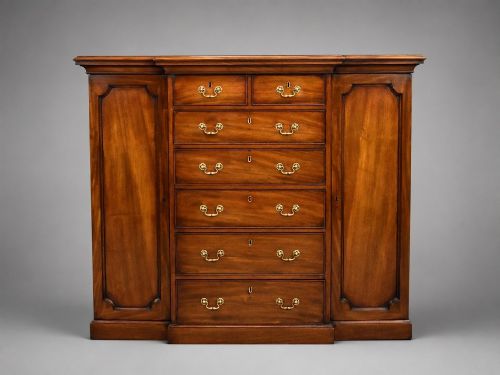
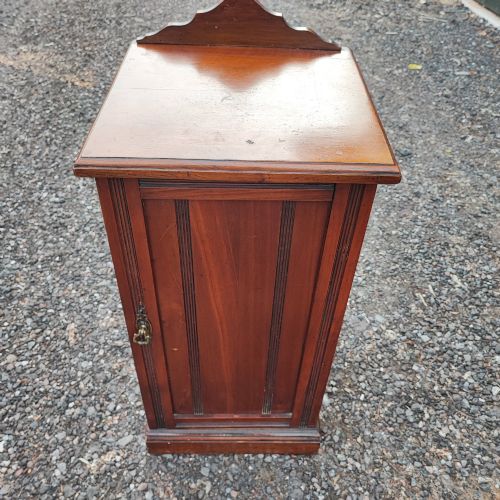
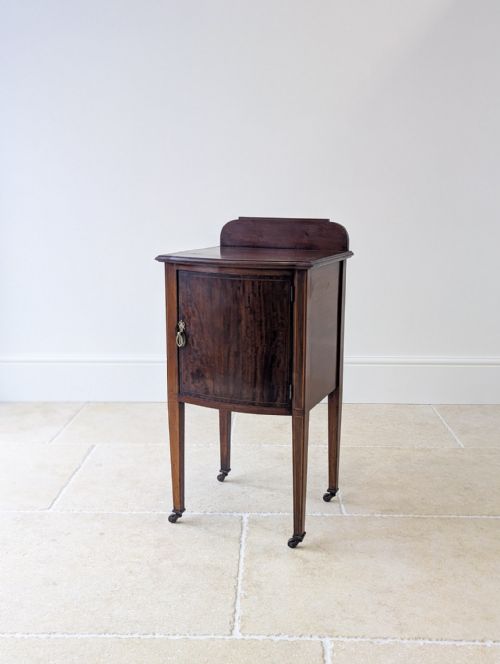
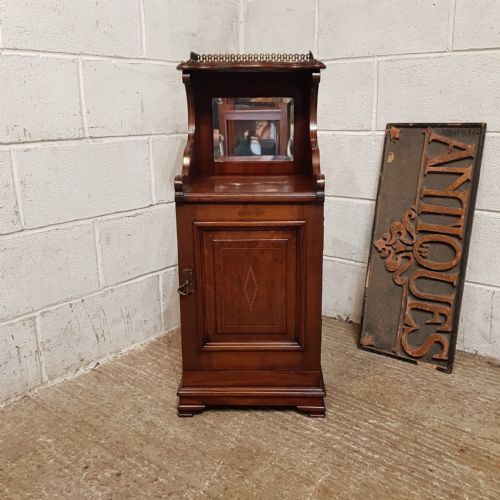
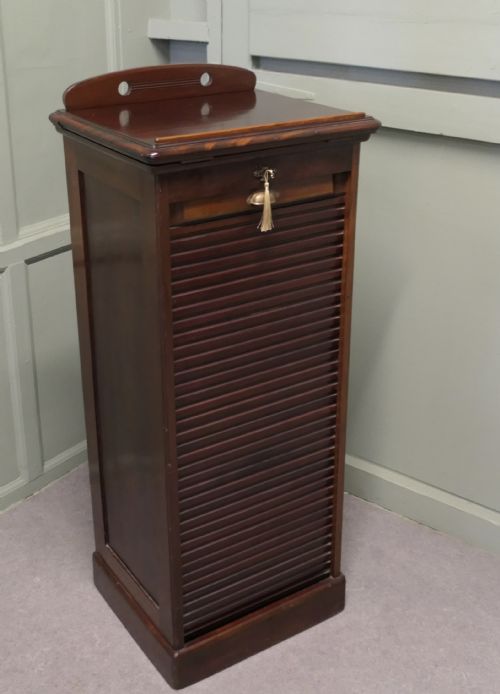
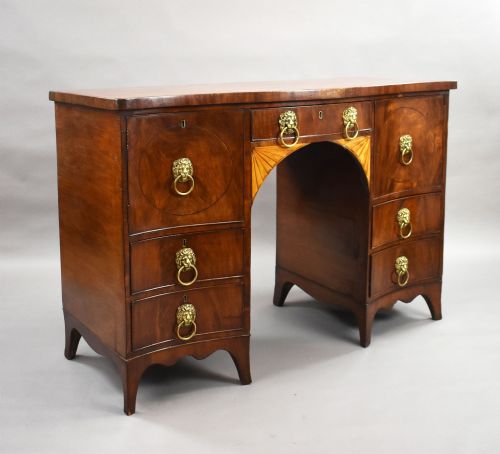

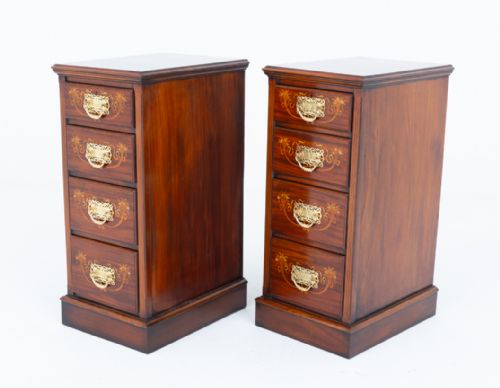
Edwardian Mahogany Pedestal Cabinet
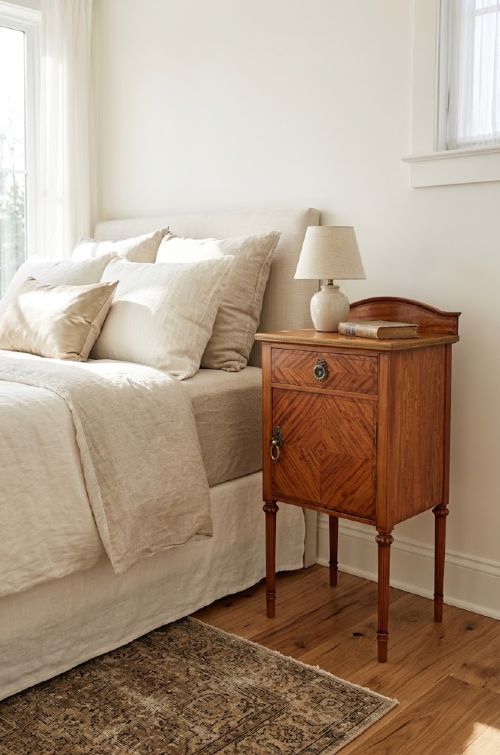
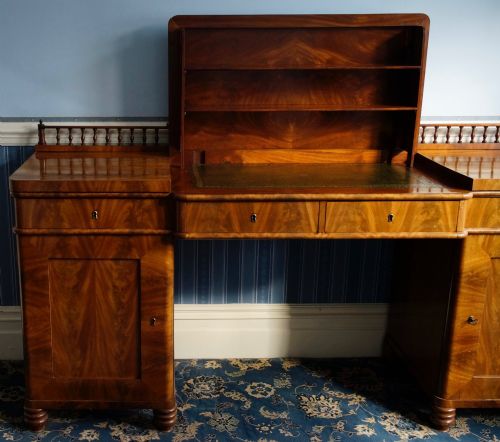
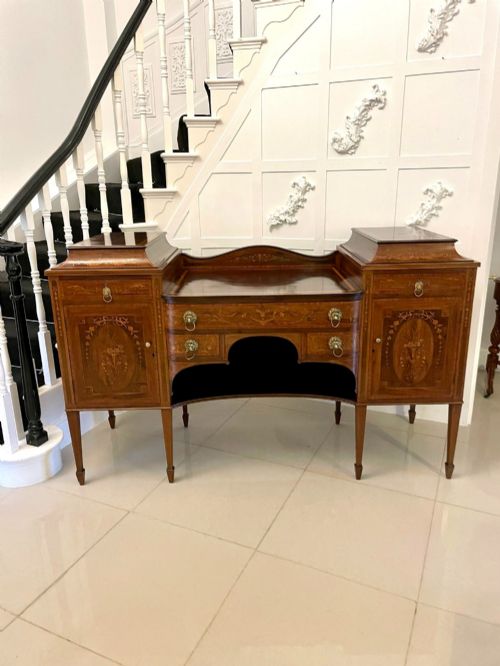
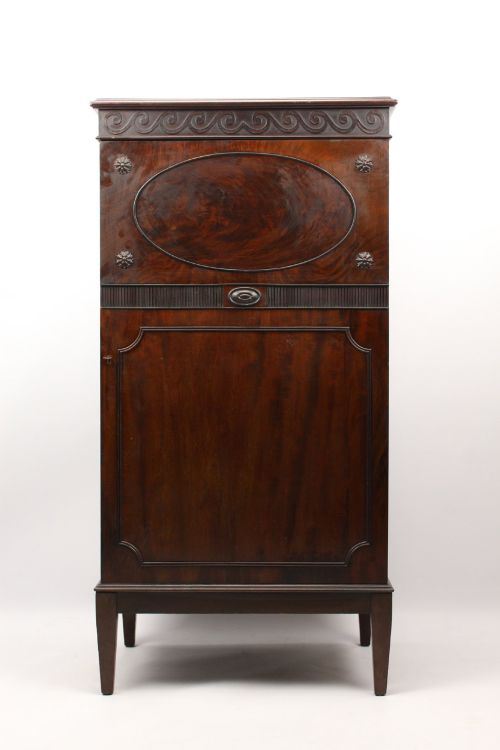
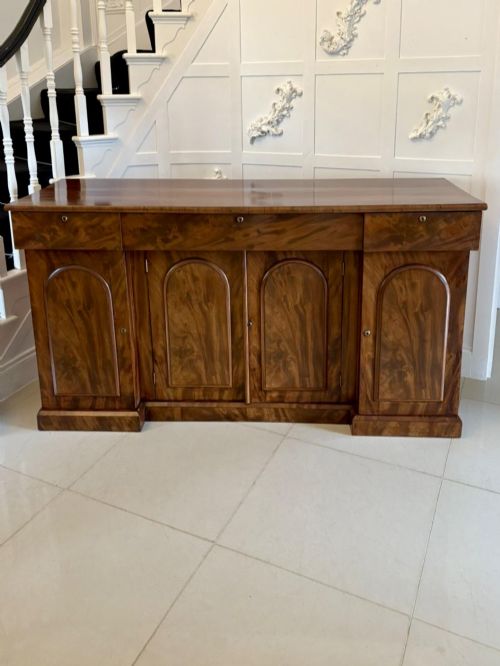
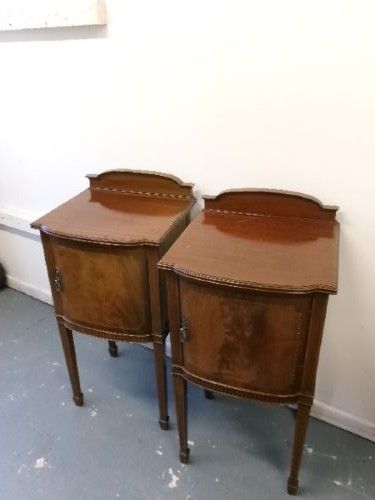
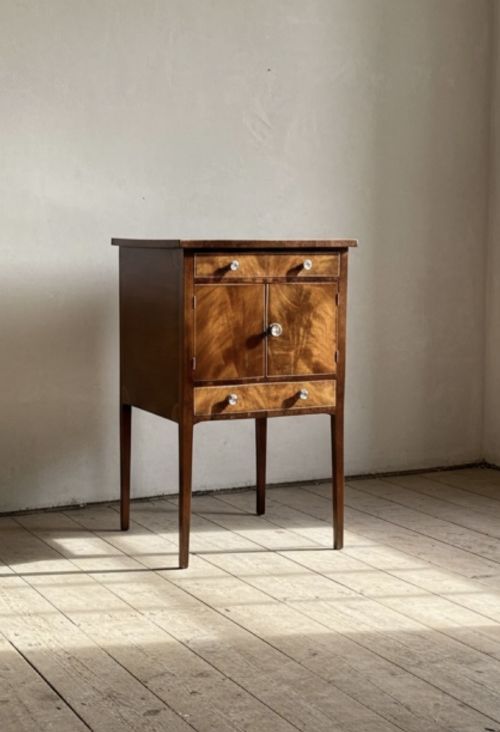
These edwardian mahogany pedestal cabinet examples bring compact proportion and figured timber into a room, offering practical bedside or display storage.
Edwardian Mahogany Pedestal Cabinet
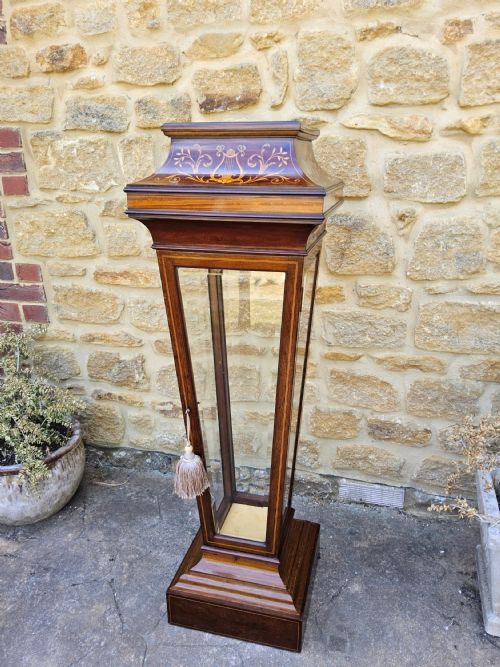
An edwardian mahogany pedestal cabinet typically takes the form of a compact bedside cupboard, nightstand, or upright display vitrine standing on a single pedestal or base. The pieces seen most frequently on this page date from the Edwardian period and the late nineteenth century, though earlier Victorian and nineteenth-century examples also appear.
Makers and workshops constructed these cabinets primarily as functional bedroom or reception furniture, utilising flame mahogany veneer, solid mahogany, and occasional satinwood or boxwood inlay. Alongside standard bedside cupboards, the selection encompasses taller display cabinets featuring glass panels for curio or book storage.
How They Were Made
Cabinet makers relied on solid mahogany and flame mahogany veneer applied to carcases of secondary timber, often enhancing the surfaces with delicate boxwood and satinwood stringing or marquetry. Brass handles, hinges, and occasional glass panels complete the construction of the vitrine and cupboard doors.
Joinery techniques combined traditional dovetailed drawer construction with frame and panel doors, ensuring stability in smaller items intended for daily bedside use.
Several cabinets include drop flaps or hidden compartments originally designed for nineteenth-century nocturnal necessities.
What Varies in Quality
The distinction between standard utility pieces and finer examples rests upon the selection of the timber grain, particularly the depth and movement in flame mahogany veneer. Superior items display meticulous attention in the alignment of marquetry and stringing.
Construction details such as solid mahogany drawer linings rather than cheaper alternatives, alongside original brass hardware and well-fitted glass panels, separate workshop production from mass-manufactured output.
Hewetsons London·Denby and Spinks·Edwards and Roberts·Maple and Co
The Edwardian Mahogany Pedestal Cabinet Glossary
- Flame mahogany
- A veneer cut from timber where the branch junctions meet the main trunk, creating a characteristic rippled, flame-like pattern across the surface.
- Marquetry
- Decorative patterns formed by fitting together small pieces of different coloured wood veneers onto a structural surface.
- Vitrine
- A glass-panelled cabinet or display case designed to showcase small objects, books, or curiosities.
- Stringing
- Thin inlay lines of contrasting timber, such as boxwood or satinwood, used to edge drawer fronts and tabletops.
- Pedestal cabinet
- A freestanding piece of furniture built upon a central column, plinth, or enclosed lower cupboard base rather than standard legs.
Edwardian Mahogany Pedestal Cabinet: Frequently Asked Questions
What is an edwardian mahogany pedestal cabinet used for?
These compact pieces function primarily as bedside cupboards, nightstands, or small display units for holding lamps and personal items.
Their upright proportions allow them to fit into smaller spaces while providing concealed storage behind a single door or drawer.
How do I date an edwardian mahogany pedestal cabinet?
Dating relies on stylistic markers such as satinwood inlay, Edwardian proportions, and the presence of glass vitrine doors characteristic of the 1900s.
Earlier Victorian pieces tend to feature heavier timber mouldings and less delicate marquetry than those made during the Edwardian era.
Are these cabinets solid mahogany?
Most examples combine solid mahogany frames and drawer linings with high-quality flame mahogany veneer applied to the primary display surfaces.
Secondary timbers such as pine or oak frequently appear in concealed areas like drawer bottoms and interior carcases.
How should I care for mahogany furniture?
Keep the timber away from direct heat sources and strong sunlight to prevent the mahogany finish and veneers from drying out.
Regular application of a traditional beeswax polish helps maintain the lustre and protects the polished surface from minor marks.