
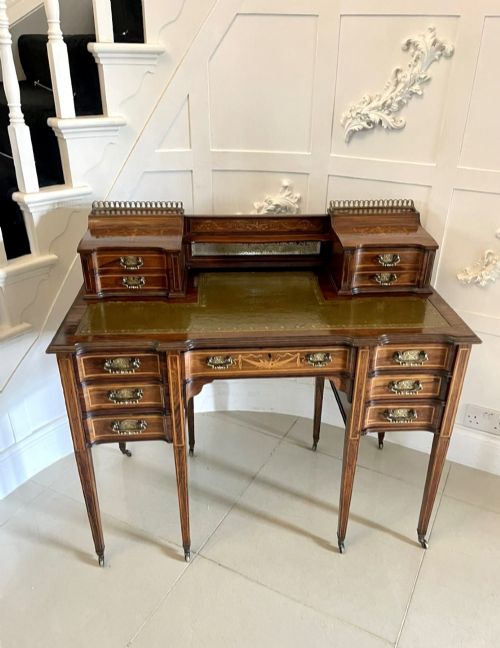
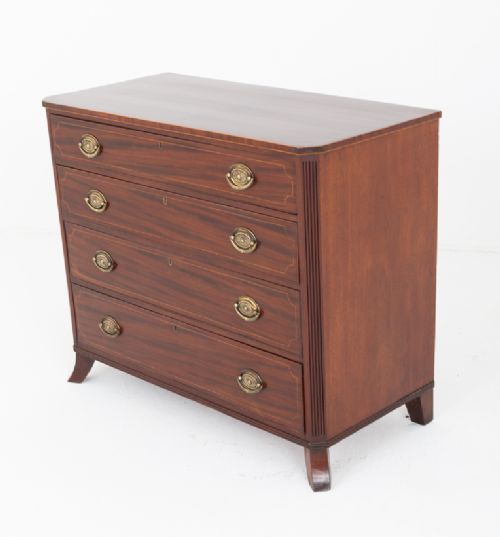
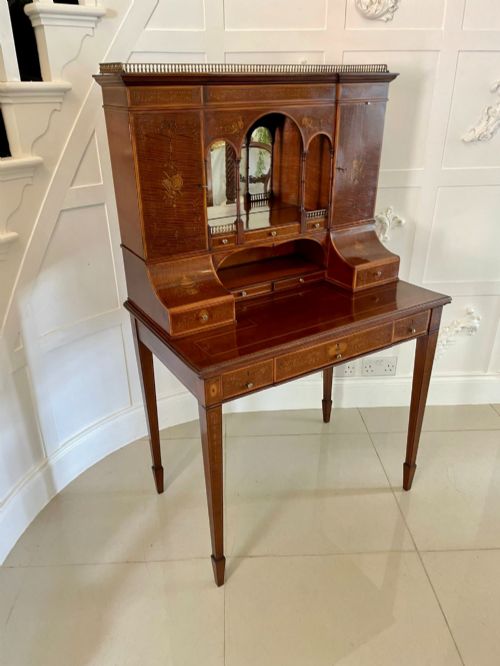

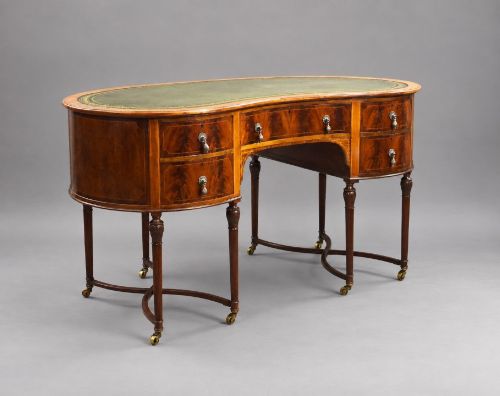
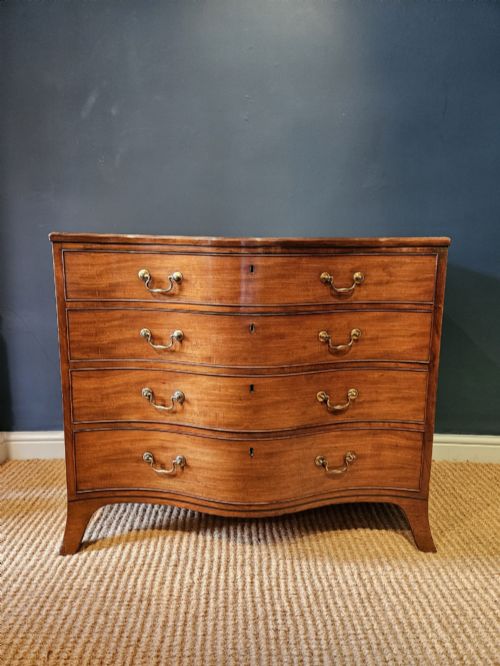
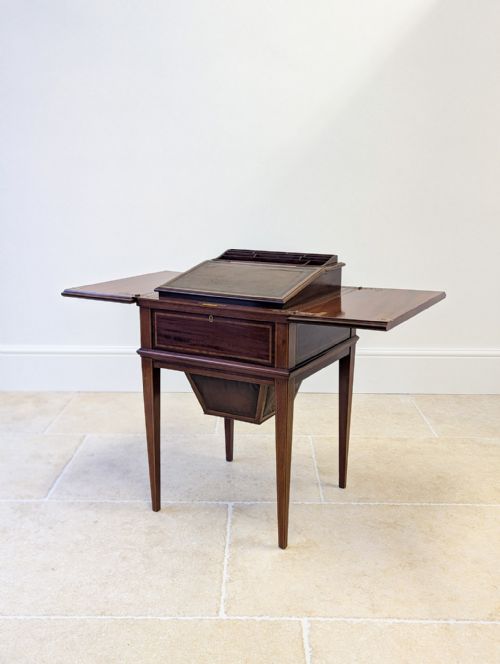
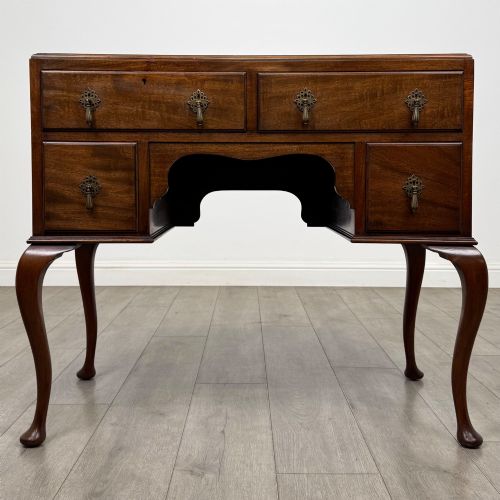
Edwardian Mahogany Bureau
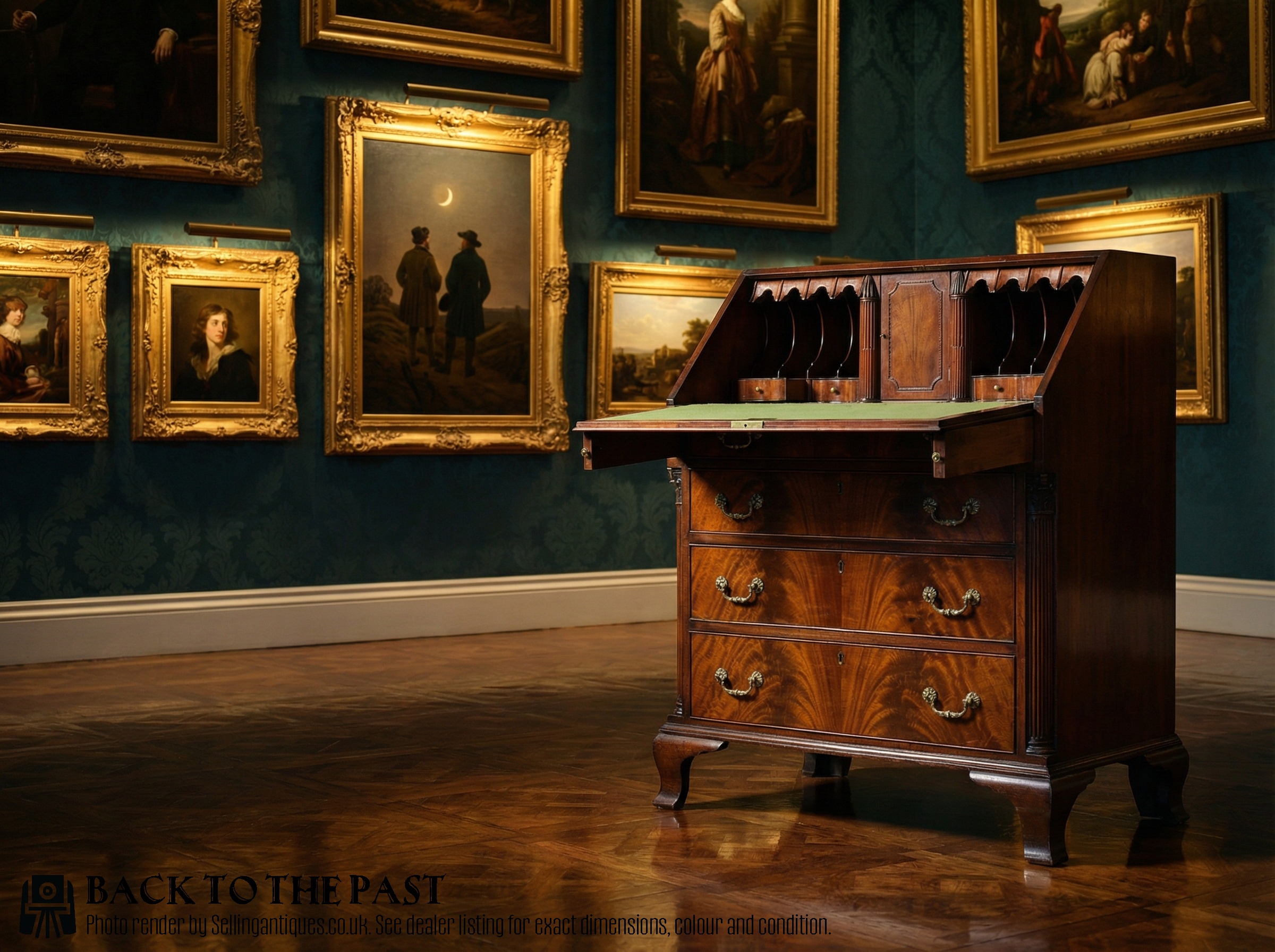
When you search for an edwardian mahogany bureau, you seek a compact writing cabinet with a sloping fall front that conceals fitted interior pigeonholes.
Edwardian Mahogany Bureau
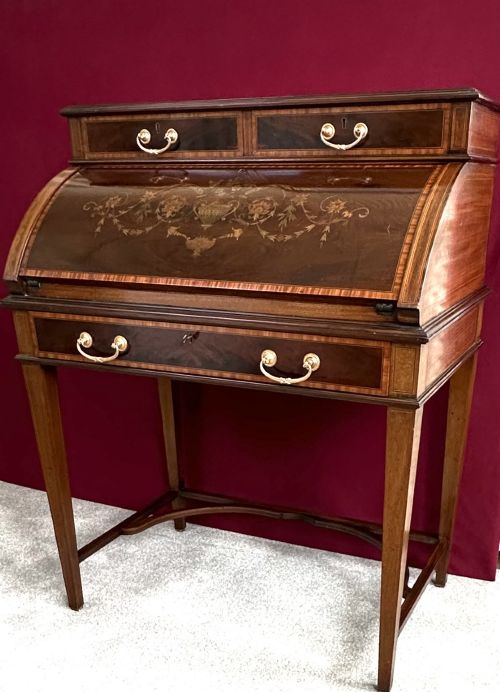
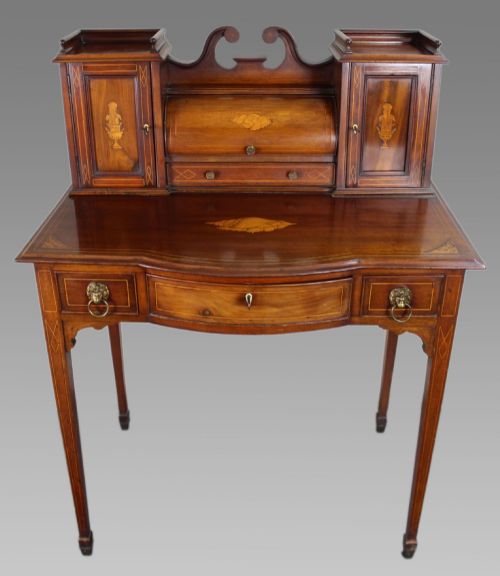
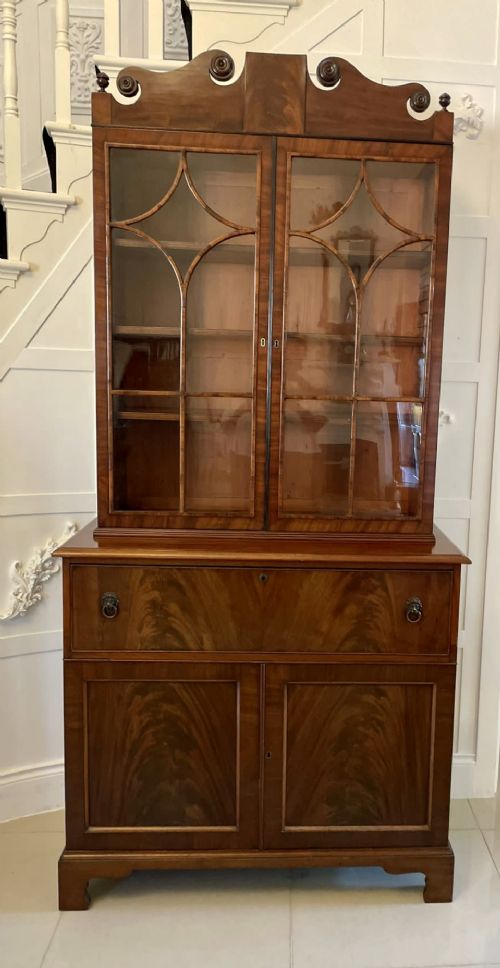
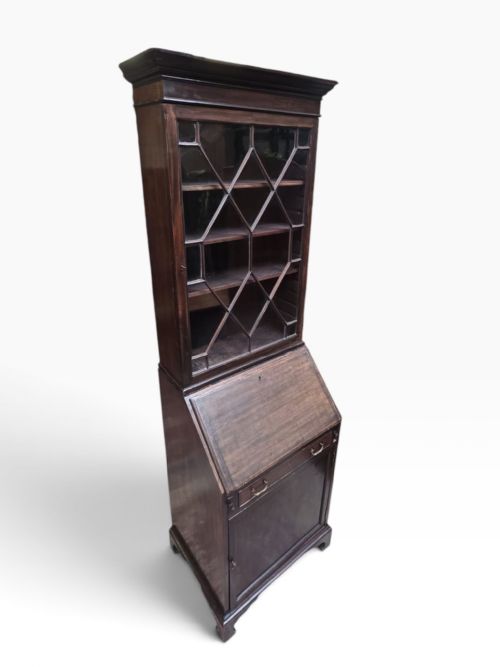
An edwardian mahogany bureau combines a practical writing desk with enclosed drawer storage, designed for domestic correspondence during the early twentieth century. You will frequently encounter fall-front models alongside taller bureau bookcases featuring glazed upper shelving.
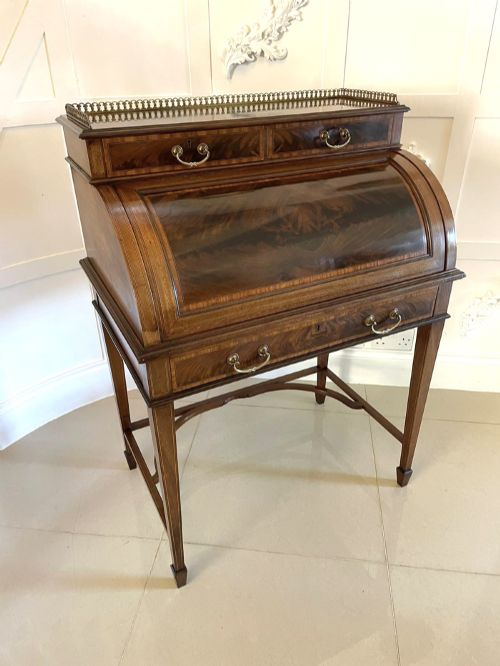
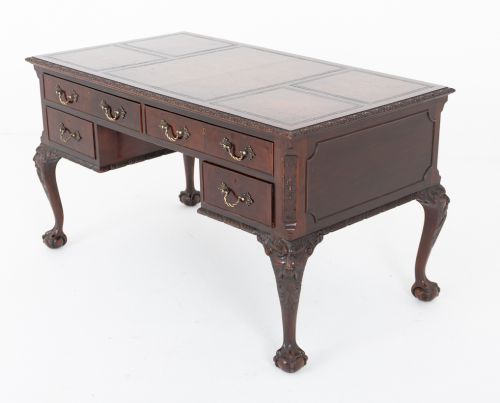
Makers of the period also produced cylinder desks and small hall bureaux, utilising mahogany solids and flame veneers. These pieces reflect revival styles spanning Sheraton and Chippendale influences.
The form developed from earlier Georgian and Victorian precedents into lighter, more manageable proportions suitable for smaller Edwardian parlours and studies.
How they were made
Cabinetmakers constructed these writing cabinets primarily from solid mahogany and flame mahogany veneers, often incorporating oak for internal drawer linings and secondary supports. Satinwood and boxwood served as contrasting stringing and banding materials for delicate inlay work.
Brass fittings, leather writing inserts, and occasional glass panels completed the structural and decorative elements. Joinery relied on precise dovetailing for drawer construction and sturdy hinges to support the descending fall front.
Edwardian Mahogany Bureau Retail Price Guide 2026
Typical asking prices for edwardian mahogany bureau among the pieces listed under this phrase on Sellingantiques today, from the lower quarter to the upper quarter. They describe what is for sale here now, not the wider market.
Many Edwardian desks hide secret miniature compartments behind sliding panels within the pigeonholes for stashing love letters.
What varies in quality
Quality rests in the crispness of the inlaid decoration and the selection of figured mahogany veneers across the fall front and drawer faces. Superior examples demonstrate meticulous timber matching and intact internal stationery fittings.
The integration of working brass locks, smooth drawer runners, and secondary timbers like oak marks the distinction between standard production pieces and finer cabinetwork.

Maple & Co·Edwards and Roberts·Turner Woodward and Co·Tudor and Burrey
The Edwardian Mahogany Bureau Glossary
- Bureau
- A writing cabinet featuring a sloping fall front that opens to reveal a fitted interior of small drawers and pigeonholes. It usually sits above a chest of drawers.
- Fall Front
- The hinged writing flap that pulls down to a horizontal position for correspondence. It conceals the internal compartments when closed.
- Flame Mahogany
- A veneer cut from the fork of the mahogany tree to create a distinctive, swirling flame-like grain pattern. Cabinetmakers placed these visually striking veneers on prominent surfaces like drawer fronts.
- Inlay
- Decorative motifs formed by inserting contrasting woods such as satinwood and boxwood into recessed areas of the primary mahogany surface. This technique created geometric borders and classical shell designs.
- Bureau Bookcase
- A tall combination piece uniting a sloping desk base with an enclosed upper shelving section, frequently featuring glass doors. It served a dual purpose for both writing and library storage.
Edwardian Mahogany Bureau: Frequently Asked Questions
How do I use a bureau desk?
You lower the hinged fall front to create a flat writing surface supported by automatic wooden lopers or hinges. The internal compartments organise letters, stationery, and small writing implements.
When correspondence concludes, you lift the fall front upward to conceal the writing area and maintain a tidy room.
How do I distinguish Edwardian from Georgian pieces?
Edwardian pieces generally exhibit lighter proportions, machine-sawn internal secondary timbers, and delicate satinwood or boxwood stringing. Their construction often reflects revivalism, blending Sheraton or Chippendale motifs with early twentieth-century manufacturing techniques.
Georgian examples tend to show heavier structural timbers, hand-cut dovetails, and deeper patination acquired through longer use over the eighteenth century.
What woods are used in these desks?
Makers relied predominantly on mahogany for the exterior solid panels and structural frames. Flame mahogany veneers provided highly figured surfaces for the main fall front and drawer faces.
Satinwood and boxwood appeared frequently as contrasting stringing or inlay details, while oak served for internal drawer linings.