
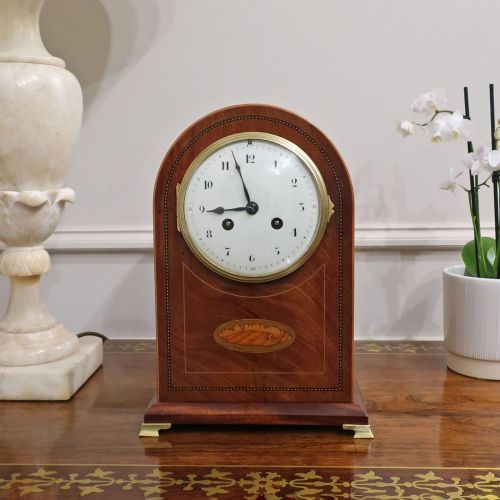
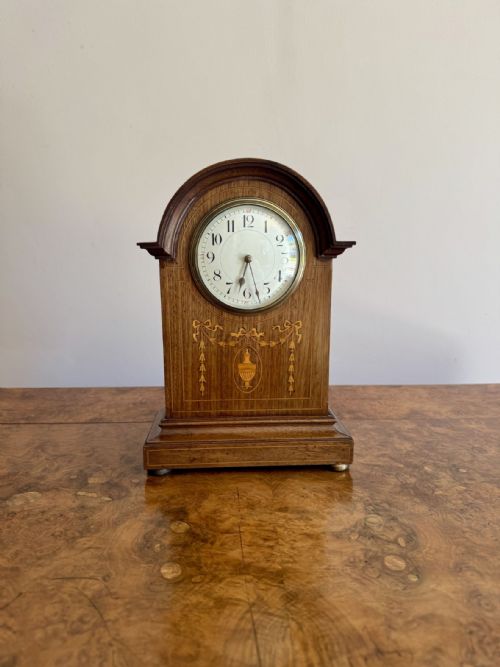
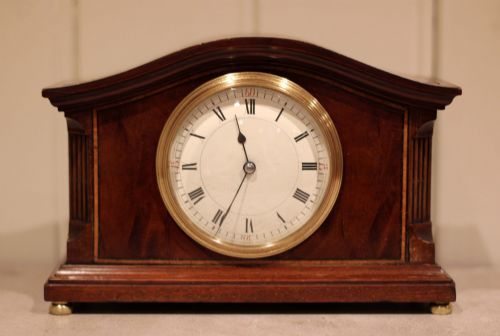
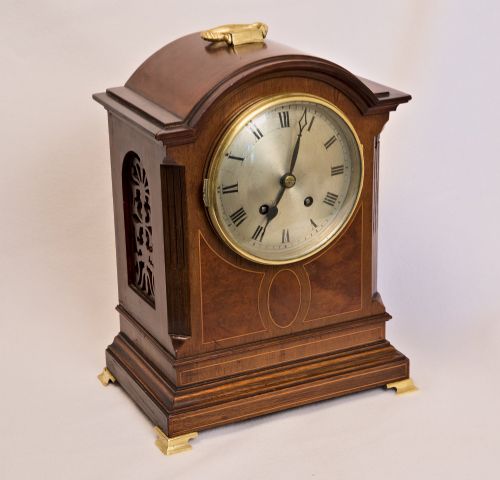

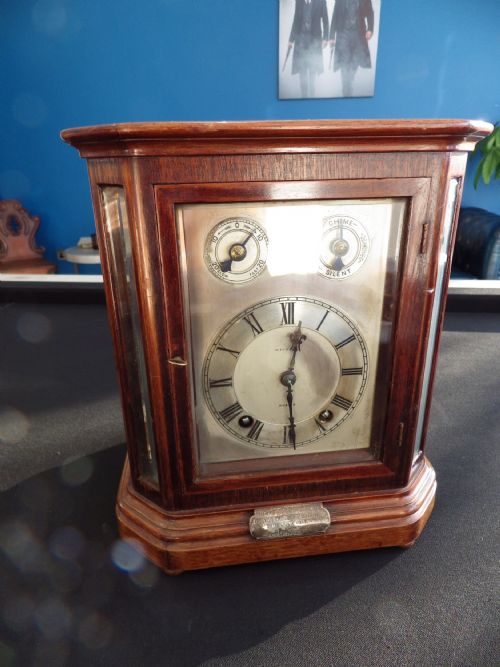


Edwardian Mahogany Bracket Clock
An edwardian mahogany bracket clock combines rich cabinet timbers with precise movement, offering both a reliable timekeeper and a striking decorative centrepiece for a mantel or desk.
Edwardian Mahogany Bracket Clock
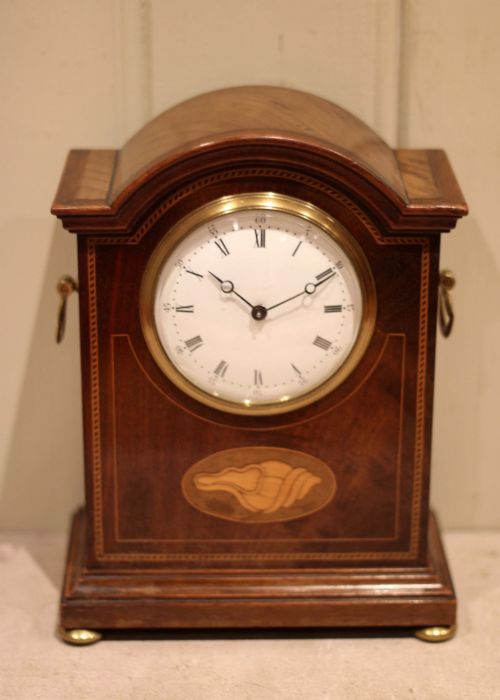
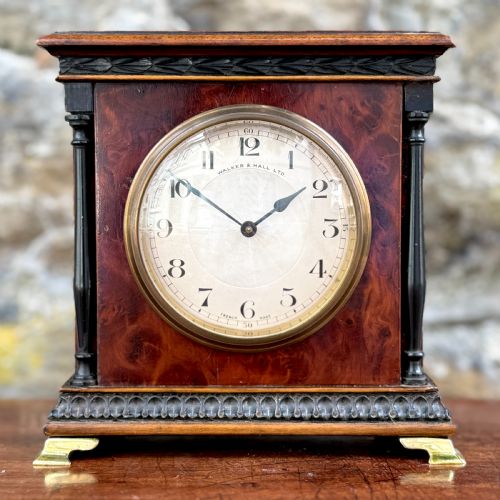
When you search for an edwardian mahogany bracket clock, you encounter portable mechanical timepieces housed in wooden cases that typically sit on a table, bracket, or mantelpiece rather than hanging on a wall. The examples on this page span the Edwardian period alongside late Victorian, Regency, and early twentieth-century eras, reflecting various regional influences including English, French, and German workshops.
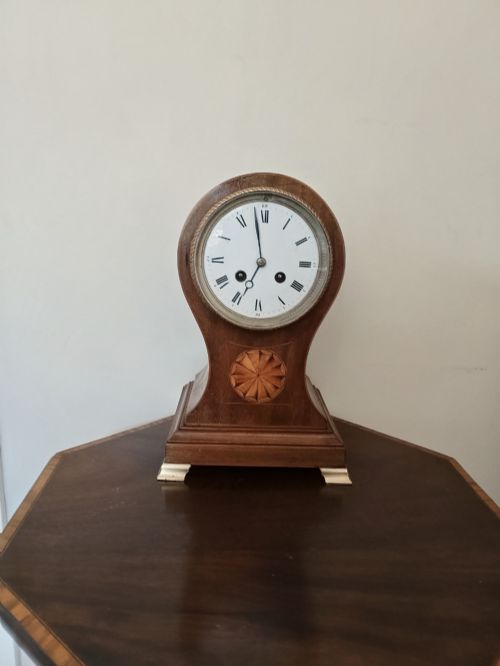
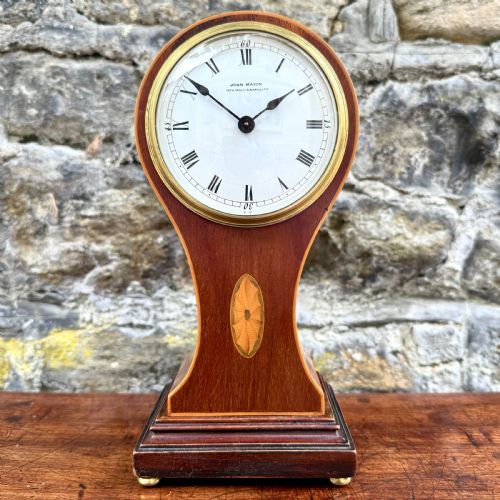
The physical forms vary from traditional dome and pad tops to lancet arches, break arches, and balloon shapes. Many pieces feature decorative details such as inlaid satinwood, boxwood, and brass work, with dial configurations ranging from silvered metal to white enamel.
While many listings describe these items as mantel clocks or table clocks, they share the heavy wooden construction and distinct striking or chiming mechanisms characteristic of traditional bracket clocks. The majority date from the early 1900s, showcasing Edwardian Sheraton Revival styles alongside French Belle Epoque and Art Nouveau designs.
How they were made
The mechanical movements rely on brass plates, wheels, and escapements, powered by weights, springs, or fusee mechanisms. Enamel and silvered metal provide the contrasting background for legible numerals behind protective glass covers.
What varies in quality
The refinement of the cabinetwork dictates much of the visual appeal, separating simple housing from cases boasting meticulous satinwood inlay, crisp brass mounts, and well-balanced proportions. Finer examples display harmonious wood grain selection and balanced architectural silhouettes, such as intact balloon or lancet arches.
Movement sophistication also distinguishes the range, with single and twin fusee mechanisms or multi-hammer chiming systems like ting-tang and Westminster chimes demonstrating higher levels of horological engineering than basic timepieces.
Walker and Hall·W. Burton·Winterhalder and Hofmeier·Dent of London·Mappin and Webb
The Edwardian Mahogany Bracket Clock Glossary
- Bracket clock
- A portable mechanical clock originally designed to sit on a wall bracket or a table. They frequently feature carrying handles and glazed side panels.
- Fusee
- A conical pulley used in mechanical clocks to maintain even power delivery as the mainspring unwinds. This mechanism improves timekeeping accuracy across the power reserve.
- Ting-tang
- A striking mechanism that uses two bells or gongs to sound the quarters and hours with a distinctive two-tone sequence. It is commonly found in English and German movements.
- Satinwood inlay
- A decorative technique where contrasting light-coloured wood is set into the darker mahogany surface. It creates geometric borders or pictorial motifs typical of the Edwardian Sheraton Revival style.
- Balloon clock
- A mantel clock featuring a curved, ogee-shaped wooden case resembling the profile of a hot-air balloon. This form became popular during the late nineteenth and early twentieth centuries.
Edwardian Mahogany Bracket Clock: Frequently Asked Questions
What is a fusee movement?
A fusee is a conical drum inside the clock that equalises the declining power of the mainspring as it unwinds. This ensures consistent driving force is delivered to the gear train for greater accuracy.
Clocks equipped with fusee movements are generally considered higher-grade horological examples from their respective periods.
How do ting-tang clocks strike?
A ting-tang striking mechanism uses two different hammers striking two gongs or bells to sound a two-tone note at the quarters. It differs from standard hour-striking clocks by providing an audible chime before the full hour count.
This melodic feature is frequently encountered in quality German and English mantel clocks.
How do I identify an Edwardian clock?
Edwardian timepieces often display lighter mahogany timbers combined with delicate satinwood or boxwood inlay work. The design styles frequently draw upon Sheraton Revival motifs or French Belle Epoque influences.
Date markers in the movement construction or retailer signatures on the dial also help confirm the era.