
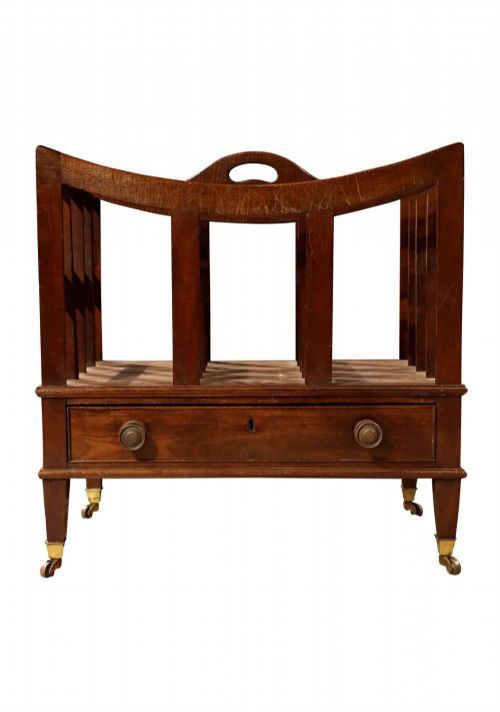


Edwardian Magazine Canterbury
When you want an edwardian magazine canterbury, you are looking at practical furniture designed to hold periodicals with upright divisions.
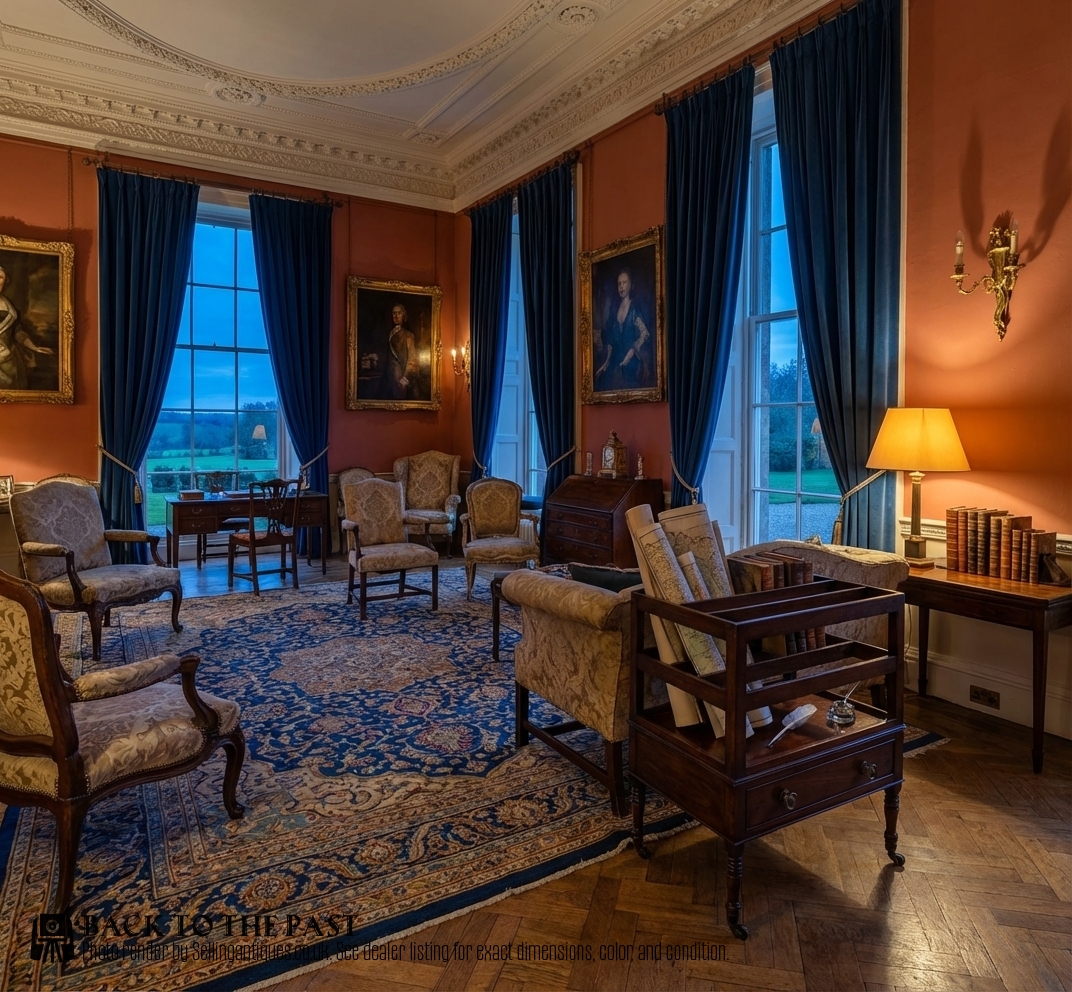
Edwardian Magazine Canterbury
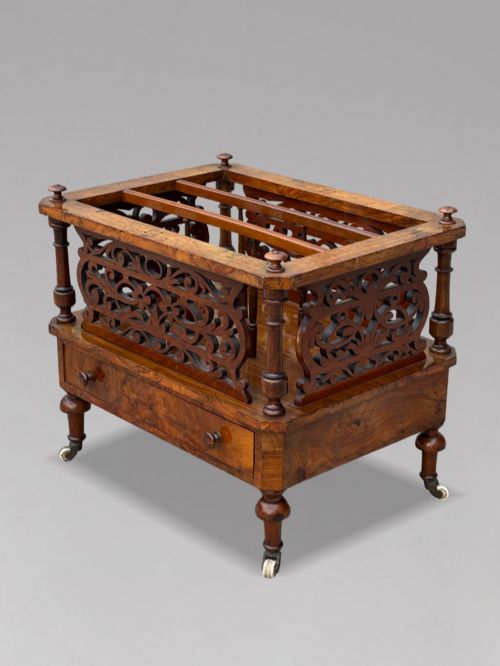
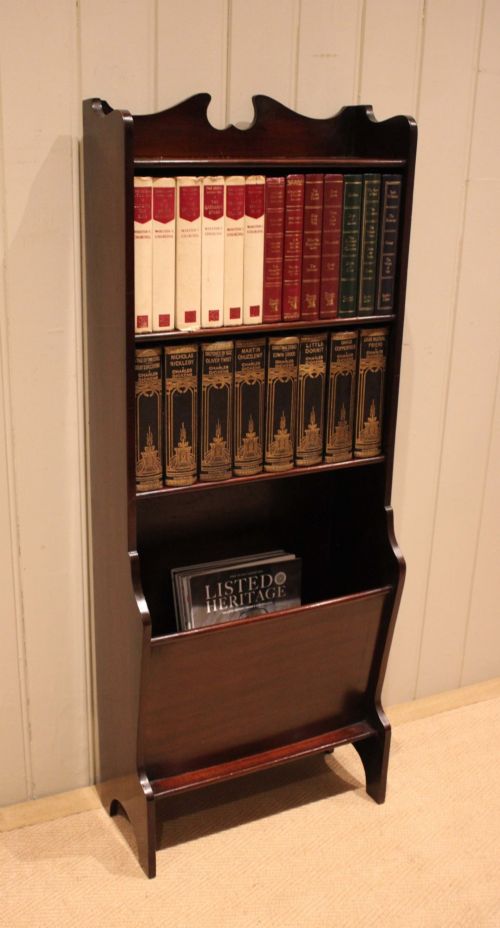
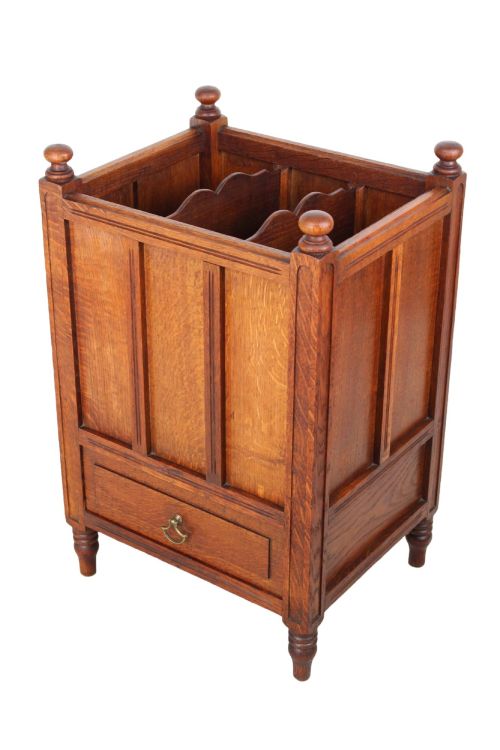
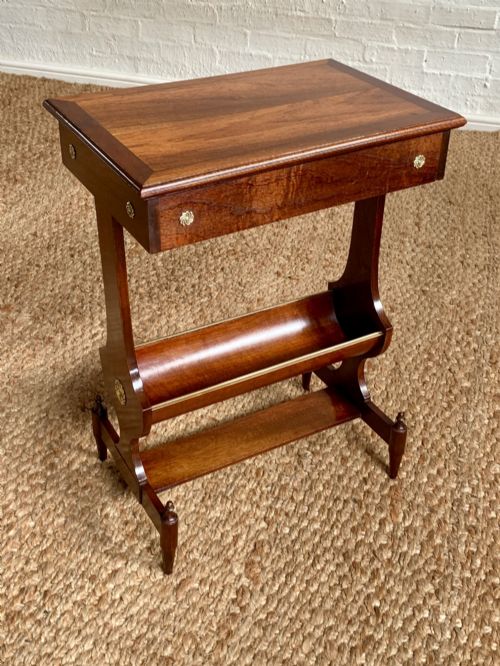
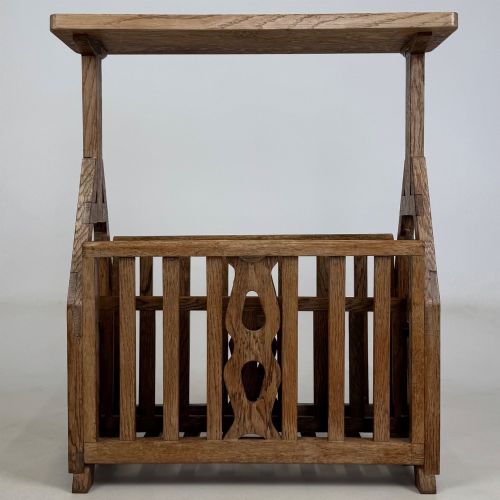
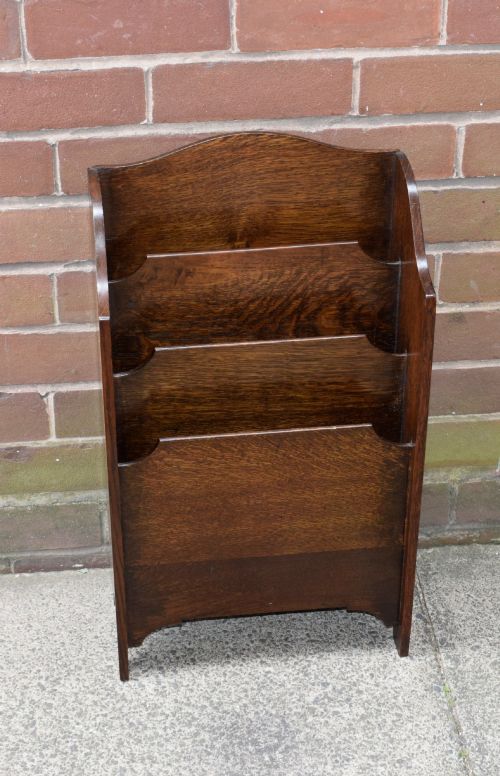
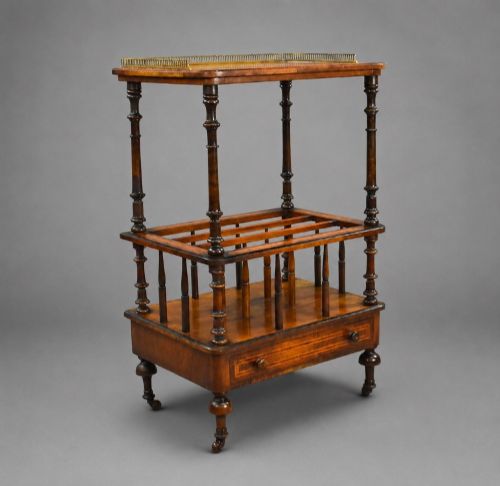
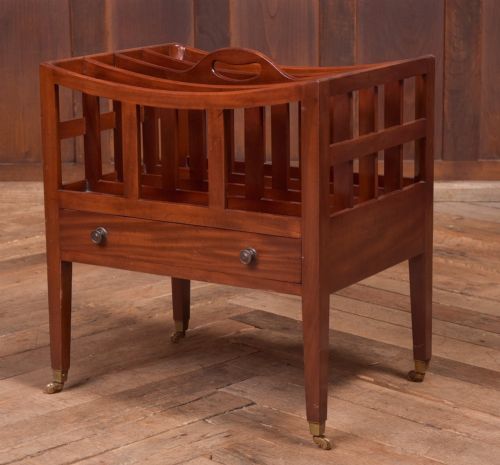
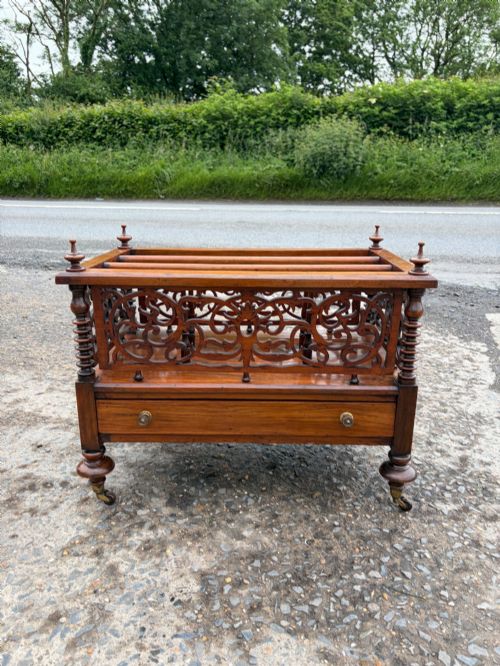
An edwardian magazine canterbury combines a compartmentalised stand for periodicals with low shelving or a single drawer, appearing frequently in mahogany or oak during the early twentieth century. These domestic pieces served sitting rooms and drawing rooms where daily papers and weekly journals accumulated.
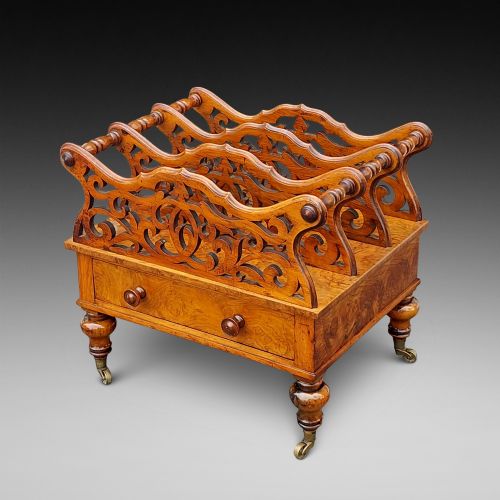
The form descends from nineteenth century examples in burr walnut, rosewood, and bamboo, retaining the slatted or divided frame meant to keep papers upright. While earlier Victorian and Regency versions lean towards ornate marquetry and turned legs, Edwardian iterations often favour cleaner lines in oak and mahogany.
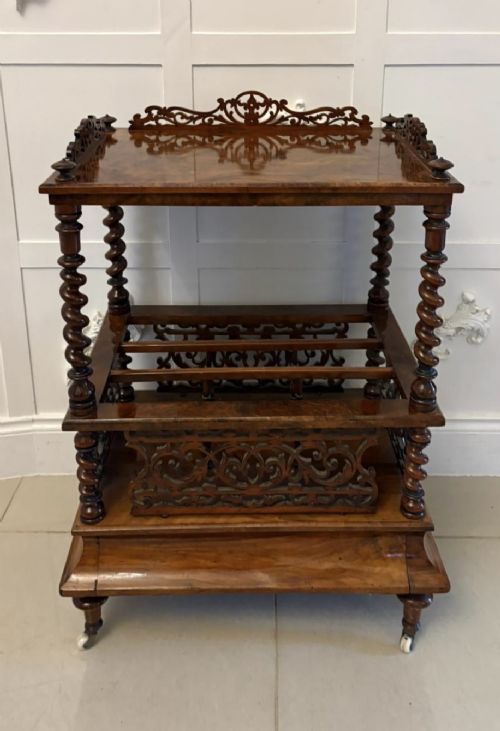
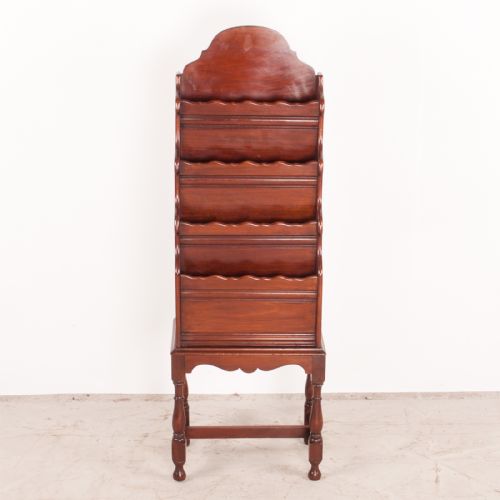
Buyers also encounter related formats such as revolving bookstands, side tables with integrated racks, and multi-tier whatnots. The primary function remains the tidy storage of reading material within a domestic interior.
How they were made
Cabinetmakers constructed these pieces primarily in mahogany, oak, and burr walnut, frequently utilising satinwood inlay or contrasting stringing for decoration. Structural frames relied on mortise and tenon joinery to support the vertical slats and compartments under regular use.
Metal components such as brass castors, handles, and occasional copper accents appear on freestanding and revolving models. Turned wooden legs or pillar supports give mobility and elevation, while marquetry panels and polished veneers finish the exterior surfaces.
Listings feature canterburys and magazine racks spanning the Victorian, Edwardian, and Regency periods, constructed in mahogany, oak, walnut, and rosewood.
What varies in quality
The grade of timber veneer and the crispness of inlay separate standard production from finer cabinet work, particularly in burr walnut and rosewood pieces. Figured grains, matched panels, and careful hand-finishing indicate a higher standard of manufacture.
Structural integrity depends on the rigidity of the upright divisions and the smooth operation of any integrated drawers or castors. Solid framing without looseness at the joints distinguishes better surviving examples.
Howard and Sons of London
The Edwardian Magazine Canterbury Glossary
- Canterbury
- A low stand fitted with upright partitions for holding sheet music, books, or periodicals. It often includes a small drawer beneath the main compartment.
- Whatnot
- A piece of open shelving with multiple tiers used for displaying or storing small objects. These often incorporate magazine compartments in later Victorian and Edwardian examples.
- Marquetry
- Decorative veneer work formed by fitting together small pieces of different coloured wood or other materials to create a picture or pattern. It appears frequently on walnut surfaces.
- Burr walnut
- Timber taken from a tree growth that produces intricate, swirling grain patterns. Cabinetmakers prized this veneer for high-status Victorian and Edwardian tabletops and canterburys.
- Castor
- A small wheel fitted to the base of a piece of furniture to allow easy movement across the floor. They are commonly made of brass and attached to turned wooden legs.
Edwardian Magazine Canterbury: Frequently Asked Questions
What is a canterbury used for?
A canterbury was originally designed to hold sheet music near a piano or music stand. Over time, the partitioned compartments made them equally suitable for holding newspapers, journals, and magazines.
In modern rooms, they continue to serve this exact purpose beside armchairs and sofas. The vertical divisions keep reading material upright and accessible.
How do I date an edwardian canterbury?
Edwardian pieces generally date from the period between nineteen hundred and nineteen ten. They often feature lighter timbers such as oak and mahogany compared to the heavy burr walnut of the Victorian era.
Construction details and simpler decorative motifs also help distinguish Edwardian work from earlier nineteenth century designs. Brass hardware and turned legs provide further chronological clues.
Can these hold heavy books?
Most canterburys are built to support newspapers, periodicals, and sheet music rather than heavy folio volumes. The vertical slats and lighter frames are engineered for everyday paper goods.
Placing excessively heavy hardback books in them can strain the structural joints over time. Lighter reading materials are best suited to the compartments.
Where should I place a canterbury in my home?
These pieces fit naturally beside a sofa, armchair, or desk where periodicals are read regularly. Their compact footprint allows them to occupy small spaces between furniture.
Revolving stands and side tables with built-in racks work well next to seating areas. They keep reading materials close at hand while adding traditional character to a room.