

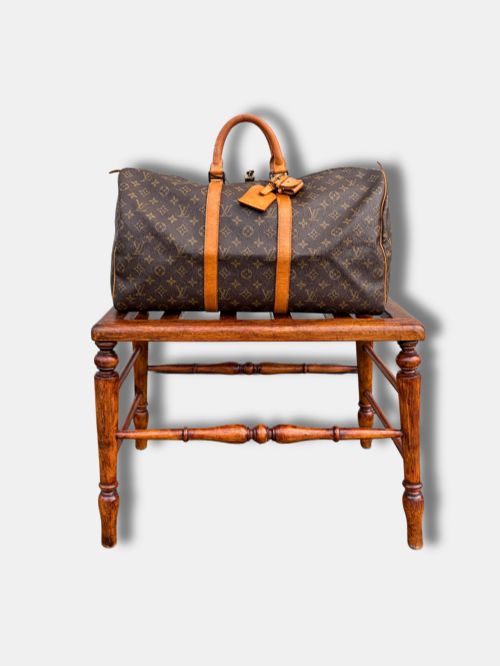
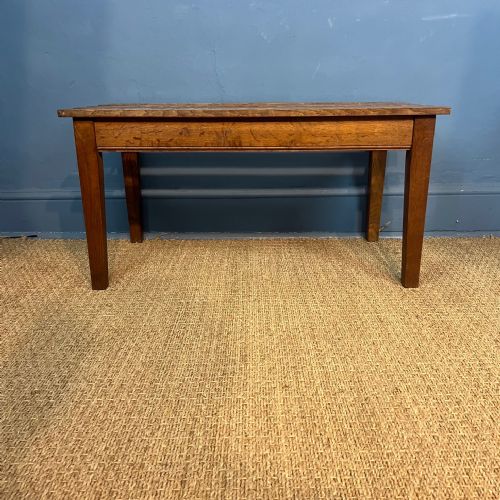
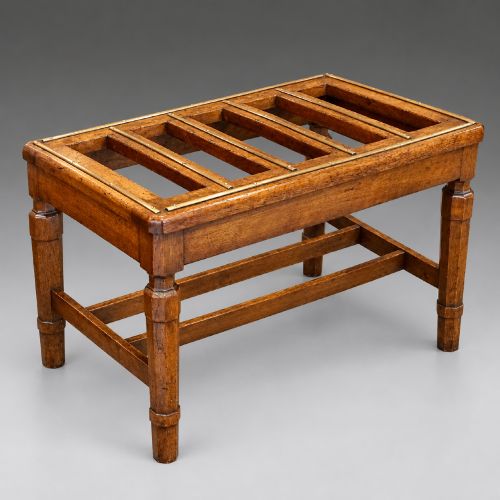
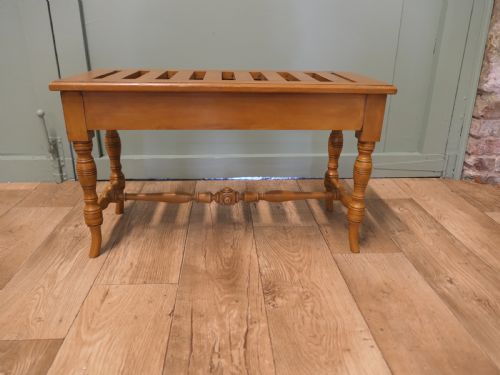


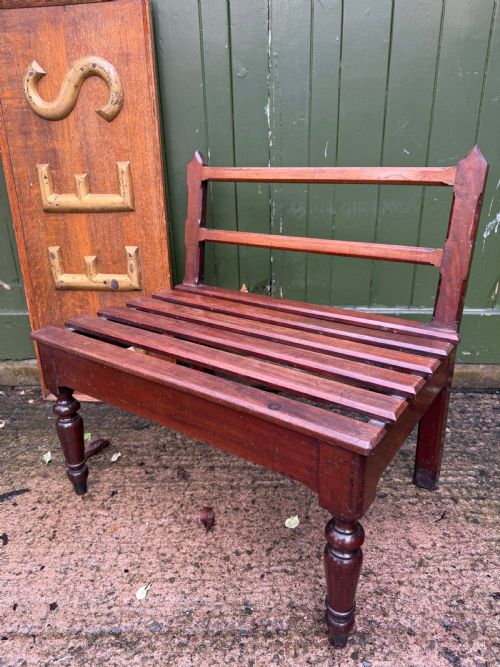

Edwardian Luggage Stand
These Edwardian luggage stand examples offer sturdy, folding support for suitcases and double neatly as bedroom nightstands.
Edwardian Luggage Stand
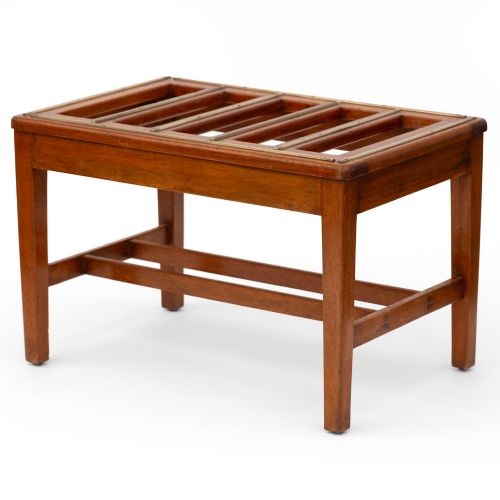
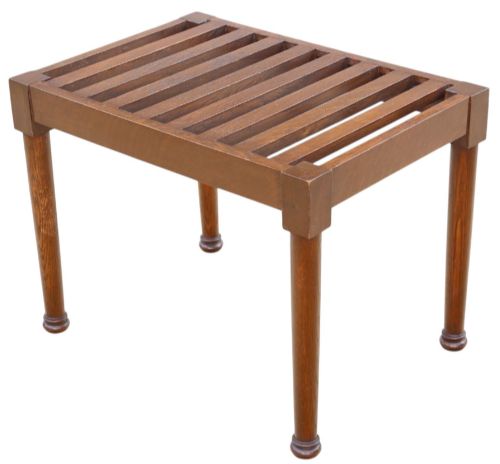
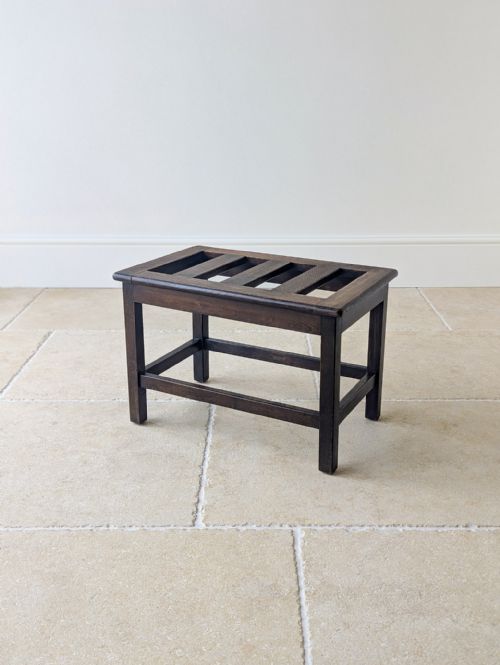
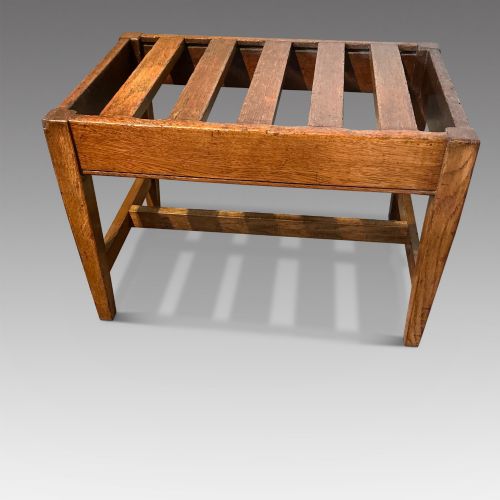
When you search for an edwardian luggage stand, you encounter practical furniture designed for guest bedrooms in country houses and hotels. The pieces span the Edwardian era, the late nineteenth century, and the early twentieth century, taking the form of folding racks, low tables, and trunks.
Oak and mahogany dominate the selection, alongside ash, beech, and wrought iron. Makers such as Waring & Gillow and Wylie & Lochhead produced formal examples, while estate workshops turned out simpler versions in native timbers.
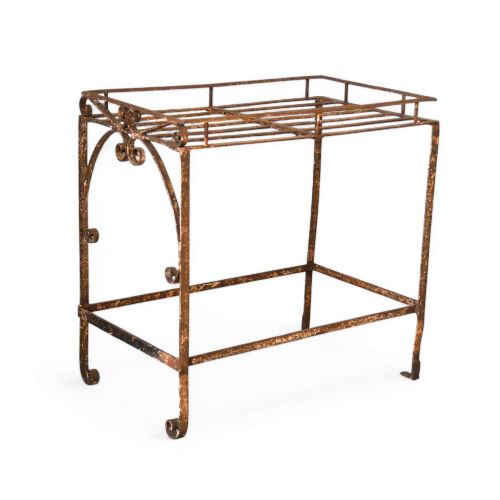
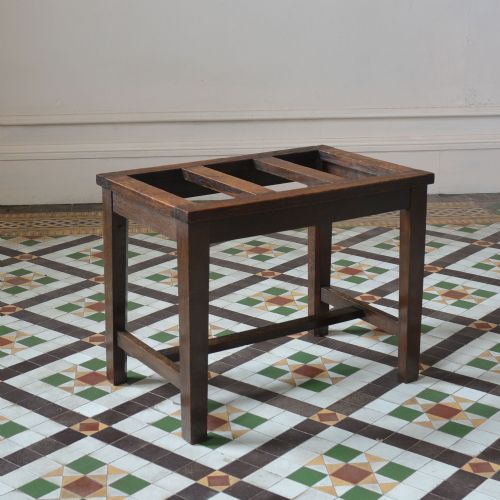
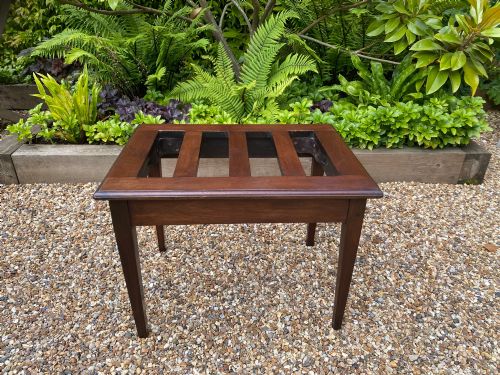
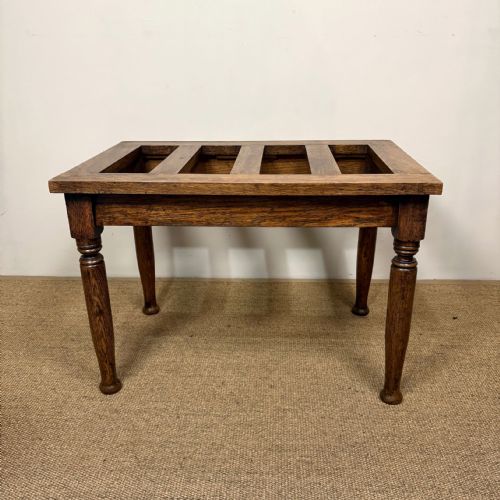
Most pieces function as suitcase supports with slatted tops and folding legs, though some include raised rear upstands or lower shelves. Their adaptability suits modern interiors as bedside tables or hallway benches.
How they were made
Carpenters built these stands primarily in solid oak and mahogany, using sturdy mortise and tenon joints to withstand the heavy weight of travel trunks. Selected pieces feature decorative details like satinwood inlay, carved oak accents, or ebonised finishes.
Folding X-frame mechanisms utilise brass hinges, canvas webbing, or leather straps to allow the stands to pack flat when not in use. Industrial trunks incorporate heavy brass hardware, wood slats, and leather bindings stamped by makers.
Edwardian Luggage Stand Retail Price Guide 2026
Typical asking prices for edwardian luggage stand among the pieces listed under this phrase on Sellingantiques today, from the lower quarter to the upper quarter. They describe what is for sale here now, not the wider market.
What varies in quality
The distinction between a standard utility piece and a superior model lies in the timber selection and maker provenance. High-quality stands exhibit finely figured mahogany or quarter-sawn oak, crisp carving, and robust structural joinery.
Branded items bearing stamps from known cabinet makers command greater interest due to documented craftsmanship. Simpler estate-made iron or pine pieces rely on utilitarian sturdiness rather than decorative refinement.
Waring & Gillow·Wylie & Lochhead·Louis Vuitton
The Edwardian Luggage Stand Glossary
- Campaign case
- Portable furniture designed for travel by military officers or wealthy travellers, featuring robust construction, brass corners, and folding elements.
- Slatted top
- A surface constructed from parallel strips of wood with gaps between them, allowing air circulation around trunks and suitcases.
- Ebonised
- Wood treated with a chemical stain or finish to imitate expensive ebony. This technique was popular for achieving a sleek, dark appearance on bedroom furniture.
- Malle penderie
- A French wardrobe trunk designed to hang garments upright during transit. These substantial pieces feature internal compartments and secure latches.
Edwardian Luggage Stand: Frequently Asked Questions
How were luggage stands used originally?
Guests in country houses and hotels placed leather trunks and suitcases upon the stands to unpack without bending to the floor. The height kept luggage at a convenient level for packing.
Servants folded the stands away when rooms were unoccupied to save space. Many items included lower shelves for boots or folded garments.
Can I use an antique luggage stand as a bedside table?
These stands fit beside modern beds because their dimensions match standard nightstand heights. The slatted or flat tops hold lamps, books, and glasses securely.
Folding versions provide flexible placement in guest rooms where extra surface space is needed temporarily.
How do I distinguish Edwardian pieces from Victorian ones?
Edwardian examples tend to feature lighter timbers, simpler lines, and occasional satinwood inlay. Victorian pieces often display deeper proportions, darker finishes, and heavier turnings.
Both periods overlap in construction methods, making specific dates rely on maker stamps or stylistic cues.
What materials should I expect to find?
Solid oak and mahogany form the majority of the surviving framework. Secondary woods include ash, beech, and painted pine.
Hardware typically consists of brass hinges and handles, while webbing employs sturdy canvas or leather straps.