



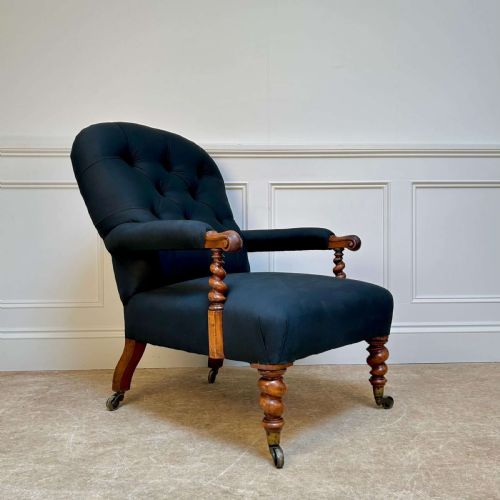
Edwardian Library Armchair
An Edwardian library armchair brings solid construction and rich materials together, offering a stately seat for reading rooms and studies.
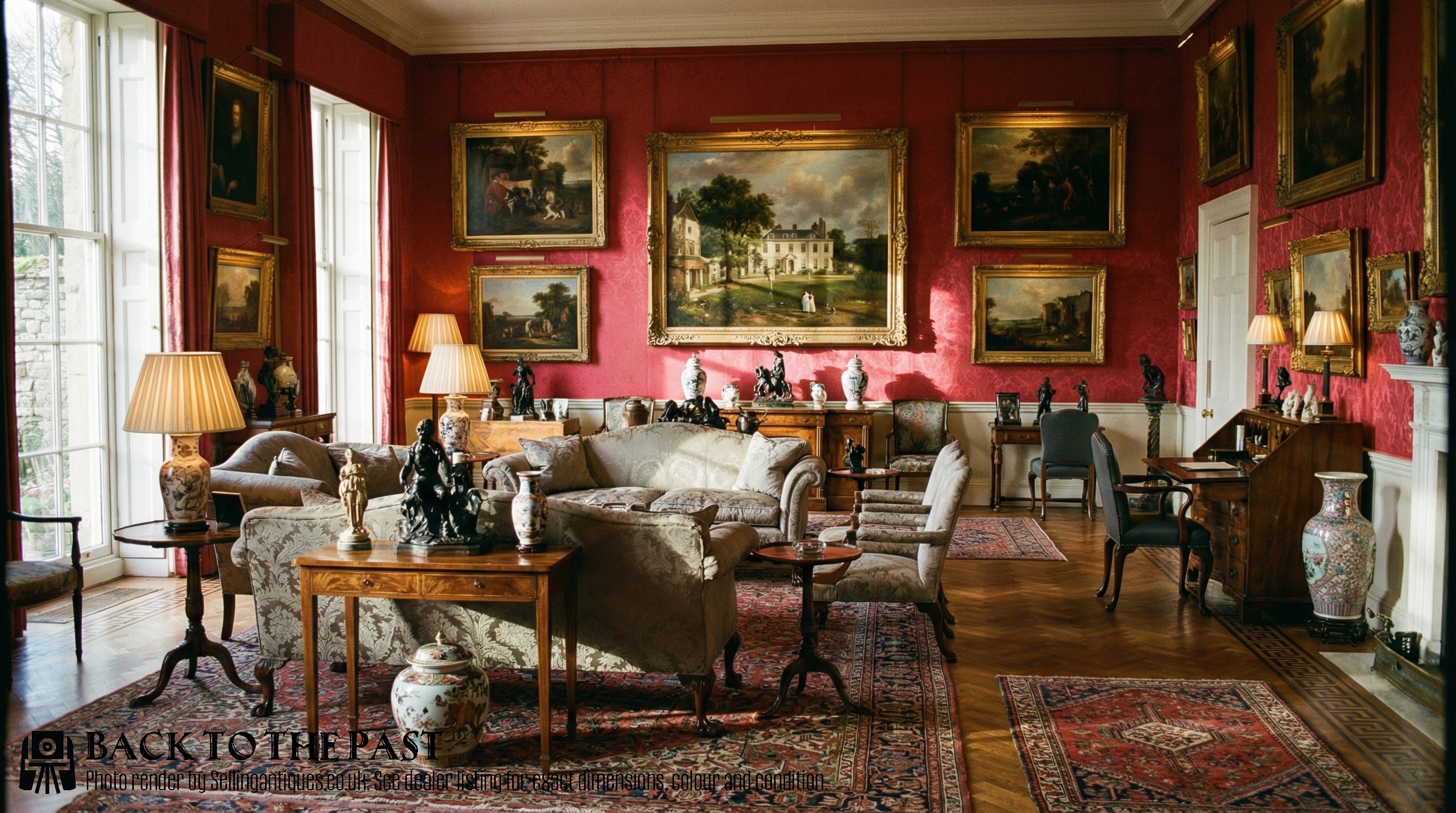
Edwardian Library Armchair
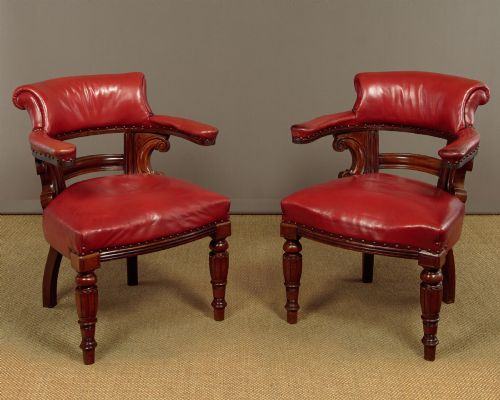
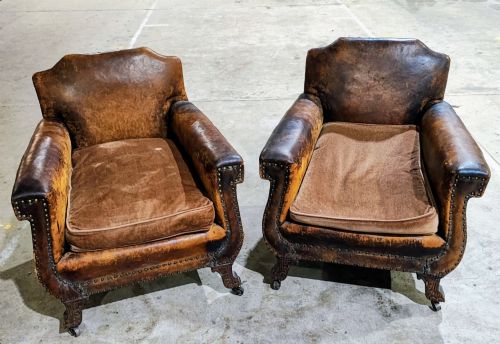
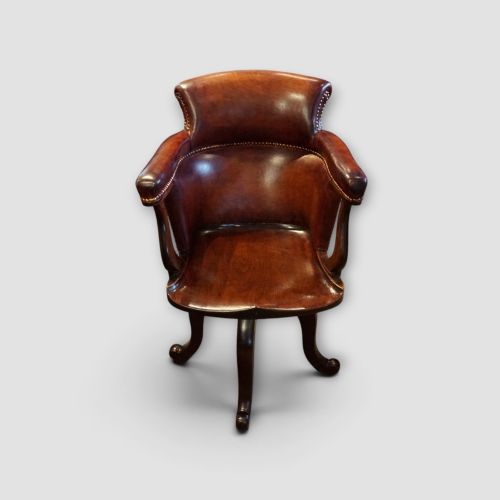
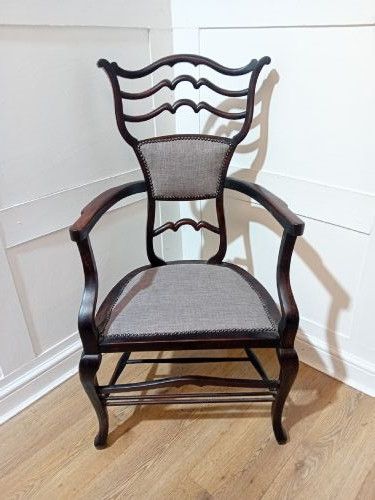
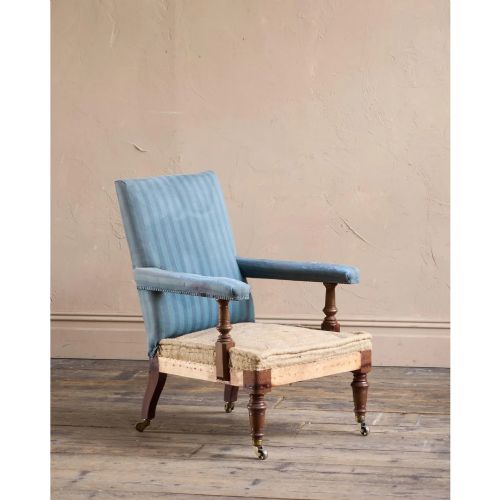
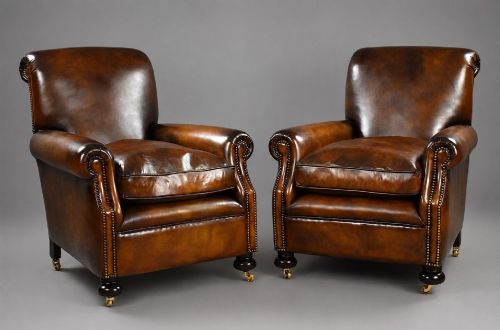
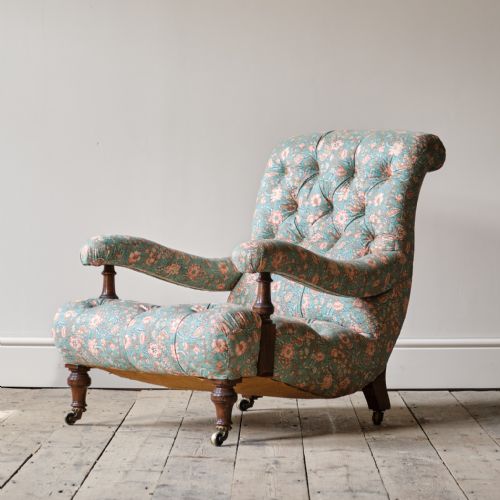
An edwardian library armchair is a sturdy, comfortable seat designed for reading and study, combining the refined woodwork of the period with durable upholstery. These chairs appear in several distinct forms across the listings, ranging from spacious leather club chairs to open armchairs and desk chairs.
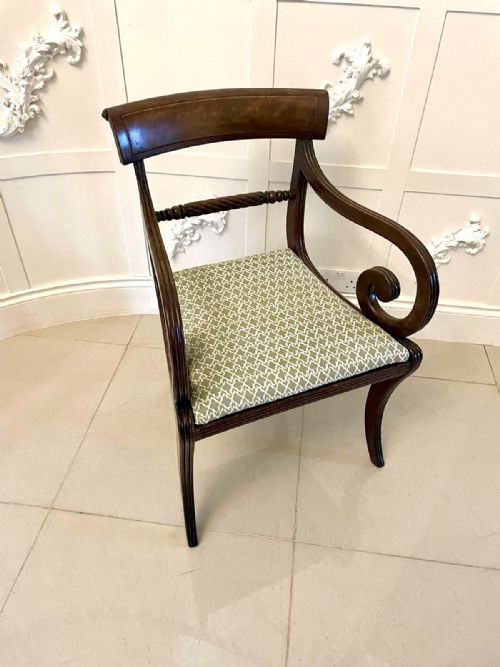
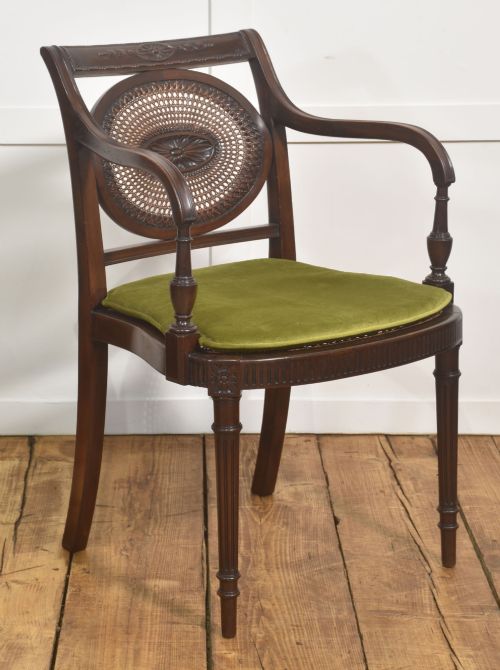
Mahogany and oak form the primary timber framework of these pieces, frequently paired with supple leather or woven cane panels. Many examples display influences from earlier design eras, including Sheraton Revival, Georgian, and Regency styles, alongside Edwardian Empire and Scottish School variations.
How They Were Made
Cabinetmakers constructed these frames using dense hardwoods like mahogany, walnut, and oak, often incorporating detailed marquetry inlay or blind carving. Joinery methods relied on traditional mortise and tenon techniques to ensure long-term stability under heavy daily use.
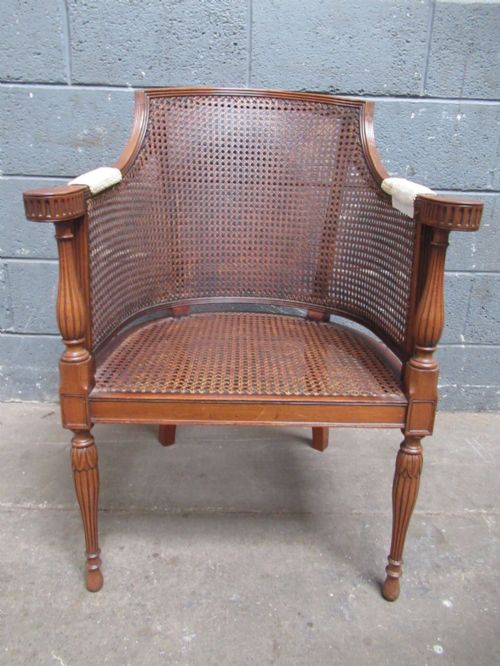
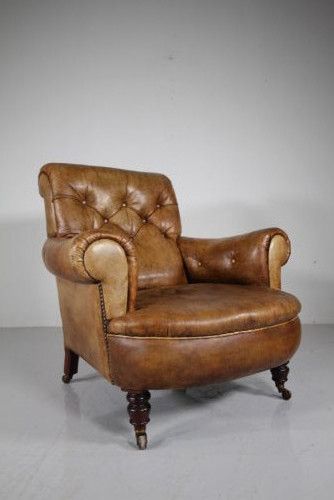
Upholstered versions utilised hand-dyed English hide leather, velvet, or fabric stretched over supportive springing, whilst bergère variations featured tightly woven cane panels along the back and sides. Brass hardware, studs, and revolving mechanisms completed the construction of office and desk variants.
Listings feature mahogany, oak, and walnut frames combined with leather, cane, velvet, and fabric across Edwardian, Victorian, and Georgian revival styles.
What Varies in Quality
The standard of timber selection and cabinetwork largely dictates the distinction between ordinary and exceptional pieces. Finely figured mahogany or walnut paired with crisp, hand-carved details elevates a frame far above plain, utility-grade alternatives.
Upholstery execution and material grade also drive the hierarchy of these chairs. Deeply patinated hand-dyed hide leather and tightly woven cane retain their integrity and aesthetic appeal far better than replacement textiles or loose webbing.
Morison and Co·Holland and Sons·Hindley and Sons·Gillows·Robert Strahan
The Edwardian Library Armchair Glossary
- Bergere
- A closed-arm armchair with a cane-work back and sides. This French-influenced style gained widespread popularity in British seating during the nineteenth and early twentieth centuries.
- Gainsborough armchair
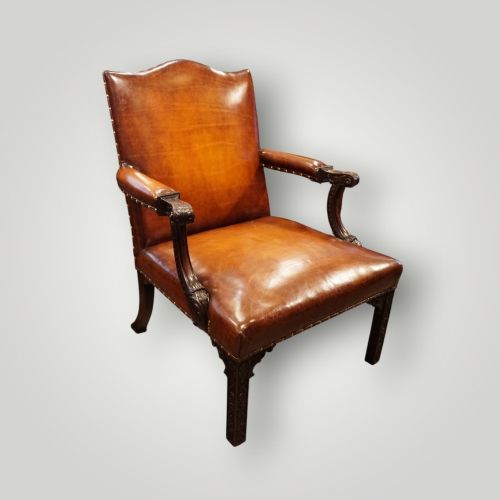
- A wide, low-seated upholstered armchair with open padded arms and short cabriole or straight legs. The form originated in the mid-eighteenth century and saw frequent revival.
- Smoker's bow
- A sturdy wooden armchair with a rounded spindle back and a solid saddled seat. These comfortable seats often served in offices and country house studies.
- Marquetry
- Decorative veneer work arranged in intricate pictorial patterns on a timber surface. Cabinetmakers utilised contrasting wood types to create geometric or floral motifs.
- Sheraton Revival
- A late nineteenth and early twentieth-century design movement inspired by the neoclassical furniture of Thomas Sheraton. Pieces typically feature light mahogany framing, satinwood banding, and delicate inlay.
Edwardian Library Armchair: Frequently Asked Questions
How do I identify an Edwardian library armchair?
Look for combination materials such as mahogany frames paired with hand-dyed leather, caning, or inlaid marquetry. Construction details and stylistic nods to Georgian or Sheraton Revival aesthetics also help confirm the period.
Examine the underside and joints for traditional cabinetmaking methods, solid timber construction, and appropriate wear consistent with early twentieth-century manufacture.
Were these chairs used only in libraries?
While designed primarily for reading rooms and institutional studies, these versatile seats also equipped private offices, drawing rooms, and country house smoking rooms. Their durable construction suited spaces dedicated to quiet work.
Leather and caned variants adapted easily to writing desks, firesides, and general lounging spaces throughout large homes.
How should I care for leather upholstery?
Maintain the leather by keeping the chair away from direct heat sources and strong sunlight, which cause drying and cracking. Apply suitable leather balms periodically to preserve suppleness and rich colour.
Dust wooden frames regularly with a soft cloth and avoid chemical polishes that can damage antique French polish or waxed finishes.
Can I use an antique desk chair daily?
Solid hardwood construction and sturdy joinery make these chairs well-suited for everyday sitting. Ensure the internal webbing and springs remain supportive if you plan to use the seat for long periods of work.
Revolving desk chairs and captain's chairs provide practical mobility and ergonomic comfort for modern home offices.