


Edwardian Landscape Artwork
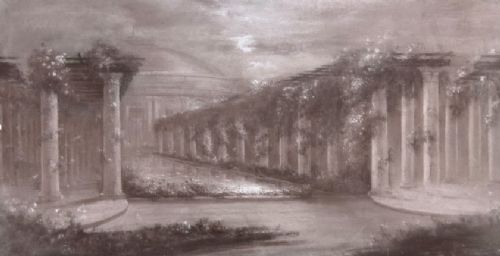
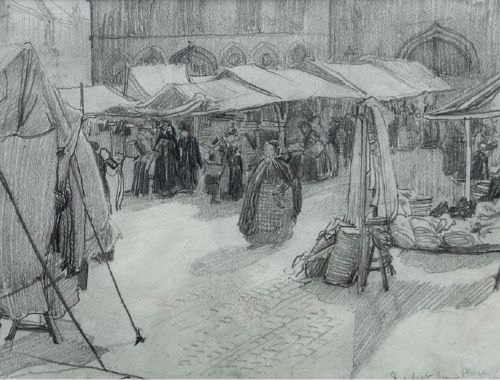
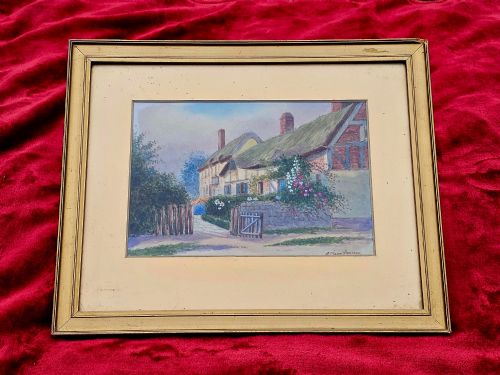
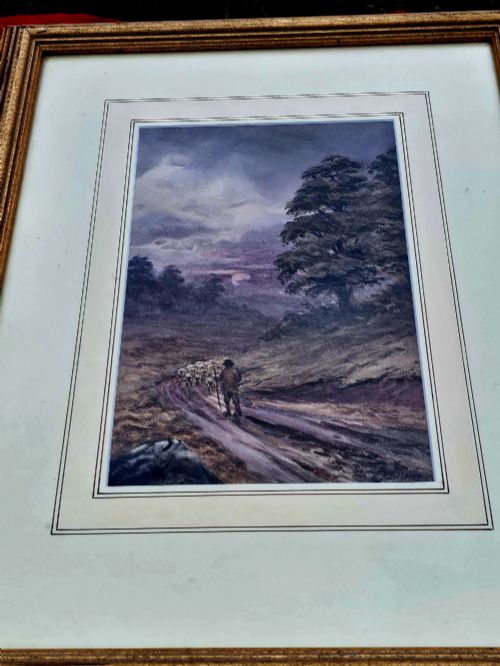
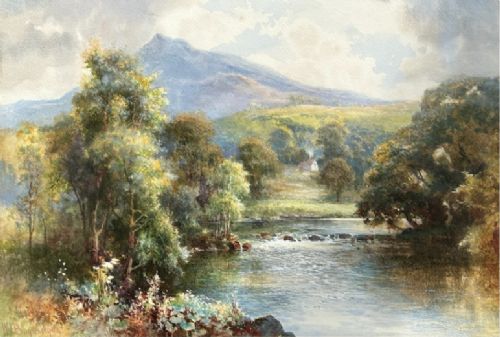
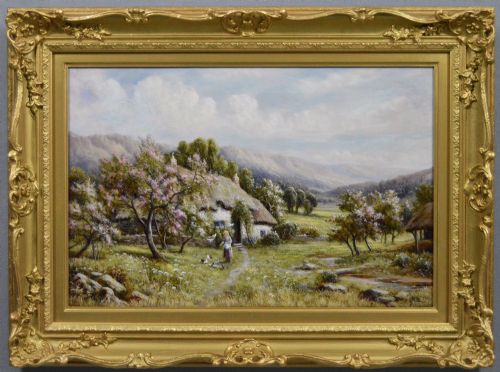
Edwardian landscape artwork captures pastoral scenes and village views through the lens of early twentieth-century British painting.
What these pieces are
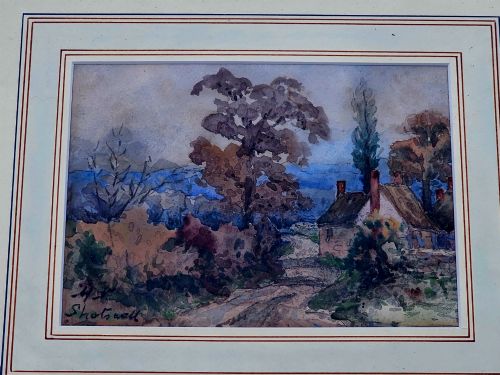
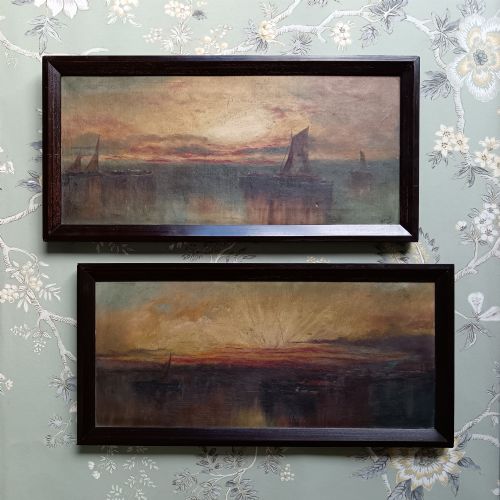
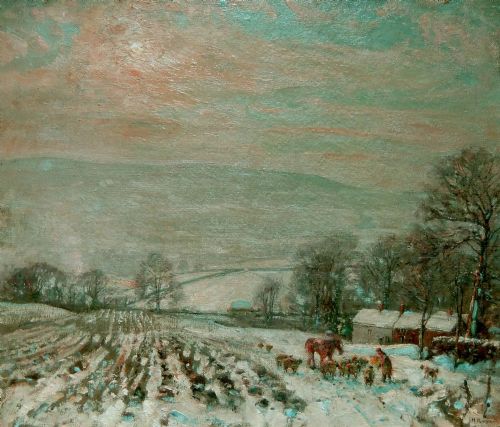
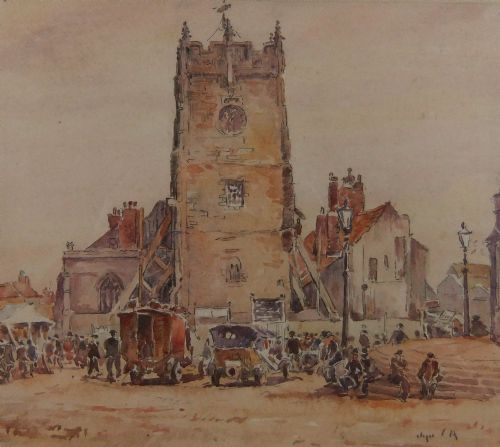
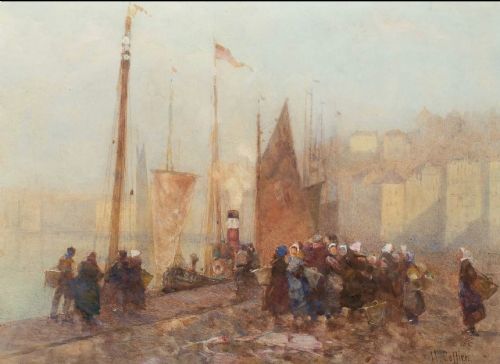
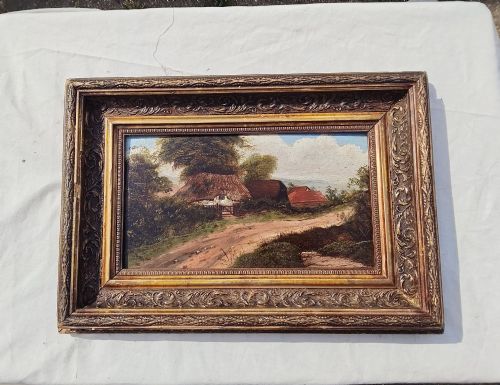
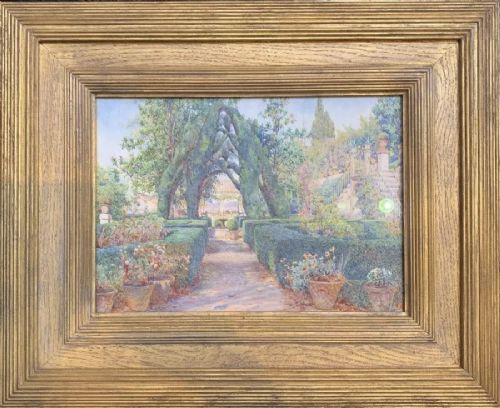
When searching for edwardian landscape artwork, collectors encounter framed wall art that records countryside views, rural settlements and pastoral meadows. The selection on this page centres on oil paintings and watercolour paintings produced across the late nineteenth century and the opening decades of the twentieth century.
Makers working within British Impressionism, Post-Impressionism and Victorian Pastoral Realism created these compositions. Works range from focused studies on paper and board to substantial canvases framed in gold leaf wood.
The dominant forms are framed oil paintings and watercolours depicting specific rural localities and harvest scenes. Pieces span dates from nineteen hundred through to nineteen thirty, alongside examples attributed generally to the nineteenth century.
How they were made
Artists built these compositions using oil paint and watercolour applied to various supports. Canvases and wooden boards served traditional oil techniques, whilst paper received fluid watercolour applications.
Makers integrated gold leaf within framing to complement the painted surfaces. These traditional materials define the physical construction of each piece listed here.
Retail Price Guide 2026
Typical UK retail prices for edwardian landscape artwork, calculated from the Sellingantiques database of over a million retail prices indexed since 2003. This retail price guide relies exclusively on Sellingantiques data; no external sources or auction records are used, so the figures do not describe the wider market.
Materials recorded across these items include gold leaf, canvas, board, wood, paper, oil paint and watercolour.
What varies in quality
Quality in edwardian landscape artwork rests upon the handling of light and the surety of the brushwork across canvas, board or paper. Stronger examples demonstrate confident pigment application that establishes atmosphere rather than mere botanical recording.
The integration of the frame, specifically gold leaf application on wood, contributes to the overall presence of the piece. Works by recognised artists carrying professional society initials exhibit superior compositional balance compared to anonymous sketches.
Kershaw Schofield·Thomas Mackay·George F. Wetherbee·James William Stamper·Archibald Kay·George Graham
The Edwardian Landscape Artwork Glossary
- Oil Paint
- A slow-drying medium consisting of pigments suspended in a drying oil, typically linseed, allowing for rich colour blending and texture on canvas or board.
- Watercolour
- A paint consisting of colourants suspended in a water-soluble vehicle, traditionally applied to paper to achieve translucent washes and delicate atmospheric effects.
- Canvas
- A heavy woven fabric stretched across a wooden stretcher frame, serving as a durable foundation for oil paintings.
- Board
- A rigid substrate used by artists as an alternative to stretched fabric for mounting oil or watercolour compositions.
- Gold Leaf
- Gold beaten into extremely thin sheets, utilised to gild wooden picture frames and enhance the presentation of the artwork.
- British Impressionism
- An artistic movement influenced by French techniques, characterised by loose brushwork and a focus on natural light in outdoor British settings.
Frequently Asked Questions
What defines edwardian landscape artwork?
These pieces capture rural British scenes through oil paint or watercolour. They reflect periods such as Victorian Pastoral Realism and British Impressionism.
Works typically feature pastoral views, village settings and harvest themes on canvas, paper or board.
How should I display these paintings?
Mount the artwork on interior walls away from direct sunlight to protect pigments and paper supports. Ensure rooms maintain stable humidity levels to preserve canvas and wood components.
Keep framed pieces secure using appropriate fixings suited to the weight of the wood and gold leaf surrounds.
How do I identify the period?
Examine the materials and framing techniques alongside any recorded dates or signatures on the surface. Works often utilise traditional supports like stretched canvas or heavy paper.
Style provides further context, with Impressionist and pastoral realist approaches aligning with early twentieth-century production.
Are these works painted on canvas?
Artists utilised multiple supports including canvas, paper and wooden board. Oil paintings frequently employ stretched canvas or board.
Watercolour compositions are executed primarily on paper supports.