
Edwardian Jewelry
Edwardian jewellery brings together delicate platinum settings, bright diamonds and rich coloured gemstones in rings, brooches and pendants shaped by early twentieth-century design.
Edwardian Jewelry
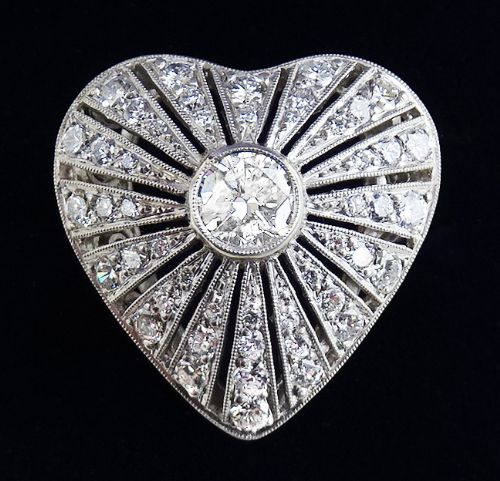
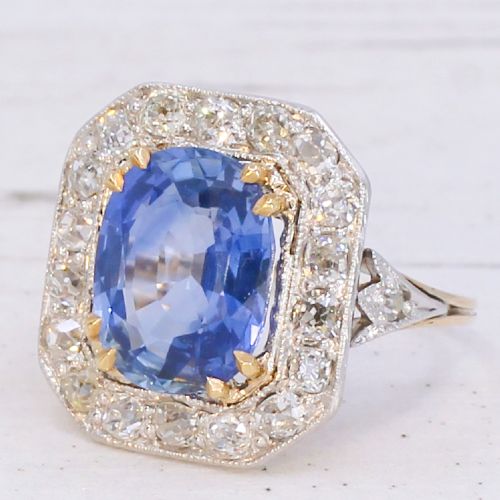
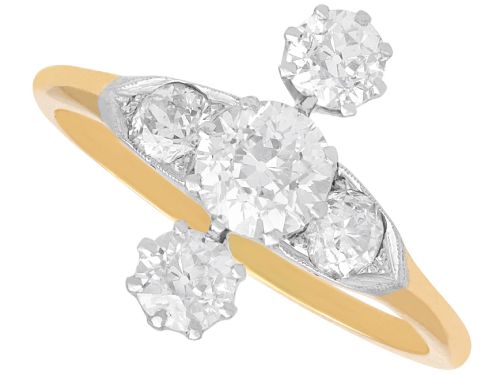
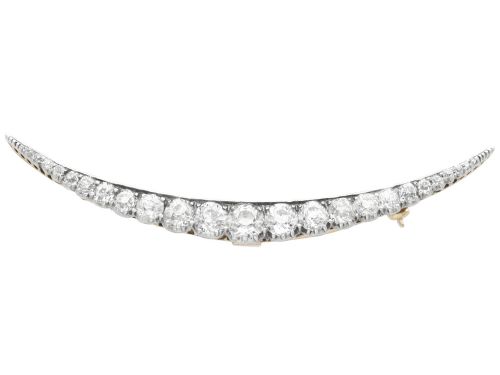
When searching for edwardian jewellery, buyers encounter items produced around the turn of the twentieth century, alongside overlapping pieces from late Victorian, Art Nouveau and Art Deco periods. The selection encompasses rings, pendants, brooches, bracelets and long guard chains fashioned in gold, silver and platinum.
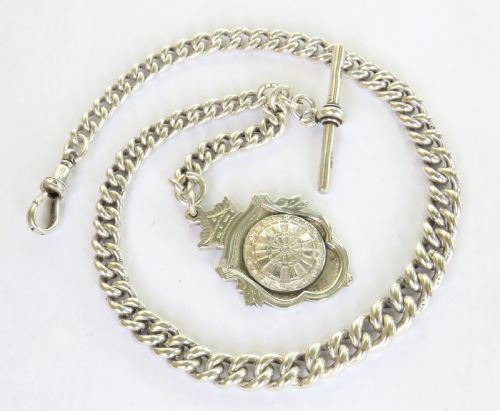
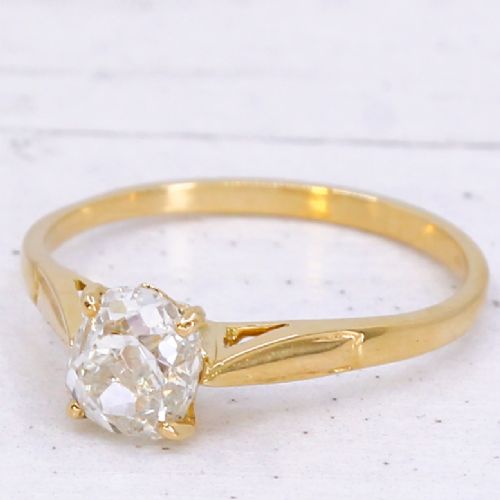
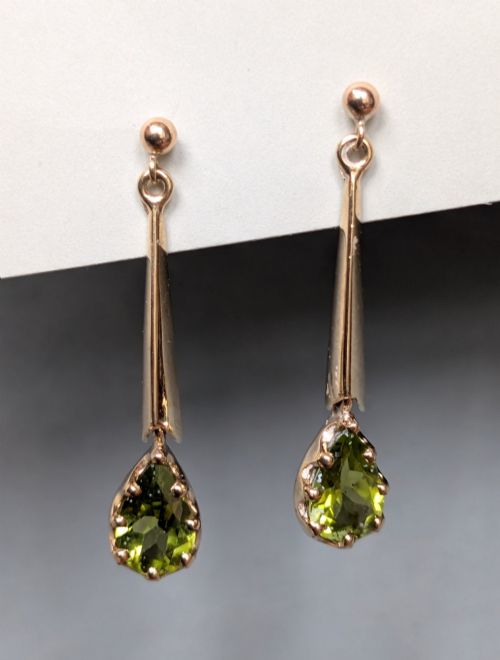
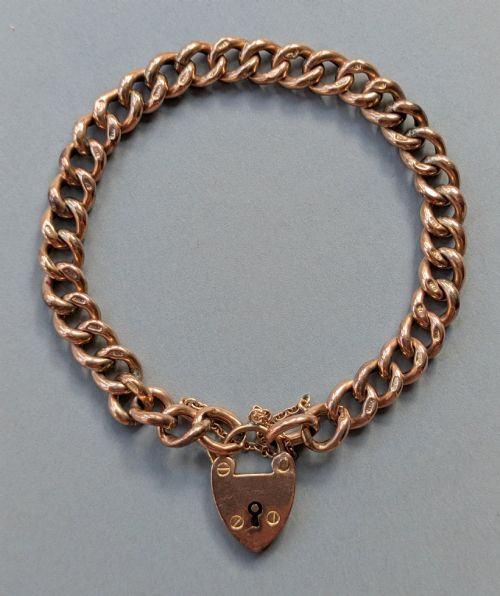
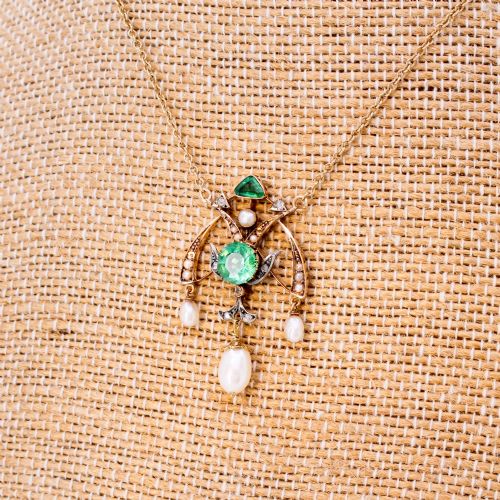
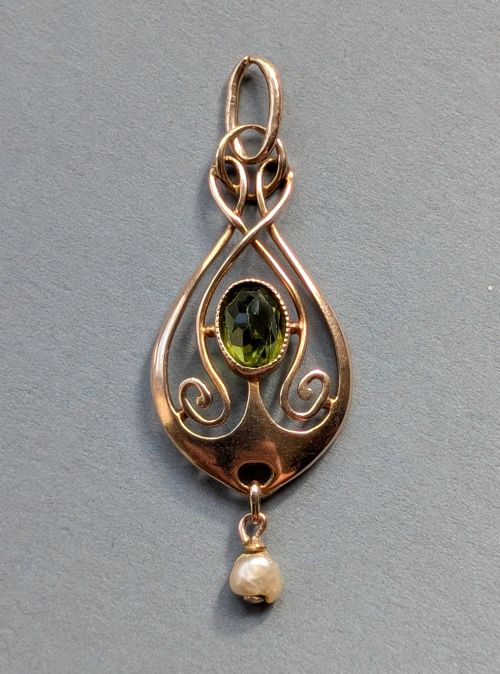
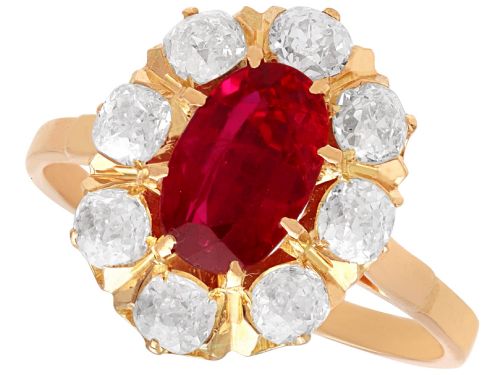
The most common items on this page are rings set with old cut diamonds, pearl and peridot pendants, and 9ct gold curb link chains with padlocks or dog clips. These pieces reflect the transition from ornate nineteenth-century styles towards lighter, airier mountings.
Originating from British and European workshops, the objects include both delicate floral drop earrings and substantial diamond cluster rings. Each form demonstrates the period's fascination with intricate openwork and natural motifs.
Materials and Construction
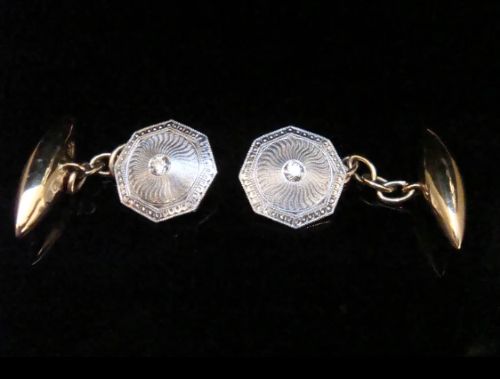
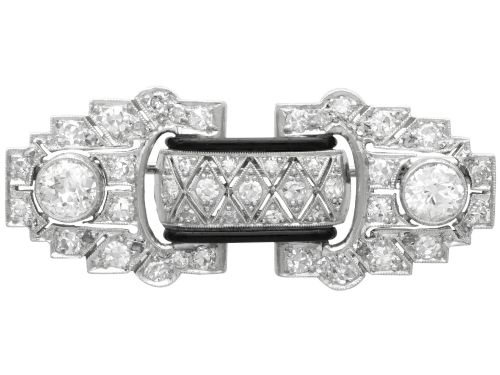
Makers utilised a combination of traditional yellow gold and newly viable platinum, which allowed for ultra-fine settings that held diamonds securely with minimal visible metal. Gold grades range from 9ct and 15ct to 18ct, often paired with silver for the faces of diamond-set brooches and rings.
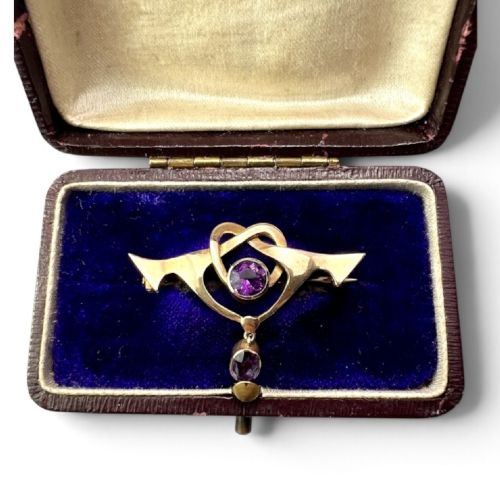
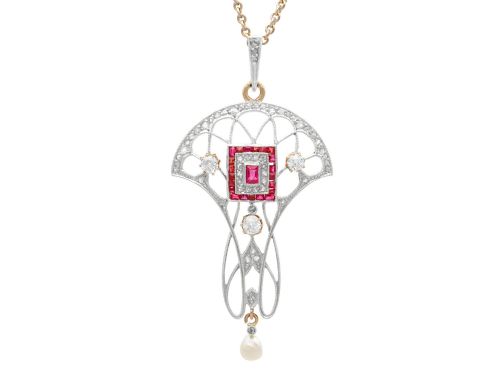
Gems such as emeralds, rubies, sapphires, zircons, amethysts and natural pearls were integrated using precise claw, bezel and pavé techniques. Enamel work and openwork floral filigree provide texture and colour alongside pierced platinum and gold frames.
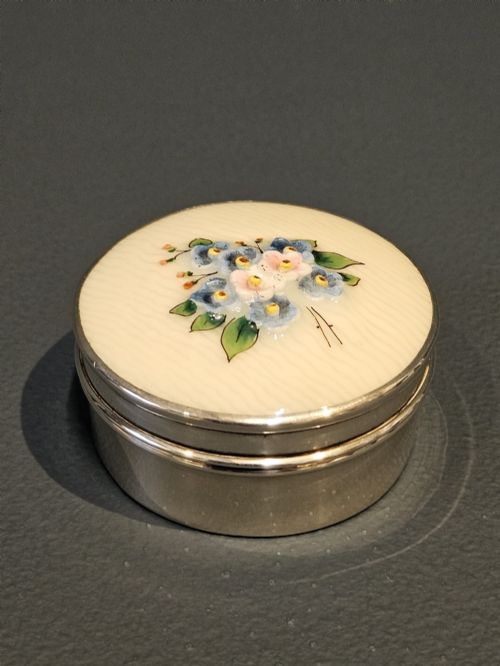
Object forms include rings, pendants, bracelets, brooches, necklaces, trinket boxes, and long guard chains exceeding sixty inches in length.
Distinctions in Quality
The standard of edwardian jewellery is determined by the fineness of the metalwork, the symmetry of the hand-pierced openwork, and the quality of the stones selected by the maker. Superior pieces display crisp junctions, secure stone seating, and well-matched natural pearls or diamonds without excessive inclusions.
The reputation of the workshop also influences the piece, with recognised makers contributing distinctive assembly methods and hallmark clarity. Condition plays a role, particularly the preservation of delicate millegrain edges and original clasps on chains and bracelets.
Deakin & Francis·Murrle Bennett·Charles Horner
The Edwardian Jewelry Glossary
- Old cut
- A diamond facet style featuring a smaller table, higher crown and larger culet, typical of stones cut before the standardisation of the modern brilliant cut. These gems display a distinctive warm glow under candlelight.
- Millegrain
- A decorative technique involving a row of tiny raised metal beads along the edge of a setting. It softens the transition between metal and stone with a textural border.
- Dog clip
- A spring-loaded swivel fastener commonly found on watch chains and charm bracelets. It secures items safely to clothing or links.
- T-bar
- A short transverse bar attached to the centre of a pocket watch chain, designed to slip through a waistcoat buttonhole. It remains a characteristic detail on antique chains.
- Openwork
- Metalwork pierced and cut away to form decorative patterns like lace or foliage. This method lightened heavy settings and increased the play of light through the piece.
Edwardian Jewelry: Frequently Asked Questions
How do I care for antique rings?
Clean these items gently using warm water and a soft brush, avoiding harsh chemical dips that can damage pearls or soft gemstones. Store them individually to prevent platinum and gold settings from scratching.
Check claw settings and millegrain edges periodically to ensure stones remain firmly in place. Professional inspection helps preserve the structural integrity of delicate openwork.
What defines the Edwardian style?
The style is characterised by light, airy constructions that often mimic lace, garlands and ribbons using platinum and diamonds. Master jewellers favoured floral motifs, natural pearls and symmetrical openwork.
This aesthetic emerged as a reaction against heavier Victorian designs. It embraced pastel coloured stones and high-contrast combinations of white metal and yellow gold.
How are chains and guard chains worn?
Long guard chains can be looped multiple times around the neck or worn as a single strand with a pendant or watch clip attached. They offer versatile styling options inspired by historical uses.
Shorter curb link chains sit closely on the wrist or neckline, frequently featuring padlocks or swivels. These function well both independently and layered with other pieces.
Can I wear these pieces daily?
Many items suit regular wear if handled with care, particularly sturdier rings and solid gold chains. Platinum mountings provide strong security for diamond settings during normal activity.
Fragile items such as seed pearl pendants or antique drop earrings require more mindful placement. Removing jewellery before swimming, sleeping or heavy manual work protects delicate components.