
Edwardian Inlaid Shelving
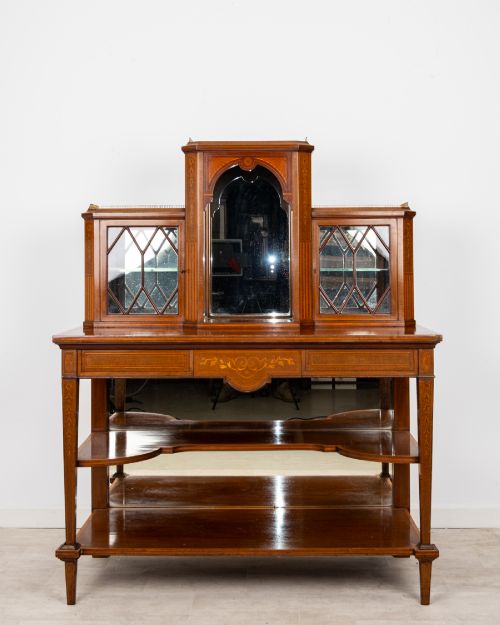
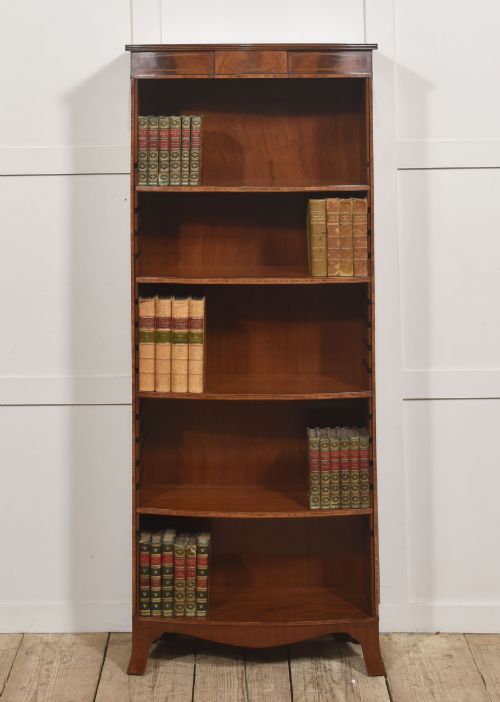
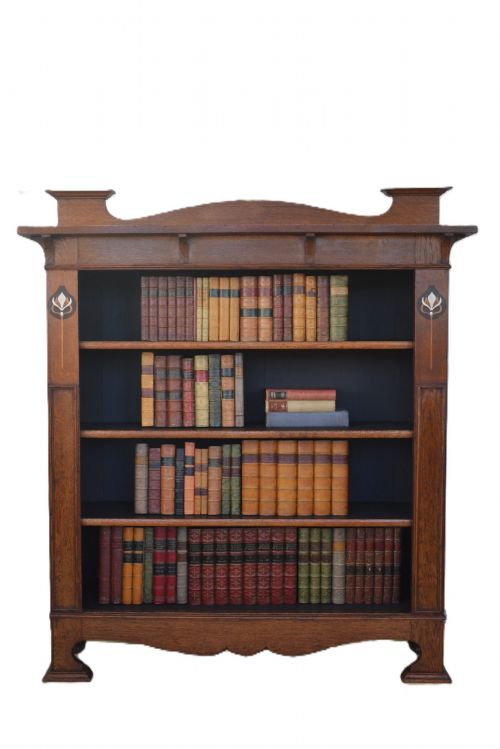
Edwardian inlaid shelving brings together warm timbers and delicate marquetry to create functional display space for books and decorative objects.
Edwardian Inlaid Shelving
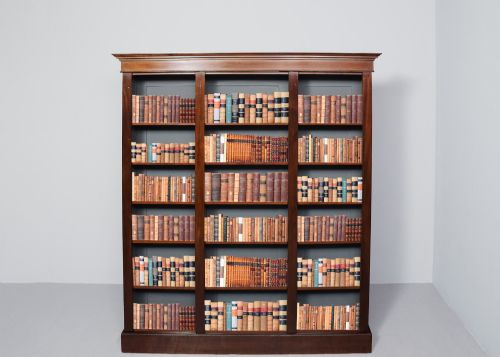
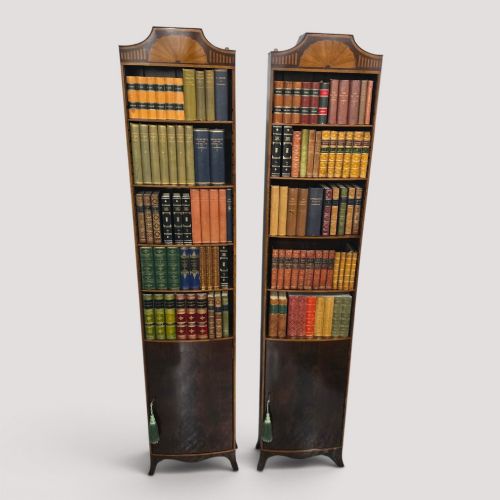
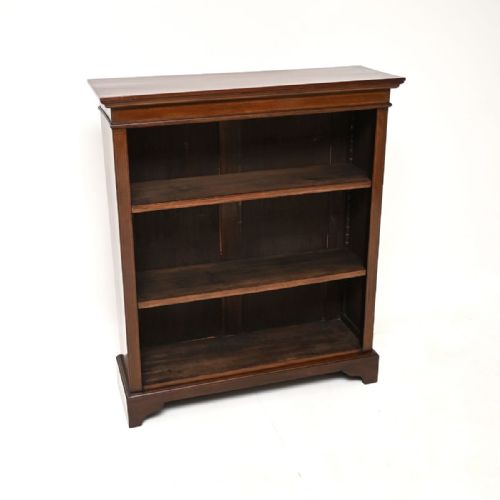
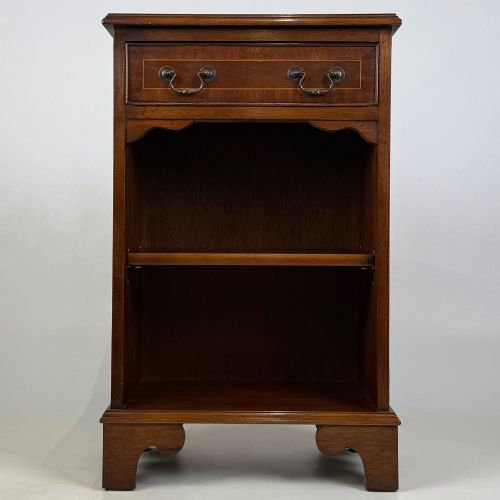
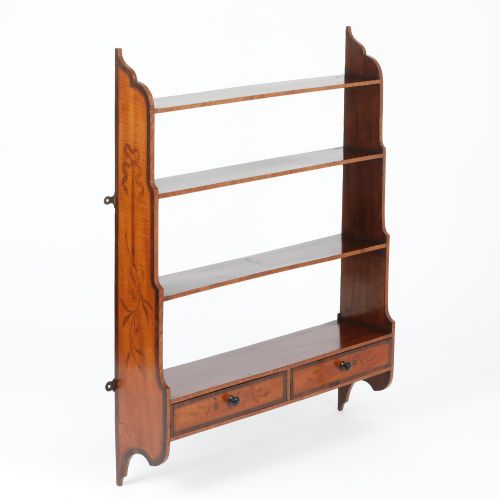
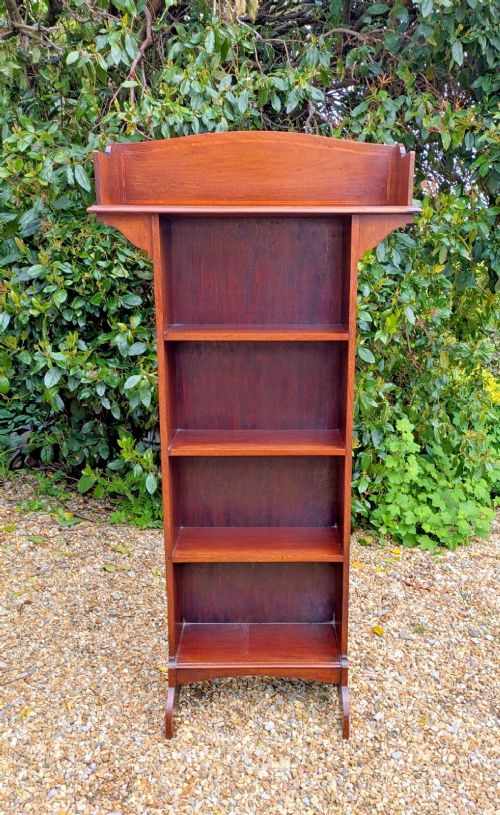
When searching for edwardian inlaid shelving, collectors encounter open bookcases, wall shelves, and tiered whatnots designed for domestic display. These pieces mostly date from the Edwardian period and the early twentieth century, alongside related late Victorian examples.
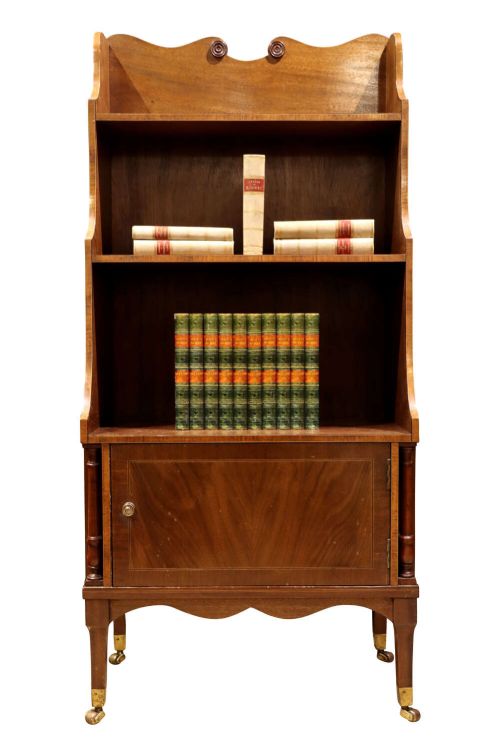
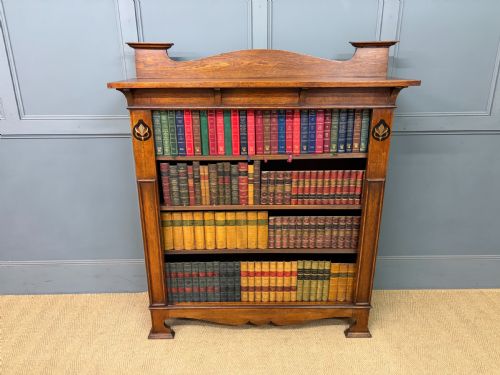
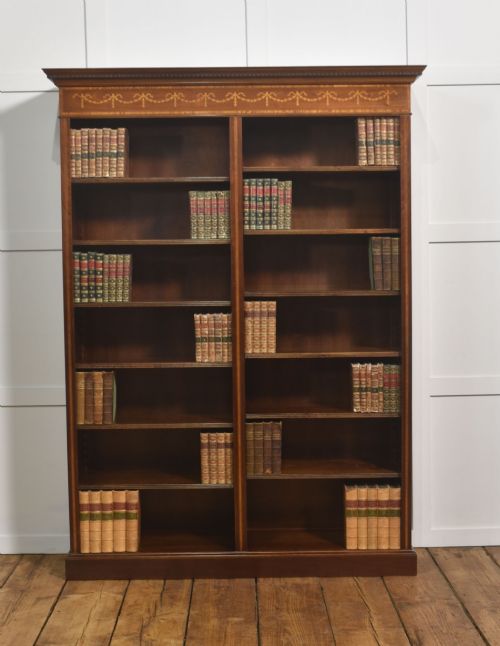
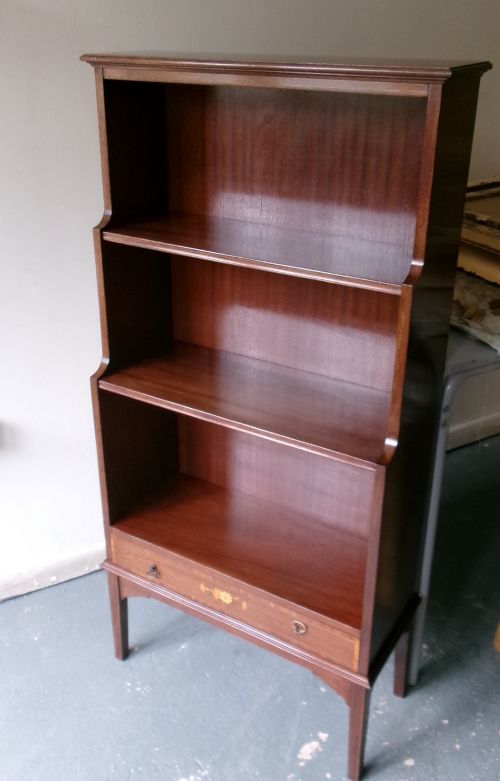
The standard forms include standing open bookcases, hanging waterfall shelves, and corner cabinets intended to maximise room utility without dominating the floor space. Mahogany serves as the primary timber backbone, frequently paired with satinwood, walnut, and oak.
Makers of the period adopted Georgian and Sheraton revival motifs, combining architectural utility with lighter proportions than their nineteenth-century predecessors. This ensures the furniture fits easily into contemporary rooms while retaining period character.
Materials and Technique
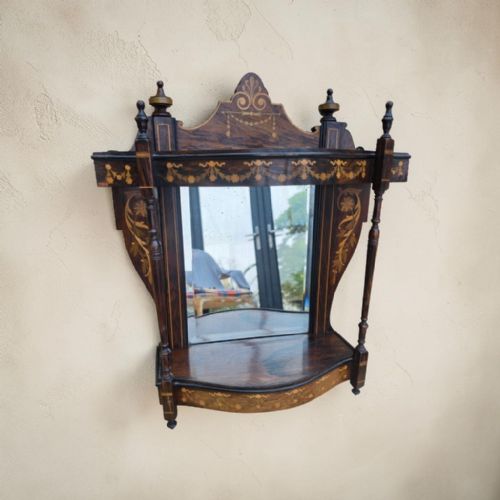
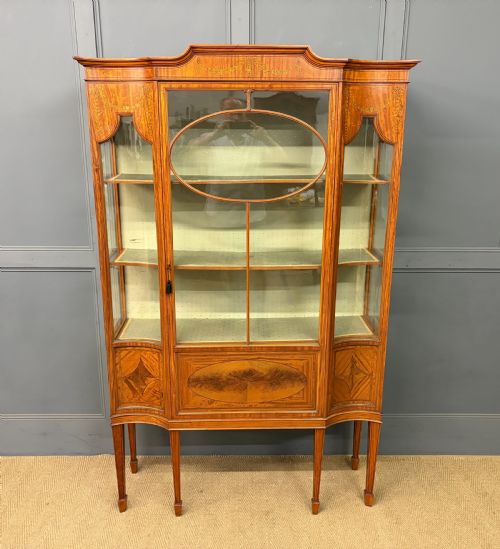
Cabinet makers relied heavily on solid mahogany and walnut veneers, often enhanced with contrasting boxwood stringing and satinwood floral inlay. These decorative elements required considerable skill to inset precisely into the surrounding timber surface.
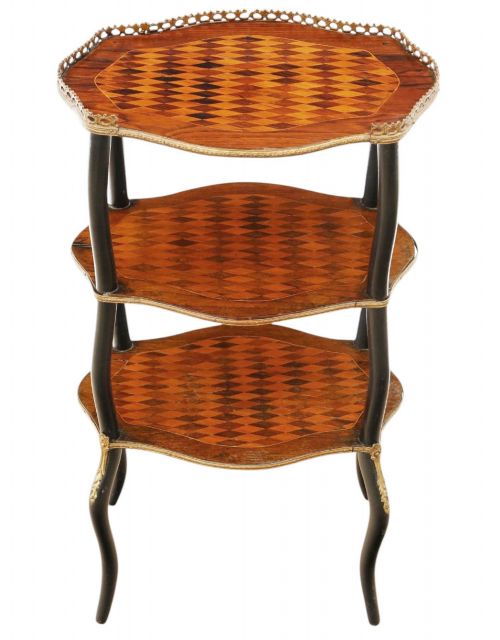
Structural components such as brass castors and adjustable shelving systems provided practical flexibility for libraries and sitting rooms. Ebonised wood and parquetry accents added visual depth to specific whatnot and etagere designs.
Listings feature mahogany, satinwood, walnut, and oak alongside specialised forms such as multi-tiered whatnots and waterfall bookshelves.
Assessing Craftsmanship
Quality rests upon the crispness of the inlaid decoration and the selection of figured timber veneers. Finer items exhibit tight grain matching and secure, seamless joints that withstand decades of weight.
Proportion and utility separate standard factory production from superior cabinet work, particularly in pieces featuring brass hardware and complex multiple tiers.
Maple and Co
The Edwardian Inlaid Shelving Glossary
- Inlay
- A technique where pieces of contrasting timber, shell, or metal are inserted into a recessed surface to form a decorative pattern. This defines the surface enrichment characteristic of Sheraton revival furniture.
- Whatnot
- An open, multi-tiered piece of furniture designed for displaying ornaments, books, or small collectables. These stands typically feature three or four graduated shelves supported by slender uprights.
- Waterfall
- A shelving form where each successive shelf is deeper than the one above it, following a cascading vertical line. Hanging and standing variants appeared frequently in late Victorian and Edwardian interiors.
- Parquetry
- A geometric mosaic of wood pieces used for decorative floors and cabinet surfaces. It provides a striking contrast to the linear flow of mahogany and satinwood grain.
- Etagere
- A French term for a display piece comprising multiple open tiers for ornaments. These structures often incorporate mirrors or corner configurations to enhance light reflection.
Edwardian Inlaid Shelving: Frequently Asked Questions
Where should I place edwardian inlaid shelving?
These pieces suit living rooms, studies, and hallways where their compact proportions and display surfaces can be appreciated. Wall-hanging versions work well above sideboards or desks to save floor space.
Standing bookcases and whatnots anchor corners or empty wall spaces while providing practical storage for books and ceramics.
Are these shelves suitable for heavy books?
Open bookcases and tiered cabinets are structurally capable of holding standard book collections, though delicate wall-hanging shelves are better suited to lighter volumes and decorative objects. Many surviving examples feature adjustable wooden supports to accommodate varying book heights.
Examining the thickness of the shelf boards and the rigidity of the upright supports will indicate the weight capacity of each specific piece.
How do I care for inlaid wood surfaces?
Maintain the timber by applying a microcrystalline wax polish periodically to nourish the grain and protect the delicate inlay work from drying out. Avoid placing the furniture in direct sunlight or near heat sources to prevent veneer lifting.
Dust regularly with a soft, dry cloth to prevent particulate accumulation in the recessed channels of the marquetry.