

Edwardian Inlaid Seating
Edwardian inlaid seating combines light-timber frames with delicate marquetry, offering refined proportions and elegant comfort for modern interiors.
Edwardian Inlaid Seating
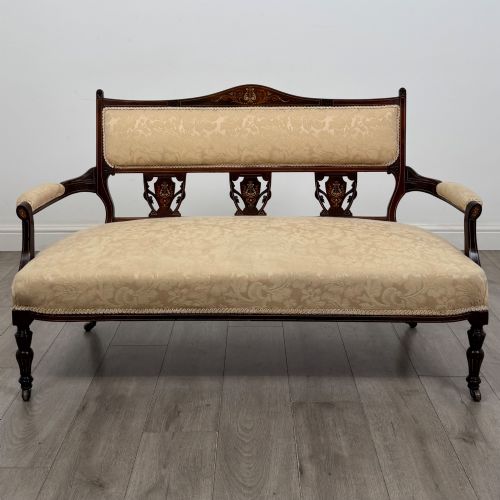
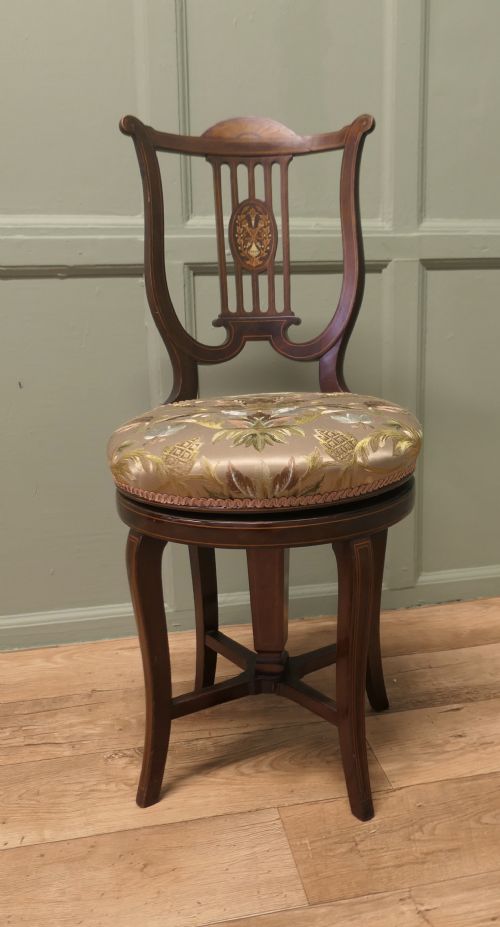
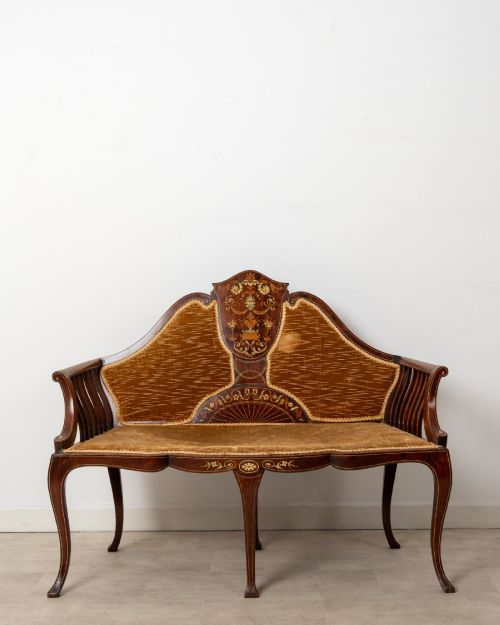
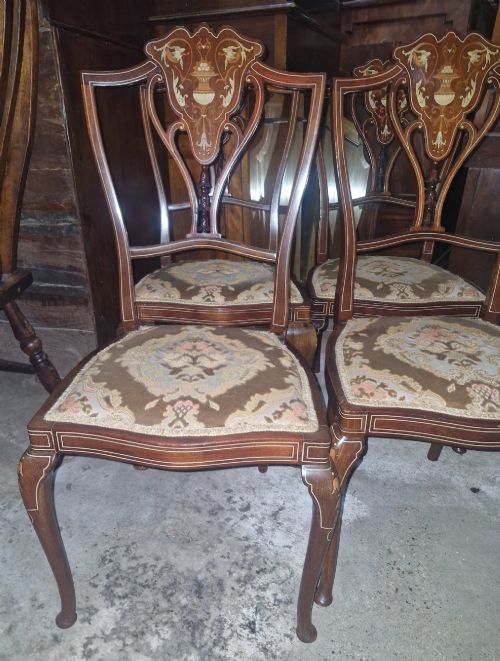
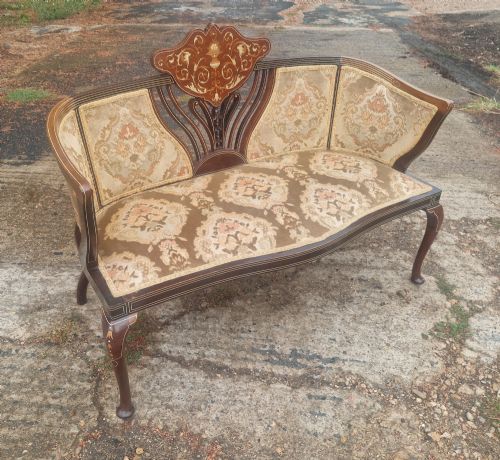
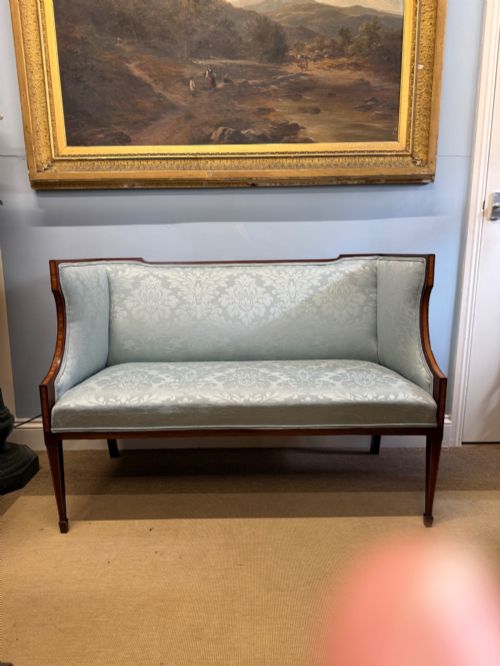
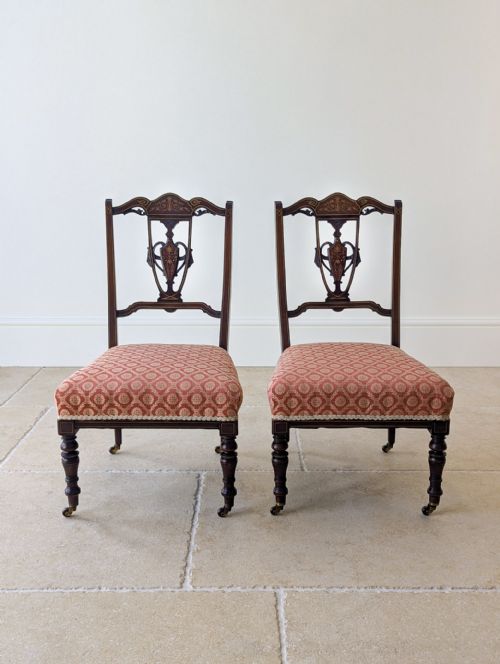
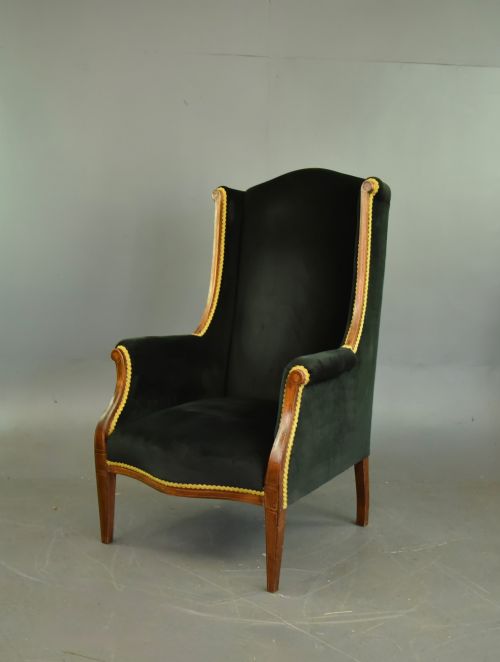
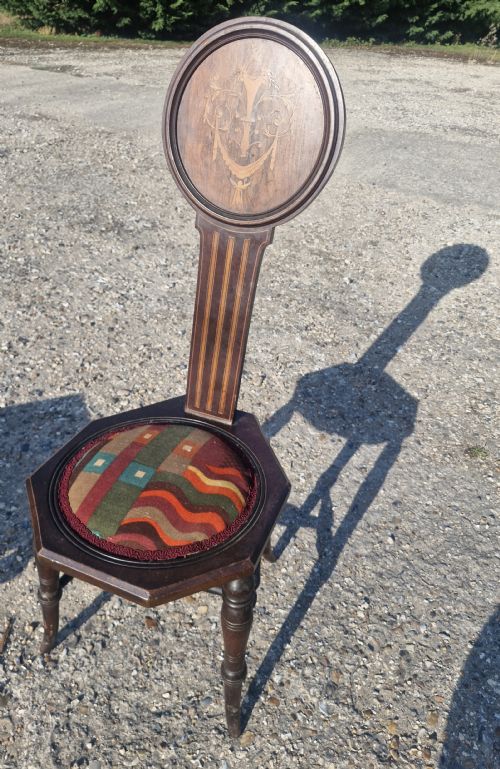
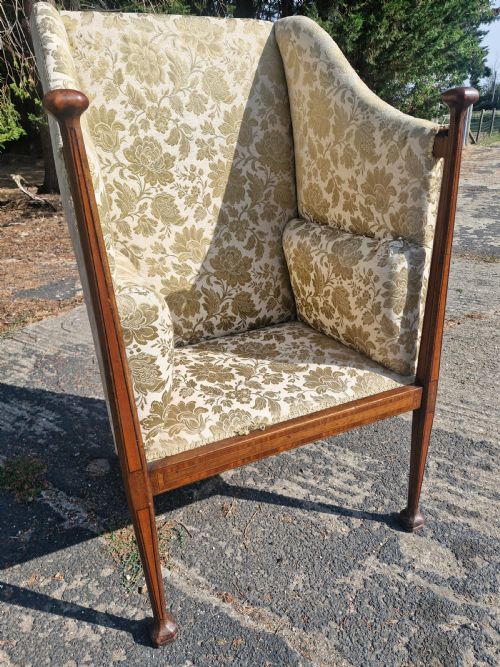
Edwardian inlaid seating encompasses armchairs, settees, salon chairs, and piano stools produced during the early twentieth century and the late Victorian period. These pieces originate predominantly from the Edwardian era, alongside related examples from the late nineteenth century and the 1920s.
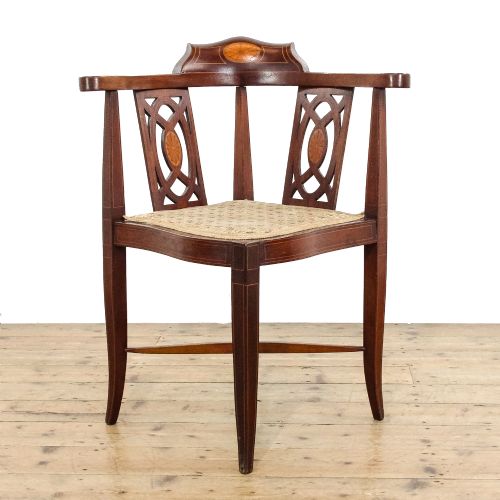
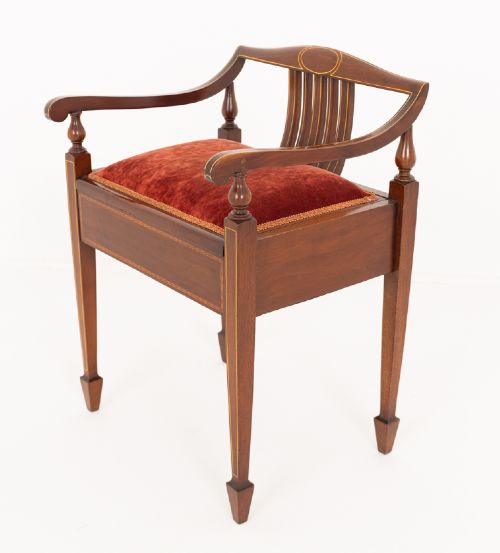
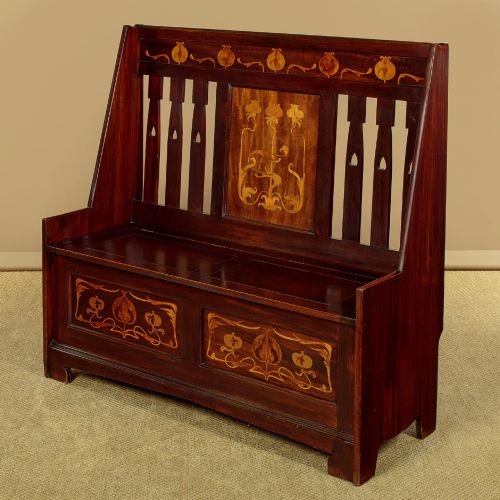
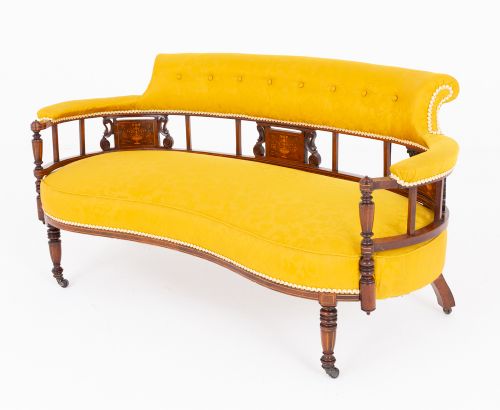
The version most commonly encountered on this page is the Edwardian mahogany armchair or settee featuring contrasting wood inlay. These seating forms range from bedroom chairs and corner armchairs to two-seater sofas and end-of-bed benches.
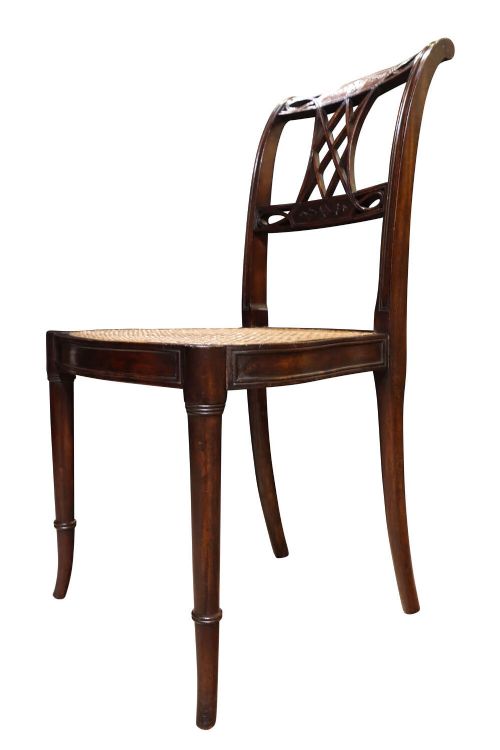
Makers and workshops drew heavily on earlier design vocabularies, producing pieces styled in the Sheraton Revival and Arts and Crafts traditions. Frameworks employ woods such as mahogany, satinwood, rosewood, and oak, often paired with contemporary fabric upholstery or cane seats.
Materials and Construction
Cabinetmakers constructed the structural frames using dense hardwoods like mahogany, rosewood, and oak, providing a stable foundation for domestic seating. These timbers were shaped into curved backs, tapering legs, and supportive armrests using traditional joinery methods.
Decorative surface detail relies on precision inlay work utilising satinwood, boxwood, and bone. Craftsmen cut intricate linear stringing and floral marquetry motifs, setting them flush into the contrasting dark ground of the primary wood.
Upholstery completed the furniture, utilising fabric coverings over padded interiors or woven cane panels for seats. Specialist piano stools and music chairs incorporated mechanical elements such as rise-and-fall mechanisms or revolving seats.
Edwardian Inlaid Seating Retail Price Guide 2026
Typical asking prices for edwardian inlaid seating among the pieces listed under this phrase on Sellingantiques today, from the lower quarter to the upper quarter. They describe what is for sale here now, not the wider market.
The selection spans several decades, incorporating late Victorian pieces from eighteen eighty alongside Edwardian examples and later walnut seating from nineteen twenty.
Standard and Execution
The quality of edwardian inlaid seating is determined by the precision of the cabinetwork and the fineness of the marquetry detail. Superior examples display crisp, tight joinery and meticulously fitted inlay that remains flush with the surrounding timber surface.
Proportion and wood selection set finer pieces apart from standard commercial production. Richly figured mahogany or rosewood combined with balanced, delicate framing indicates higher workshop standards than heavier, uninspired stock.
James Shoolbred and Co
The Edwardian Inlaid Seating Glossary
- Marquetry
- Decorative patterns formed by fitting contrasting veneers into a prepared wood surface. This technique creates pictorial or geometric designs across the backs and crest rails of chairs.
- Satinwood
- A pale, lustrous timber utilised for contrasting inlay work and banding. Its bright yellow hue stands out sharply against darker woods like mahogany and rosewood.
- Stringing
- Thin, narrow strips of light-coloured wood inlaid into grooves on table edges and chair legs. It provides a crisp linear border that defines the structural lines of the furniture.
- Sheraton Revival
- A design style popular around nineteen hundred that reinterprets eighteenth-century neoclassical forms. It is characterised by light proportions, straight tapered legs, and symmetrical inlay.
- Cane
- Split rattan woven into an open mesh pattern to form lightweight, flexible seat panels. This material appears frequently on bedroom chairs and salon seating.
Edwardian Inlaid Seating: Frequently Asked Questions
What is edwardian inlaid seating?
Edwardian inlaid seating comprises chairs, settees, and stools made primarily around the start of the twentieth century. These domestic furnishings combine mahogany or satinwood frames with decorative contrasting wood inlay.
Craftsmen produced various forms for different rooms, ranging from parlour armchairs to bedroom chairs and piano stools. The style draws heavily on earlier eighteenth-century aesthetics while maintaining the lighter proportions favoured during the Edwardian period.
How were these chairs used originally?
These seating pieces served varied functions across the formal and private spaces of the Edwardian home. Parlour and salon chairs accommodated guests, while specialised music chairs supported performers at the piano or cello.
Other variants, such as end-of-bed sofas and nursing chairs, provided domestic comfort in bedrooms and private chambers. Their lightweight construction allowed servants or residents to reposition them easily around the room as needed.
How do I care for inlaid furniture?
Preserving these pieces requires protecting the delicate timber surfaces from excessive heat, moisture, and direct sunlight. Maintaining a stable indoor environment prevents the dry wood from shrinking and loosening the fitted inlay.
Regular dusting with a soft, dry cloth keeps the polished surfaces clean without introducing harsh chemical polishes. Occasional application of a suitable microcrystalline wax helps nourish the timber and protect the original finish.
How do I identify the style?
Identifying these pieces involves examining the combination of timber, inlay motifs, and structural proportions. Edwardian pieces often exhibit Sheraton Revival characteristics, including tapered legs, oval back panels, and symmetrical satinwood stringing.
Art Nouveau and Arts and Crafts examples depart from neoclassical symmetry, displaying stylised plant motifs or exposed oak joinery instead. Comparing the construction details and secondary woods helps differentiate between original Edwardian manufacture and later revivals.