



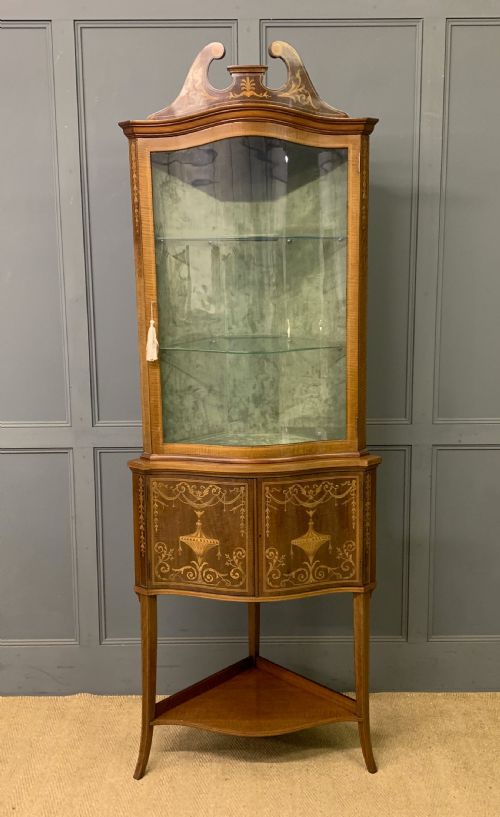


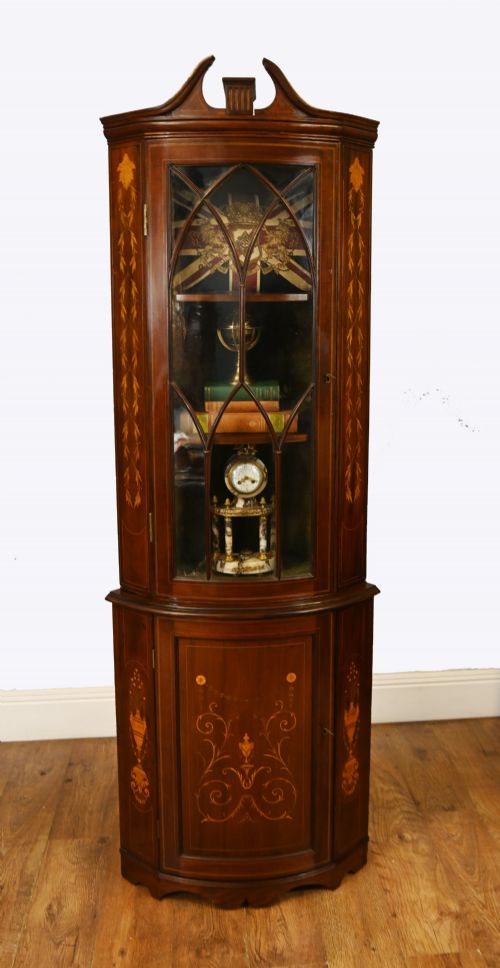


Edwardian Inlaid Corner Cabinet
An Edwardian inlaid corner cabinet brings architectural grace to awkward spaces, combining refined woodwork with decorative detailing.
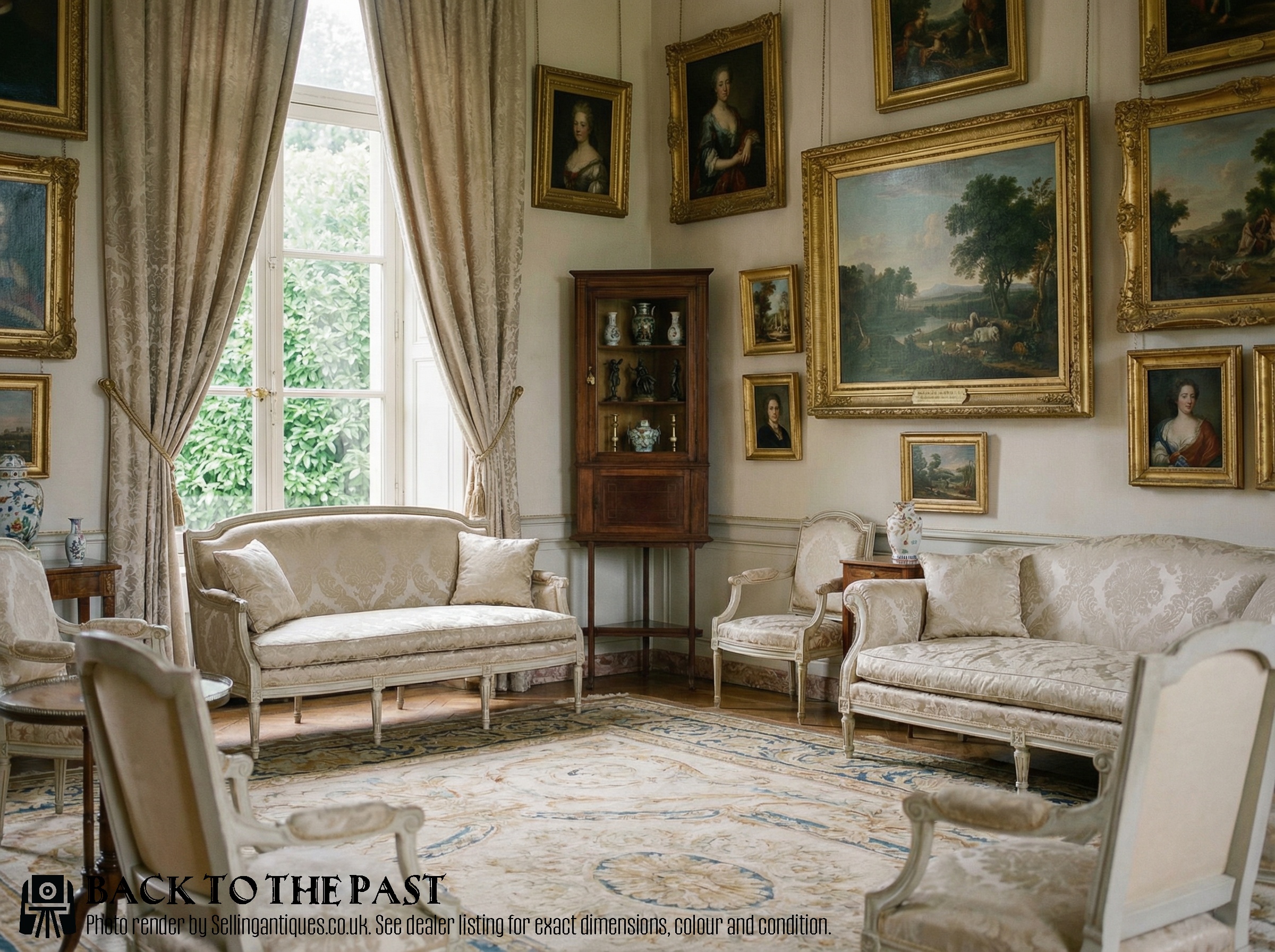
Edwardian Inlaid Corner Cabinet
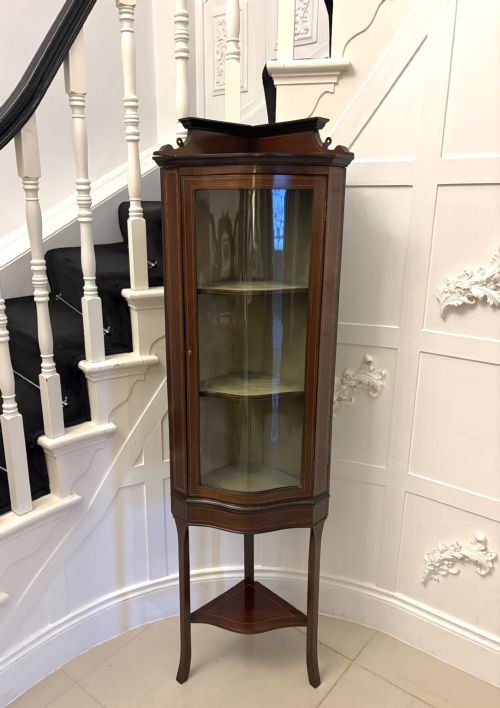
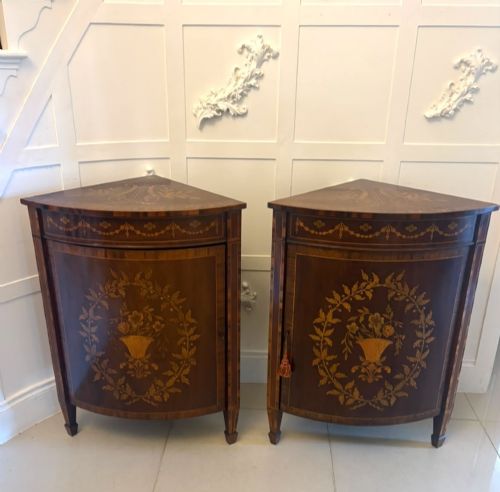
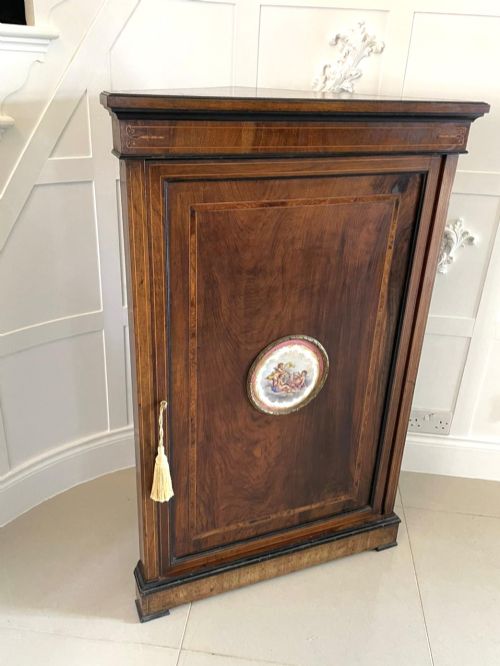
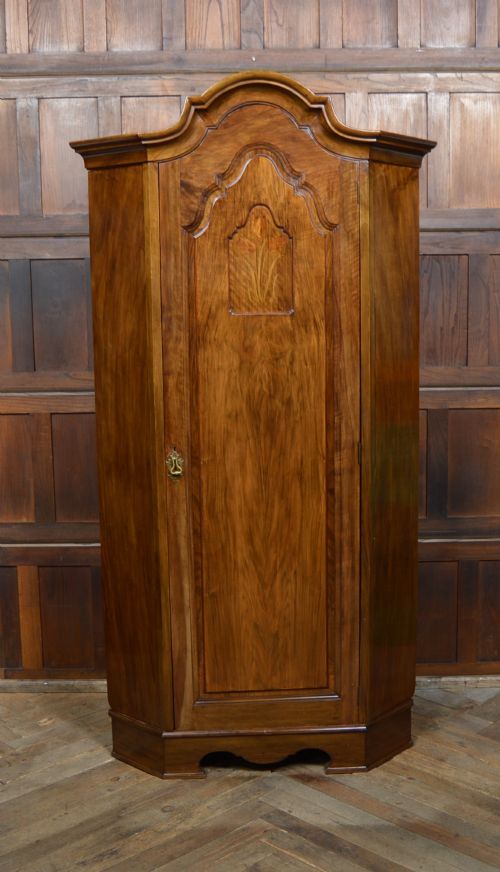
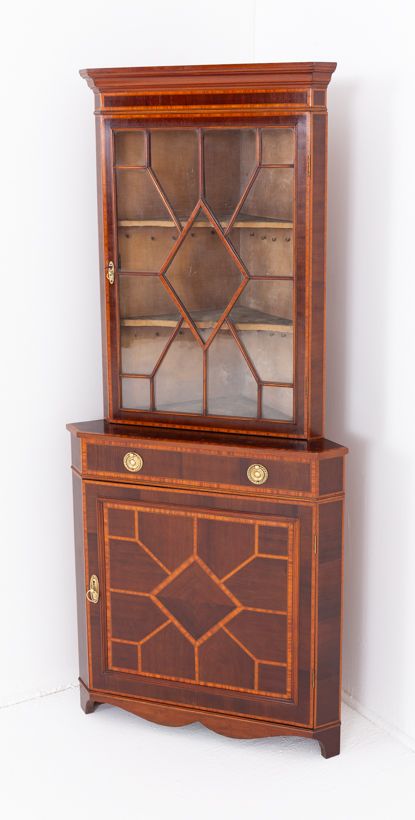
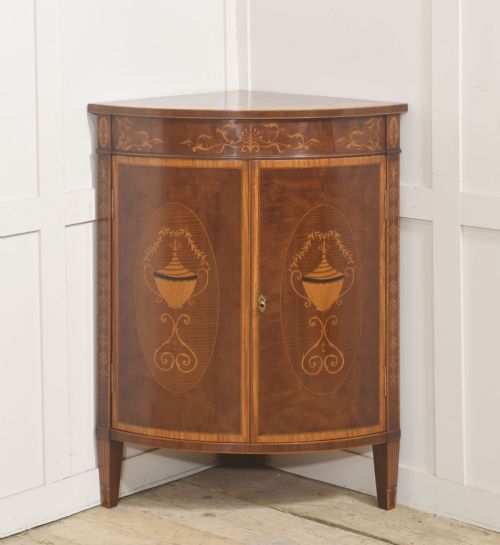
An edwardian inlaid corner cabinet is an architectural storage piece designed to fit neatly into the junction of two walls, making clever use of unused room geometry. The version most commonly encountered on this page originates from the Edwardian period, often constructed with mahogany and enriched by delicate contrasting stringing or marquetry.
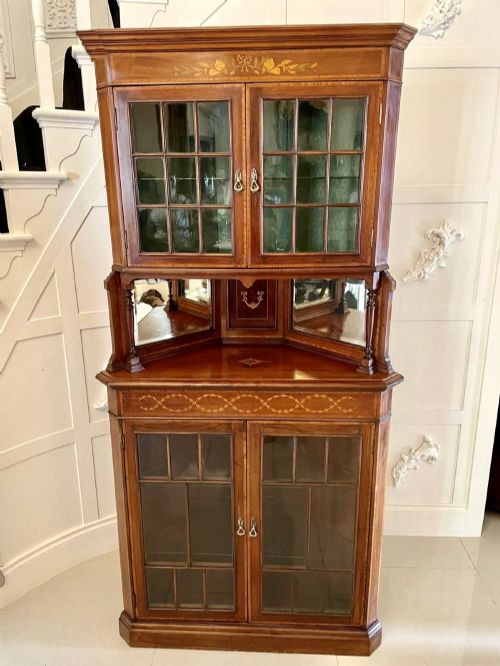
Beyond the standard floor-standing cupboards, the inventory includes wall-hanging iterations, tall double-height standing units, and glazed display variations meant for showing porcelain or silver. These items frequently draw upon earlier Georgian and Sheraton Revival design principles, translating past elegance into domestic scales suitable for twentieth-century parlours.
The physical format varies significantly from compact hanging wall units to substantial two-piece double-height standing cabinets fitted with glass doors. While Edwardian examples dominate the selection, related pieces stretching from the late nineteenth century into the Georgian era occasionally appear.
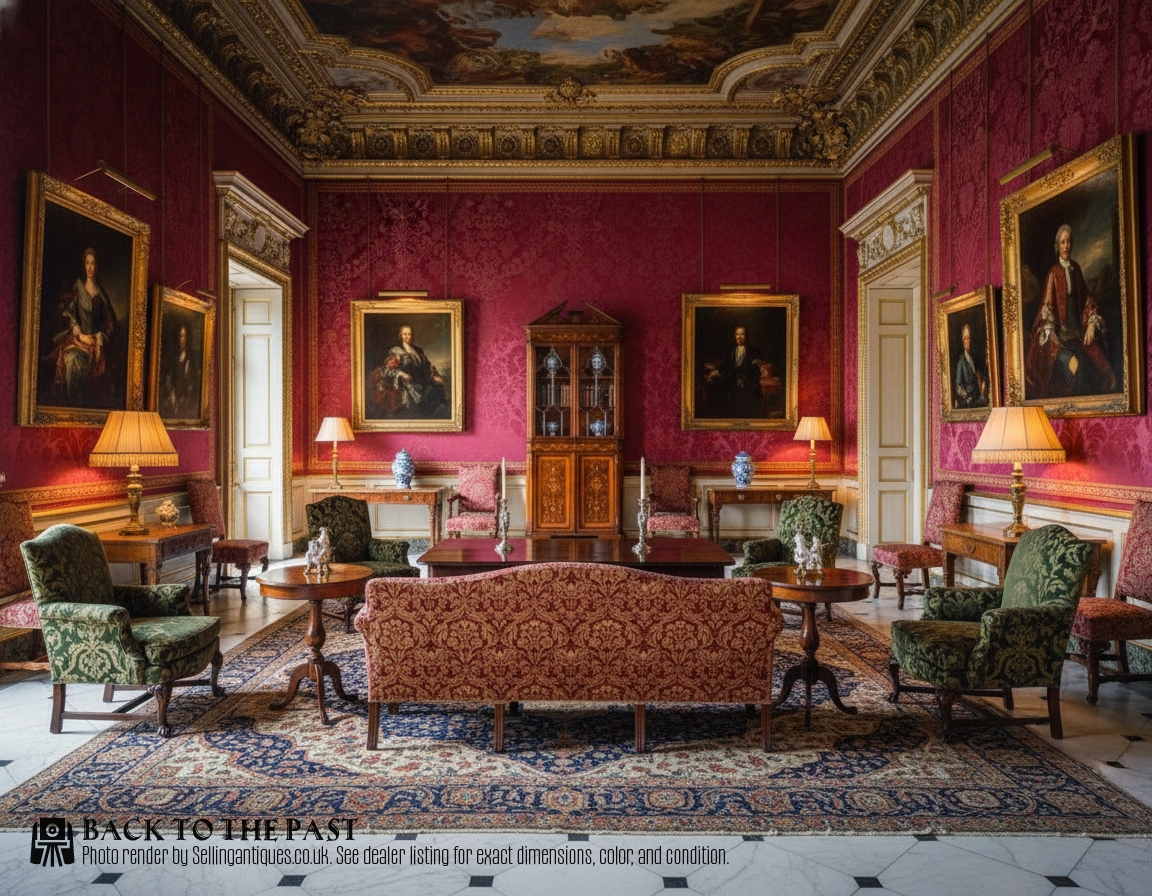
Materials and Technique
Makers predominantly relied upon mahogany as a primary carcass timber, selected for its stability and rich grain, frequently pairing it with lighter contrasting timbers such as satinwood and boxwood for decorative banding. Marquetry motifs, featuring floral or neoclassical ribbons, are meticulously hand-sawn and inlaid into the prepared veneer surfaces.
Glazing techniques range from simple wooden panes to intricate astragal glazed doors that divide the glass into smaller geometric compartments. Brass hardware, including hinges, key escutcheons and door pulls, provides functional contrast to the dark polished wood surfaces.
Edwardian Inlaid Corner Cabinet Retail Price Guide 2026
Typical asking prices for edwardian inlaid corner cabinet among the pieces listed under this phrase on Sellingantiques today, from the lower quarter to the upper quarter. They describe what is for sale here now, not the wider market.
Listings feature mahogany, satinwood, rosewood, and boxwood combined across Edwardian, Georgian, and Victorian periods.
Craftsmanship and Proportion
The distinction between ordinary and superior pieces rests largely on the crispness of the inlaid decoration and the choice of timber figuring. Finer examples display tightly grained mahogany and sharply executed marquetry without gaps or visible filler around the delicate stringing.
Proportion and structural integrity also dictate standing, with superior cabinets exhibiting balanced sightlines, tight dovetail joints in the drawers, and original bevelled or glazed panels that sit flush within their rebated frames.
Edwards And Roberts
The Edwardian Inlaid Corner Cabinet Glossary
- Marquetry
- Decorative veneer work forming pictures or ornamental patterns using various woods, shells, or ivories. This technique adds pictorial depth to cabinet doors.
- Astragal
- A moulding profile used to divide glass panes within a door frame. These slender wooden bars create geometric patterns across display cabinets.
- Stringing
- Narrow strips of contrasting timber inlaid into shallow channels on furniture surfaces. It outlines drawers and door panels with subtle linear framing.
- Bowfront
- A convex curved cabinet front that projects outward. This shape softens the hard lines of a corner unit and reflects light dynamically.
- Compactum
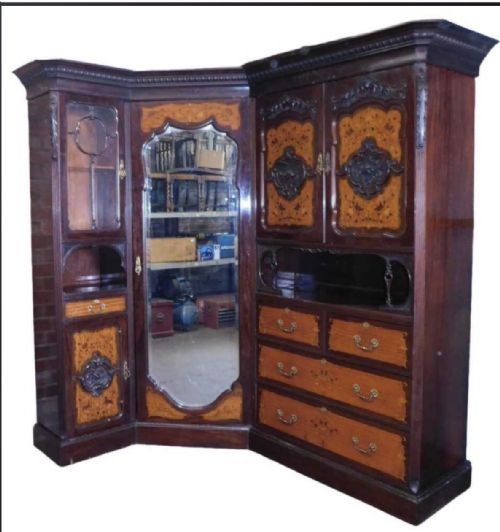
- A multi-functional wardrobe or storage combination designed for efficient garment organisation. Such pieces maximise internal capacity within restricted footprints.
Edwardian Inlaid Corner Cabinet: Frequently Asked Questions
Where should I place an edwardian inlaid corner cabinet?
These units naturally anchor empty room junctions, turning dead square angles into decorative display areas.
Smaller hanging versions work well above sideboards or desks, while taller standing models anchor empty dining room corners.
Can I store heavy items inside them?
Most interior shelves are designed for lighter decorative objects, porcelain, or glassware rather than heavy books.
Wall-hanging variants depend heavily on secure wall fixings rather than internal shelf capacity for weight support.
How do I tell an Edwardian reproduction from a Georgian original?
Edwardian interpretations of earlier styles typically feature lighter mahogany veneers, machine-sawn internal secondary timbers, and characteristic satinwood stringing.
Georgian predecessors generally employ heavier solid primary timbers with hand-cut construction markers visible internally.
How do I clean the inlaid wood surfaces?
Maintain the polished finish using a soft dry cloth and traditional beeswax rather than modern silicone aerosols.
Keep inlaid furniture away from direct sunlight and strong heat sources to prevent timber shrinkage and veneer lifting.