



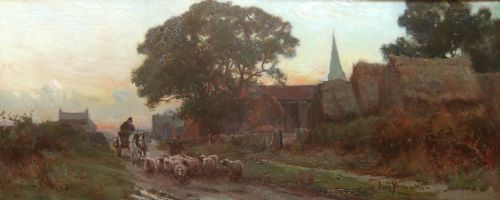
Edwardian Impressionist Painting
Edwardian impressionist painting captures the fleeting light and domestic scenes of the early twentieth century through loose brushwork and vibrant pigments.
Edwardian Impressionist Painting
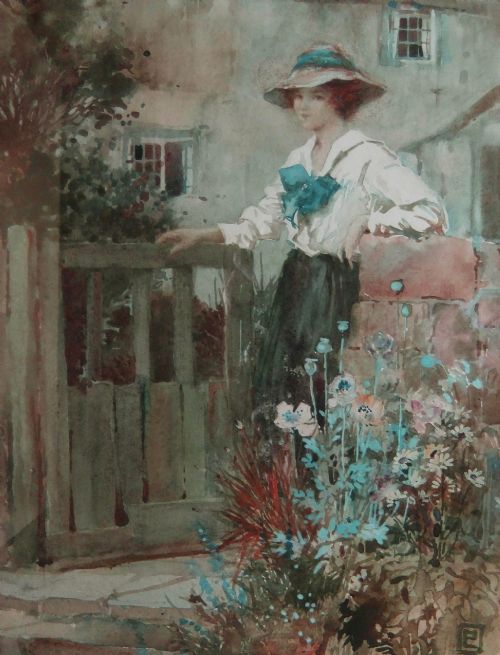
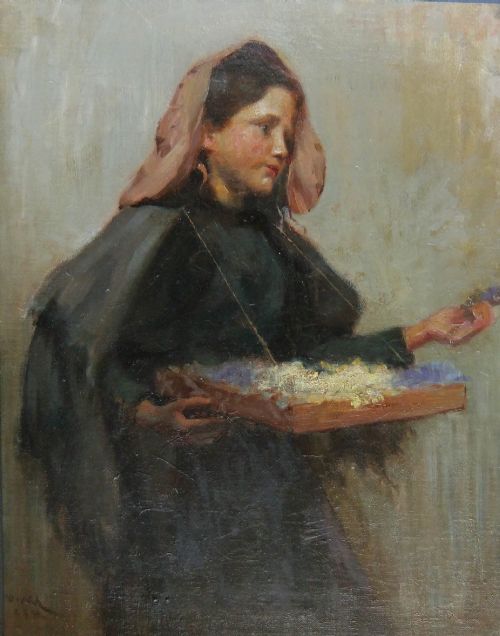
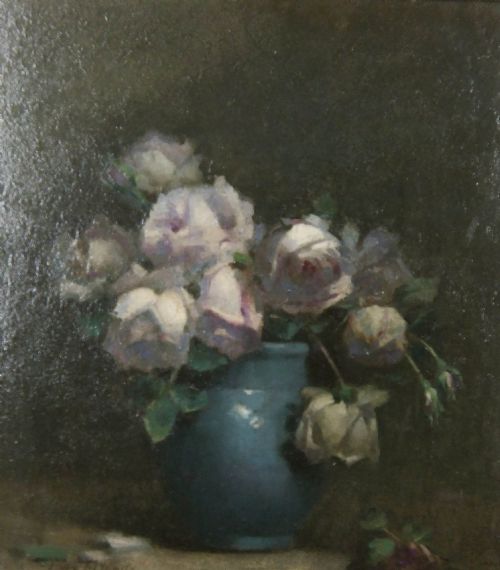
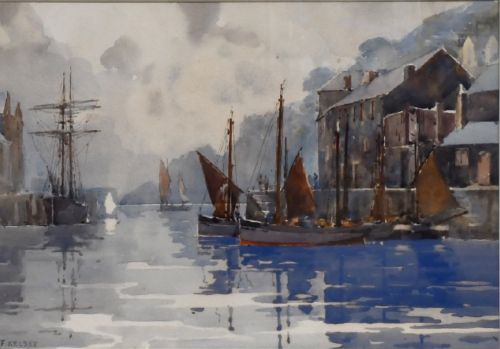
An edwardian impressionist painting represents the light-filled landscapes, genre scenes and coastal views produced around the turn of the twentieth century. Buyers seeking this aesthetic encounter works executed during the Edwardian period, along with related pieces from the Victorian era, the nineteenth century and the decades leading up to 1940.
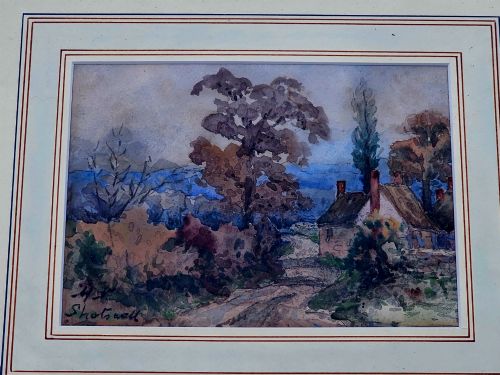
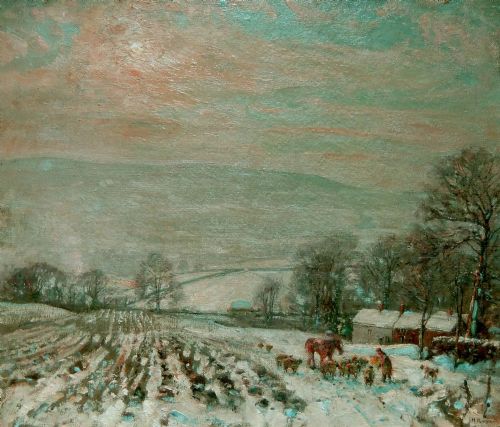
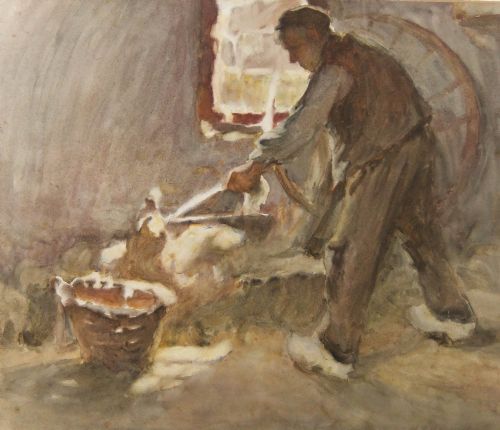
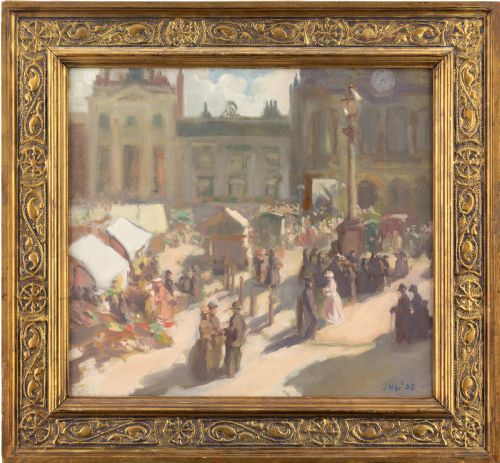
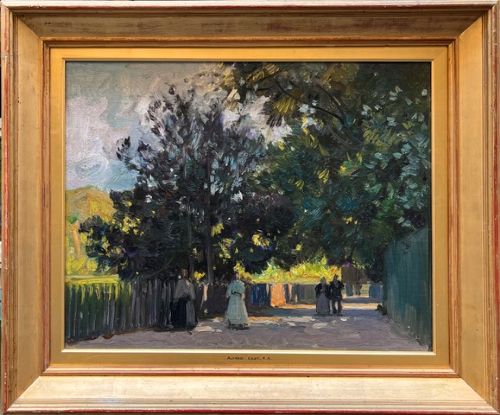
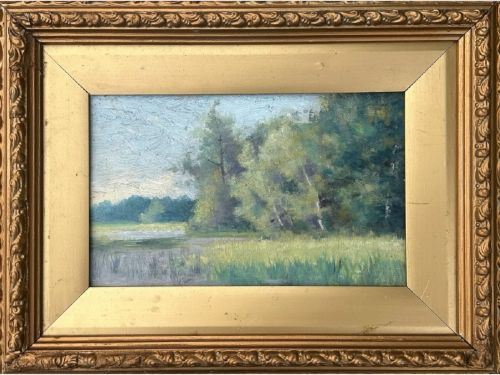
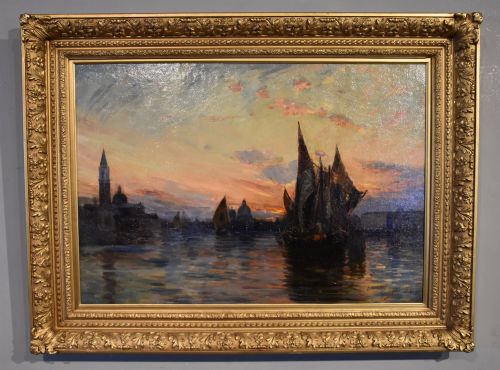
The subjects on this page range from rural farmyards and Yorkshire evening light to bustling town markets and quiet riverside paths. Painters applied the tenets of British impressionism and post-impressionism to capture everyday British and continental life on canvas, paper and panel.
The forms vary between intimate watercolour paintings on paper and larger oil paintings on canvas or wood. Many retain their original gilt frames, preserving the distinct character of the belle epoque.
How They Were Made
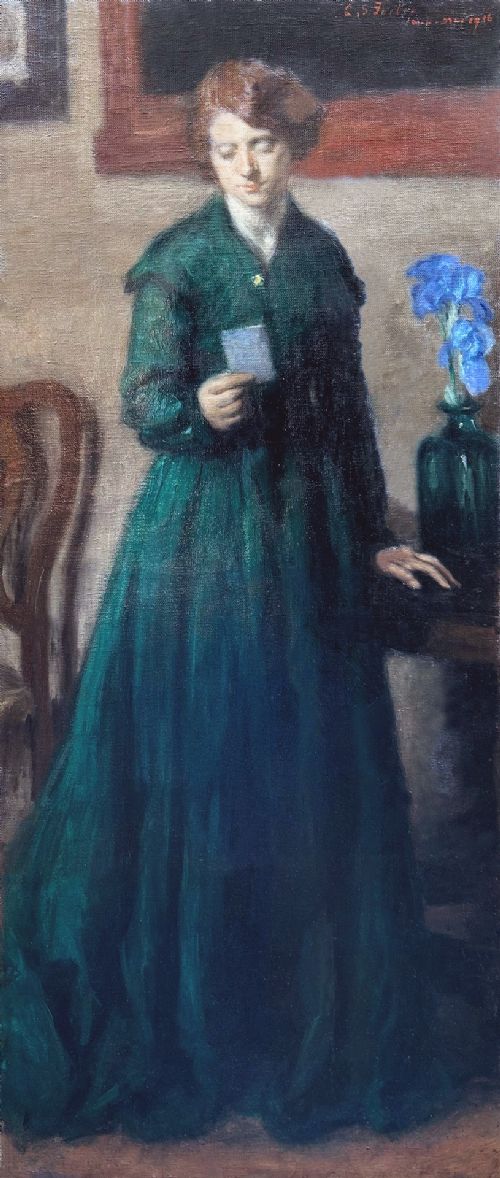
Artists utilised oil paint and watercolour as their primary media, applying pigment to stretched canvas, prepared wooden panels or heavy paper sheets. Oil paint allowed for thick, textured impasto strokes, whereas watercolours relied on fluid washes to capture atmospheric effects of light and weather.
Supports typically consisted of wood, canvas and paper, framed beneath glass for watercolours or left unglazed for oil paintings. Painters often worked outdoors in the open air to record immediate visual impressions of rural landscapes and street scenes.
Several artists preferred painting farmyard ducks to grand portraits.
What Varies in Quality
The division between standard works and exceptional examples lies in the confidence of the brushwork and the handling of natural light. Superior pieces demonstrate a sure command of colour harmony that animates the entire composition rather than relying on formulaic depiction.
The strength of provenance and the preservation of the original support material also define the upper tier. Works that retain their period gilt frames and remain untouched by heavy restoration offer a more direct connection to the artist's initial vision.
Herbert Royle·Henry Silkstone Hopwood·Hector Caffieri·Charles Stuart Forbes·John Hodgson Lobley·Sir Alfred East·Maud Raphael Jones·Thomas Hodgson Liddell·Percy Lancaster·William Watt Milne·William Thomas Wood·Albert Ludovici Jnr·Frank Kelsey·Archibald Kay·Owen Bowen·Alfred Munnings·Edgar Woollatt·Gertrude Hayes·Sir David Murray·Thomas Bromley Blacklock·Reginald Grange Brundrit·Charles James Lauder·Ernest Pile Bucknall·John Atkinson·James Watson
The Edwardian Impressionist Painting Glossary
- Impasto
- Paint applied thickly to a canvas or panel so that it stands out from the surface. This technique allows brush marks to retain a tangible texture and catch the light.
- Gilt Frame
- A wooden picture surround covered with a thin layer of gold leaf or metallic gilt. These frames often date from the same period as the artwork itself.
- Provenance
- The documented history of ownership surrounding an artwork. A clear record helps establish the authenticity and background of a painting.
- Watercolour
- A paint consisting of water-soluble pigments suspended in a gum binder. Artists apply it in translucent washes onto paper supports to achieve luminous effects.
- Post-Impressionism
- An artistic movement following impressionism that explored emotional response and structural form. Practitioners retained vibrant palettes while pushing beyond naturalistic depiction.
Edwardian Impressionist Painting: Frequently Asked Questions
What defines an edwardian impressionist painting?
These works combine the loose, rapid brushwork of the impressionist movement with the subjects and palette characteristic of the early twentieth century. Artists focused on natural light, domestic scenes and open-air landscapes.
They reflect a specific period of artistic transition in Britain and Europe, bridging traditional academic styles with modern optical experimentation.
How should I hang an oil painting?
Oil paintings on canvas or wood panel require stable indoor environments away from direct sunlight and sudden temperature shifts. Proper wall fixings should match the weight of the piece and its original frame.
Positioning the artwork at eye level ensures optimal viewing of the brushwork and surface texture without straining the support.
Are watercolours different from oil paintings?
Watercolours use water-soluble pigments on paper and must be framed behind glass to prevent moisture damage and surface abrasion. Oil paintings utilise oil-bound pigments on canvas or panel and are typically displayed unglazed.
Both media capture light differently, with watercolours offering luminous transparency and oils providing rich texture.
How do I identify the period of a painting?
Dating relies on stylistic clues, framing methods, artist signatures and biographical records associated with the creator. Examining the back of the canvas, stretcher bars or panel often reveals historical labels and stamps.
Comparative analysis with documented works from the same decade helps narrow down the year of execution.