


Edwardian Gold Wall Mirror
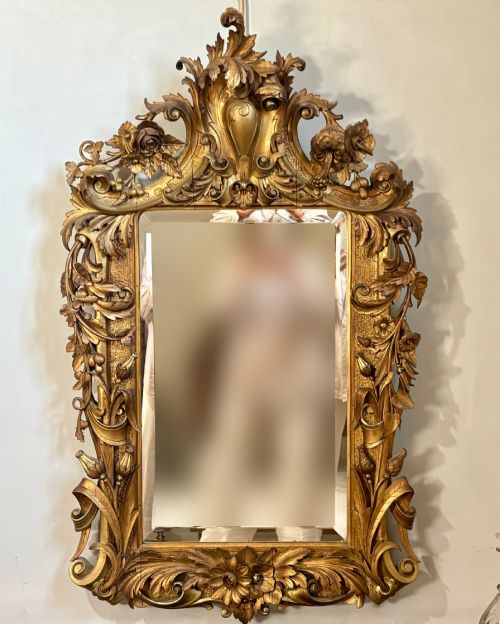
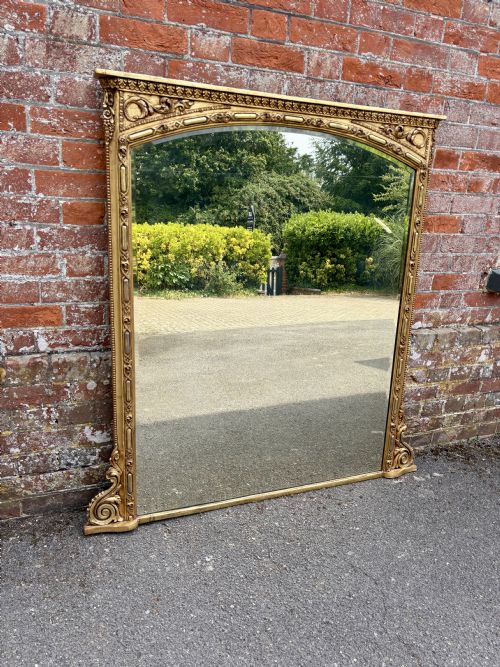
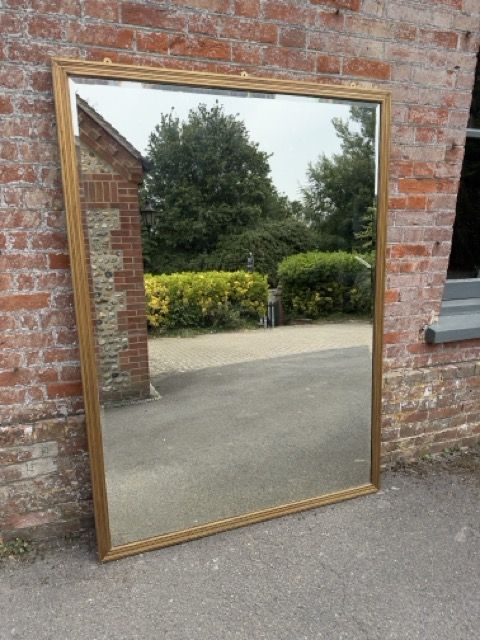
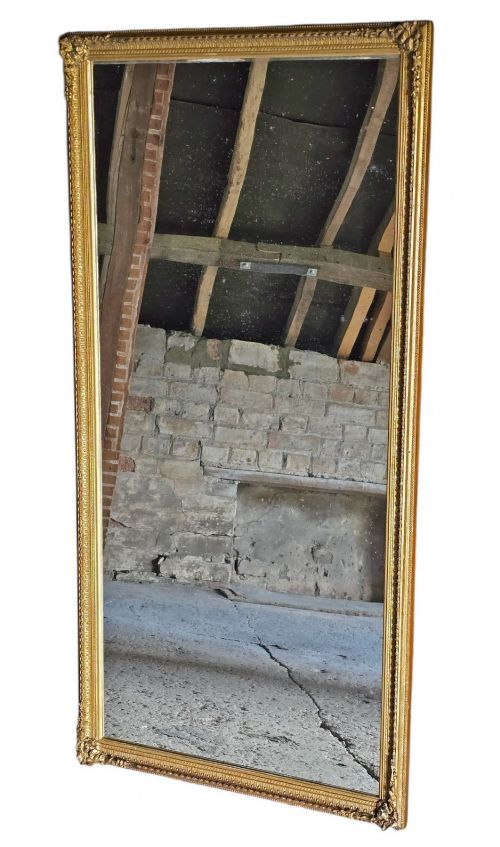
An edwardian gold wall mirror brings reflective light and period elegance into a room through carved gesso and giltwood frames.
Edwardian Gold Wall Mirror
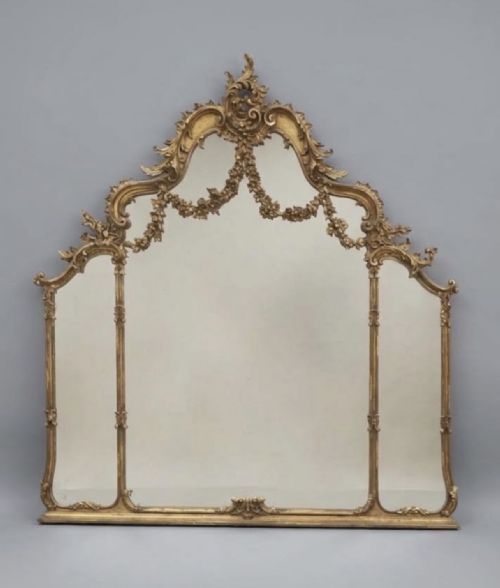
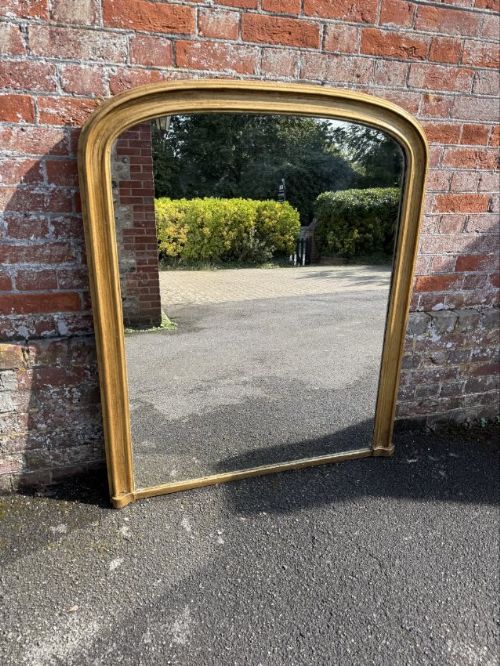
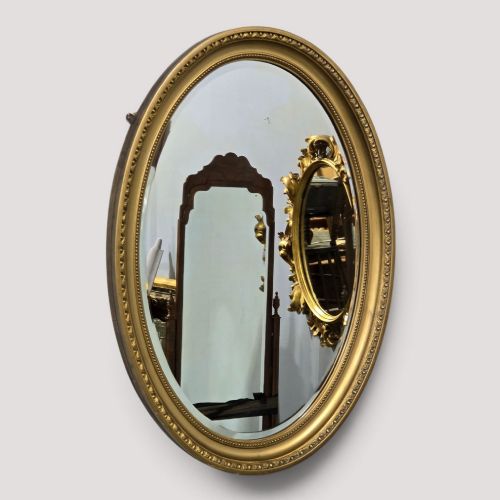
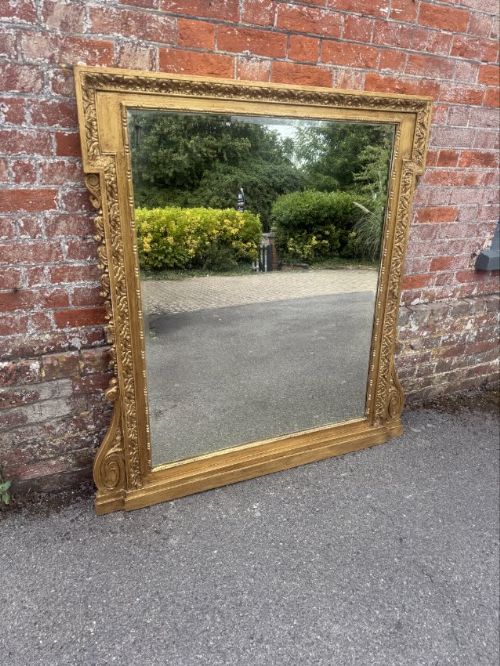
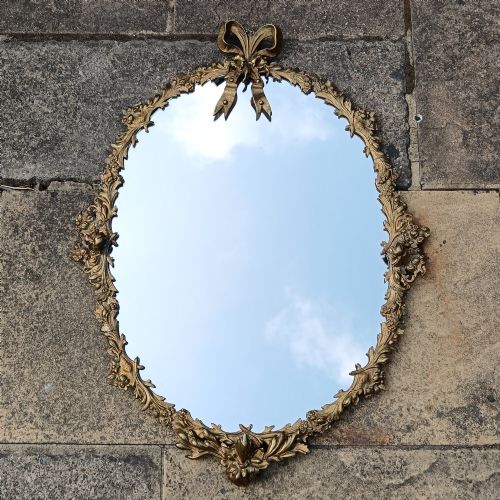
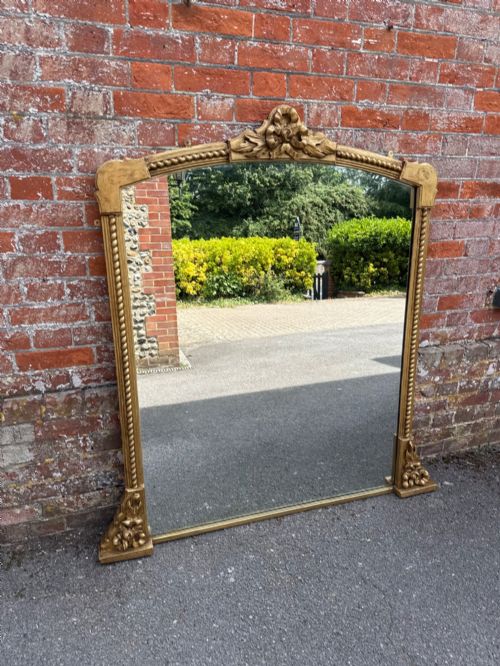
When searching for an edwardian gold wall mirror, buyers encounter pieces that span the late nineteenth century into the early twentieth century, reflecting varied stylistic revivals. The selection includes grand overmantels, smaller oval wall hung pieces, and full length dressing mirrors originating from English and continental workshops.
Many examples demonstrate distinct stylistic influences such as Adam, Chinoiserie, and Regency revivals alongside traditional carved wooden frames. The most commonly met items on this page combine gilded surfaces with substantial timber structures designed to dominate a mantelpiece or wall space.
How They Were Made
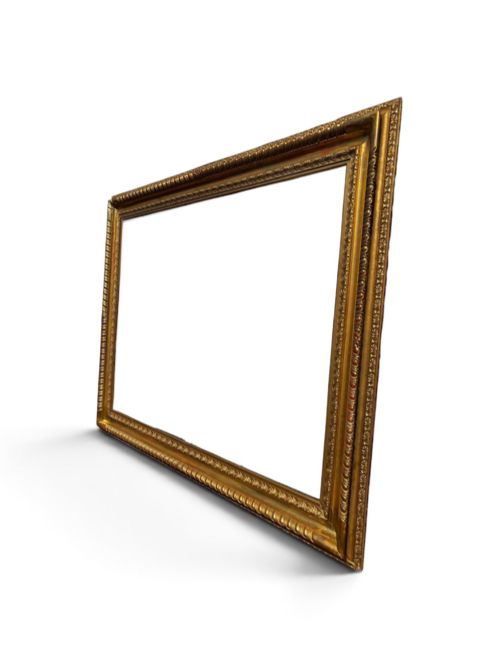
Frames are constructed primarily from carved wood, often utilising applied gesso and composition ornaments to build up intricate relief patterns before gilding. Artisans applied gold leaf or gilt finish directly to the prepared surfaces, sometimes incorporating ebonised details or parcel-gilt accents.
Mirror plates of the period are set within these heavy wooden structures, occasionally retaining original mercury plates or displaying the slight distortions characteristic of older glass manufacturing techniques.
Listings feature materials including gesso, giltwood, and composition, spanning the Victorian and Edwardian periods.
What Varies in Quality
The standard of carving and the crispness of the gesso mouldings separate exceptional frames from standard production pieces, with hand-carved wooden details showing superior depth compared to moulded composition. The integrity of the original gilt surface and the depth of the timber frame further dictate the overall presence of the object.
Proportion and scale play significant roles, as larger overmantels and matched pairs demand greater structural joinery to support heavy glass plates securely within the decorative housing.
The Edwardian Gold Wall Mirror Glossary
- Gesso
- A plaster-like mixture applied to wood frames as a base for carving and gilding. This material allows artisans to create sharp relief ornamentation before applying gold leaf.
- Giltwood
- Timber that has been coated with gold leaf or a gilt finish. It forms the primary structural and decorative medium for these mirrors.
- Overmantel mirror
- A large horizontal mirror designed specifically to hang above a fireplace mantel. These pieces frequently feature arched or shaped tops.
- Mercury plate
- An older type of mirror glass silvered using a tin-mercury amalgam before the modern chemical process was invented. It often displays subtle clouding and speckling.
- Composition
- A moulded mixture of whiting, resin, and oil pressed into shape and applied to frames for ornamentation. It provides intricate detail at a fraction of hand-carved cost.
Edwardian Gold Wall Mirror: Frequently Asked Questions
Where should I hang an overmantel mirror?
These large mirrors traditionally sit directly above a fireplace mantel to reflect light and anchor the room's main focal point. They also function effectively on principal living room walls when secured properly to wall studs.
Because of their substantial weight, ensure the wall fixings are anchored into secure timber supports or solid masonry rather than standard plasterboard.
How do I identify an Edwardian mirror?
Edwardian pieces often display lighter neoclassical revivals, such as Adam style urns and swags, alongside clean oval or rectangular proportions. The gilding tends to be brighter than earlier Victorian examples.
Examine the construction joints at the back of the timber frame and the backing boards to confirm the period manufacturing methods match the style.
Are the mirror plates original?
Many older frames retain their original glass, which can exhibit light foxing, small blemishes, or gentle warping across the surface. These natural signs of age confirm the glass has remained undisturbed within the frame for generations.
Replacement glass usually appears noticeably flatter and lacks the characteristic surface imperfections found in older plates.
How do I clean a gilded frame?
Dust the carved and gilded surfaces gently with a soft, dry brush to prevent accumulating dirt in the recessed gesso details. Avoid liquid cleaners and harsh chemicals, which can strip the delicate gold leaf finish.
Glass panels can be wiped with a mild glass cleaner applied to a cloth rather than sprayed directly onto the glass, protecting the surrounding timber frame.