
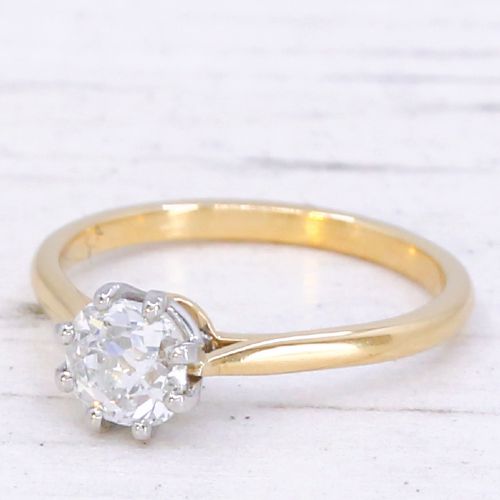


Edwardian Gold Solitaire Ring
An edwardian gold solitaire ring combines single-stone simplicity with early twentieth-century character, offering a timeless piece of jewellery designed to centre a single gemstone.
Edwardian Gold Solitaire Ring
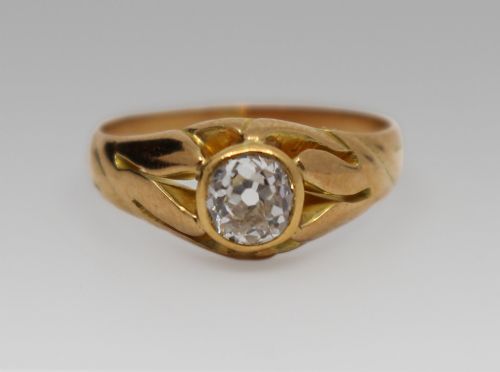
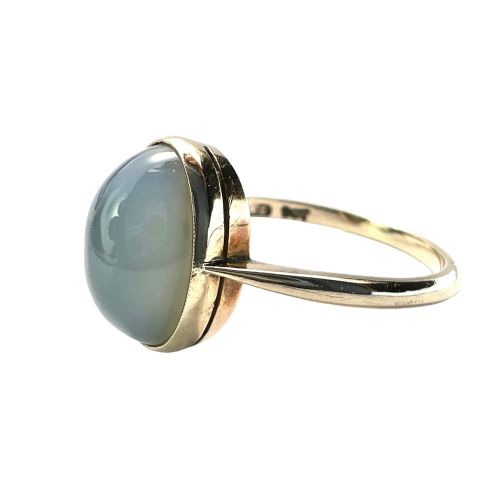
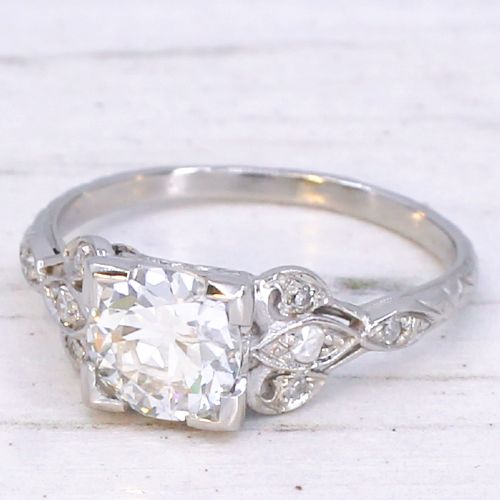
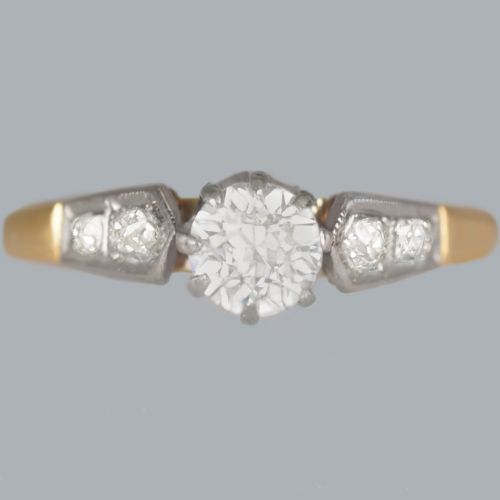
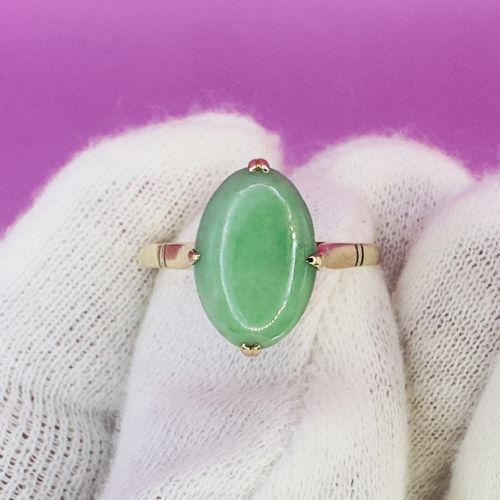
An edwardian gold solitaire ring showcases a single prominent stone set upon a precious metal band, typically originating from the early twentieth century. These pieces focus attention squarely on the central gem, whether that is a diamond, sapphire, or alternative stone.
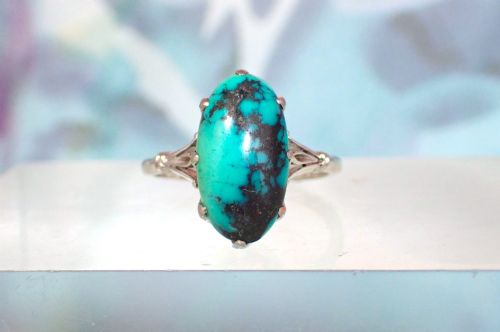
The selections span various iterations from the broader Edwardian period alongside adjacent Victorian and Art Deco eras. Buyers frequently encounter pieces combining yellow gold bands with platinum settings to securely anchor the main stone.
How They Were Made
Goldsmiths utilised 18ct gold, 9ct gold, and platinum to forge durable yet delicate mountings for these single-stone rings. Platinum gained favour during the period for its strength, allowing for minimal claw work that maximised the light entering the diamond.
Stones commonly received old European or old mine cuts, hand-shaped by cutters to optimise brilliance under candlelight or gaslight. Bezel settings and claw settings secured the gems within the metal framework.
Listings feature yellow gold, rose gold, 9ct gold, 18ct gold, and platinum across Edwardian, Victorian, and Art Deco periods.
What Varies in Quality
The calibre of a solitaire ring rests upon the stone's cut, clarity, and overall proportions relative to the mount. Master lapidaries achieved symmetrical facets that captured light effectively, distinguishing finer examples from standard commercial work.
Construction integrity also defines the tier of a piece, observable in the precision of the metalwork where the shoulders meet the setting. Heavier gauge gold and intact platinum work indicate superior original craftsmanship.
The Edwardian Gold Solitaire Ring Glossary
- Solitaire
- A piece of jewellery featuring a single set gemstone. This setting style concentrates visual interest entirely upon one main stone.
- Old European Cut
- An early form of brilliant cut diamond with a small table, high crown, and large culet. This cut predates modern round brilliants and exhibits distinct facet patterns.
- Bezel Setting
- A method of holding a stone in place by a thin metal rim that encircles the gem's perimeter. It offers secure protection for softer or cabochon-cut stones.
- Platinum
- A dense, durable white metal utilised in Edwardian jewellery to fabricate secure, fine settings. Its strength allowed jewellers to create delicate wirework and minimal claws.
- Cabochon
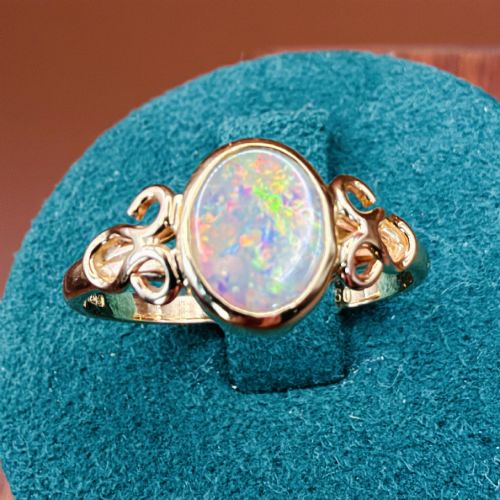
- A gemstone shaped and polished with a smooth, rounded convex surface rather than faceted. This style is frequently applied to opaque or translucent stones like opals and jade.
Edwardian Gold Solitaire Ring: Frequently Asked Questions
How do I care for an antique ring?
Clean these delicate pieces gently using warm soapy water and a soft brush, avoiding harsh chemical ultrasonic cleaners that can loosen old settings. Store them separately in lined boxes to prevent metal on metal abrasion.
Inspect the claws periodically with a loupe to ensure the central stone remains firmly seated within the antique mount.
Can these rings be resized easily?
Most gold and platinum rings from this era can be adjusted by a skilled jeweller who understands antique construction. The process involves adding or removing a small section of metal from the lower band.
However, ornate shoulder details or full channel engraving may limit how much the band can be altered without disrupting the design.
Were these used as engagement rings?
Single stone rings served as traditional tokens of betrothal throughout the Edwardian era and preceding Victorian times. The single gem symbolised enduring commitment and simplicity.
Couples frequently selected diamond or sapphire solitaires set in yellow gold and platinum for daily wear.
How do I identify an Edwardian piece?
Look for characteristic material combinations like yellow gold shanks topped with platinum settings, which became widespread around nineteen-ten. Hand-cut diamonds with slightly irregular facets and delicate milgrain edging also point to the period.
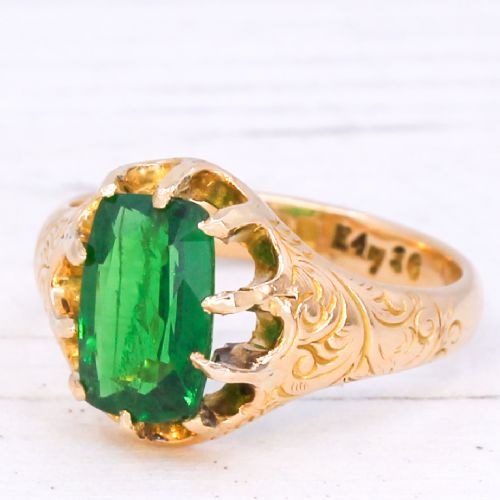
Maker's marks, gold fineness stamps, and assay office hallmarks inside the band often provide definitive dating clues.