


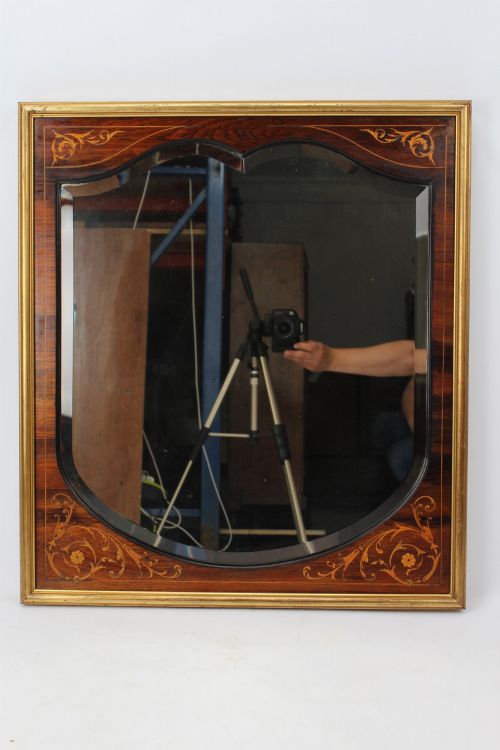
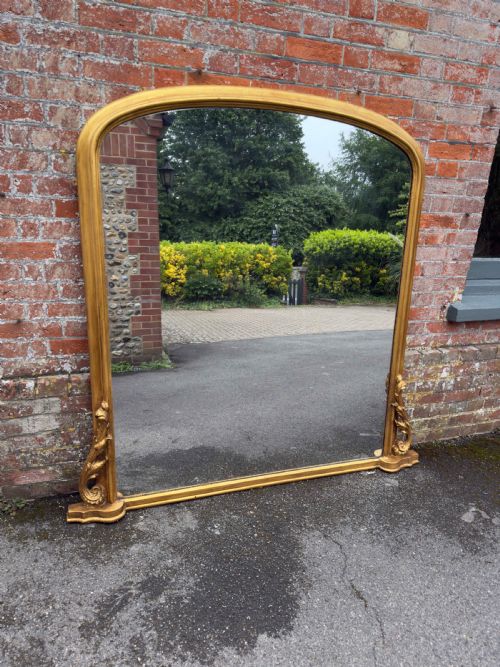


Edwardian Gold Overmantel Mirror
An edwardian gold overmantel mirror brings architectural presence to a hearth, reflecting light and proportion across a period interior.
Edwardian Gold Overmantel Mirror
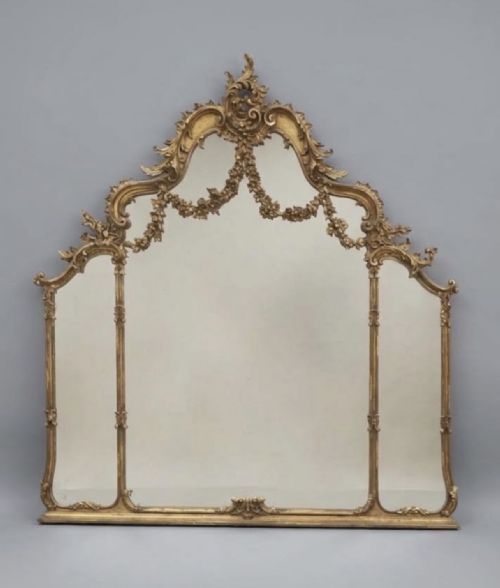
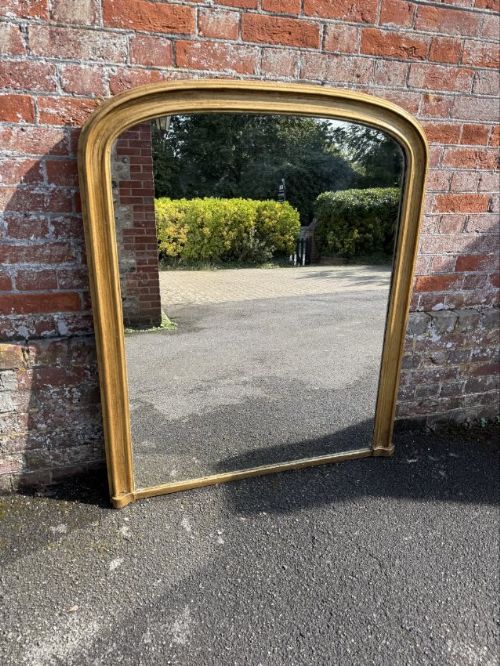
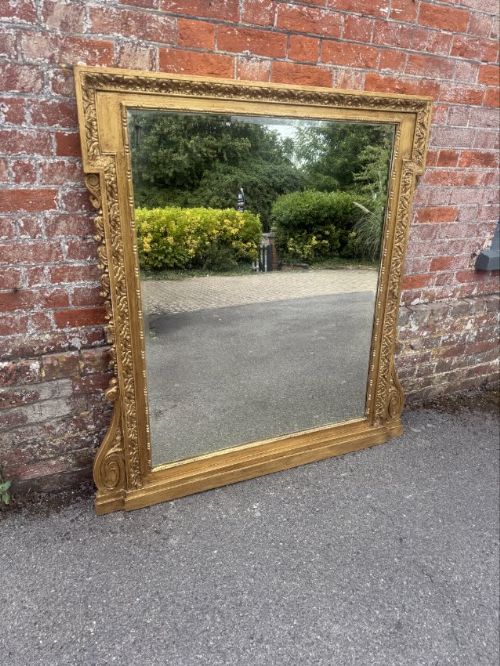
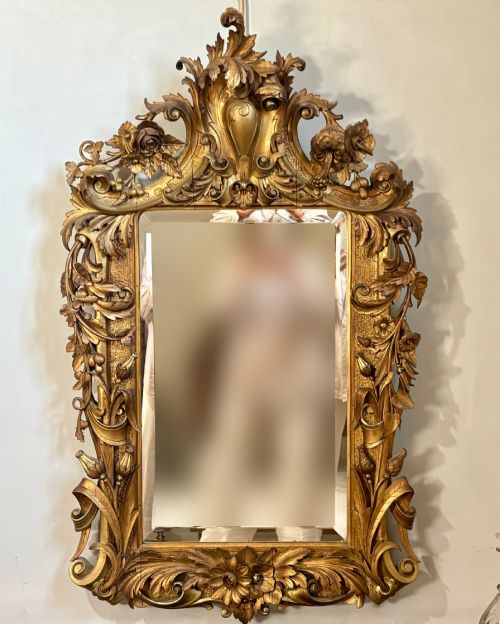
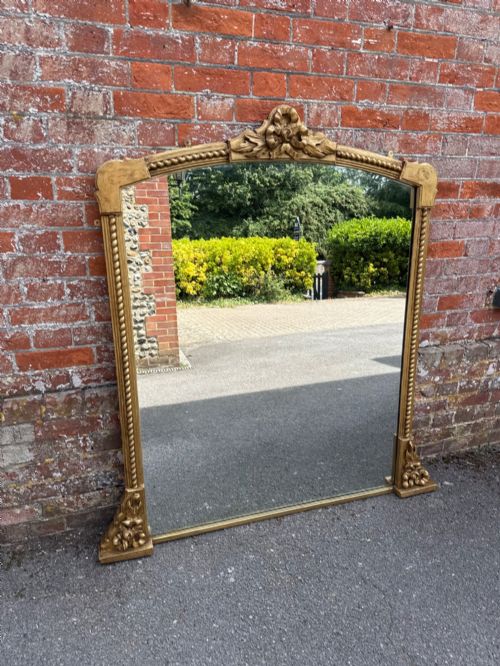
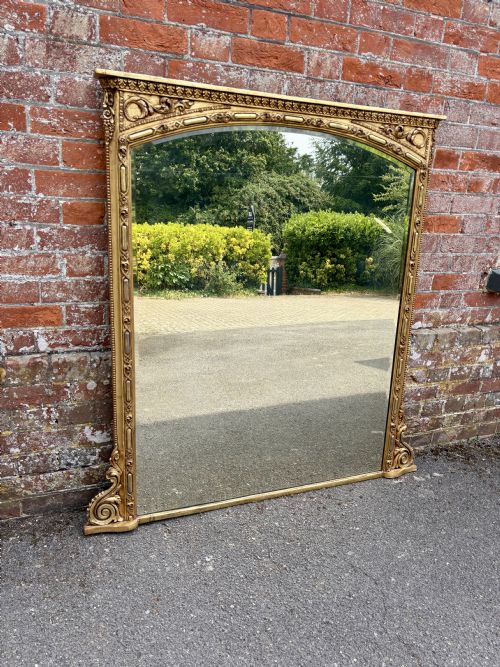
An edwardian gold overmantel mirror sits above a fireplace mantel, bridging the domestic space between hearth and ceiling with generous scale. These large looking glasses draw upon earlier nineteenth century traditions, incorporating arched tops, floral motifs, and classical revival frameworks.
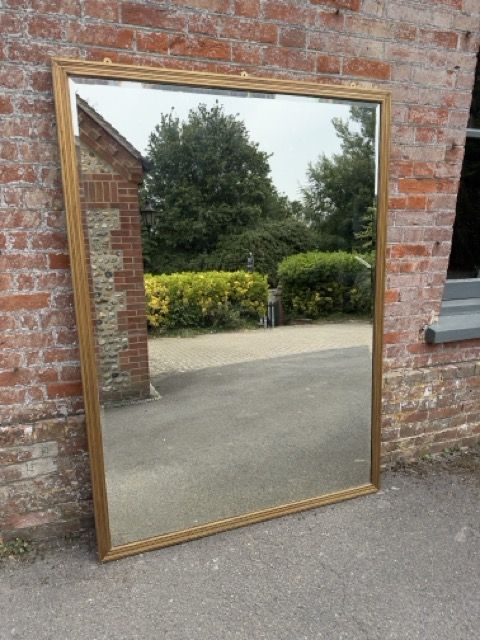
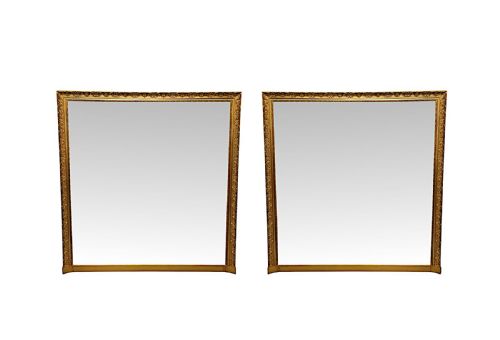
The selections span from strict Edwardian pieces to robust Victorian and transitional twentieth-century designs. Examples frequently employ giltwood, carved wood, and composition ornament to create substantial decorative impact.
Materials and construction
Carpenters carved structural wooden frames from timber such as oak or rosewood, applying layers of gesso to build up intricate relief decoration. Giltwood surfaces received thin applications of gold leaf to achieve a luminous metallic finish.
Moulded composition ornament supplemented hand carving on ornate frames, while mirror glass was set within the rebate and secured from behind. Sand-moulded gesso techniques added textured detail to specific frame profiles.
Listings feature items spanning the Victorian era through the Edwardian period, incorporating carved wood, gesso, and glass.
Judging quality in gilt mirrors
Depth and crispness of hand carving distinguish superior frames from simpler moulded versions. The integrity of the underlying wood and the retention of the original gold leaf layer dictate the physical longevity of the piece.
Proportion and symmetry within revival styles indicate the skill of the original workshop. Frames displaying integrated joinery and well-preserved surface gilding represent the higher tier of the range.
The Edwardian Gold Overmantel Mirror Glossary
- Gesso
- A plaster-like mixture applied to wooden frames as a base for gilding or painting. It allows craftsmen to carve intricate relief details before applying gold leaf.
- Giltwood
- Timber that has been coated with gold leaf or gold paint. This material defines the bright, reflective surfaces characteristic of formal period mirrors.
- Overmantel
- A large mirror designed specifically to hang on the wall directly above a fireplace mantelpiece. These pieces often match the horizontal proportions of the hearth below.
- Composition
- A moulded mixture of whiting, resin, glue, and linseed oil pressed into decorative shapes. It provides a cost-effective alternative to deep hand carving on complex frames.
- Pier mirror
- A tall looking glass designed to hang on the narrow wall space between windows. These mirrors reflect additional daylight into period rooms.
Edwardian Gold Overmantel Mirror: Frequently Asked Questions
Where should an overmantel mirror hang?
These mirrors hang centrally above a fireplace mantel, anchored securely to the wall to support their considerable weight. Their original purpose is to bounce firelight and daylight around the room while visually completing the chimney breast.
Position the bottom edge just above the mantel shelf to maintain a balanced relationship with the hearth. Ensure the fixings engage directly with wall studs or masonry for safe installation.
How do I clean a gilt mirror frame?
Dust the carved and gilded surfaces gently with a soft, dry brush to prevent accumulating dirt within the recessed gesso details. Avoid applying moisture or chemical cleaning agents, which can strip fragile gold leaf from the timber.
Glass panels require a mild glass cleaner applied to a cloth rather than sprayed directly onto the surface. This protects the surrounding antique frame from liquid damage.
What is the difference between Victorian and Edwardian mirrors?
Victorian mirrors tend towards heavier proportions, deep ornamentation, and complex revival styles such as Rococo and French Chateau. Their frames frequently utilise dense carved wood and heavy gesso relief.
Edwardian pieces often display lighter decorative schemes, leaning towards Adam Revival, Neoclassical, or simpler geometric designs. These later mirrors favour restrained elegance over the exuberant mass of the preceding century.
Are these mirrors made of solid gold?
The frames consist of wood or composition material covered in an extremely thin layer of gold leaf. This traditional gilding technique creates the appearance of solid gold without excessive structural weight.
Underneath the gold leaf lies the gesso preparation layer and the underlying timber frame. Over time, gentle rubbing may reveal patches of the reddish bole primer beneath the gold.