




Edwardian Glazed Side Table
These pieces known as an edwardian glazed side table combine timber frames with glass display surfaces to showcase small treasures beside a sofa or chair.
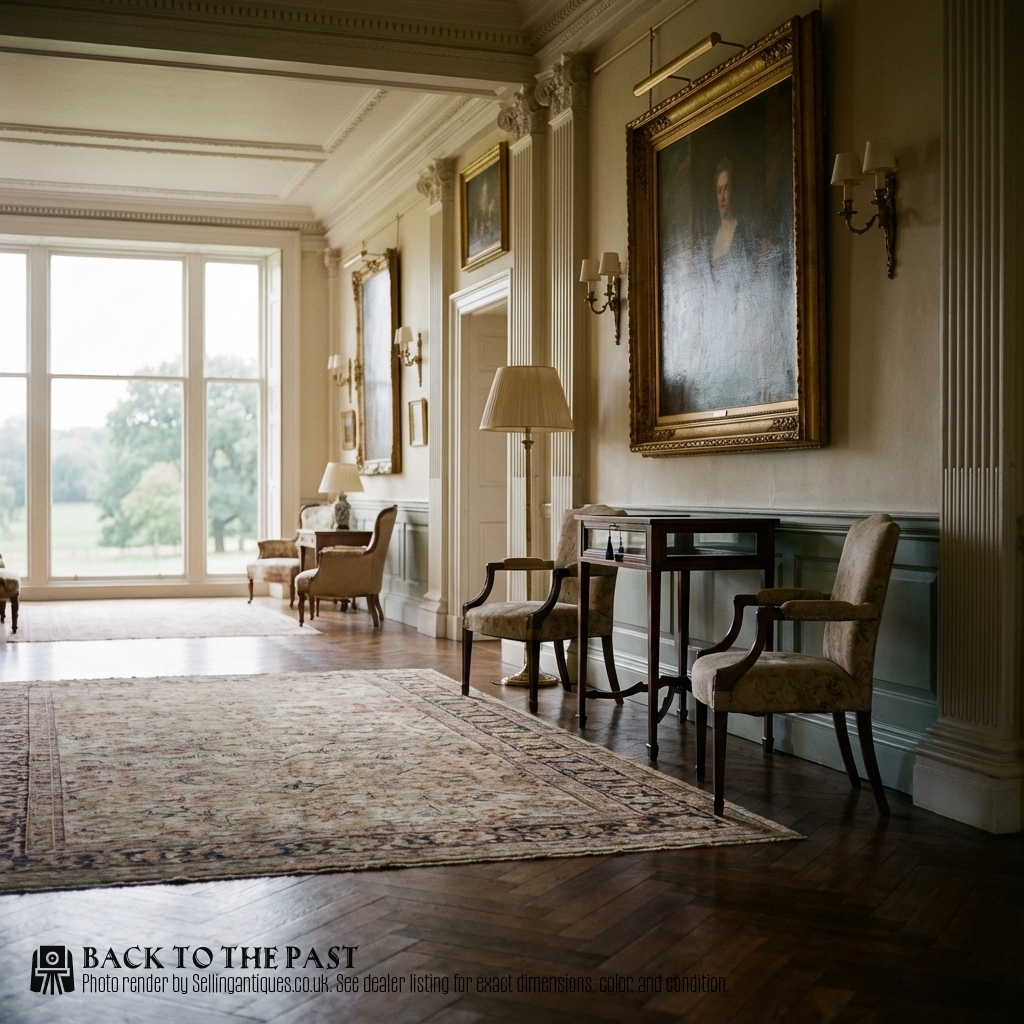
Edwardian Glazed Side Table
When you search for an edwardian glazed side table, you encounter items primarily built around the turn of the twentieth century in various timber forms. These pieces function as low surfaces or display cabinets combined into one, often taking the shape of a bijouterie table, display table, or occasional table.
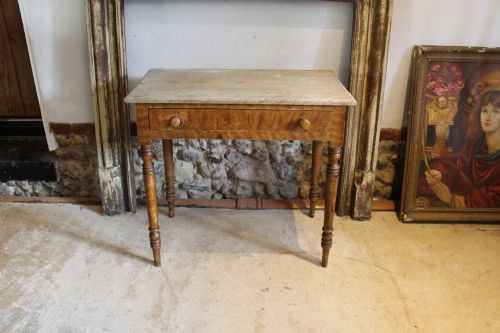
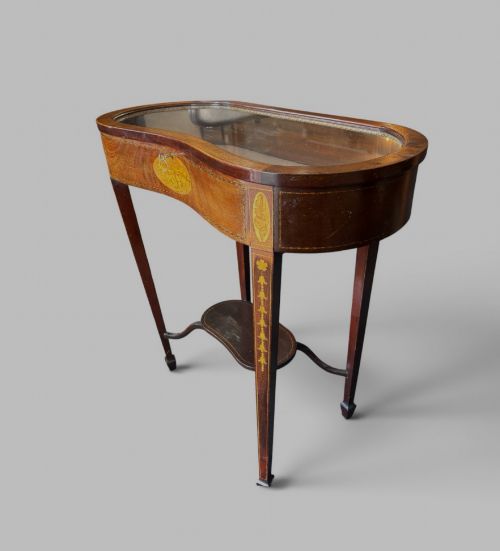
The most common examples on this page are Edwardian mahogany display tables featuring glazed tops and delicate inlaid decoration. Alongside these, related variations appear from the Victorian and later periods, including oak Arts and Crafts pieces and kidney shaped tables.
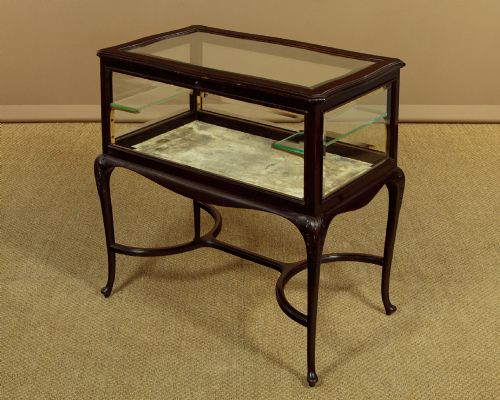
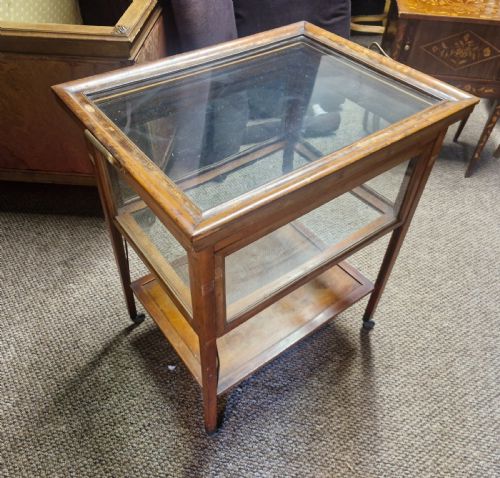
Makers often shaped these tables to sit neatly beside seating, providing a glass case on legs to hold collections of small objects, coins, or jewellery. The design priorities of the era favoured slender timber legs supporting a secure vitrine top for interior display.
Assessing quality and craftsmanship
The refinement of the timber inlay and the precision of the joinery separate standard production pieces from finer workshop outputs. Superior examples display crisp marquetry work in satinwood and clean, tight mitres around the glazed framework.
Proportion and leg design dictate the elegance of the silhouette, with slender tapered legs and well-balanced kidney or rectangular forms commanding greater visual appeal. The quality of the original brass hardware and the clarity of the glass panels further distinguish the better pieces.
The listings on this site combine Edwardian items with Victorian and Arts and Crafts examples, showcasing materials from mahogany and satinwood to oak and glass.
LIBERTY of LONDON
The Edwardian Glazed Side Table Glossary
- Bijouterie table
- A glass-topped display table specifically designed for exhibiting small valuable items, jewellery, or collections. These pieces feature a hinged or lifting glazed lid.
- Vitrine
- A glass-panelled cabinet or display case intended for showing curiosities. The term frequently applies to the glazed compartment section of a display table.
- Marquetry
- Decorative woodwork where pieces of contrasting veneer are fitted into a ground material to form geometric or floral patterns. This technique appears across many Edwardian tabletops.
- Satinwood
- A durable, lustrous timber with a yellow or golden sheen, commonly utilised for stringing and contrasting inlay on mahogany furniture. It provides bright linear detail against darker woods.
- Kidney shape
- A curved, asymmetrical furniture top resembling a kidney bean, designed to wrap partially around the user. This outline occurs frequently on refined writing and display tables.
Edwardian Glazed Side Table: Frequently Asked Questions
What fits inside a glazed side table?
These glass-topped tables were originally designed to display small personal collections, including pocket watches, medals, coins, and delicate ornaments. The enclosed vitrine keeps dust away while keeping the contents fully visible from above.
Modern owners continue to use them for showcasing curiosities, photographs, or curated collections within a living room or study setting.
How do I care for the timber and glass?
Maintaining the wood requires simple dusting with a soft dry cloth and occasional application of appropriate furniture wax to nourish the polished mahogany or satinwood surface. Avoid placing the table in direct sunlight to protect the timber and any underlying fabric lining from fading.
Glass panels can be cleaned with standard glass cleaner applied sparingly to a cloth rather than directly sprayed, preventing moisture from seeping into the surrounding wooden frame.
Are these tables sturdy enough for daily use?
Edwardian display tables are generally built with slender legs and delicate frames intended for light domestic duties rather than heavy weight. They function best as static display pieces or gentle side surfaces for a book and a cup.
Moving them requires care to lift rather than drag the table, protecting the leg joints and delicate inlay from undue stress.
How can I distinguish Edwardian from Victorian pieces?
Edwardian furniture typically exhibits lighter proportions, brighter mahogany tones, and more restrained satinwood inlay compared to earlier nineteenth-century production. Victorian equivalents often show heavier timber sections, darker finishes, and more robust construction.
Stylistic crossover remains common around the turn of the century, as cabinetmakers gradually shifted from Victorian ornamentation to the cleaner lines favoured in the Edwardian era.