



Edwardian Glass Set
An edwardian glass set brings the crisp clarity and tactile weight of early twentieth-century dining straight to the modern table.
Edwardian Glass Set
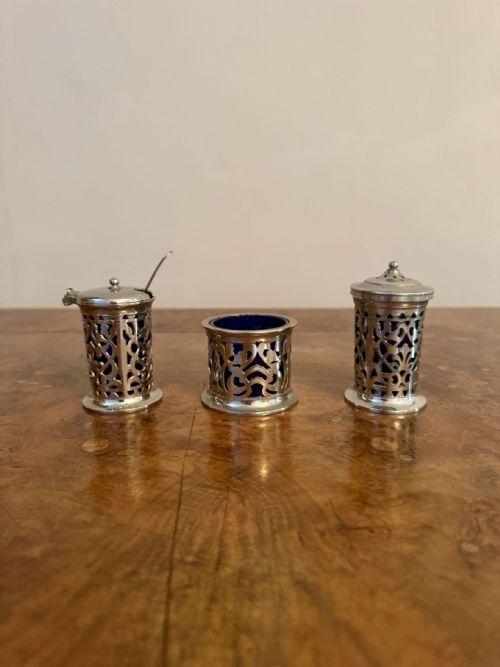
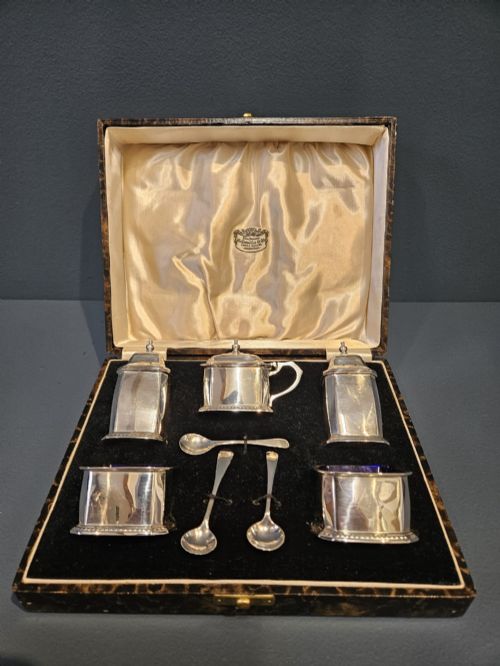
When you search for an edwardian glass set, you encounter matched gatherings of table glass, barware, and cruet components often united with silver plate or sterling mountings. These groupings originate primarily around the Edwardian period and adjacent decades spanning the late Victorian years through to the nineteen-twenties.
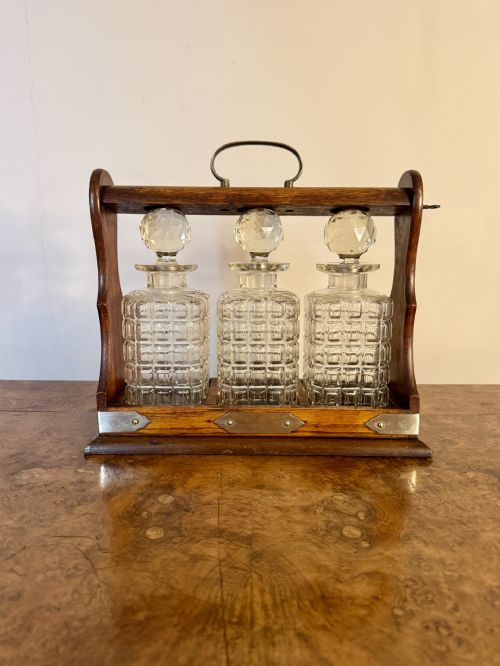
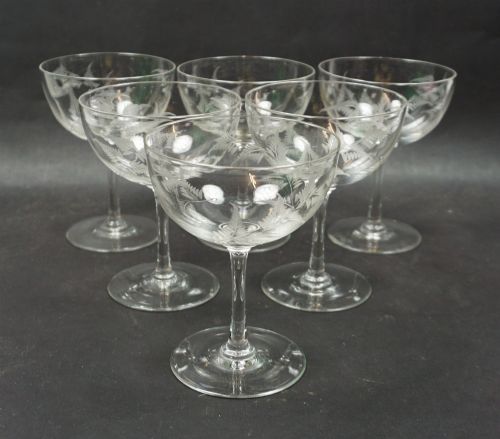
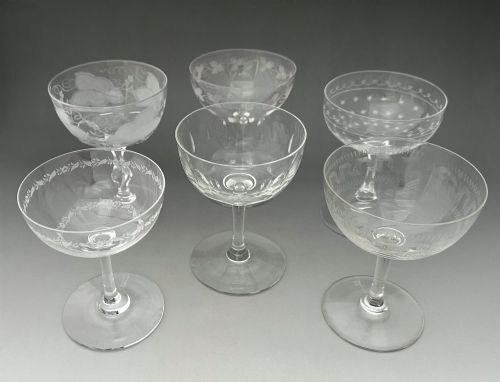
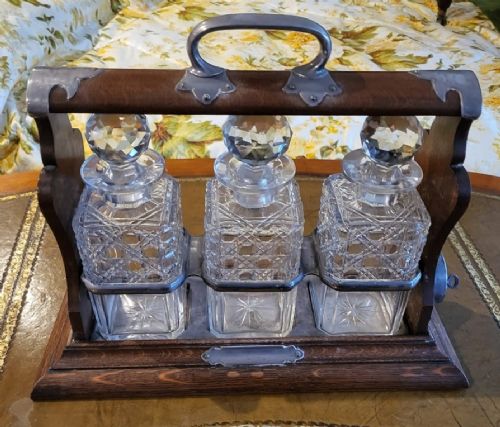
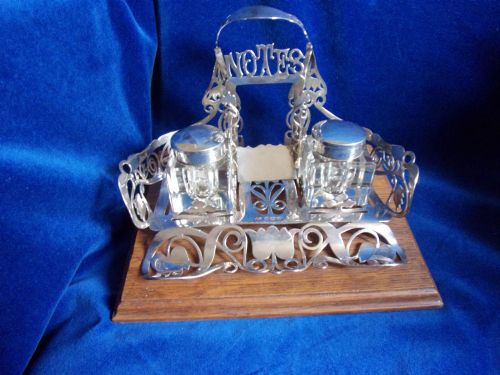
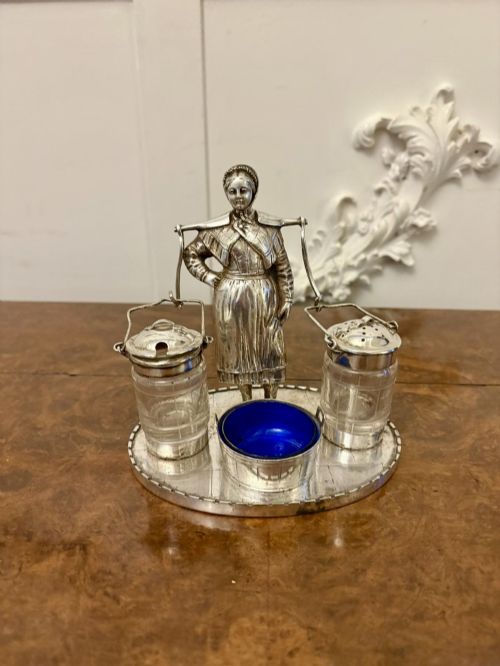
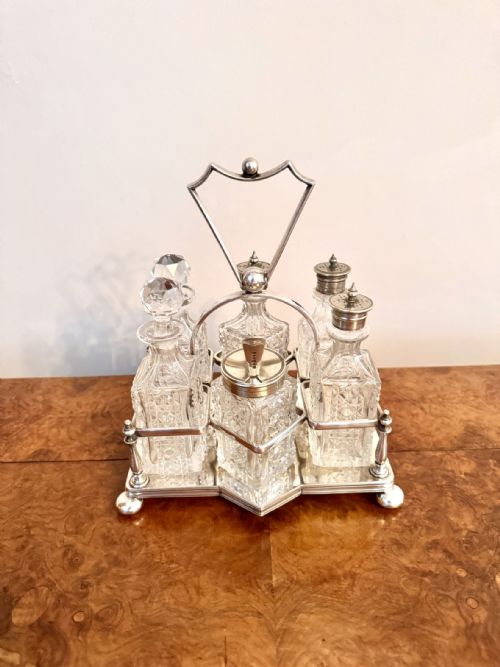
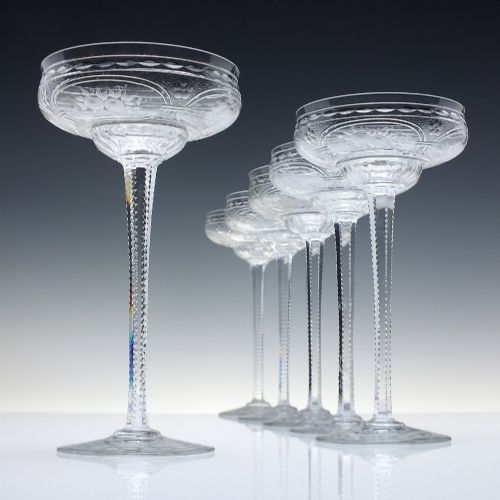
The most common formats meeting this description are cruet sets with twin or multiple glass bottles, decanter sets housed in oak or silver-plated frames, and drinking glasses such as wine glasses and champagne coupes. Makers combined these glass elements with brass, oak, and silver plate to create functional ensembles for the dining room and desk.
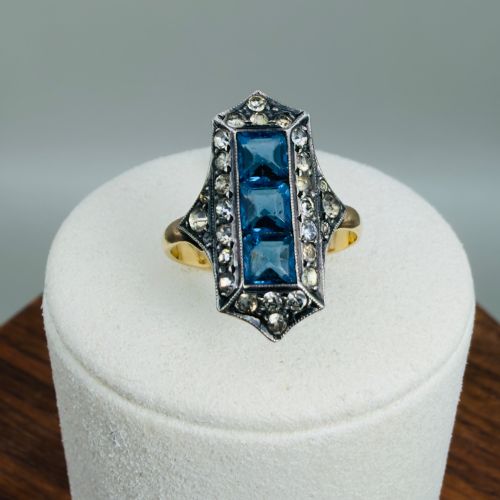
Beyond practical table service, the category extends to scent bottles, dressing table jars in frosted glass, and dram glasses carrying Art Nouveau or Neo-Classical influences. Each configuration demonstrates the period's preference for combining utilitarian glass vessels with decorative metalwork.
Materials and production methods
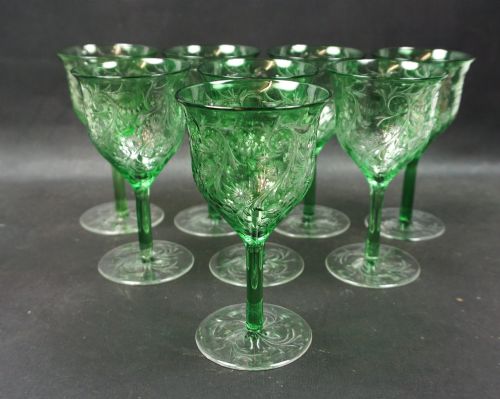
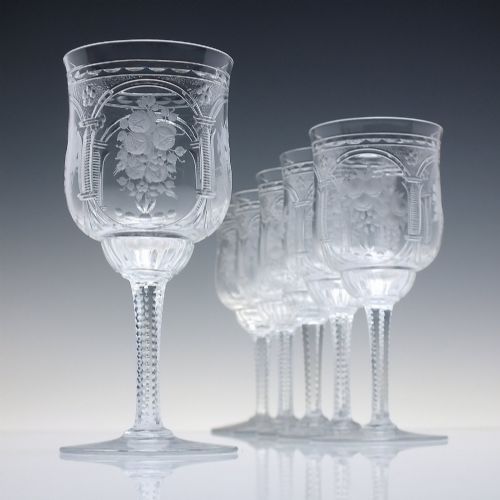
Glass production in these sets relies on lead crystal and cut glass, shaped through blowing and mechanical or hand-cutting to create facets that catch the light. Intaglio engraving and enamel decoration further adorn pieces like hock and wine glasses.
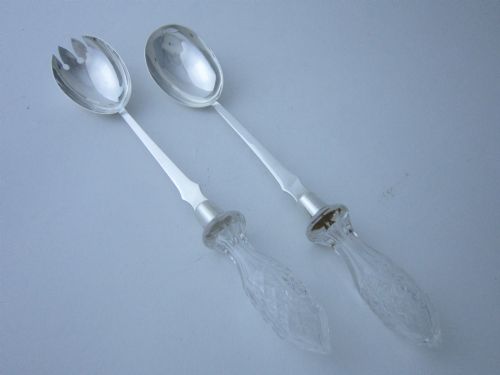
Metal components utilise sterling silver, silver plate, brass, and ormolu, often paired with wooden bases in oak, coromandel, or satinwood. Silver-plated stands and hand-fretted mountings secure the glass vessels, joining structural carpentry with metalworking techniques.
Edwardian Glass Set Retail Price Guide 2026
Typical asking prices for edwardian glass set among the pieces listed under this phrase on Sellingantiques today, from the lower quarter to the upper quarter. They describe what is for sale here now, not the wider market.
Listings feature periods from the late Victorian era through the nineteen-twenties, incorporating glass, silver plate, and oak.
Distinguishing quality across the range
The distinction between standard items and the top of the range rests on the crispness of the glass cutting and the weight of the metal mounts. Heavier gauge silver plate or solid sterling silver mountings paired with deeply faceted lead crystal elevate an assemblage.
Artistic execution also defines superior examples, such as fine intaglio engraving on green wine glasses or delicate enamel work on crystal hock glasses. The harmony between the fitted wooden base, such as figured oak or coromandel, and the glass vessels indicates finer workshop production.
Stevens & Williams·Baccarat Vallee·Theresienthal·Walker And Hall·Betjemann
The Edwardian Glass Set Glossary
- Cruet set
- A matched grouping of glass bottles or cruets for condiments, typically held within a silver-plated or metal stand.
- Tantalus
- A locking wooden frame enclosing glass decanters that prevents access to the contents without a key.
- Champagne coupe
- A broad, shallow-bowled glass designed for sparkling wine, prevalent during the Edwardian and Art Deco periods.
- Intaglio engraving
- A decorative technique where a design is carved into the surface of the glass rather than raised above it.
- Standish
- An ornamental stand holding writing materials, which frequently incorporates cut glass inkwells and silver-plated accessories.
Edwardian Glass Set: Frequently Asked Questions
What pieces belong in a cruet set?
A traditional cruet set contains multiple glass bottles or jars mounted in a metal stand for oils, vinegars, and sauces.
These sets often feature silver-plated or sterling frames with handled stands for easy transport to the dining table.
How do I identify Edwardian glassware?
Edwardian glass typically exhibits clear lead crystal, simple geometric cuts, or delicate Art Nouveau motifs.
Matching sets often integrate with silver-plated or oak mountings characteristic of the early twentieth century.
How should I clean antique glass sets?
Wash glass components gently in warm water with mild detergent, avoiding sudden temperature changes.
Metal mounts require separate care using appropriate polishes to preserve silver plate and sterling surfaces.