
Edwardian Glass Front Cupboard
An edwardian glass front cupboard brings light and refinement into a room, offering a protected showcase for treasured books and small objects.

Edwardian Glass Front Cupboard
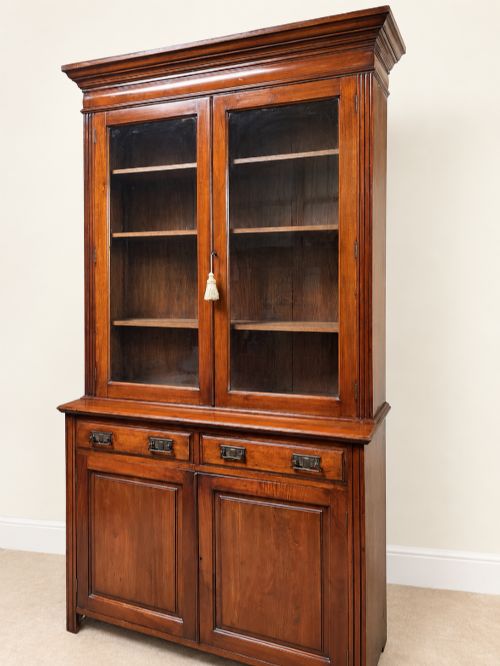
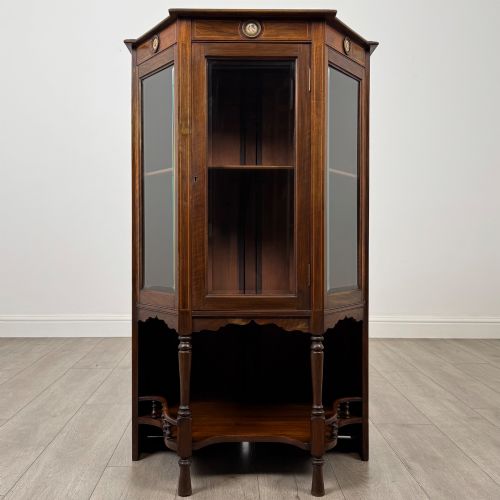
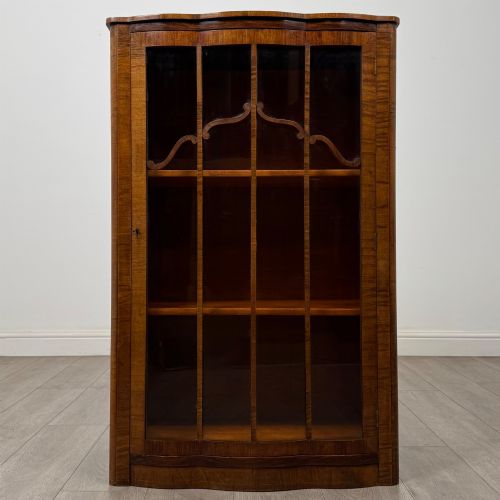
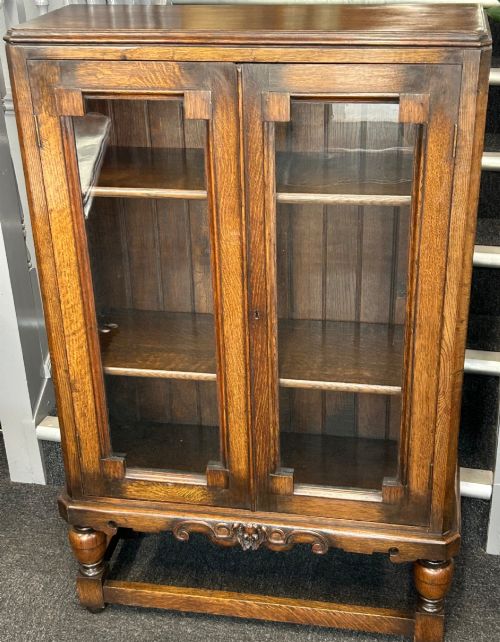
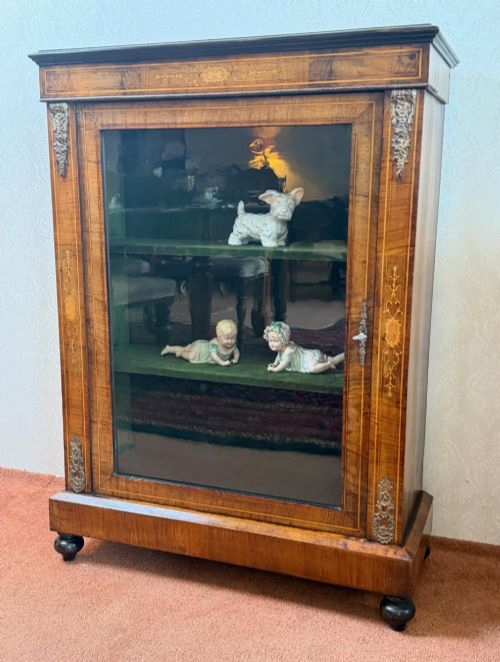
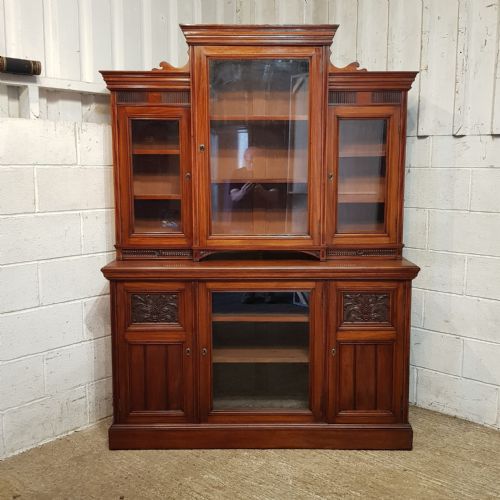
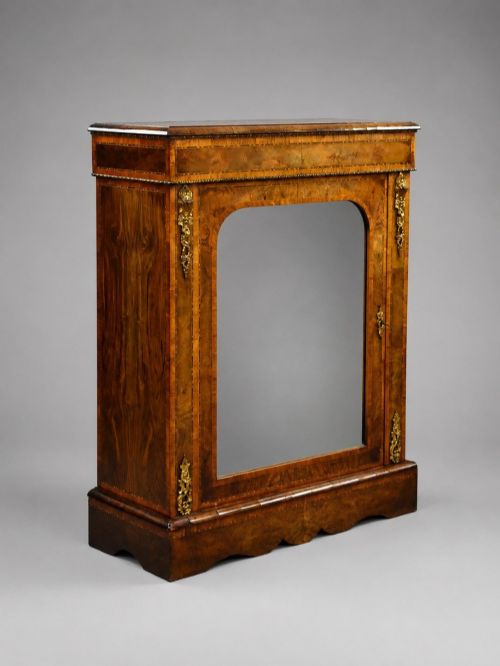
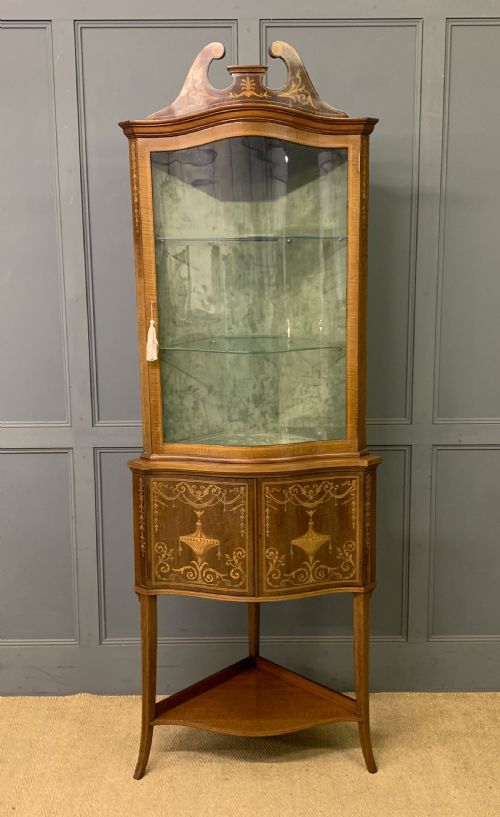
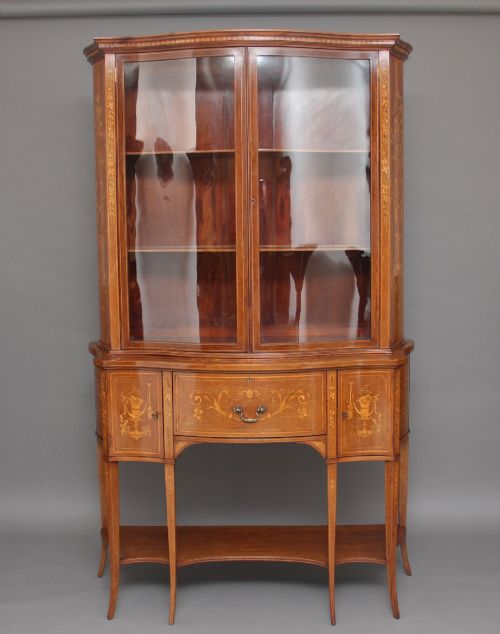
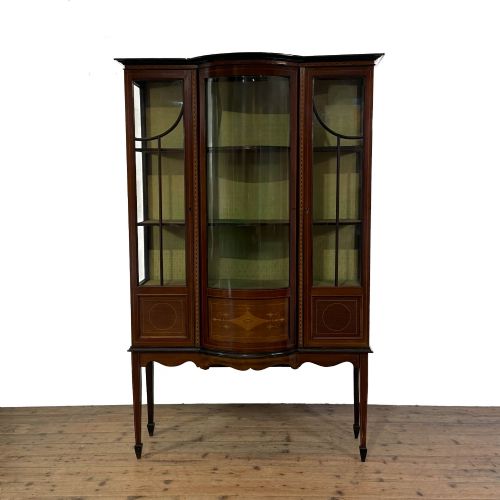
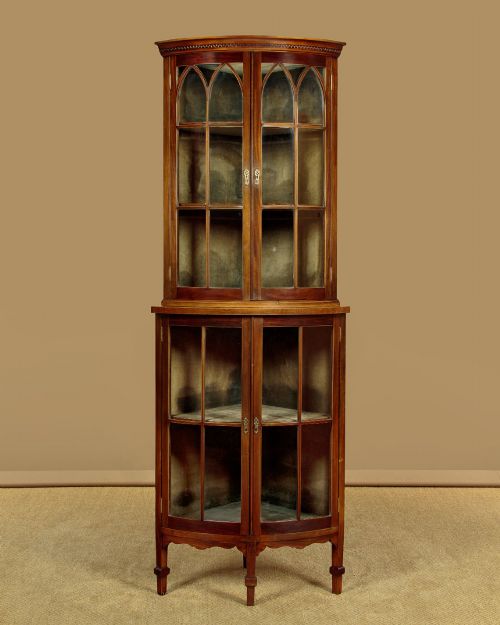
When you search for an edwardian glass front cupboard, you encounter a variety of storage pieces designed to exhibit rather than conceal their contents. The selection on this page centres primarily upon Edwardian and late Victorian pieces, spanning display cabinets, bookcases, corner cabinets, pier cabinets, and credenzas.
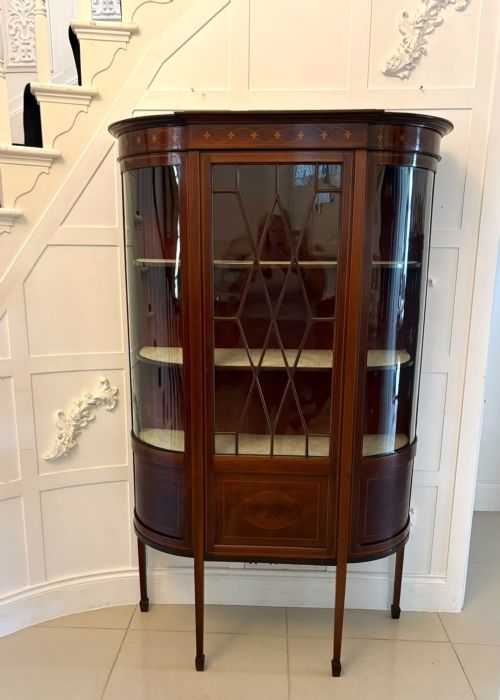
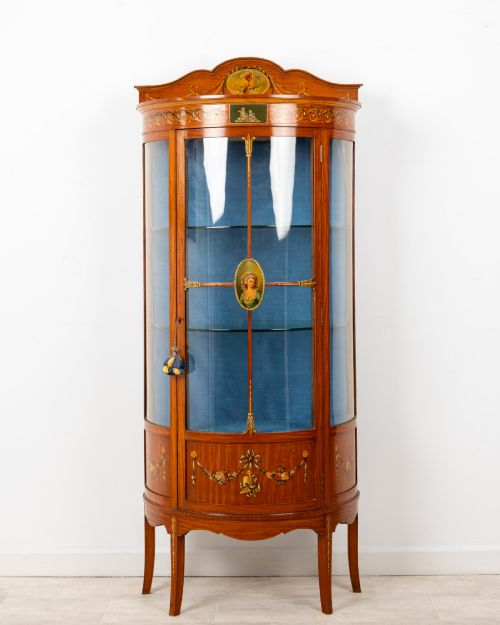
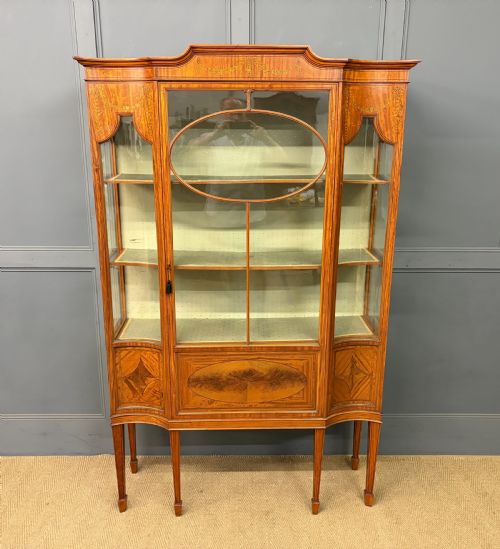
The dominant forms rely on glazed doors to protect collections while keeping them visible from the room. These range from bow-ended and serpentine floor cabinets to compact corner units and wall-mounted variations, frequently originating from the turn of the twentieth century.
Materials and Construction
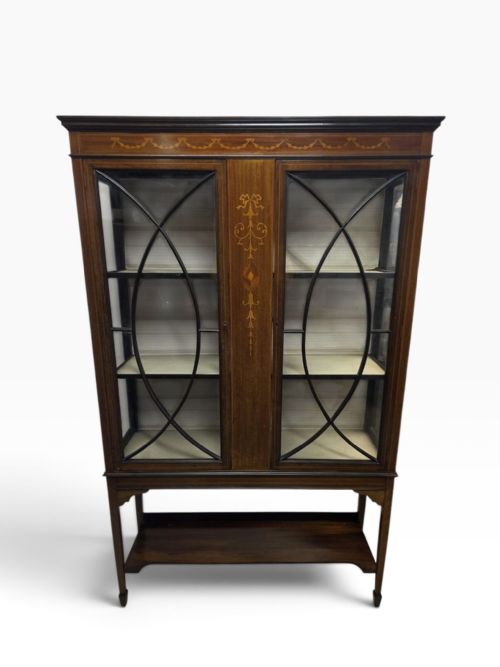
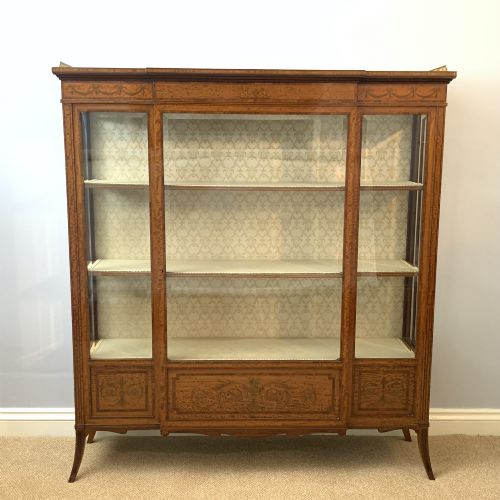
Cabinet makers relied heavily on mahogany and satinwood as foundational timbers, often enhancing the polished surfaces with delicate satinwood inlay, marquetry, or contrasting walnut and burr walnut grains. Brass hardware functioned as hinges, escutcheons, and locks, while glass formed the primary medium for the prominent front doors and side panels.
Structural embellishment drew inspiration from classical revivals, notably Sheraton Revival motifs that introduced painted details and symmetrical geometry to the woodwork. Fabric linings frequently appeared behind shelves, providing a soft background texture for displayed porcelain and silver.
Evaluating Craftsmanship
Distinctions in quality emerge through the finesse of the timber selection and the precision of the decorative elements. Cabinets featuring figured veneers, complex curved glass doors, and intricate marquetry display a higher level of workshop skill than plain rectilinear alternatives.
The integration of maker signatures, such as work originating from established firms, elevates a piece through superior joinery, balanced proportions, and refined internal fittings like working keys and lined shelving.
Edwards & Roberts·Maple & Co
The Edwardian Glass Front Cupboard Glossary
- Vitrine
- A glass-fronted cabinet designed specifically for displaying fine porcelain, curiosities, or objects of art. These pieces typically feature glazed sides as well as doors to maximise internal illumination.
- Marquetry
- The art of applying decorative veneer pieces in various woods, and occasionally other materials, to create pictorial or geometric patterns on furniture surfaces. It appears frequently on panels and friezes.
- Pier Cabinet
- A narrow display cabinet traditionally built to stand against the wall space, or pier, situated between two windows. They make efficient use of slender spaces while providing vertical storage.
- Secretaire Bookcase
- A tall combination piece incorporating a pull-down writing drawer concealed beneath upper glazed bookcase shelving. It merges a compact desk with a traditional display unit.
- Bow-ended
- A furniture design featuring a gently rounded, convex front profile that softens the edges of the cabinet. This curved shape requires specialised glass-bending techniques.
Edwardian Glass Front Cupboard: Frequently Asked Questions
What is an edwardian glass front cupboard?
An edwardian glass front cupboard is a refined storage piece produced around the turn of the twentieth century, featuring transparent doors to display books or decorative items.
These cabinets reflect the lighter aesthetic of the period, frequently utilising mahogany or satinwood alongside inlaid details and classical revival motifs.
How do I identify an Edwardian cabinet?
Edwardian cabinets generally display lighter timbers such as satinwood or polished mahogany, often contrasted with delicate stringing and marquetry rather than the heavy dark finishes of earlier Victorian furniture.
Design influences lean heavily toward the Sheraton Revival style, prioritising elegance, slender proportions, and symmetrical decorative patterns.
Where should I place a corner cabinet?
A corner cabinet fits neatly into unused room angles, transforming empty intersections into functional display space for glassware or ceramics.
These pieces make efficient use of smaller rooms by drawing the eye outward while preserving open floor space in the centre of the interior.
How were these cabinets originally used?
Historically, households utilised these glazed units in drawing rooms and libraries to exhibit prized book collections, imported porcelain, and personal curiosities.
The glass doors kept dust away from delicate items while allowing guests to admire the owner's refined collections without handling them directly.