

Vintage Mahogany Display Unit
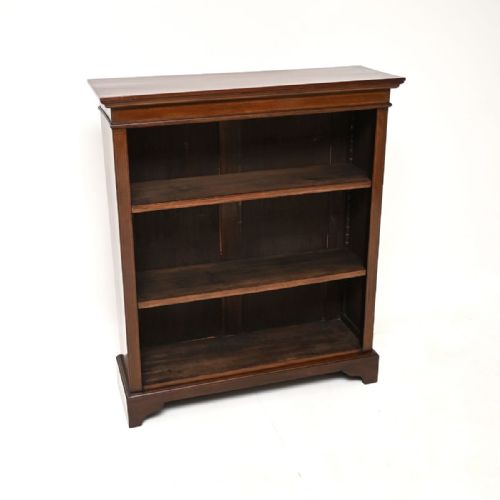
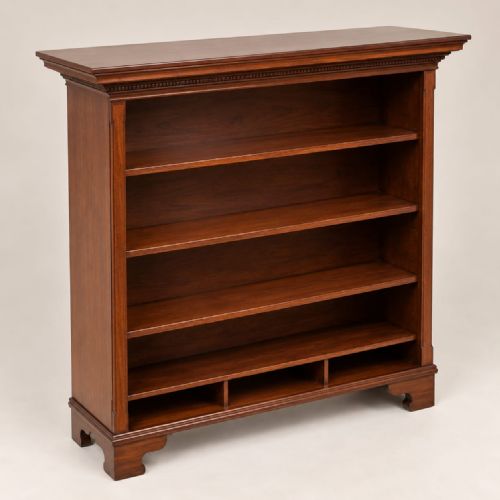
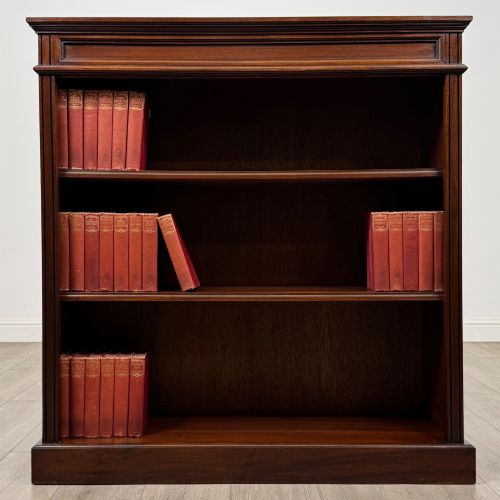
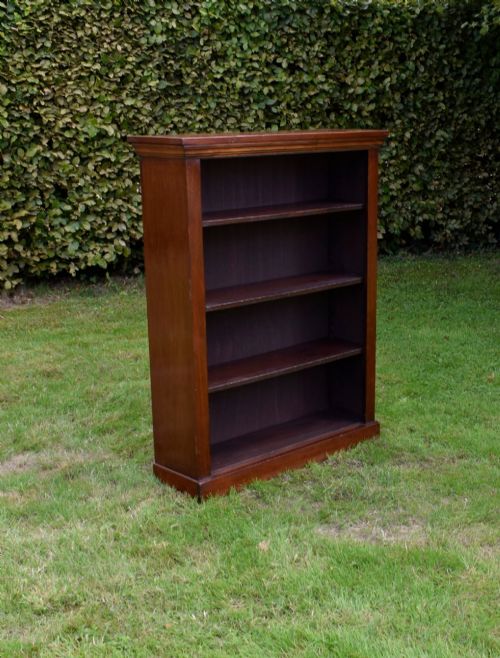
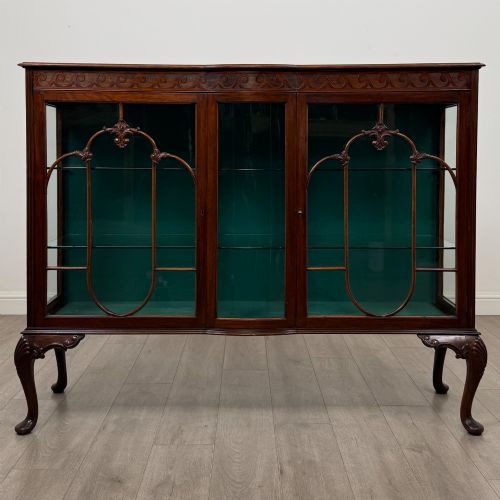
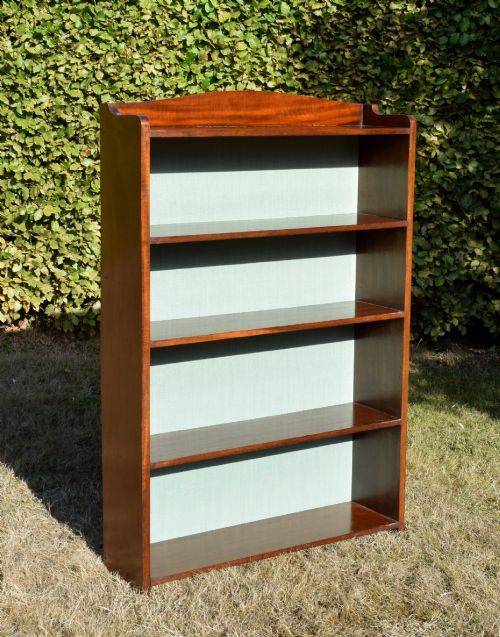
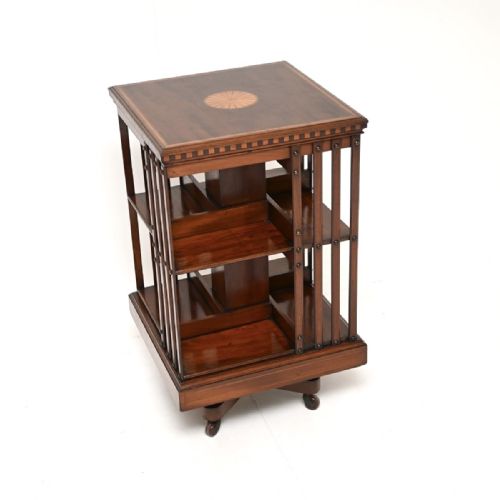
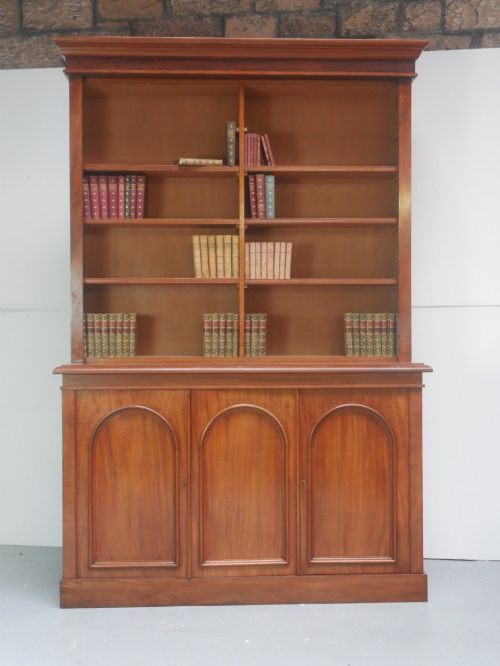
These vintage mahogany display units span open bookcases, glazed cabinets and tiered whatnots designed to present books and prized possessions.

Vintage Mahogany Display Unit
A vintage mahogany display unit encompasses a broad family of storage and exhibition furniture, from tall open bookcases to corner cupboards and hanging shelves. The selection on this page leans heavily towards Edwardian and Victorian pieces, supplemented by Regency and Georgian style examples.
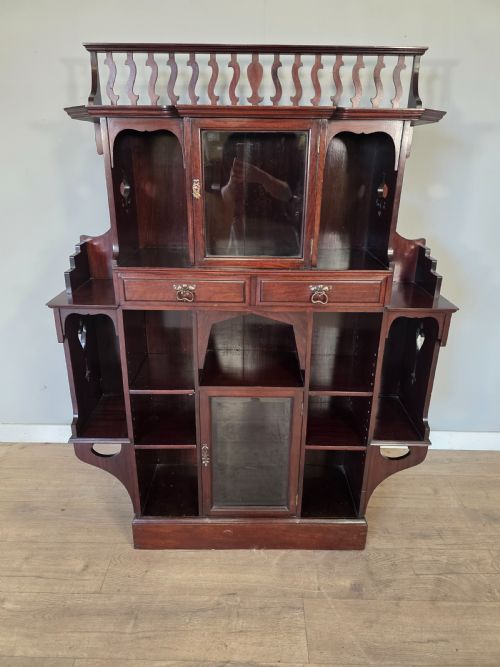
Makers and cabinetmakers produced these pieces to house libraries and display ceramics or glassware in principal rooms. Buyers frequently encounter open bookcases with adjustable shelving or glazed display cabinets fitted with brass hardware.
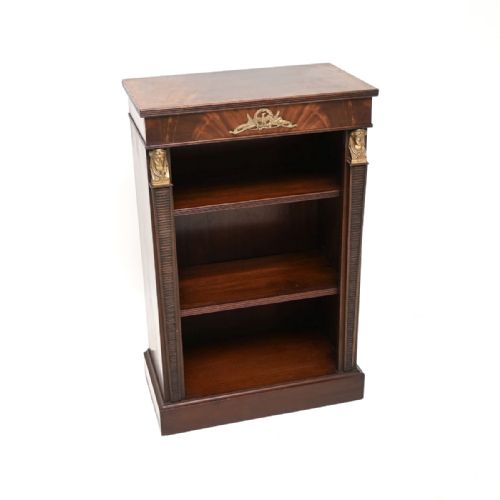
The architectural language draws on classical revivals, evident in Chippendale, Empire and Sheraton influences. These diverse forms share a common purpose of organising and exhibiting domestic collections.
Materials and construction methods
Makers selected mahogany as the primary timber for its rich grain and structural stability, often accentuating the surfaces with satinwood inlay or contrasting paint details. Glass panels were glazed into doors for display cabinets, while structural frames incorporated pine for secondary elements.
Hardware played both a functional and decorative role, with brass castors fitted to floor-standing pieces and brass handles securing doors. Cabinetmakers joined panels using traditional joinery, ensuring longevity across decades of domestic use.
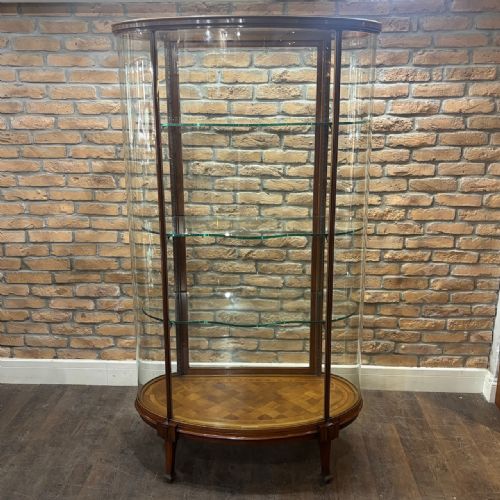
Chemist shop fittings occasionally cross paths with domestic bookcases, proving that Victorian pharmacists took their shelving display just as seriously as any parlour.
Markers of distinction in construction and design
Quality rests in the selection of the timber and the precision of the inlay work, where crisp satinwood lines elevate plain surfaces. Finer examples display meticulous attention to proportion, particularly in the scaling of cornices and shelf mouldings.
The integration of secondary details, such as original brass castors or finely glazed door panes, distinguishes standard utilitarian storage from pieces created for formal reception rooms.
F. Sage & Co
The Vintage Mahogany Display Unit Glossary
- Whatnot
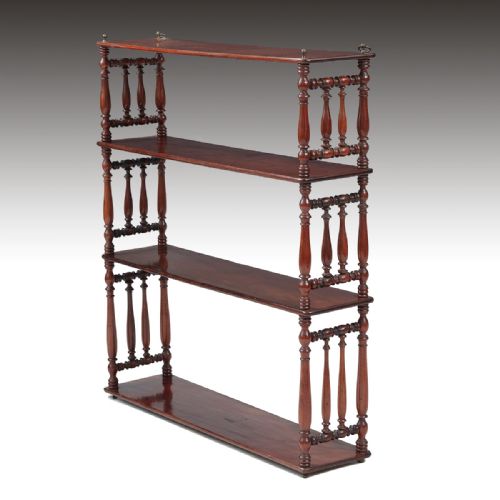
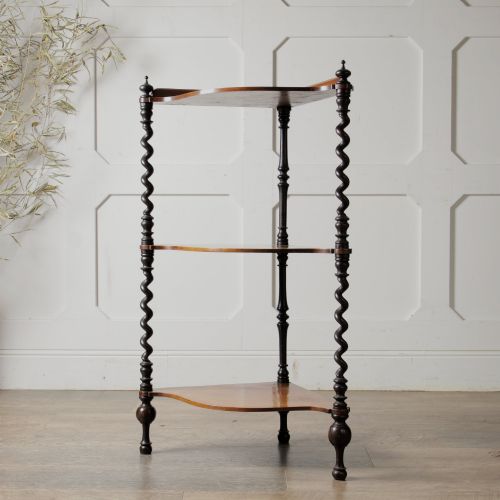
- A piece of furniture consisting of a set of open shelves for displaying small objects, popular in the Victorian period. These tiers are often supported by slender turned columns.
- Waterfall bookcase
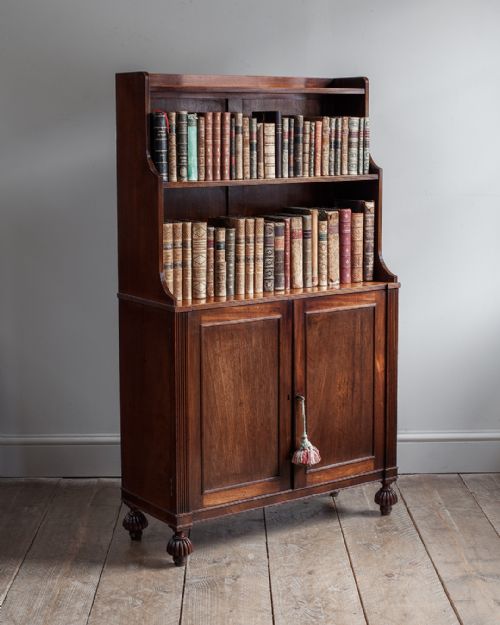
- A set of open shelves where each tier steps back progressively from the one below, creating a cascading profile. This form appeared frequently during the Regency and Edwardian eras.
- Inlay
- A technique where contrasting materials such as satinwood are inserted into depressions in the mahogany surface to form decorative patterns. This ornament defines much of the Edwardian furniture.
- Secretaire bookcase
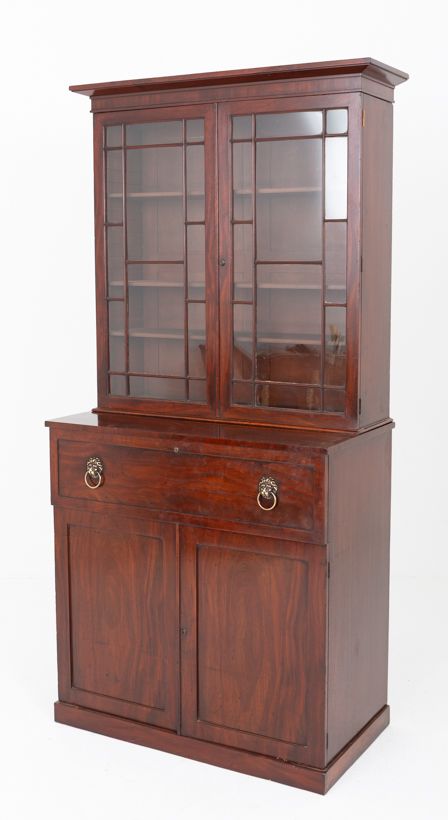
- A tall cabinet incorporating a pull-down writing drawer above lower shelving or cupboards. It combines a desk workspace with enclosed storage.
- Corner cupboard
- A triangular cabinet designed to fit neatly into the corner of a room, saving floor space while displaying contents behind solid or glazed doors.
Vintage Mahogany Display Unit: Frequently Asked Questions
How do I choose the right vintage mahogany display unit for a small room?
Consider corner cabinets or tiered whatnots, which utilise vertical space efficiently without dominating a floor plan. Hanging shelves also offer storage options that keep the room feeling open.
Measure your available wall space carefully and compare the depth of the unit against doorways and walkways. Open bookcases create a lighter visual presence than heavy glazed cabinets in compact interiors.
What is the difference between an open bookcase and a display cabinet?
Open bookcases feature unhindered access to shelves for books and frequently accessed objects. Display cabinets incorporate glazed doors to protect delicate collections from dust while maintaining visibility.
Both forms utilise mahogany timber, but cabinets require framing for glass panels and often include locking mechanisms. Your choice depends on whether you prioritise accessibility or dust-free protection.
How can I tell an Edwardian mahogany unit from a Victorian one?
Edwardian pieces often display lighter satinwood inlay and draw inspiration from Sheraton or Chippendale revivals. Their proportions tend to feel slightly more delicate and restrained compared to earlier output.
Victorian pieces frequently lean towards heavier proportions, sometimes featuring barley twist turnings or darker finishes. Examine the secondary timbers and construction methods to confirm the period.
Where should I place a mahogany waterfall bookcase in my home?
Waterfall bookcases suit studies, living rooms or hallways where their stepped shelves can hold books or small decorative objects. Their profile works well against flat walls or within alcoves.
Keep mahogany furniture away from direct sunlight and strong heat sources to protect the polish and prevent the timber from drying out.