

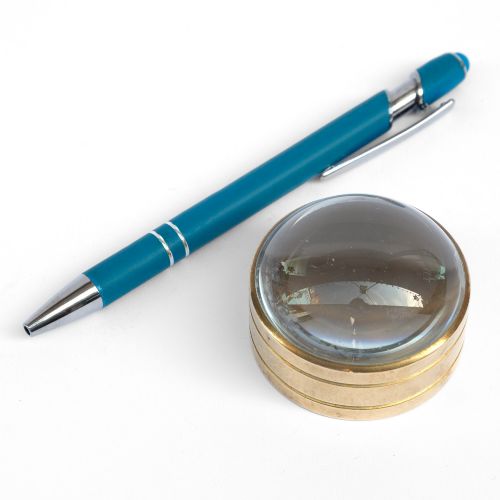


Edwardian Glass Dome
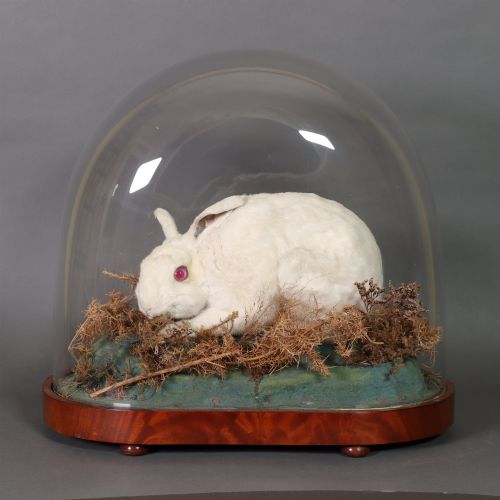
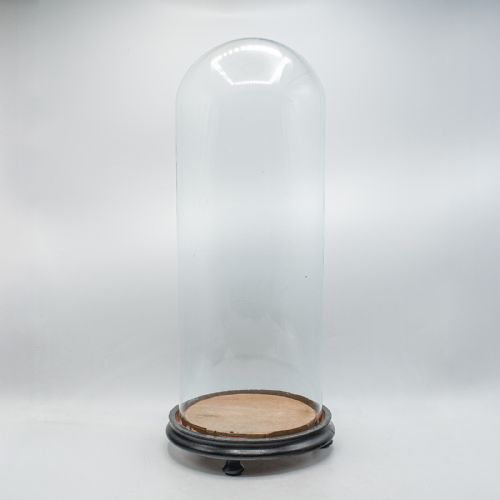
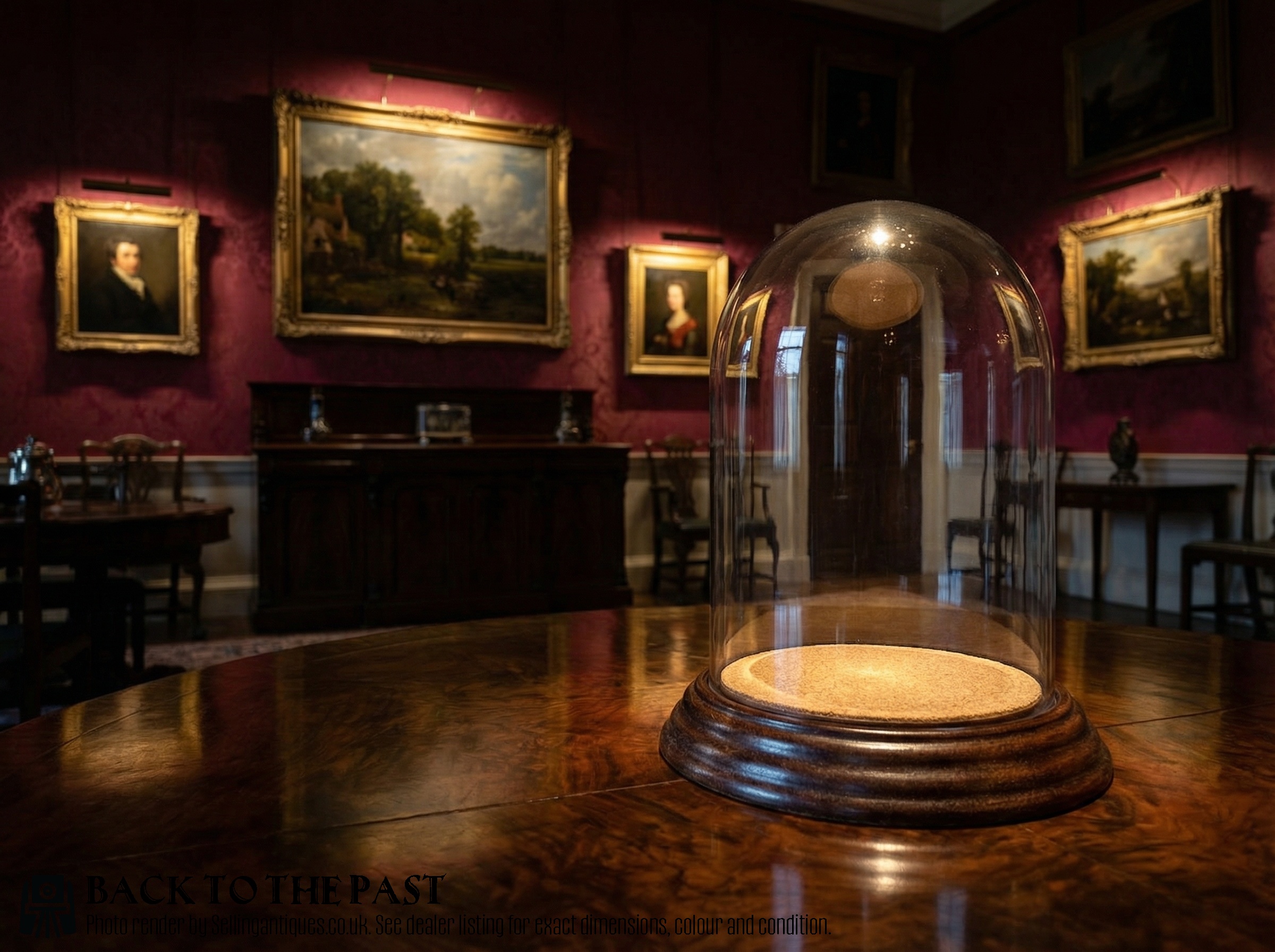
An edwardian glass dome protects delicate taxidermy and precious curiosities beneath a clear bell of blown glass.
Edwardian Glass Dome
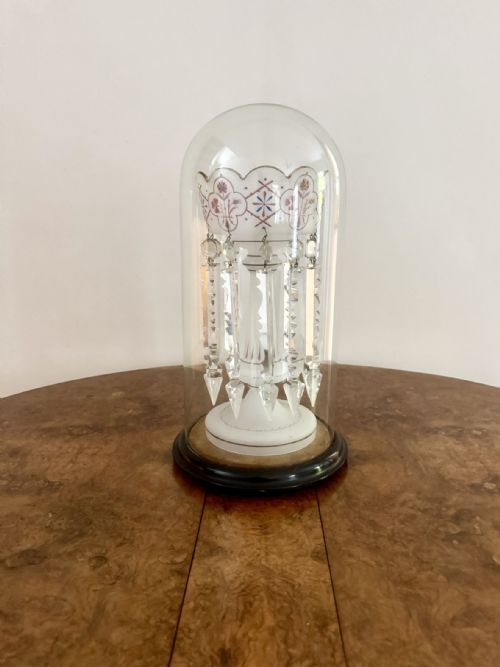
When you search for an edwardian glass dome, you encounter clear glass covers designed to protect taxidermy specimens, clocks, and fragile ornaments from dust. These protective enclosures range from tall display showcases to wide specimen domes created to house preserved birds and small animals.
The version you are most likely to meet on this page sits upon a turned wooden base made of oak, beech, or ebonised wood. Many examples from this era house Victorian taxidermy or serve as collector showcases for items requiring a clear, protective cover.
How they were made
Supporting elements often incorporate turned wood, brass mountings, and fitted timber platforms designed to support heavy specimens or delicate taxidermy mounts securely within the glass enclosure.
Edwardian Glass Dome Retail Price Guide 2026
Typical asking prices for edwardian glass dome among the pieces listed under this phrase on Sellingantiques today, from the lower quarter to the upper quarter. They describe what is for sale here now, not the wider market.
Listings feature glass, brass, crystal, wood, ebonised wood, mahogany, and beech across Edwardian and Victorian forms.
What varies in quality
The clarity and thickness of the blown glass distinguish finer specimens from ordinary examples, with heavier glass showing fewer manufacturing bubbles and minimal distortion. The choice of base timber also marks a difference in finish, as dense oak and polished ebonised wood provide superior weight and stability compared to softer secondary woods.
Proportion plays a role in the overall execution, where taller domes maintain a balanced arc from base to apex without slumping. The tight integration between the glass rim and the recessed channel in the wooden base indicates careful assembly.
James Gardner of London
The Edwardian Glass Dome Glossary
- Taxidermy showcase
- A glass dome paired with a wooden base specifically designed to house and protect preserved animal specimens from dust and handling.
- Bell bottom
- A glass dome featuring a distinct flared rim at the base that sits securely within a grooved wooden plinth.
- Ebonised wood
- Timber treated with a dark stain or finish to imitate ebony, commonly used for the circular or oval bases of display domes.
- Plinth
- The solid wooden base plate that supports the glass dome and anchors the interior display specimen.
Edwardian Glass Dome: Frequently Asked Questions
What did people put under glass domes?
These protective glass covers housed taxidermy birds, small animals, delicate clocks, and prized ornaments to keep them free from dust in domestic interiors.
Collectors also utilised them for botanical specimens, wax flowers, and valuable souvenirs that required clear visibility combined with physical protection.
How do you clean an antique glass dome?
The glass cover should be lifted carefully from its wooden base and washed with mild soapy water before being dried thoroughly with a lint-free cloth.
Harsh abrasives must be avoided, and the wooden base requires only a dry dust or a light application of appropriate furniture wax.
Are Edwardian domes different from Victorian ones?
Edwardian examples tend to feature simpler wooden bases and lighter overall proportions compared to the heavier, highly ornate Victorian showcases.
Both periods relied on blown glass bells, but Edwardian pieces often reflect a shift towards cleaner lines in interior display accessories.
Can the glass be separated from the wooden base?
The glass dome rests unattached inside a machined groove within the wooden plinth, allowing it to be lifted straight up.
Extra care is required during removal, as the heavy glass requires a steady grip with both hands to prevent chipping the lower rim.