


Edwardian Gilt Lamp
An edwardian gilt lamp brings a warm, metallic glow to a room, combining period elegance with functional illumination.
Edwardian Gilt Lamp
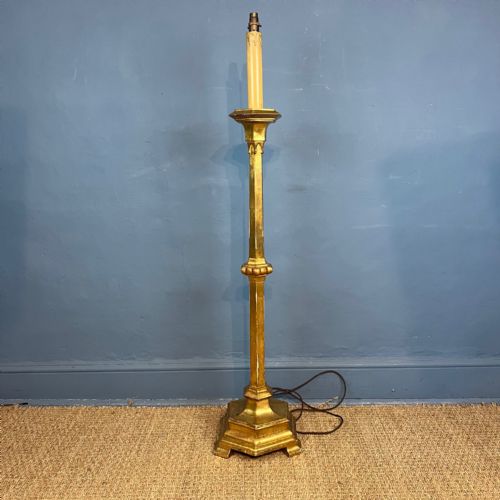
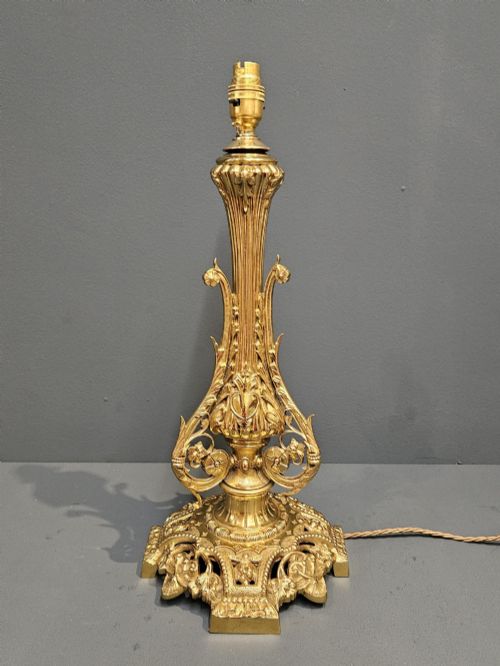
When you search for an edwardian gilt lamp, you encounter standing and table-height lighting fixtures that reflect the decorative tastes of the early twentieth century. These pieces often feature gilded surfaces, brass, or ormolu mounts paired with glass, fabric, or painted details.
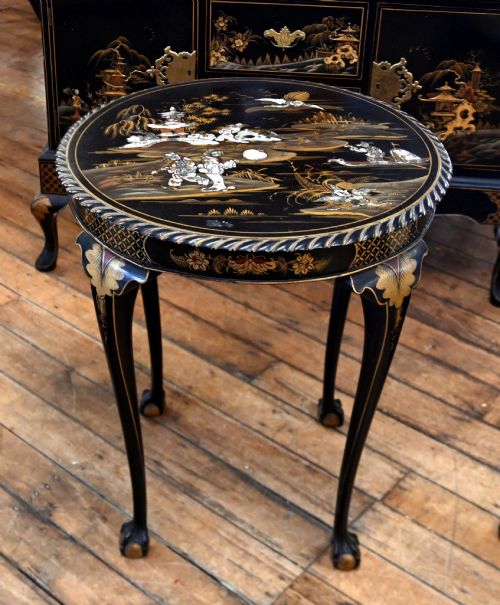
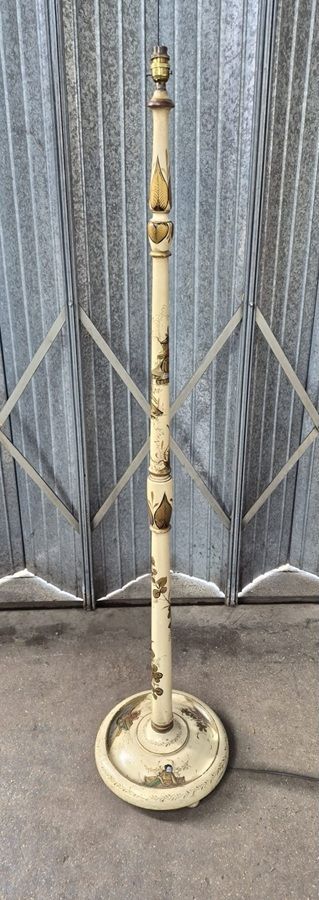
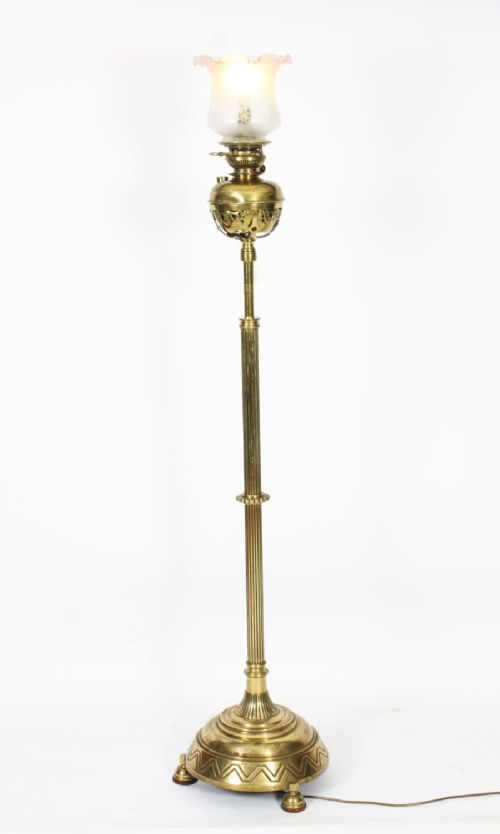
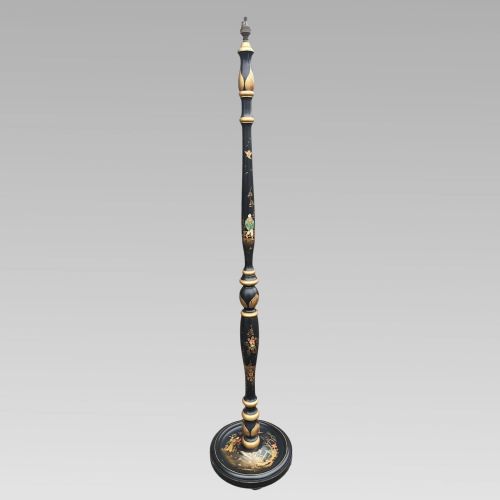
The versions most frequently met on this page span from the late nineteenth century through the 1920s, encompassing standard lamps, floor-standing oil lamps, and table lamps. Alongside Edwardian examples, related pieces show French Empire, Rococo Revival, and Chinoiserie influences.
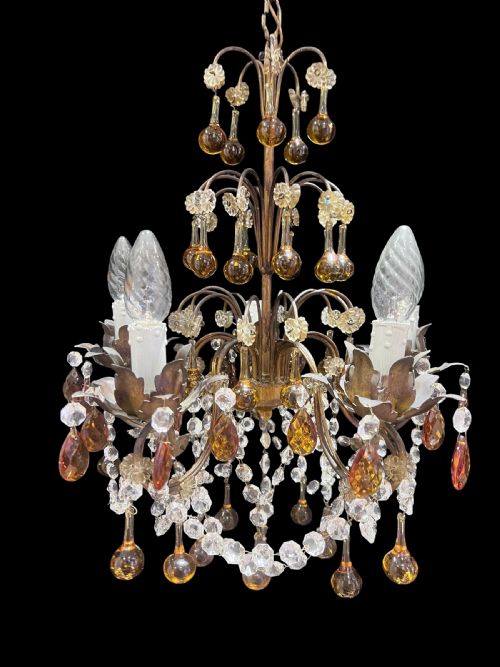
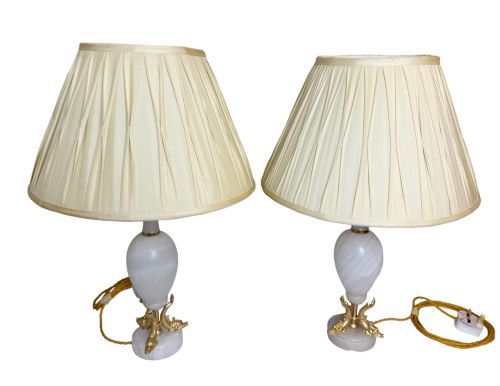
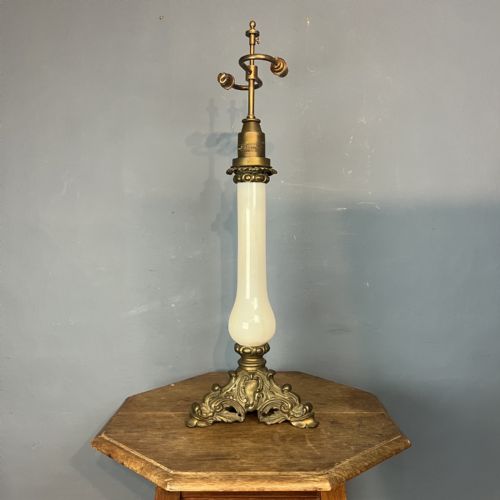
Many of these lamps integrate decorative elements such as onyx bases, crystal prisms, and column structures. They function as both ambient light sources and focal points in period or eclectic interiors.
Materials and Construction
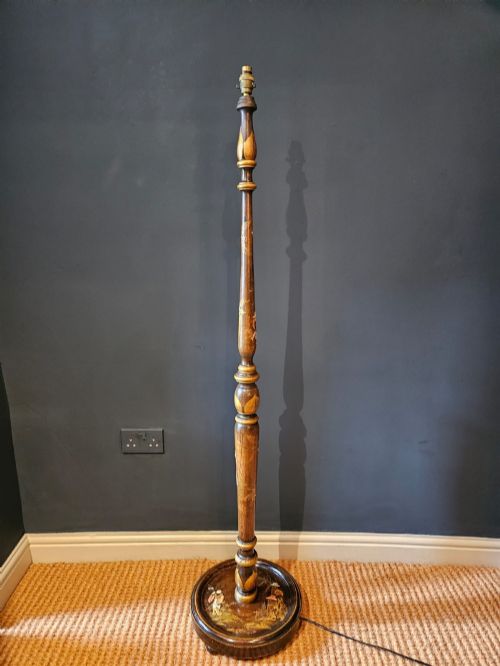
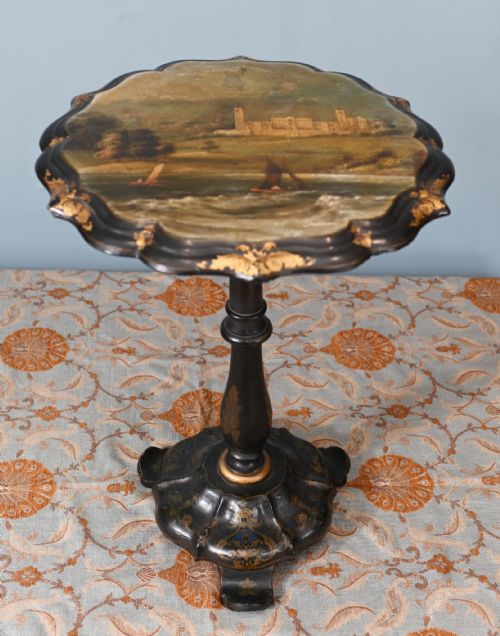
The construction relies heavily on metals such as brass, gilt bronze, ormolu, and gilt metal, often combined with carved wood, marble, or white onyx. Surface decoration frequently involves gold leaf, lacquer, or hand-painted motifs, particularly in pieces influenced by Chinoiserie styles.
Lighting components incorporate glass elements like opaline, crystal pendants, and coloured prisms. Stands and bases utilise sturdy timber frames, tripod supports, or heavy stone plinths to ensure stability for taller standard lamps.
Edwardian Gilt Lamp Retail Price Guide 2026
Typical asking prices for edwardian gilt lamp among the pieces listed under this phrase on Sellingantiques today, from the lower quarter to the upper quarter. They describe what is for sale here now, not the wider market.
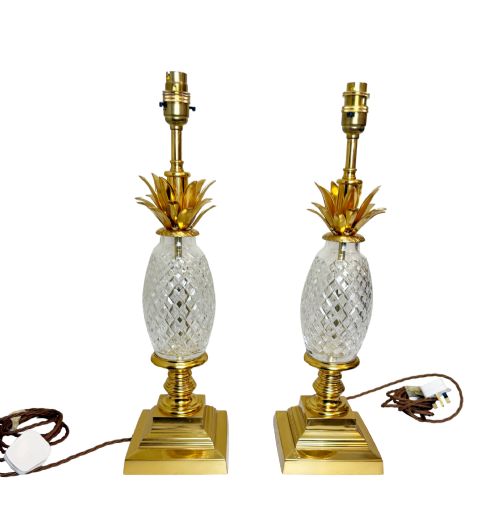
Among the brass and lacquer stands, a stray pineapple lamp brings a sudden, tropical flash of gilt bronze to the Edwardian drawing room.
Quality Variations
Quality rests on the crispness of the metal casting and the depth of the gilding, where finely chased ormolu and detailed bronze work distinguish superior examples from simpler brass pieces. The integrity of secondary materials, such as genuine white onyx bases or hand-applied lacquer, also separates standard production from finer craftsmanship.
Proportion and structural balance indicate the standard of design, as taller standard lamps require a stable base and harmonious column proportions. The survival of original decorative details, including crystal prisms, painted Chinoiserie scenes, and integrated gilt trim, determines the overall execution.
Mc Garys Patent
The Edwardian Gilt Lamp Glossary
- Ormolu
- Gilded bronze, where finely ground high-carat gold is applied to a bronze base using mercury. This technique creates a rich, durable metallic finish seen on many fine decorative lamps.
- Standard Lamp
- A floor-standing lighting fixture designed to provide ambient illumination at a higher level than a table lamp. These pieces typically feature a central wooden or metal column on a weighted base.
- Onyx
- A banded variety of chalcedony quartz frequently utilised for lamp bases and decorative columns. Its natural translucency and varied tone add weight and visual texture to the piece.
- Opaline Glass
- A pale, semi-translucent glass type developed in the nineteenth century for lighting shades and decorative vessels. It diffuses light softly while retaining a distinct opaque body.
Edwardian Gilt Lamp: Frequently Asked Questions
What is an edwardian gilt lamp made of?
These lamps incorporate metals like brass, gilt bronze, and ormolu, frequently paired with white onyx, marble, or glass elements. Lacquered wood and gold leaf also appear in designs influenced by Chinoiserie styles.
Surfaces often display hand-applied decoration, painted details, or crystal prisms, supported by weighted timber or metal bases designed to hold standard lighting fixtures securely.
How do you distinguish an edwardian lamp from Victorian pieces?
Edwardian lighting tends to favour lighter proportions, refined neoclassical details, and softer decorative schemes compared to the heavier, ornate casting often found in Victorian work. Chinoiserie motifs and slender column forms are particularly common in this later period.
Victorian examples frequently display denser ornamentation, heavier brass components, and more robust oil lamp reservoirs, whereas Edwardian pieces often reflect a transition toward sleeker decorative standards.
Where should you place a standard lamp in a room?
Standard lamps suit corners, reading areas, or spaces beside seating furniture where they provide directional or ambient height. Their vertical presence helps balance low-slung furniture and fills empty vertical volume.
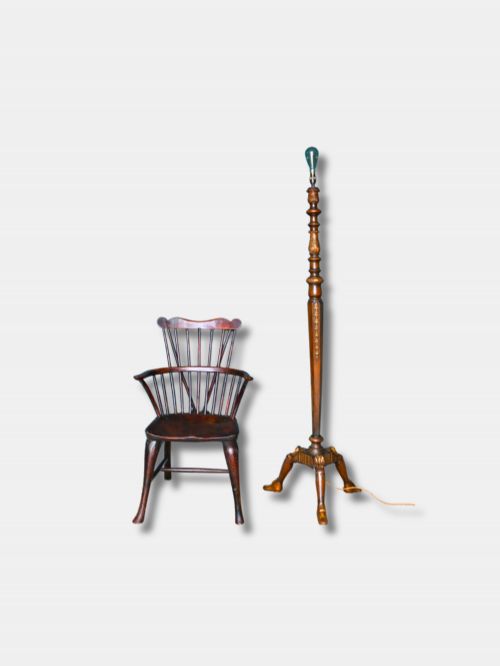
Placement should account for the reach of the cord and the visual weight of the base, whether a tripod wooden support or a heavy onyx column.
Can these antique lamps be used with modern bulbs?
Many antique lamps have been rewired or adapted for contemporary electrical standards while retaining their original metal and glass components. Professional inspection ensures the internal wiring meets safety requirements.
When living with these pieces, pairing them with low-wattage or warm LED bulbs preserves the soft quality of light intended for period lamps.