


Edwardian Gilt Framed Mirror
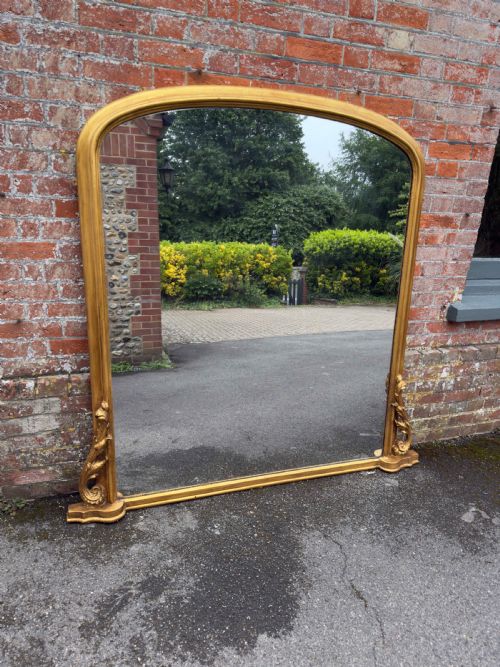
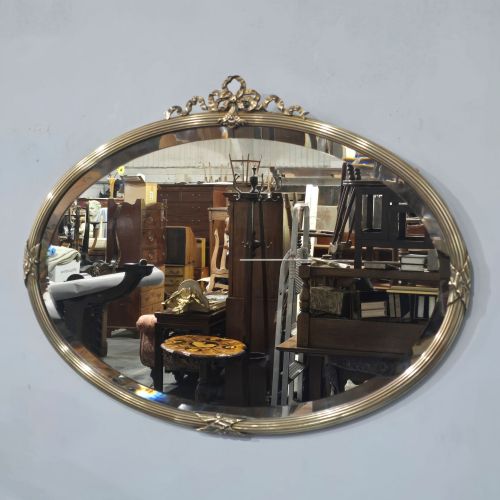
An edwardian gilt framed mirror brings warmth and light into a room through gilded surfaces and period proportion.
Edwardian Gilt Framed Mirror
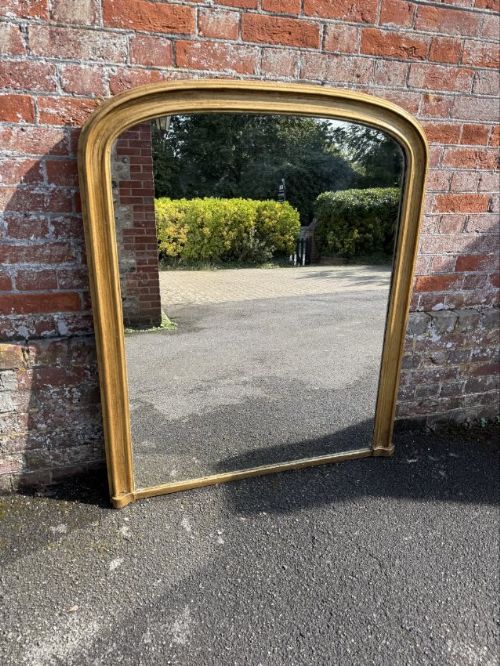
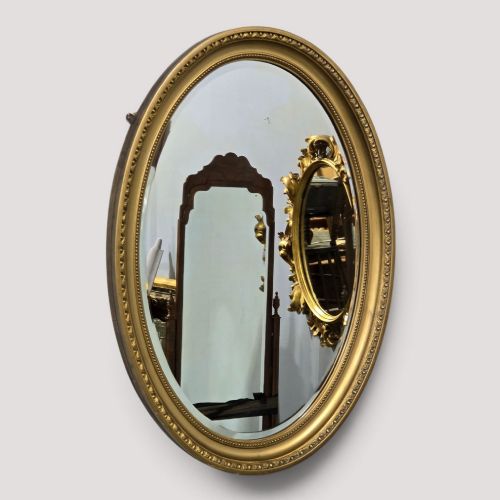
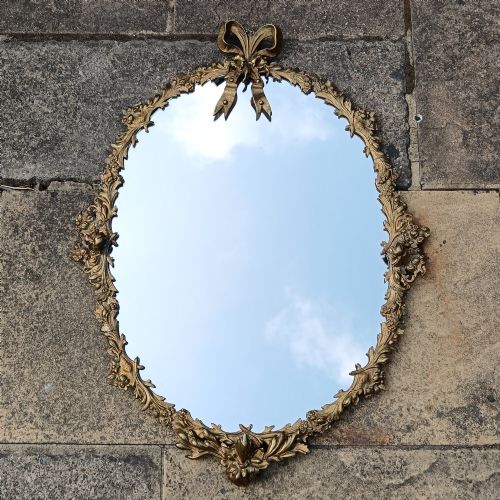
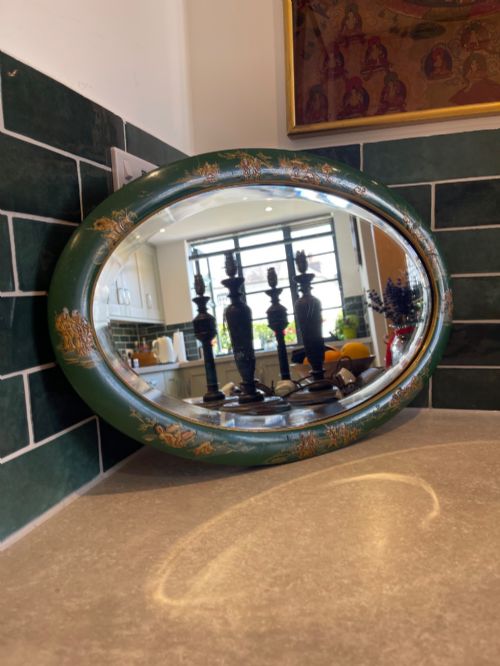
When searching for an edwardian gilt framed mirror, collectors encounter wall-hung, overmantel, and dressing mirror forms shaped by the aesthetic preferences of the early twentieth century. Pieces range from simple oval and round frames to large mahogany fretted wall designs and elaborate gilt-and-gesso compositions.
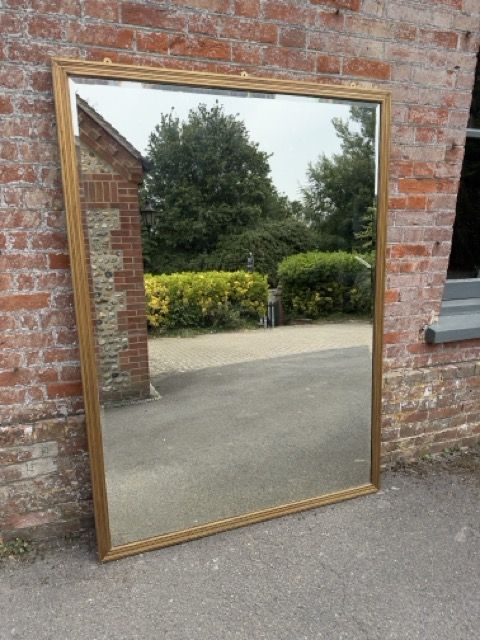
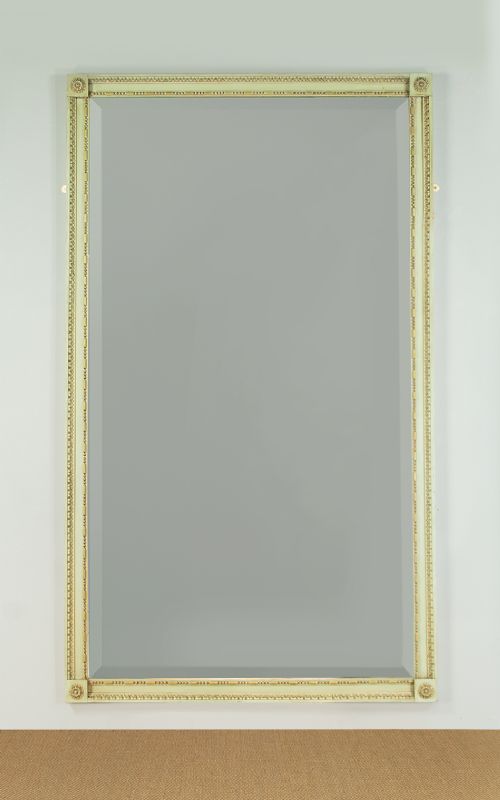
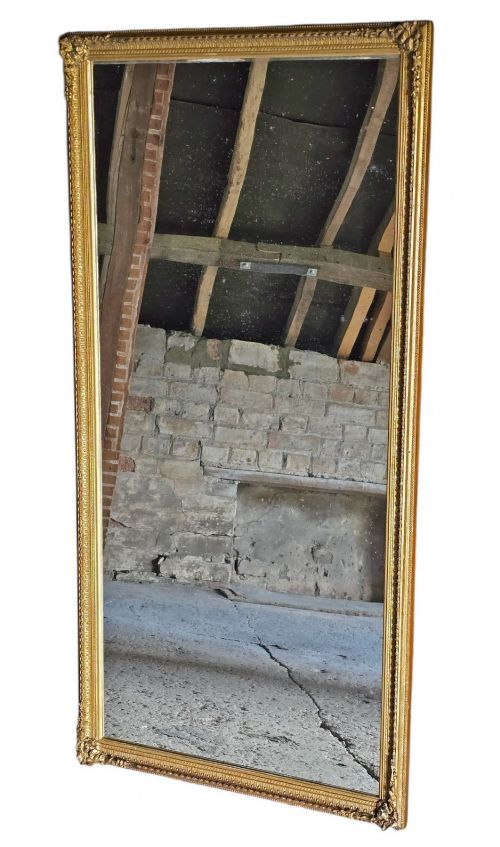
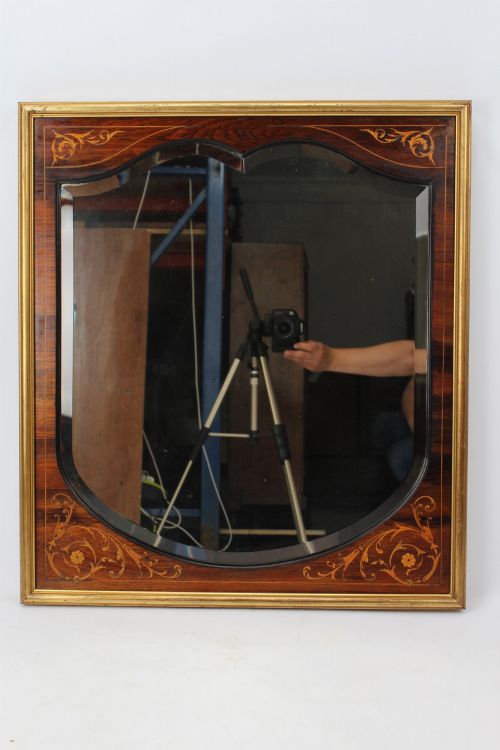
While many examples originate from the Edwardian era around nineteen hundred to nineteen ten, the selection also draws upon nineteenth-century Victorian antecedents and revival styles like Chinoiserie and Louis XVI. Buyers frequently discover round gilt mirrors, inlaid mahogany hanging plates, and full-length floor dressing mirrors.
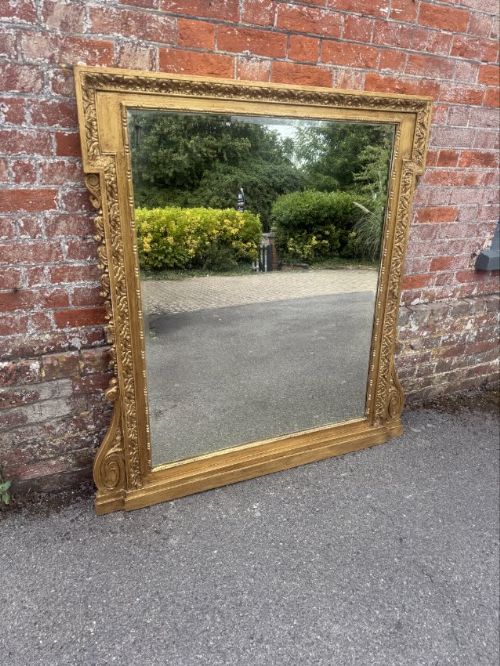
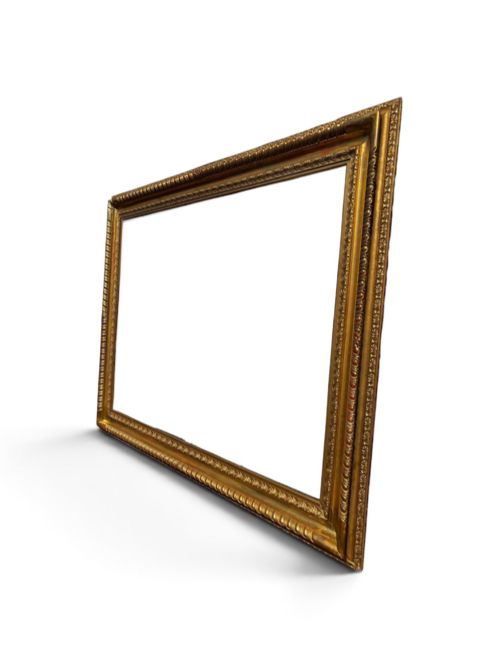
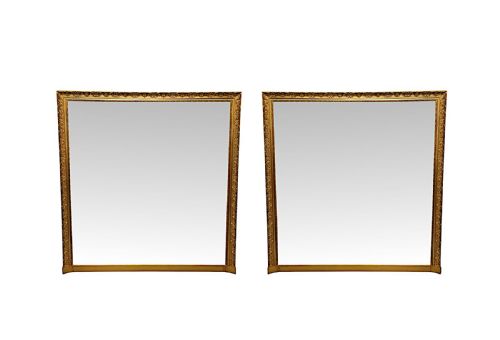
Overmantel mirrors dominate the larger scale options, often featuring carved wood and gesso ornamentation designed to anchor a principal reception room. Smaller wall mirrors bring decorative reflection into hallways and bedrooms with minimal visual weight.
How they were made
Makers constructed the structural carcasses primarily from timber such as mahogany, rosewood, or softer woods, building up decorative relief using gesso and composition mouldings. Artisans then applied gold leaf or gilt finishes directly onto the prepared surfaces to achieve a luminous metallic sheen.
Carved wood elements appear on more substantial frames, paired with specialised techniques like ebonising, parcel-gilding, or intricate fretwork inlay. Mirror glass plates, occasionally retaining early mercury properties, fit securely into rebated wooden frames backed by protective timber panels.
Some tall haberdashery shop mirrors from nineteen ten quietly traded fitting room secrets for over a century before reaching the market.
What varies in quality
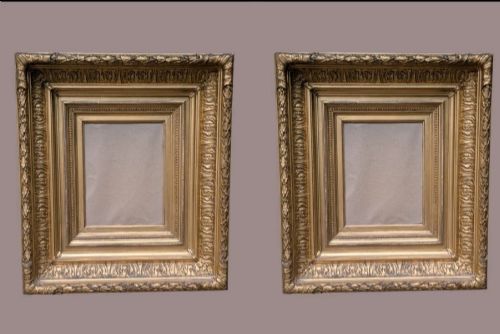
Quality rests in the crispness of the carved detail and the depth of the gesso mouldings applied over the wooden framework. Hand-carved wooden embellishments display sharper lines and more deliberate relief than mass-produced composition pressings.
The integrity of the gilding and the preservation of the original mirror plate further distinguish finer examples from standard production pieces. Mahogany frames with intact inlaid details and stable structural joinery command greater appreciation among discerning collectors.
The Edwardian Gilt Framed Mirror Glossary
- Gesso
- A plaster-like mixture applied to wooden frame bases to create a smooth surface for gilding or intricate moulding. Artisans could carve and shape this material before applying gold leaf.
- Giltwood
- Timber that has been gilded with gold leaf or metal leaf applied over a prepared ground. It provides a durable and rich metallic finish across antique frames.
- Overmantel Mirror
- A large horizontal mirror specifically designed to hang above a fireplace mantelpiece. These pieces often anchor the decorative scheme of a period room.
- Chinoiserie
- A decorative style reflecting European interpretations of Chinese artistic traditions. It frequently appears on mirror frames through lacquered finishes and themed ornamentation.
- Composition
- A moulded material made from whiting, resin, glue, and linseed oil pressed into decorative motifs. It allowed makers to produce ornate relief ornament efficiently.
Edwardian Gilt Framed Mirror: Frequently Asked Questions
Where should I hang an overmantel mirror?
These large mirrors traditionally sit directly above a fireplace mantelpiece to reflect light and anchor the vertical space of the chimney breast. They also function effectively on principal living room walls where their generous proportions command attention.
Ensure the wall construction and fixings can support the substantial weight of carved wood and gesso frames before mounting them securely at eye level.
How do I care for antique gilt frames?
Dust the gilded surfaces gently with a soft, dry brush to prevent the accumulation of dirt without disturbing the fragile metallic leaf. Avoid using commercial liquid cleaners, water, or chemical polishes which can strip the historic finish.
Keep mirrors away from direct sunlight and damp environments to protect both the wooden substrate and the silvered backing of the glass plate.
What defines Edwardian mirror design?
Edwardian mirrors often favour lighter proportions, refined oval shapes, and sophisticated inlays in mahogany or satinwood. They frequently incorporate revival styles like Louis XVI influence alongside clean, simple geometric lines.
This era balances ornate gesso framing with restrained elegance, making the pieces adaptable to both traditional and contemporary interiors.
Can I use a dressing mirror on a wall?
Many Edwardian dressing mirrors and floor-standing pieces feature construction suitable for wall mounting as well as traditional table placement. Full-length versions adapt easily to hallways and bedrooms depending on the hanging hardware utilised.
Check the reverse of the frame for original brackets or supporting struts before altering how the piece is displayed in your home.