


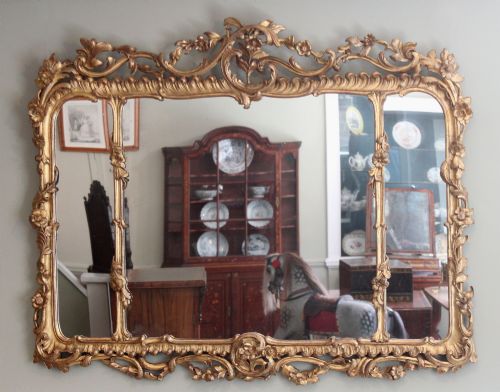
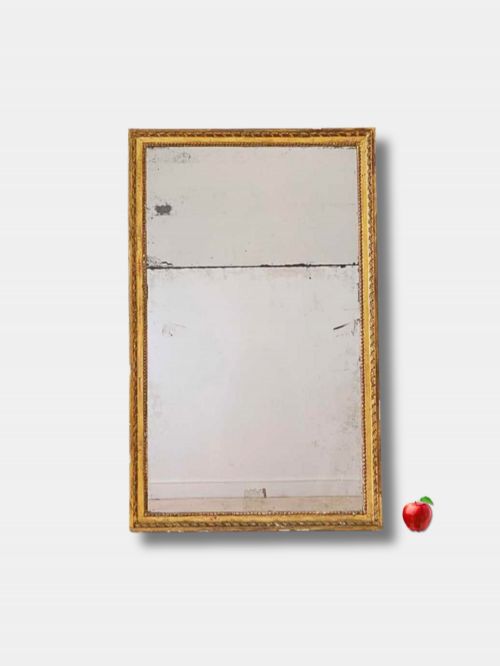
Antique Gilded Plate Mirror
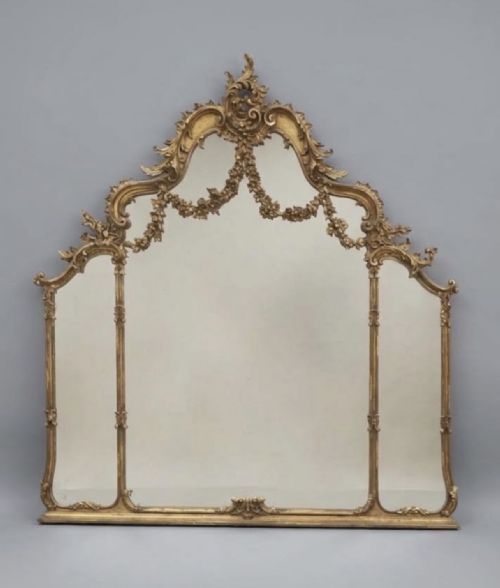
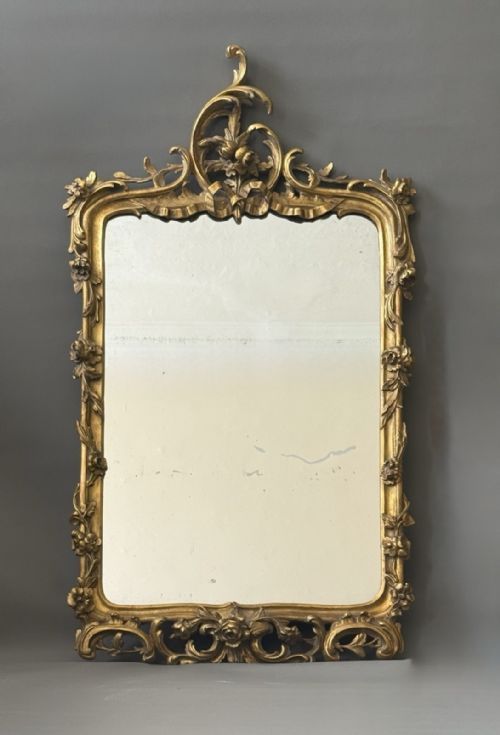
These antique gilded plate mirror pieces bring depth and light to a room, ranging from grand Regency overmantels to intricate Rococo wall designs.
Antique Gilded Plate Mirror
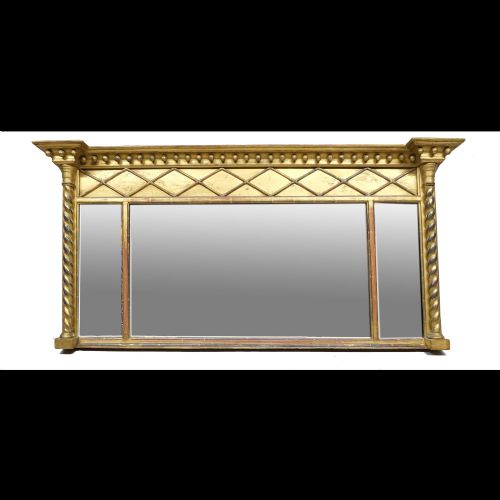
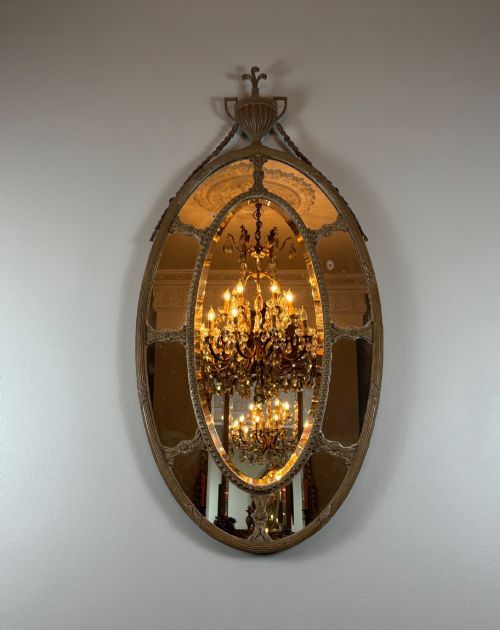
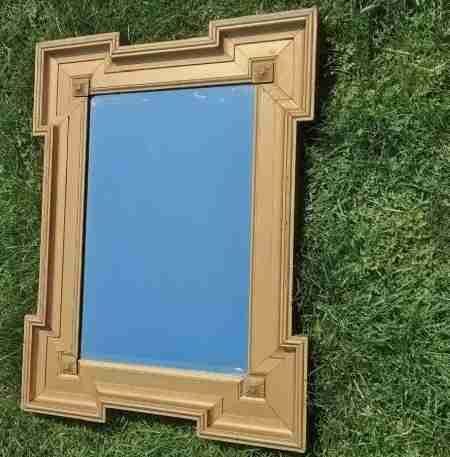
An antique gilded plate mirror serves both a practical and decorative purpose, historically positioned above mantelpieces or between windows to reflect natural light into dark rooms. When searching for an antique gilded plate mirror, buyers encounter a variety of forms including overmantels, pier mirrors, and wall mirrors.
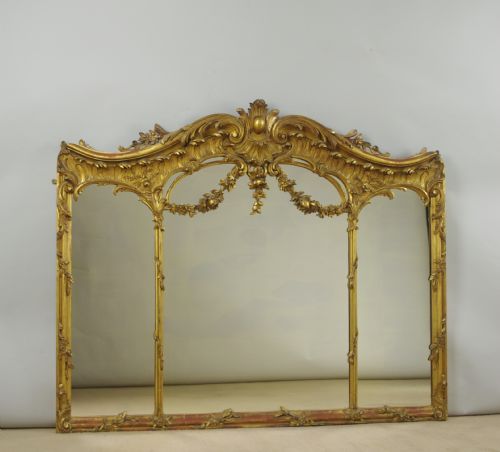
The pieces appearing on this page span several centuries, with a strong representation of nineteenth-century examples alongside eighteenth-century items. Regional variations emerge across English, French, and Italian workshops, showing distinct stylistic interpretations from Regency to Rococo Revival.
How they were made
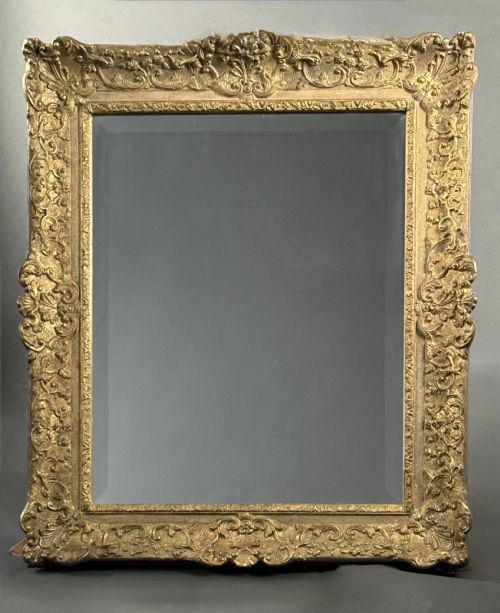
Craftsmen built the underlying structures from wood, applying layers of gesso to create smooth surfaces for carving or moulding ornamentation. Composition material was frequently pressed into moulds for repetitive decorative motifs such as swags, urns, and laurel wreaths.
Gilding was achieved using gold leaf or oil gilt applied over the prepared ground, providing the metallic lustre characteristic of these frames. Mirror plates were produced using older silvering techniques, sometimes resulting in characteristic foxing or mercury glass effects over time.
The listings span from the eighteenth century through the Victorian era, utilising giltwood, gesso, ebonised wood, and original mirror glass.
What varies in quality
The standard of the wood carving and the crispness of the moulded gesso ornamentation dictate the visual refinement of the frame. Pieces featuring hand-carved details and well-preserved original gilding display a superior depth that mass-produced composition work lacks.
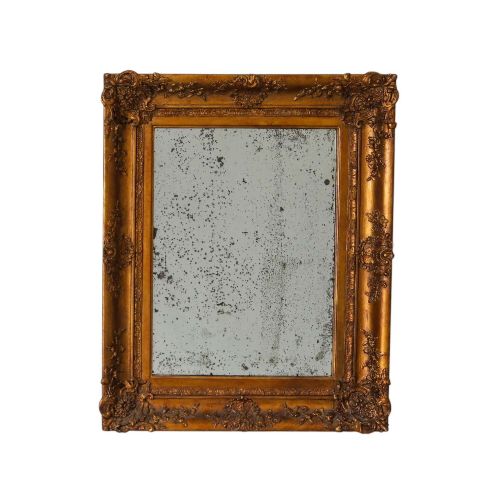
The condition and authenticity of the mirror plate itself heavily influence the character of the piece. Original mercury glass, bevelled edges, and plates bearing age-related foxing retain greater historical integrity than modern replacement glass.
Ciceri and Co
The Antique Gilded Plate Mirror Glossary
- Giltwood
- Wood carved and coated with gold leaf. This material forms the primary structure for many high-end frames.
- Gesso
- A plaster mixture applied to wood frames to create a smooth surface for carving and gilding. It allows for intricate decorative relief work.
- Overmantel mirror
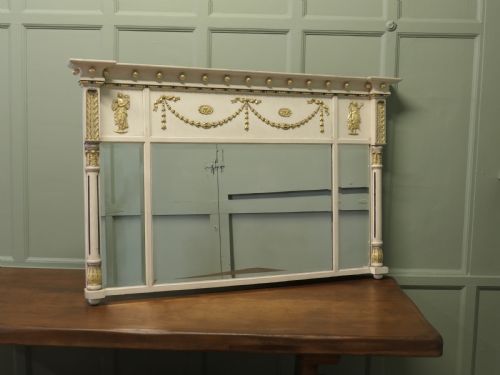
- A large mirror designed to hang specifically above a fireplace mantel. They often feature horizontal proportions and multiple glass plates.
- Pier mirror
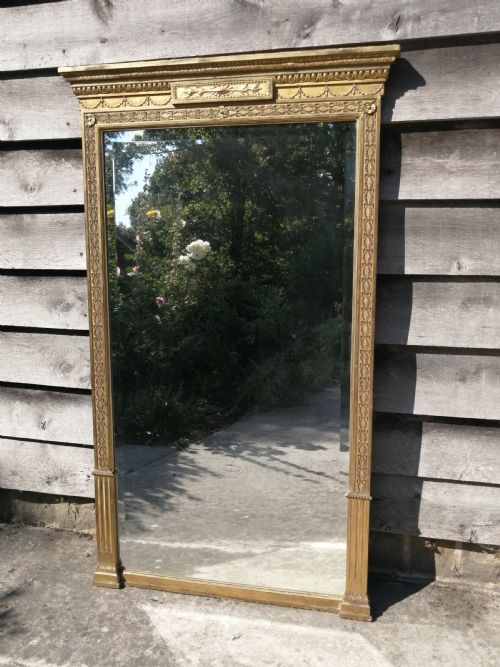
- A tall, narrow mirror designed to hang on the wall space between two windows. These pieces maximise light reflection in period interiors.
- Foxing
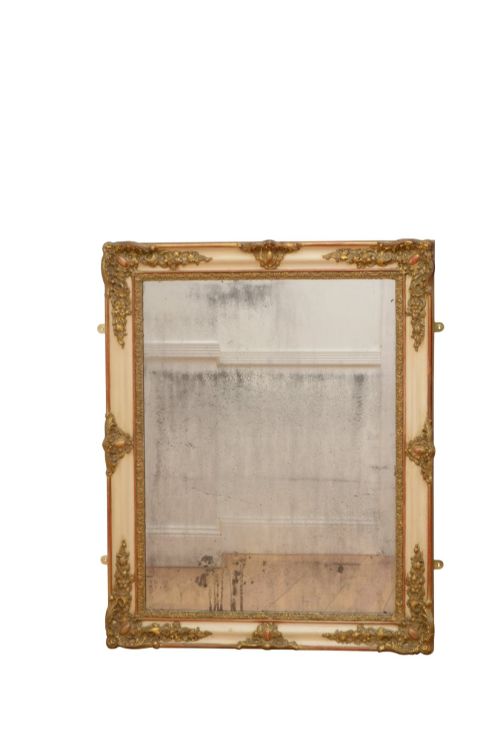
- Age-related spots and discolouration within the mirror plate. This chemical breakdown of the backing creates a mottled, antique appearance.
Antique Gilded Plate Mirror: Frequently Asked Questions
What is an overmantel mirror?
An overmantel mirror is a wide horizontal glass piece designed specifically to sit on the wall directly above a fireplace mantel. These items often incorporate multiple internal plates to fill large chimney breast spaces.
Historically, they anchored the decorative scheme of a formal reception room, reflecting light from chandeliers and windows across the interior.
How do I identify a Regency mirror?
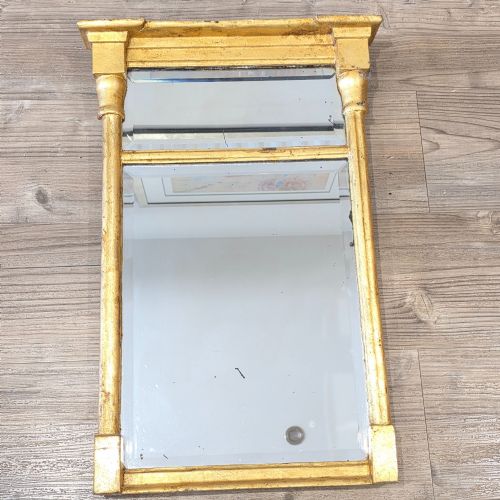
Regency mirrors frequently display classical motifs such as laurel wreaths, ball-accented cornices, and architectural framing. They date from the early nineteenth century and lean towards structured elegance.
Look for refined giltwood surfaces and proportions that balance classical restraint with decorative presence.
What is foxed mirror glass?
Foxed glass refers to the speckled, dark spots that develop behind the reflective surface over long periods. This occurs as the original silvering or mercury backing degrades from exposure to air and moisture.
Collectors often prize foxed plates because they confirm the age and authenticity of the mirror.
Where should I hang a pier mirror?
Pier mirrors suit narrow wall spaces, specifically the physical pillar of wall situated between two adjacent windows. Their tall vertical format helps bounce exterior light deep into the room.
They also work effectively in hallways or above small console tables where wider frames would overwhelm the space.