





Vintage Oval Looking Glass
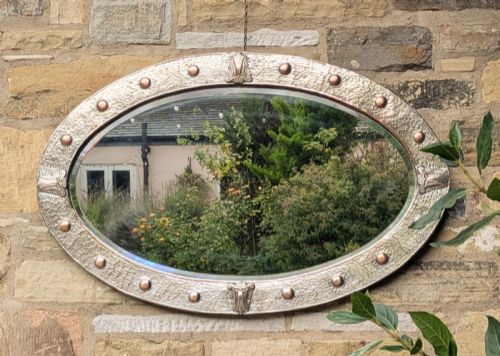
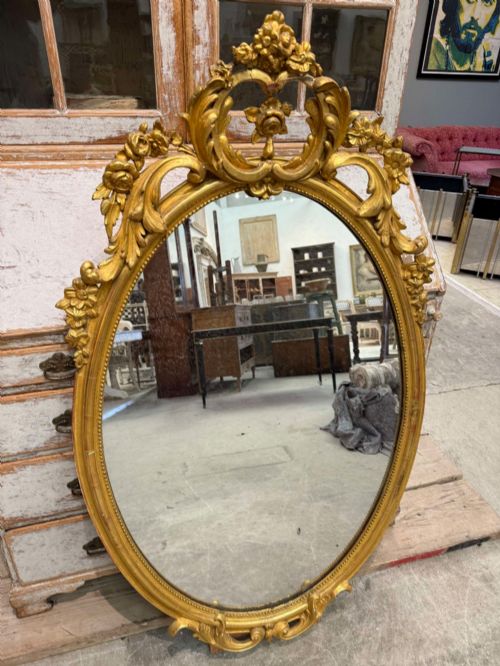
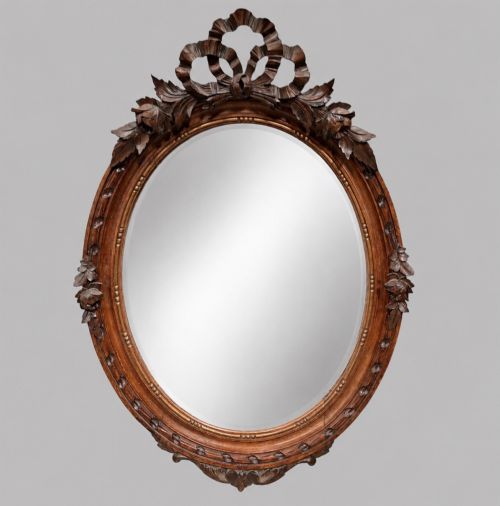
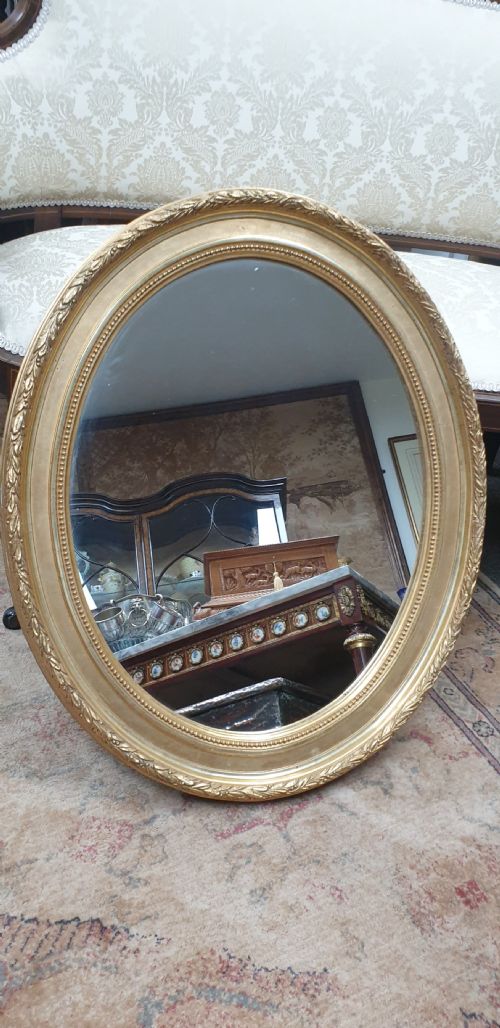
A vintage oval looking glass brings warmth and reflected light to a room, offering the curved lines of Victorian, Edwardian and Georgian designs.
Vintage Oval Looking Glass
A vintage oval looking glass is a wall mirror framed in wood, gesso or gilt, shaped to soften the corners of a room. These pieces span periods from the seventeenth century through the Victorian and Edwardian eras, reflecting the shifting tastes of cabinet makers over three hundred years.
The versions most commonly met on this page are Victorian and Edwardian wall mirrors, often finished in gilt or carved oak. They range from large focal points to smaller hanging pieces, showing styles from simple rope twists to elaborate Louis XVI and Regency revivals.
How they were made
Frames are constructed from timber such as oak, walnut and mahogany, carved directly or built up with gesso to create relief decoration. Gilding was applied using thin gold leaf over a prepared base, giving surfaces a rich metallic sheen.
Mirror glass of earlier periods was silvered differently from modern float glass, resulting in slight imperfections and depth. Joinery methods relied on traditional mortise and tenon joints or securely pinned frame corners.
Vintage Oval Looking Glass Retail Price Guide 2026
Typical asking prices for vintage oval looking glass among the pieces listed under this phrase on Sellingantiques today, from the lower quarter to the upper quarter. They describe what is for sale here now, not the wider market.
Listings feature items spanning the seventeenth century through to the Edwardian period, constructed from oak, walnut, giltwood and gesso.
What varies in quality
Quality rests in the crispness of the carving and the depth of the gilding, where hand-tooled gesso ornament separates better workshops from standard production. Sharper detail in acanthus leaves or rope twists shows the hand of a skilled artisan rather than a hurried mould.
The preservation of the original mirror plate adds distinction, especially when silvering shows gentle age rather than dull grey oxidation. Frames that retain their original backing boards and structural integrity hold their character more fully.
The Vintage Oval Looking Glass Glossary
- Giltwood
- Wood carved and covered with thin leaf gold. This finish catches the light differently across centuries.
- Gesso
- A plaster mixture applied to wood frames and carved before gilding. It allows for intricate relief ornamentation.
- Looking glass
- The historical term for a mirror. These items reflect interior spaces and amplify natural light.
- Girandole
- A wall mirror featuring attached candle branches. These reflect the flame to brighten darker rooms.
- Rope twist
- A carved wooden or gesso pattern resembling twisted rope. It frames the glass with linear texture.
Vintage Oval Looking Glass: Frequently Asked Questions
How do I hang a heavy antique mirror?
Heavy wall mirrors require secure fixings into wall studs or appropriate masonry anchors to support the substantial weight of wood and glass safely.
Ensure the hanging wire or integrated brackets on the back of the frame are robust enough to bear the load before mounting.
How do I clean an antique looking glass?
Dust the frame gently with a soft dry brush to protect delicate gesso and gilding from moisture and abrasion.
Use a minimal amount of water or a mild glass cleaner on a cloth for the mirror plate, avoiding contact with the wooden or gilded edges.
Are these mirror plates original?
Many older looking glasses retain their original glass, which can exhibit subtle foxing, tiny dark spots and gentle distortion.
Replacement glass does occur over centuries of use, so look for consistent signs of age between the frame and the plate.
How do I date an oval looking glass?
Dating relies on the style of the carving, the wood type used in the backing, and construction techniques such as hand-cut screws or nails.
Victorian and Edwardian pieces often display machine-sawn backing boards or specific revival motifs that identify their era.