

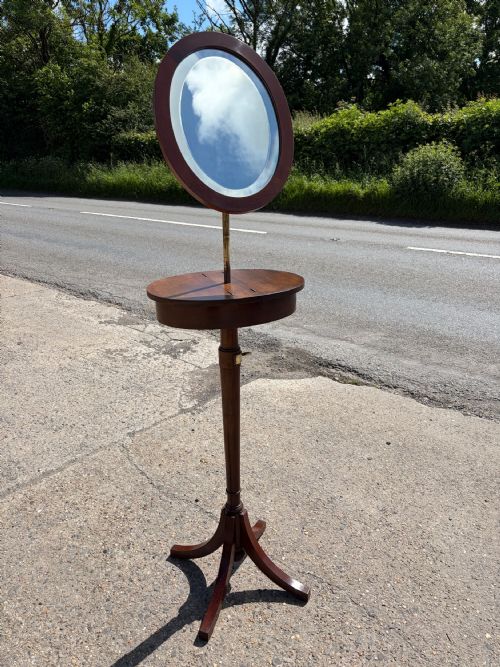


Edwardian Gentleman Stand
An edwardian gentleman stand brings practical function and period presence to a hallway or bedroom.
Edwardian Gentleman Stand
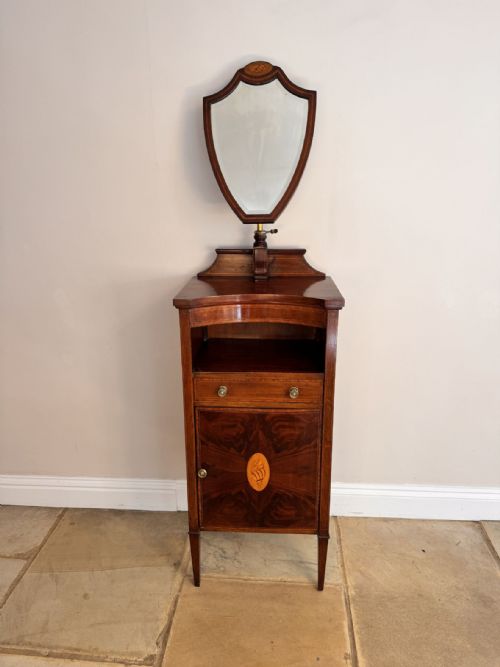
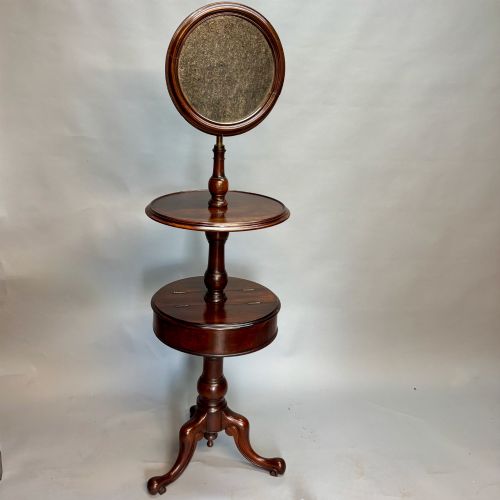
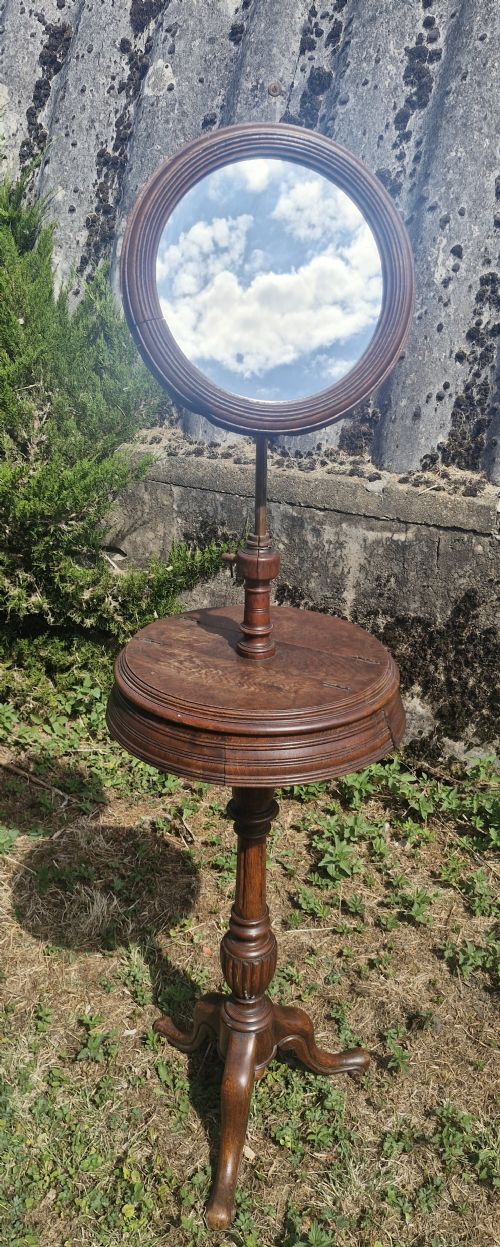
When you search for an edwardian gentleman stand, you encounter pieces designed for personal grooming, clothing storage and hallway organisation. The examples appearing on this page span the Victorian and Edwardian periods, stretching from the late nineteenth century into the early twentieth century. Most commonly, these items take the form of shaving stands, mirrors, valet stands and stick stands.
The shaving stands and mirrors dominate the selection, often featuring adjustable heights, tilting glass, and dedicated trays or compartments. Valet stands also appear frequently, offering places to hang jackets and trousers at the end of the day. Alongside these, occasional variants include umbrella stands, revolving bookcases, and side cabinets with integrated pipe racks.
The origins of these pieces are rooted in late Victorian and Edwardian domestic life, where specialised furniture served specific daily routines. Oak, mahogany, and beech are the primary woods utilised across these categories, sometimes accompanied by brass fittings or mirror glass. Whether placed in a dressing room or an entrance hall, each form reflects the tailored needs of the era.
How They Were Made
Metal components play a crucial functional role, with brass brackets, hinges, and adjustable screws enabling the movement of tilting mirrors and telescopic columns. Glass is another central material, seen in the adjustable mirror plates and occasional bevelled surfaces. Painted metal and mirror glass also appear in specific washstand and mirror configurations.
Joinery techniques of the period relied on traditional methods to ensure stability, particularly for items subject to regular physical interaction like shaving stands and revolving bookcases. Inlaid details surface on select Edwardian mahogany pieces, adding decorative contrast to the timber surfaces without compromising structural integrity.
Edwardian Gentleman Stand Retail Price Guide 2026
Typical asking prices for edwardian gentleman stand among the pieces listed under this phrase on Sellingantiques today, from the lower quarter to the upper quarter. They describe what is for sale here now, not the wider market.
One exceptional Edwardian valet includes a dedicated pipe rack for the evening routine.
What Varies in Quality
The distinction between standard examples and finer pieces often rests on the selection of timber and the sophistication of the joinery. Superior items employ dense, well-figured mahogany or quarter-sawn oak, displaying careful attention to grain matching across prominent surfaces. Lesser pieces rely on plainer woods or simpler construction methods intended for utility rather than display.
Mechanical complexity and hardware quality also separate the categories. Stands with smooth telescopic height adjustment, original brass fittings, and well-balanced tripod bases demonstrate higher manufacturing ambition. Pieces with stiff or replacement mechanisms lack the refined operation characteristic of the better workshops.
Maker attribution further differentiates the range, as demonstrated by pieces bearing the stamp or label of established firms like James Shoolbred. The presence of documented maker details or finer decorative elements such as subtle inlay elevates an object beyond a standard utilitarian furnishing.
James Shoolbred
The Edwardian Gentleman Stand Glossary
- Shaving stand
- A specialised piece of furniture designed for morning grooming, typically incorporating an adjustable mirror, small drawers, and compartments for razors and soap. These items are central to the selection of gentleman's stands.
- Telescopic
- A descriptive term for a column or shaft that extends in height via an internal sliding mechanism and a tightening screw. This feature allows users to adjust shaving mirrors to various levels.
- Tripod base
- A three-legged support structure commonly found beneath Victorian shaving mirrors and stands. It provides stable footing on uneven floorboards.
- Revolving bookcase
- A low, rotating wooden unit designed to hold a selection of volumes for easy access from an armchair. It represents one of the secondary forms found alongside standard gentleman's furniture.
Edwardian Gentleman Stand: Frequently Asked Questions
What is an edwardian gentleman stand?
An edwardian gentleman stand is a piece of antique furniture designed for personal grooming, clothing organisation, or hallway use. The category includes shaving stands, valet racks, and umbrella holders.
These items reflect the domestic habits of the early twentieth century, offering dedicated solutions for daily routines in bedrooms and dressing rooms.
How do I use a shaving stand today?
A vintage shaving stand functions well as a distinctive accent piece in a modern bathroom, bedroom, or dressing area. The shelves and compartments hold toiletries or small decorative objects.
Adjustable mirrors and integrated trays provide practical utility while introducing period character into contemporary interior schemes.
What wood types should I expect?
The primary timbers found in these pieces are mahogany, oak, and beech. Mahogany and oak were favoured for more prominent display stands, while beech often served in functional bedroom valet furniture.
Secondary materials include brass for adjustable fittings and glass for the tilting mirrors.
How do I distinguish Victorian from Edwardian stands?
Victorian pieces often feature heavier timber proportions, darker finishes, and detailed turning on tripod bases. They emphasise solid presence and traditional cabinetmaking.
Edwardian examples tend to exhibit lighter construction, sometimes incorporating softer woods like beech, simpler lines, or subtle inlaid decoration.