




Edwardian Gemstone Earrings
Edwardian gemstone earrings are delicate period jewels set with coloured stones, prized for their fine goldwork and elegant drop silhouettes.
Edwardian Gemstone Earrings
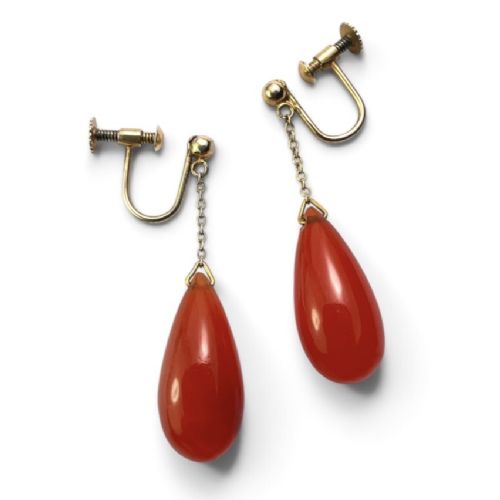
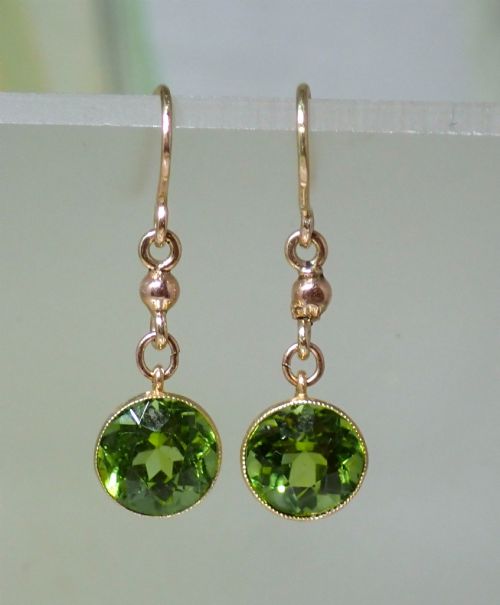
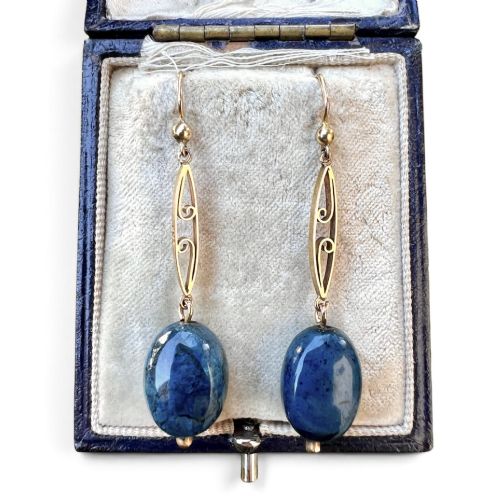
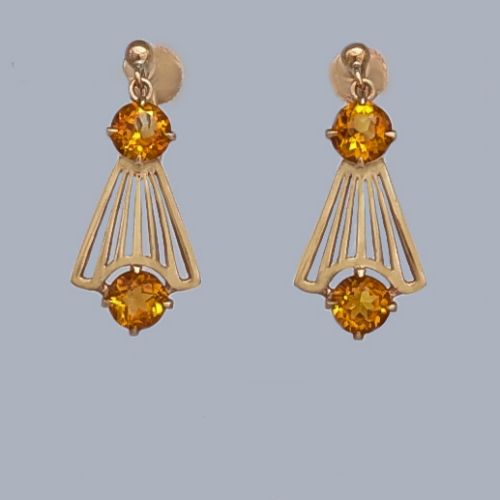
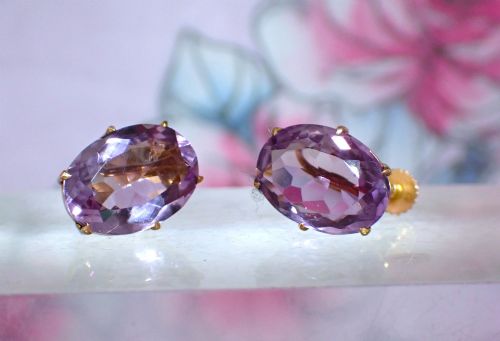
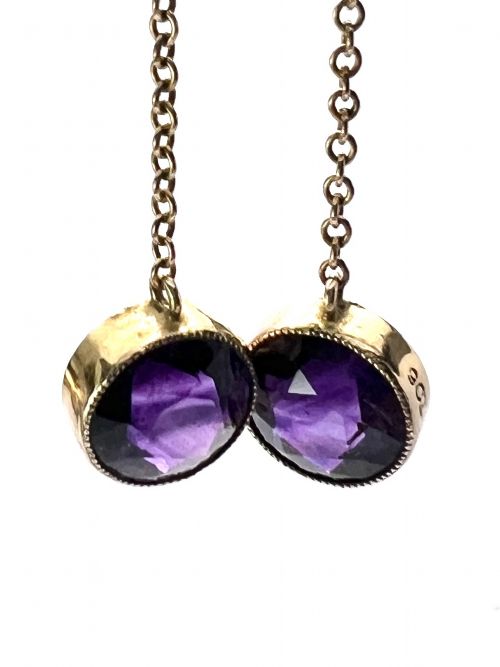
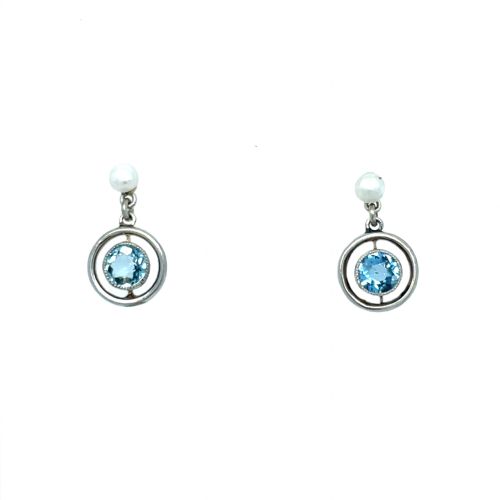
Edwardian gemstone earrings encompass delicate drop, dangle, and screwback designs originating primarily from the early twentieth century. You will frequently encounter pairs fashioned from nine-carat or eighteen-carat gold, featuring stones such as amethyst, peridot, aquamarine, and garnet.
The selection also spans adjacent periods, including late Victorian examples alongside Art Deco pieces from the nineteen-twenties and thirties. Drop earrings and cluster studs dominate the forms, often utilising chain links or teardrop motifs to create movement.
How they were made
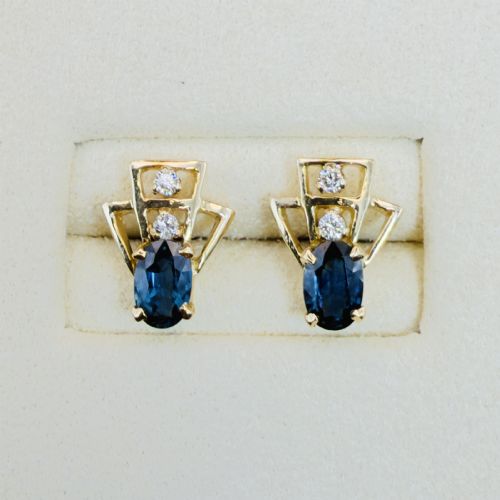
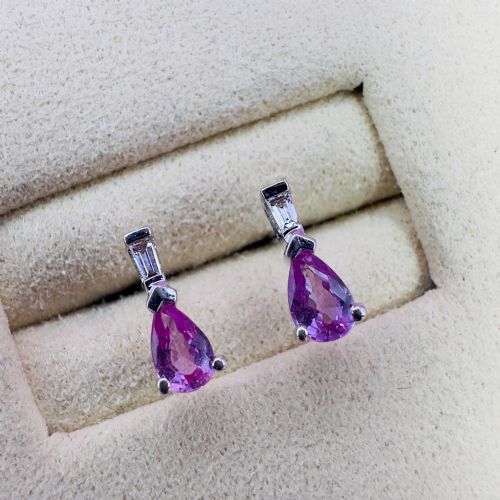
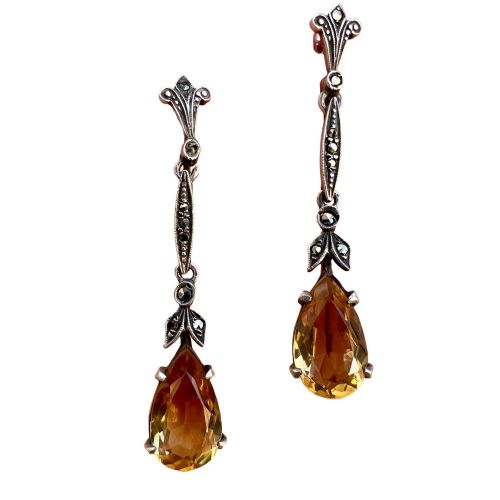
Goldsmiths constructed these pieces predominantly in nine-carat and eighteen-carat yellow gold, alongside eighteen-carat white gold, silver, and platinum settings. Stones were shaped into oval, pear, and teardrop cuts, then secured using traditional claw and bezel techniques.
Many examples incorporate secondary gems like seed pearls, marcasite, or small diamonds to frame the central coloured stone. Findings such as screwback mechanisms and wire hooks reflect the specific fastening methods of the era.
Screwbacks ensure that even people without pierced ears can accidentally pinch themselves while trying to wear antique history.
What varies in quality
Quality rests upon the saturation and clarity of the central gemstone, alongside the finesse of the surrounding metalwork. Superior pieces display well-matched stones with vibrant colour and secure, precise settings that show minimal wear.
The complexity of the drop construction and the integrity of original fixings further distinguish finer examples. Maker attention to detail in balancing weight and movement separates standard production from exceptional work.
The Edwardian Gemstone Earrings Glossary
- Drop earrings
- Earrings that suspend below the earlobe, often utilising a wire or chain link. This form allows the gemstone to sway with movement.
- Screwback
- A mechanical earring fastening that uses a threaded screw to adjust pressure on the lobe. This design was standard for non-pierced ears during the period.
- Cluster earrings
- A central gemstone surrounded by a border of smaller stones, typically diamonds or pearls. This arrangement maximises visual impact and light reflection.
- Chalcedony
- A cryptocrystalline form of silica used in antique jewellery for its smooth, translucent appearance. It appears in various muted tones within period designs.
Edwardian Gemstone Earrings: Frequently Asked Questions
How do I care for antique gemstone earrings?
Clean these delicate pieces gently with a soft cloth and warm soapy water, avoiding harsh chemical dips that might harm softer stones like pearls or opals.
Store them individually in lined boxes to prevent scratches on the gold and softer gemstones.
Were all these earrings made for pierced ears?
Many surviving examples utilise screwback or clip-on mechanisms designed for non-pierced lobes, reflecting the prevailing fashion of the early twentieth century.
Conversion from screwbacks to modern posts is sometimes undertaken, though original findings remain preferred by collectors.
How do I distinguish Edwardian from Art Deco pieces?
Edwardian designs typically favour yellow gold, flowing floral motifs, and softer pastel gems like peridot and aquamarine in delicate drop settings.
Art Deco pieces introduce white gold and platinum, geometric lines, and sharper contrasts with sapphires, emeralds, or diamonds.
What metals are most common in these earrings?
Nine-carat and eighteen-carat yellow gold appear most frequently across the period inventory, providing a warm contrast to the colourful gems.
Later pieces from the nineteen-twenties incorporate white gold and platinum to support brighter, crisper gemstone arrangements.