

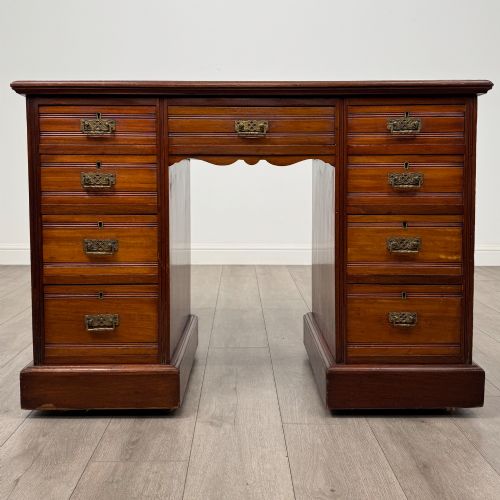
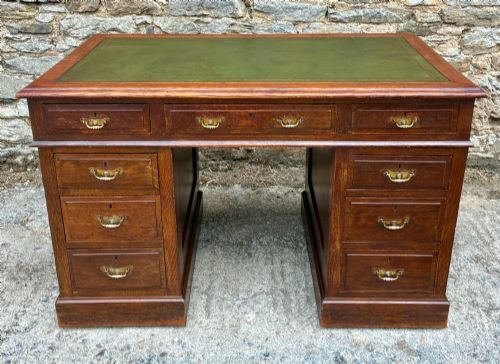
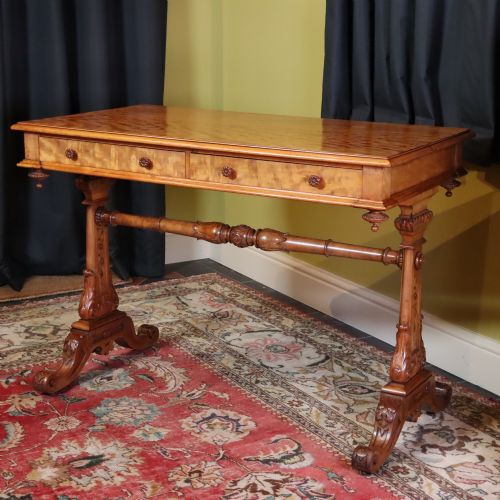
Edwardian Furniture Writing Table
These pieces of edwardian furniture writing table offer practical workspace paired with refined period timber work.
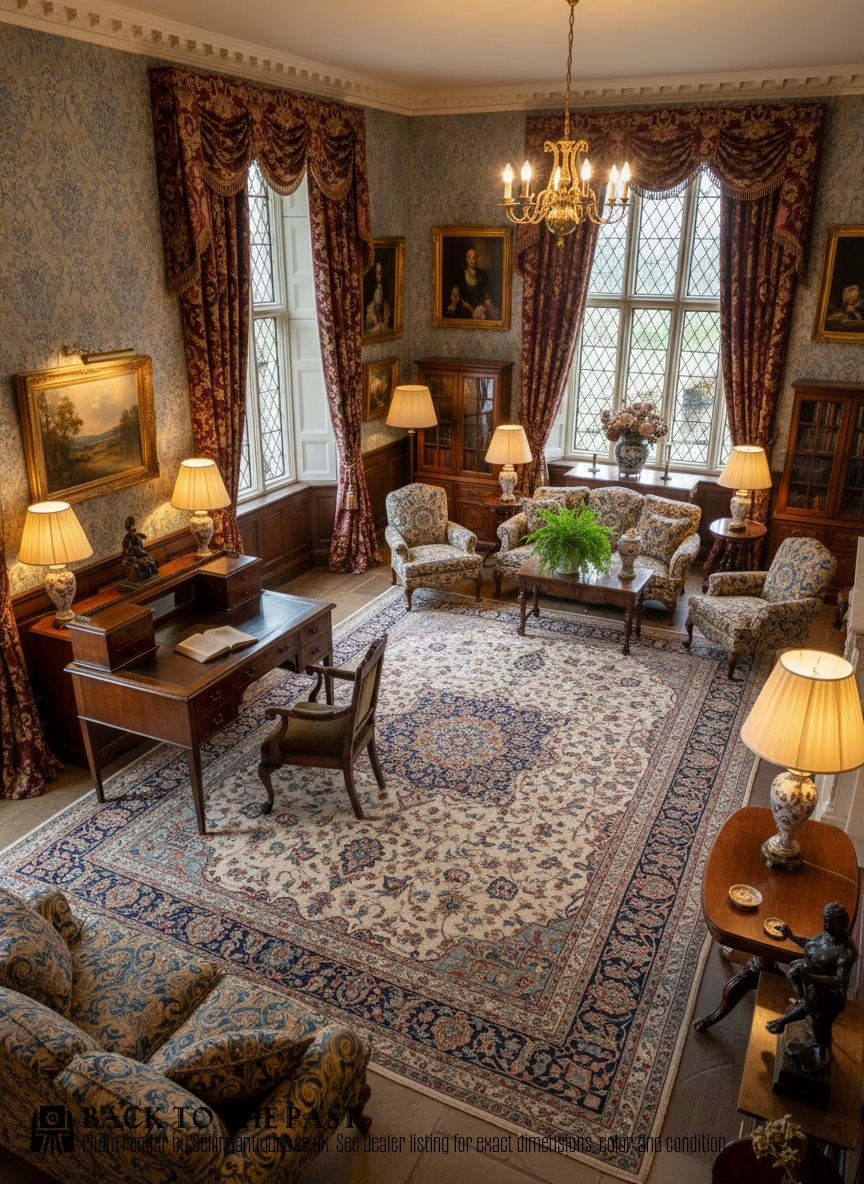
Edwardian Furniture Writing Table
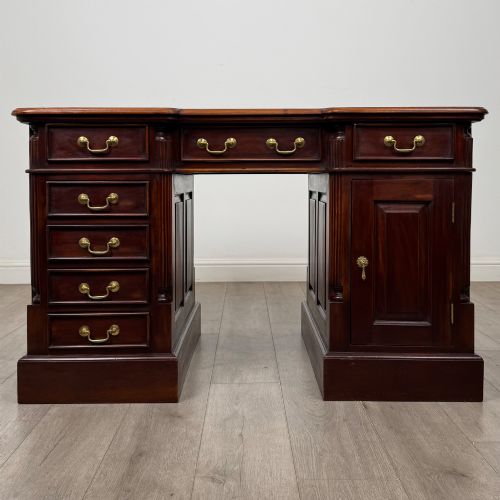
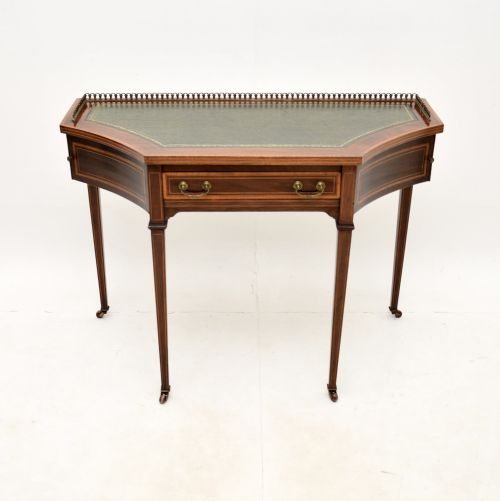
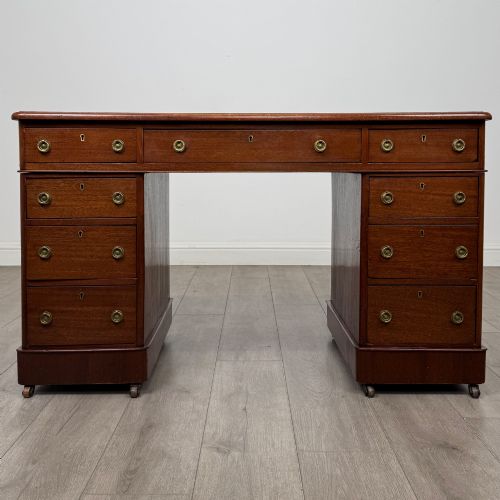
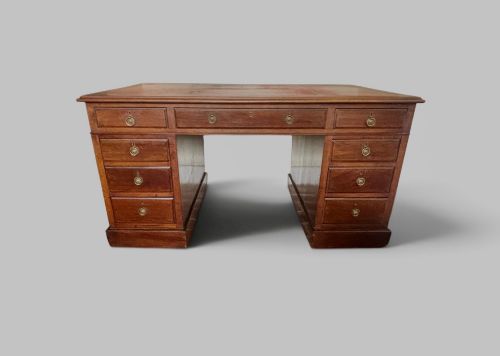
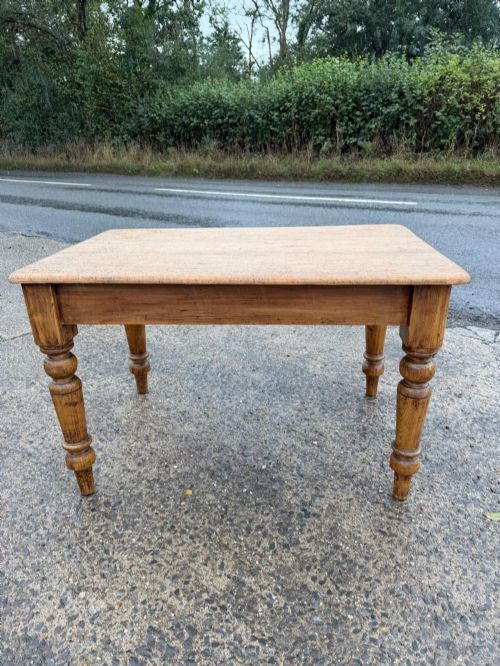
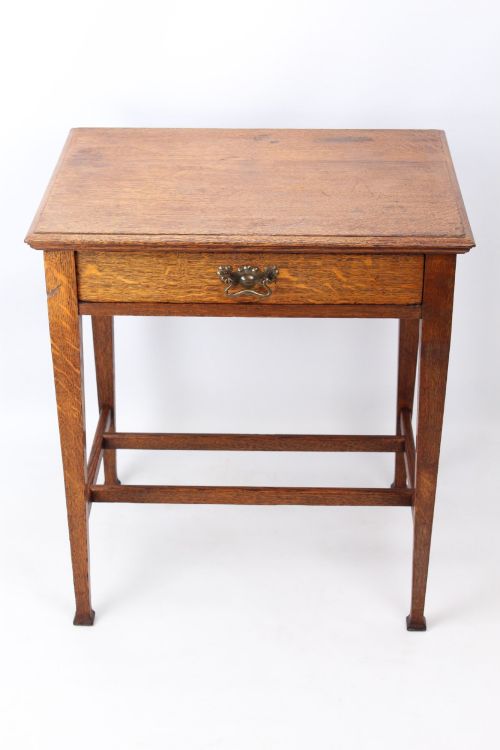
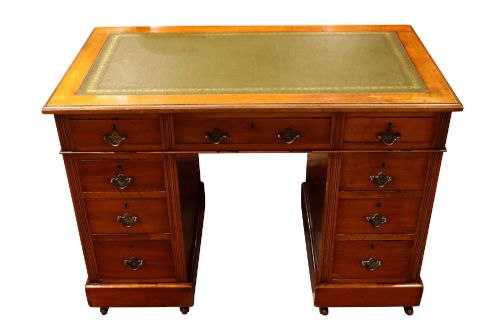
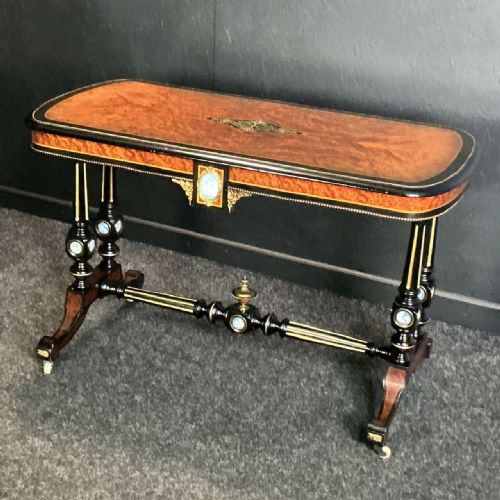
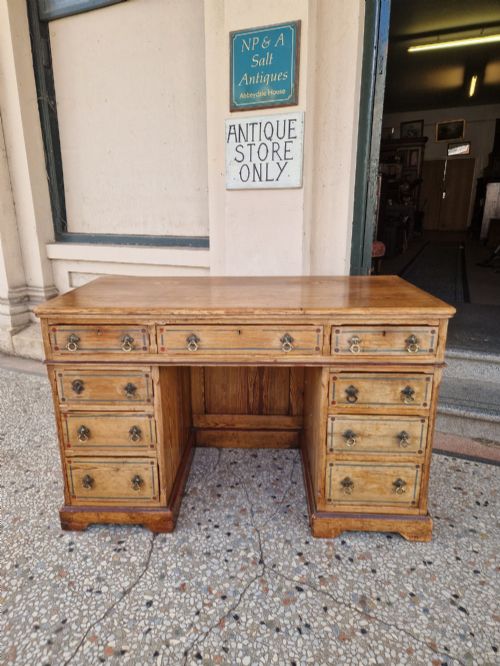
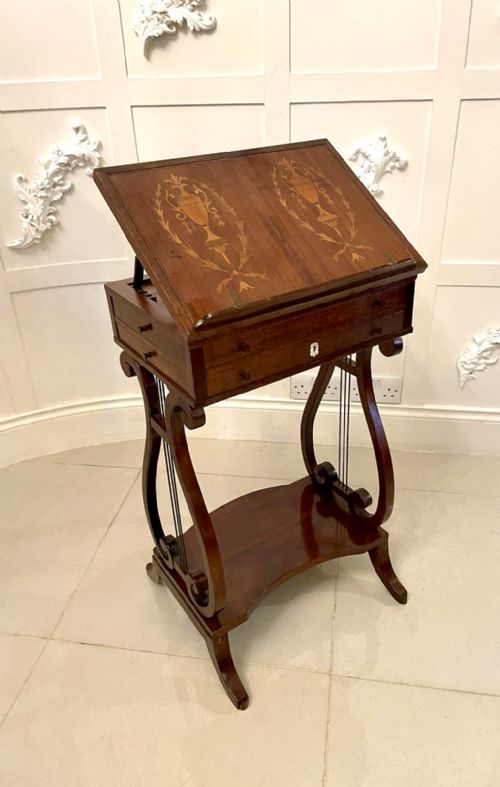
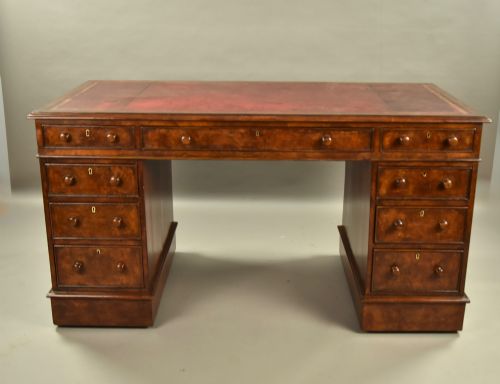
An edwardian furniture writing table combines the compact proportions typical of the early twentieth century with traditional workspace requirements. These pieces appear most frequently in mahogany, often fitted with inset leather surfaces and multiple small drawers.
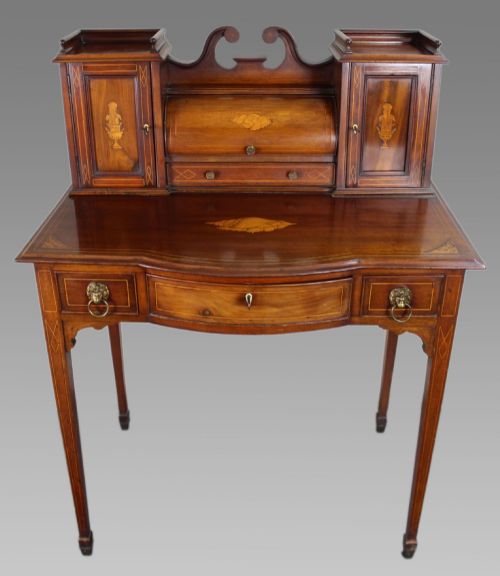
Makers of the period produced various formats, ranging from simple freestanding tables to substantial pedestal desks and elaborate Carlton House designs. Buyers encounter both plain utility models and richly decorated pieces featuring contrasting wood inlays.
While the core of the selection dates from the Edwardian era and the surrounding decades, examples also span late Victorian and early twentieth-century periods. This variety provides options suited to different room sizes and interior schemes.
How they were made
Cabinet makers relied primarily on solid mahogany, walnut, and oak as structural timbers, frequently applying finer veneers such as satinwood to drawer fronts and tabletops. These wooden elements join through traditional dovetail construction in the drawer boxes.
Decorative surfaces often incorporate delicate satinwood inlay work, hand-painted floral motifs, or fitted leather writing panels stamped with gilt tooling. Brass hardware, including drop handles and keyhole escutcheons, completes the construction details.
Some desks hide secret stationery compartments behind miniature tambour doors designed for clandestine correspondence.
What varies in quality
The standard of timber selection and the precision of the cabinet work define the upper tier of these pieces. Grain alignment across drawer fronts and the crispness of inlaid banding indicate superior workshop execution.
The complexity of the form also separates standard writing tables from exceptional examples. Pieces featuring serpentine fronts, specialised superstructure compartments like Carlton House desks, or documented workshop attribution command greater attention.
Trollope & sons·Edward’s And Robert’s·Wylie & Lochhead Glasgow·Cookes of Finsbury London·maples of London·Heals
The Edwardian Furniture Writing Table Glossary
- Pedestal desk
- A freestanding desk comprising two supporting banks of drawers with a central recess for a chair. These units often feature a leather-lined top surface.
- Carlton House desk
- A distinctive writing table featuring a raised, fitted superstructure of small drawers and compartments curving around the back and sides of the writing surface.
- Satinwood inlay
- A contrasting light-coloured wood inserted into darker timber veneers to create geometric or floral patterns. This decorative technique defines much Edwardian cabinet work.
- Frieze
- The horizontal architectural band situated directly below the top surface of a table or desk, frequently housing one or more drawers.
- Leather top
- An inset writing surface traditionally made from dyed sheepskin, often adorned with pressed gold leaf decoration along the outer borders.
Edwardian Furniture Writing Table: Frequently Asked Questions
What is a Carlton House desk?
A Carlton House desk is a specialised writing table featuring a curved superstructure fitted with banks of small drawers and pigeonholes along the rear surface. This arrangement provides partitioned storage while maintaining a compact footprint.
Cabinet makers of the Edwardian period utilised this sophisticated silhouette for refined study spaces, combining utility with decorative inlay work.
How do I distinguish an Edwardian desk from a Victorian one?
Edwardian writing tables generally display lighter timber tones, more delicate proportions, and restrained inlay patterns compared to heavier Victorian counterparts. Walnut, satinwood, and lighter mahogany finishes typify the Edwardian aesthetic.
Victorian examples frequently rely on denser, darker mahogany timbers and sturdier, less ornamental structural forms.
Are these desks suitable for daily laptop use?
Many Edwardian writing tables provide sufficient surface area and knee clearance to accommodate modern laptops and writing materials. Their shallow drawer configurations store accessories effectively.
Buyers should verify internal kneehole dimensions and surface depths before purchase to ensure comfortable daily use.
What maintenance do leather writing surfaces require?
Leather desk inserts benefit from occasional cleaning with a damp cloth followed by a neutral leather cream to prevent drying and cracking. Avoiding direct sunlight preserves the original dye colour.
Harsh chemical solvents and excessive moisture damage both the leather and the surrounding timber veneer.