



Edwardian Framed Oil Canvas
An Edwardian framed oil canvas brings the rich brushwork and distinct portraiture of the early twentieth century directly onto a domestic wall.
Edwardian Framed Oil Canvas
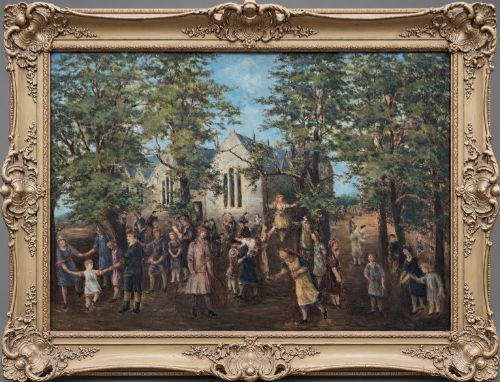
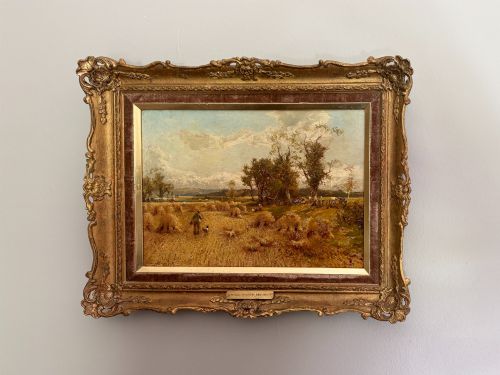
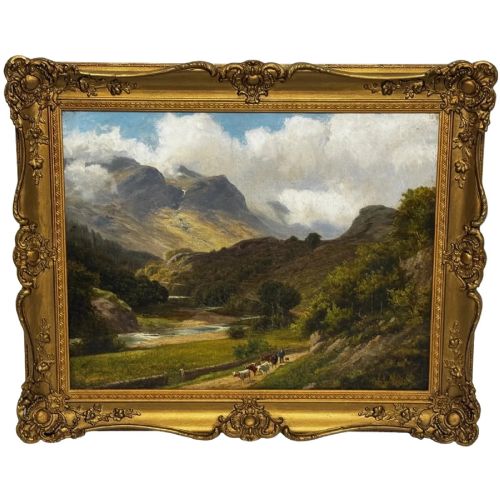
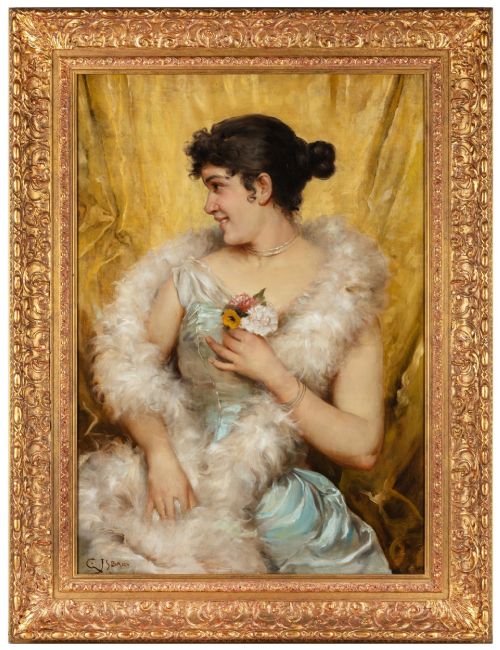
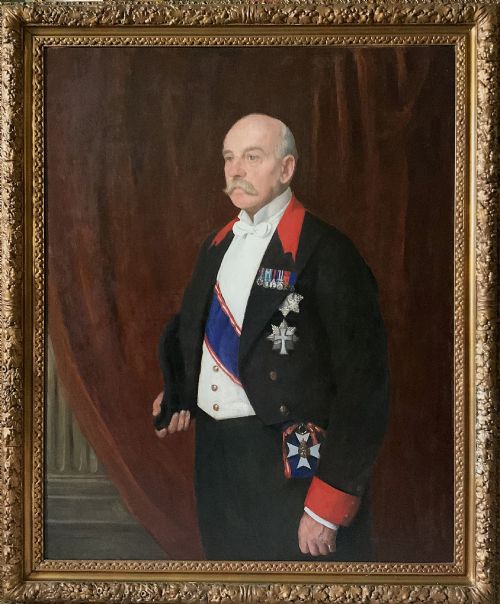
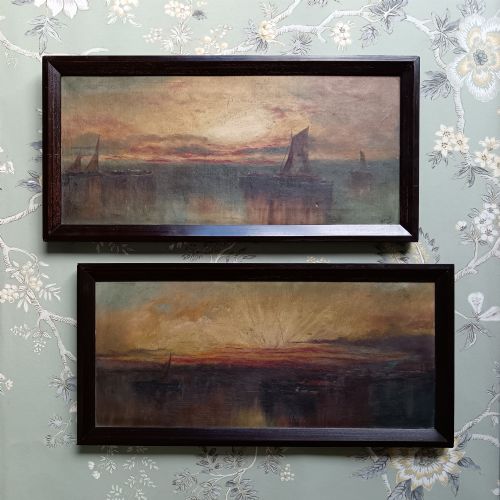
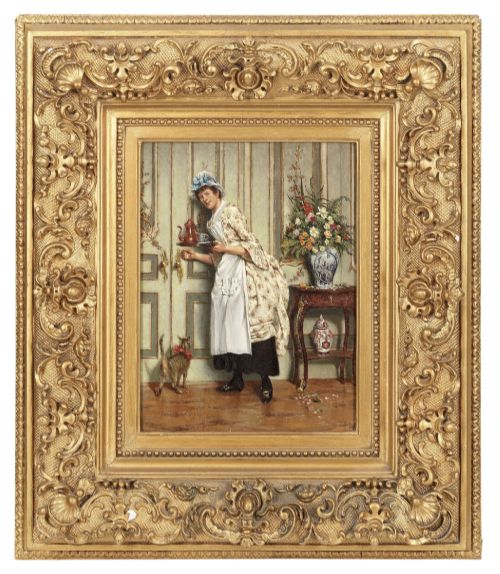
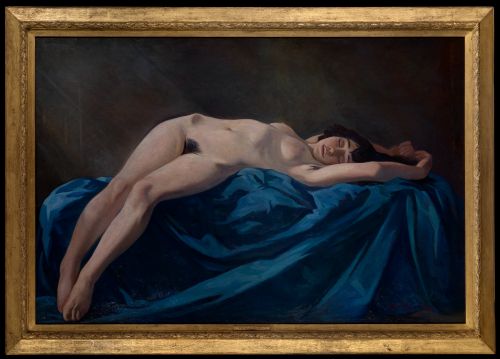
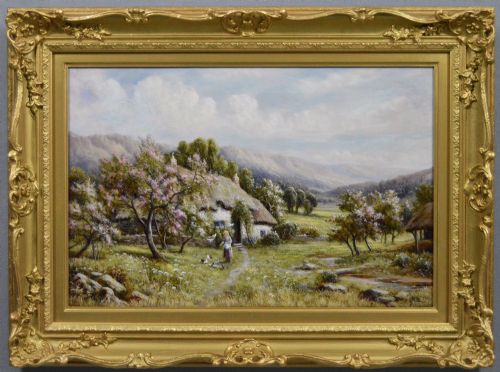
When you search for an edwardian framed oil canvas, you encounter original painted works spanning portraits, landscapes, marine scenes, and domestic interiors. The pieces on this page lean heavily toward British academic and regional works from the late nineteenth and early twentieth centuries, housed in their period surrounds.
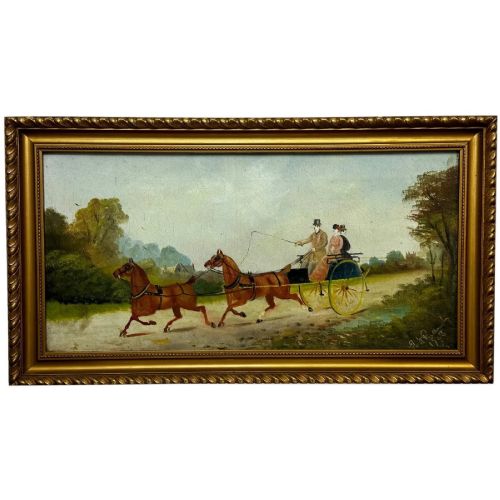
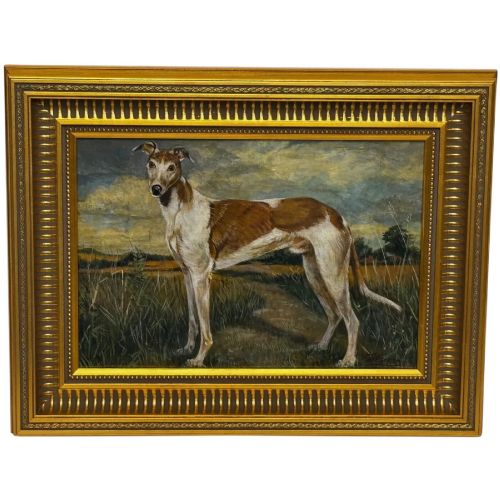
The most common formats include substantial portraits of society figures, rural landscapes depicting cottages or river paths, and sporting or animal studies. These works reflect the varied output of British and European artists working across the Edwardian era and adjacent decades.
Framing forms an integral part of these pieces, with original giltwood and gesso frames accompanying the canvases. Buyers often find that the combination of the oil paint layer on woven support and the moulded timber frame survives as a unified historical object.
Materials and construction
The physical objects rely on woven canvas stretched over wooden strainer frames, primed with a gesso or white ground before the application of oil paint. Pigments bound in drying oils allowed artists to build rich textures, delicate glazes, and impasto highlights that hold their depth across the centuries.
Surrounding these canvases are wooden frames, frequently finished with gesso moulding and gold leaf gilding. These frames range from simple sections to heavily ornamented decorative surrounds that protect the canvas edges and complete the visual presentation.
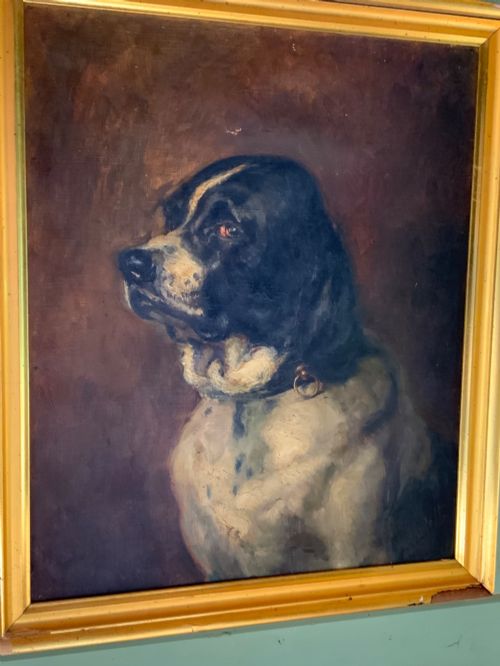
Several canvases capture the solemn gaze of Edwardian pets, immortalising prize poultry, spaniels, and racehorses alongside their human contemporaries.
Judgments of quality
Quality in these oil paintings rests upon the confidence of the brushwork, the handling of light and anatomical form, and the overall compositional balance. A master hand achieves depth and expression with economy, whereas weaker works display stiff proportions or muddy pigment mixing.
The preservation of the original surface and the matching frame also dictate the standing of a piece. Canvases retaining their unlined fabric and untouched paint layers, paired with contemporary or period-correct gilded frames, hold greater integrity than those altered by heavy restoration.
Felix Stone Moscheles·John Maler Collier·Stephen Samuel Lewin·Edgar Hunt·Harold Knight
The Edwardian Framed Oil Canvas Glossary
- Oil on Canvas
- A painting medium where pigments are suspended in a drying oil, usually linseed, and applied to a woven fabric support. This combination offers flexibility and longevity.
- Gesso
- A plaster-like mixture applied to wooden frames or canvas grounds to create a smooth surface for gilding or painting. It accepts fine moulding and carving details.
- Giltwood
- Wood carved and covered with a thin layer of gold leaf or metal leaf. It provides the characteristic metallic brilliance seen on period picture frames.
- Impasto
- Paint applied thickly to a canvas, standing out in relief from the surface. This technique allows the artist to capture the physical gesture of the brush and the play of light.
Edwardian Framed Oil Canvas: Frequently Asked Questions
Are these frames original to the paintings?
Many works retain their period-appropriate giltwood or gesso frames, which match the style and age of the canvas. These surrounds often show minor losses or wear consistent with their long history.
Matching frames enhance the historical completeness of the piece, though framing styles were sometimes updated by past owners to suit changing interior tastes.
How do I hang a heavy oil painting safely?
Substantial canvases require robust picture wire or D-rings secured firmly into the wooden strainer frame rather than the backing boards. Wall fixings must anchor directly into solid masonry or wall studs to support the weight.
Positioning the work away from direct sunlight and damp environments protects both the canvas tension and the vulnerable gilded frame from warping.
What distinguishes an Edwardian landscape from a Victorian one?
Edwardian landscapes often display a looser, more impressionistic touch influenced by contemporary plein-air practices. They capture softer light effects and domestic rural scenes with a lighter palette.
Victorian counterparts tend toward tighter academic detail, darker tonal ranges, and highly narrative compositions, though stylistic overlaps occur frequently across the turn of the century.