




Edwardian Framed Lithograph
An edwardian framed lithograph brings character to a wall through period illustration and printing.
Edwardian Framed Lithograph
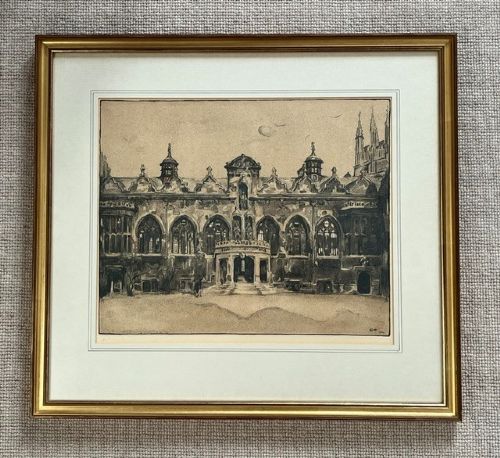
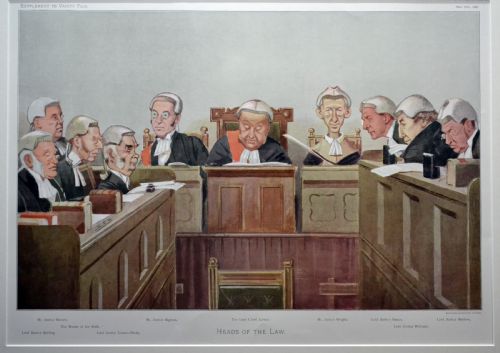
An edwardian framed lithograph represents a piece of early twentieth century wall art, usually encountered as a framed print or cartoon housed behind glass in a wooden frame. The material evidence shows these works span sporting subjects, satirical portraiture and architectural scenes.
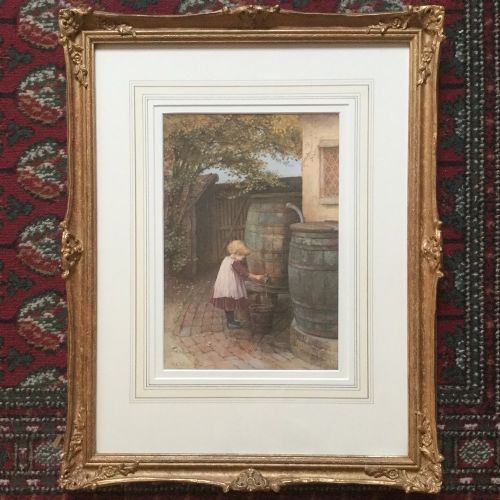
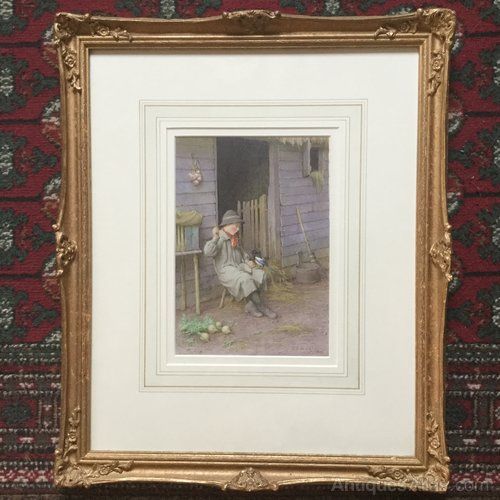
Buyers seeking an edwardian framed lithograph will find examples ranging from single sheets to multi-plate sets, often incorporating original wooden mouldings and gilt accents. The period aesthetic leans heavily towards British sporting art, genre scenes and satirical character studies published in contemporary periodicals.
How they were made
The printing process relies on lithography and chromolithography, applying ink to paper surfaces to capture fine illustrative detail and colour gradation. These prints are secured beneath protective glass within timber frames, which frequently utilise gesso and gold leaf ornamentation.
Framing materials commonly consist of wood and metal components designed to preserve the delicate paper artwork from environmental damage. The combination of traditional printmaking techniques and period framing reflects the standard workshop practices of the era.
Cats appear frequently in the playful illustrations by Louis Wain.
What varies in quality
Quality differences stem from the artistic execution of the original design and the fidelity of the lithographic printing process. Works by recognised illustrators or draughtsmen typically demonstrate superior line work and colour depth compared to standard commercial reproductions.
The condition of the framing materials also dictates value, with original gesso and giltwood frames holding distinct visual advantages over later replacements. Preserved paper surfaces free from excessive fading or foxing represent the finer end of the available range.
Sir William Nicholson·Charles Edward Wilson·Louis Wain·Snaffles·Frank Algernon Stewart
The Edwardian Framed Lithograph Glossary
- Lithograph
- A print produced by printing from a flat stone or metal plate prepared so that ink sticks only to the design. This technique allowed for faithful reproductions of original paintings and drawings.
- Chromolithograph
- A multicoloured lithographic print created using a separate stone or plate for each colour. This method produced vibrant images with complex hues.
- Giltwood
- Wood that has been treated with gold leaf or a gold-coloured finish. It is frequently found on decorative period picture frames.
- Gesso
- A plaster-like mixture applied to wood frames to create a smooth surface for gilding and moulding. It allows for intricate decorative relief work.
- Spy
- The pseudonym of the caricaturist Leslie Ward, whose satirical portraits appeared regularly in Vanity Fair. His work forms a major category of the prints found here.
Edwardian Framed Lithograph: Frequently Asked Questions
How do I hang a heavy framed lithograph?
Ensure your wall fixings are secured directly into wall studs or use appropriate heavy-duty wall anchors designed for plaster and brick.
Hang the frame from two points rather than a single central wire to keep the piece level and reduce stress on the original hanging hardware.
Can I clean the glass on these old frames?
Use a soft microfiber cloth lightly misted with a mild glass cleaner, applying the liquid to the cloth rather than spraying directly onto the glass.
This prevents moisture from seeping beneath the rebate and damaging the antique paper print or the backing materials.
Are these prints originals from the period?
The inventory consists of period printings and contemporary plates issued during the active dates of the publications and artists represented.
Examining the paper stock, printing dot patterns and framing construction helps confirm the production era of each individual piece.
Where should I display framed lithographs at home?
Select interior walls that remain away from direct sunlight and damp conditions to protect the paper and framing materials from fading and deterioration.
Hallways, studies and living rooms offer suitable environments where the character of the artwork can be appreciated safely.