


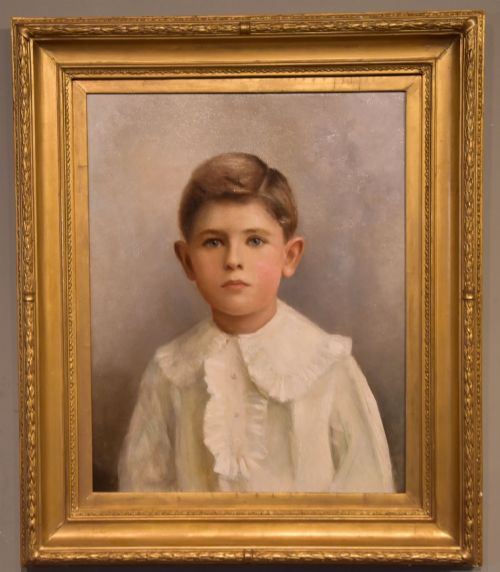
Edwardian Framed Canvas Art
Edwardian framed canvas art brings character to a room through original oil paintings mounted in period wood and gesso frames.
Edwardian Framed Canvas Art
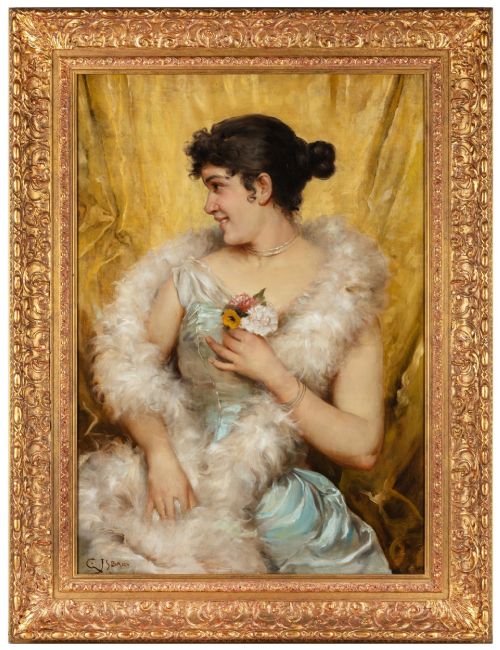
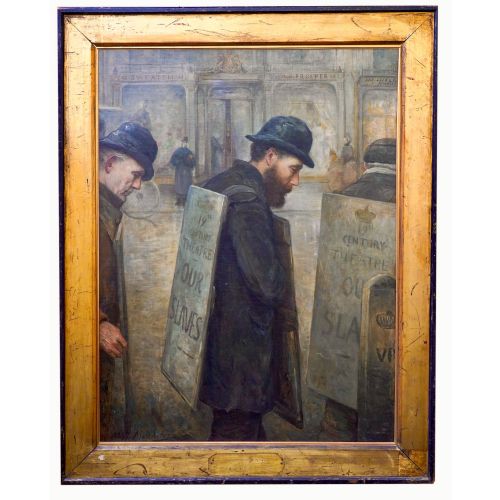
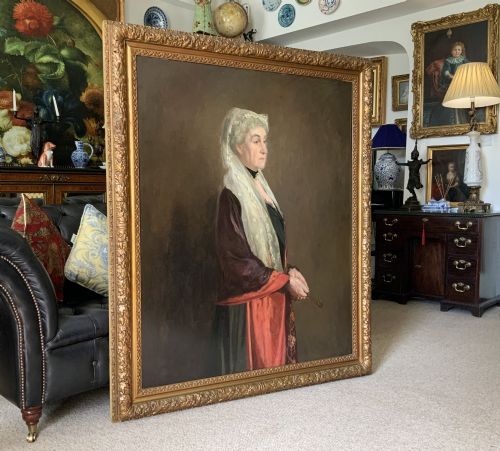
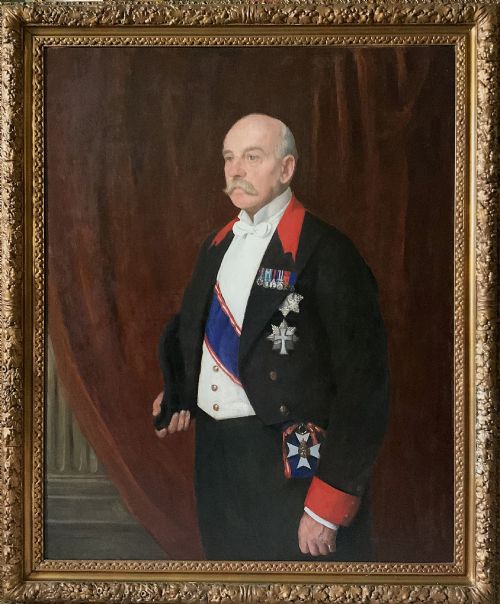
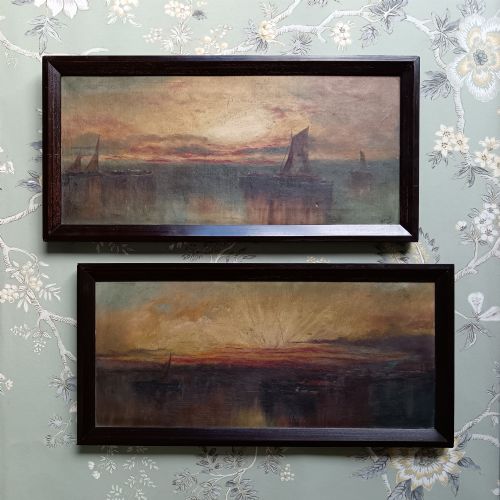
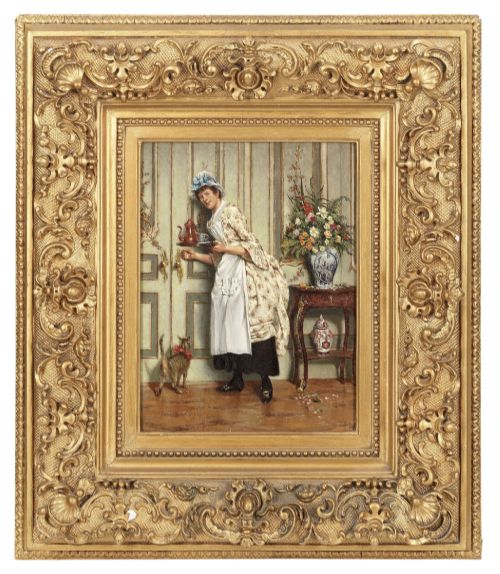
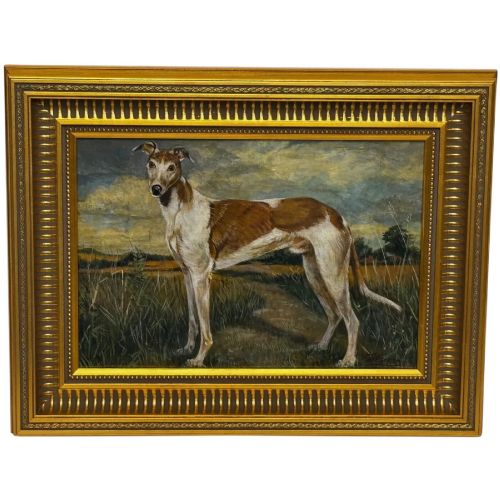
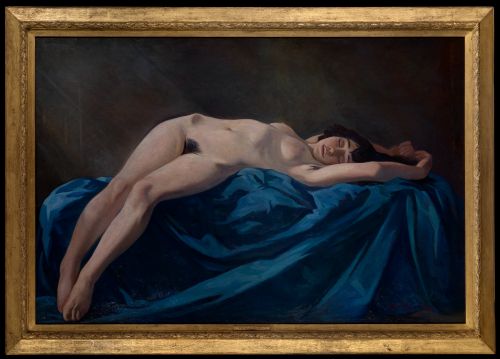
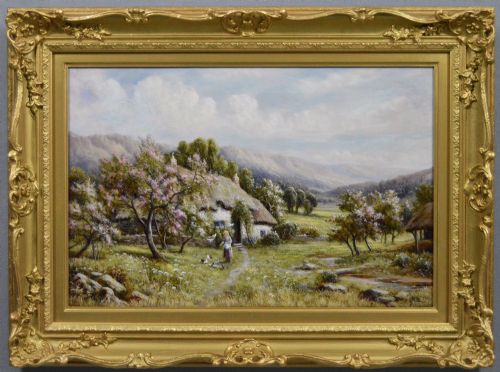
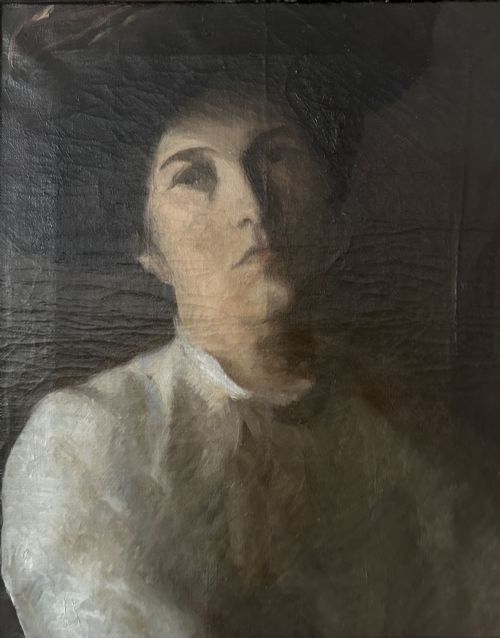
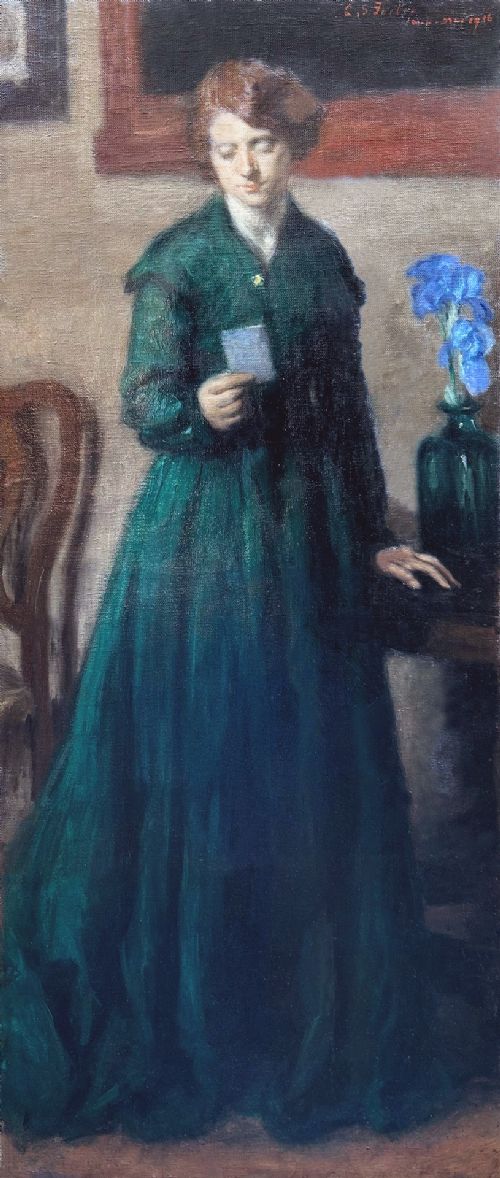
When searching for edwardian framed canvas art, a buyer encounters oil paintings on canvas created during the late nineteenth and early twentieth centuries. The selection includes portraits, landscapes, marine scenes, and sporting subjects housed in original wooden frames.
Most pieces on this page originate from the Edwardian period and the broader early twentieth century, alongside Victorian works. These paintings reflect British academic and impressionist traditions of the era.
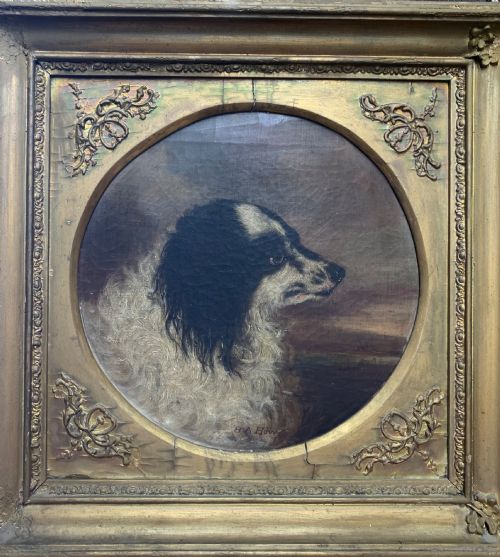
The subjects range from grand military and society portraits to quiet country house interiors, river landscapes, and animal studies. Each canvas retains its connection to the period through pigment handling and framing.
Materials and construction
Artists painted primarily with oil paint on woven canvas stretched over wooden strainer frames. The ground layers typically consist of traditional gesso applied to woven fabric before pigment application.
The framing involves carved or moulded wood finished with gesso and gilt. These frames provide structural support and complement the visual depth of the oil paintings.
Several paintings record the likenesses of prize-winning racing pigeons alongside human portraits.
Judging quality in early paintings
Quality rests upon the confidence of the brushwork and the anatomical or spatial accuracy achieved by the painter. Superior works demonstrate assured handling of light, shadow, and texture across the canvas.
The relationship between the painting and its frame also matters. Original period giltwood frames that complement the scale and palette of the canvas elevate the integrity of the piece.
Felix Stone Moscheles·Stephen Samuel Lewin·Edgar Hunt·Harold Knight·Henry H Parker
The Edwardian Framed Canvas Art Glossary
- Gesso
- A plaster-like mixture used as a base coat on wood frames before gilding or painting. It provides a smooth surface for ornamental moulding.
- Giltwood
- Timber coated with gold leaf or metallic powder. This finish appears frequently on period frames surrounding canvas artworks.
- Strainer
- A rigid wooden framework used to stretch canvas taut before painting. Unlike stretcher bars, traditional strainers usually have fixed, non-expanding corners.
- Oil on Canvas
- A technique utilising pigments suspended in drying oils applied to woven fabric. This medium allows for rich blending and textured brushwork.
Edwardian Framed Canvas Art: Frequently Asked Questions
How do I identify an Edwardian canvas?
Examination of the canvas weave, stretcher construction, and backside inscriptions often reveals clues about the era. Pigment testing and stylistic indicators provide further context.
The subject matter and framing materials also help distinguish Edwardian works from later reproductions or earlier Victorian pieces.
Are these canvases mounted in original frames?
Many pieces retain their period wooden or gesso frames, which show appropriate wear consistent with age. Original frames are selected to match the aesthetic of the artwork.
Some paintings may have been reframed later, so checking the fit and corner construction is useful.
What subjects are most common?
Portraits of individuals, pastoral landscapes, and animal studies appear frequently in this category. Artists of the period also depicted marine scenes and historical subjects.
These diverse genres reflect the artistic tastes and domestic interior styles prevalent at the turn of the twentieth century.
How should I care for an oil painting?
Display the canvas away from direct sunlight and sudden temperature shifts to protect the oil paint and wood frame. Gentle dusting with a soft, dry brush keeps the surface clean.
Avoid using liquid cleaners or hanging the artwork in damp environments such as unventilated rooms.