



Edwardian Floral Oil Painting
An edwardian floral oil painting brings soft botanical charm into a room, capturing delicate petals and garden blooms with lasting warmth.
Edwardian Floral Oil Painting
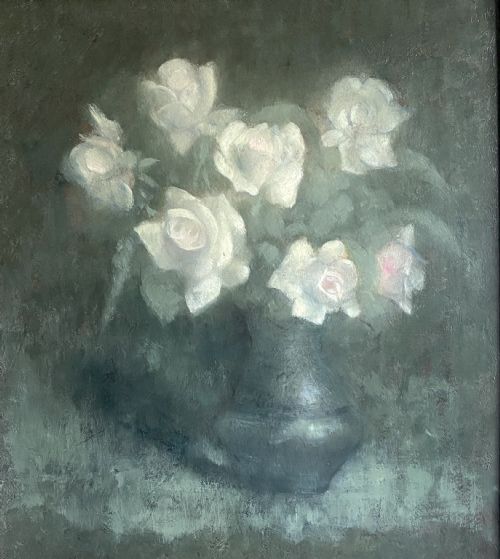
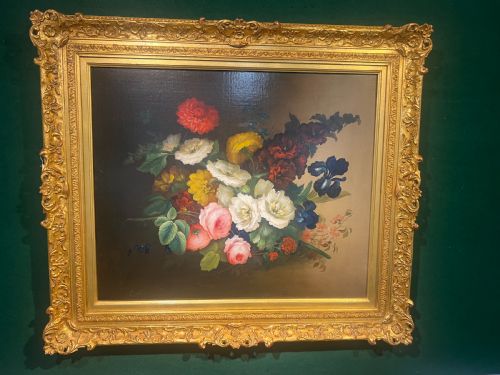
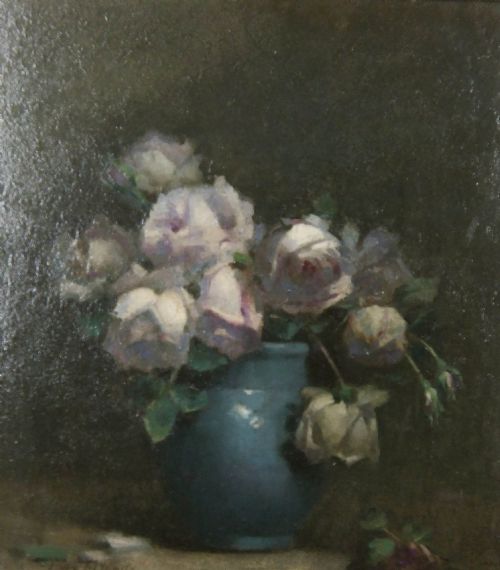
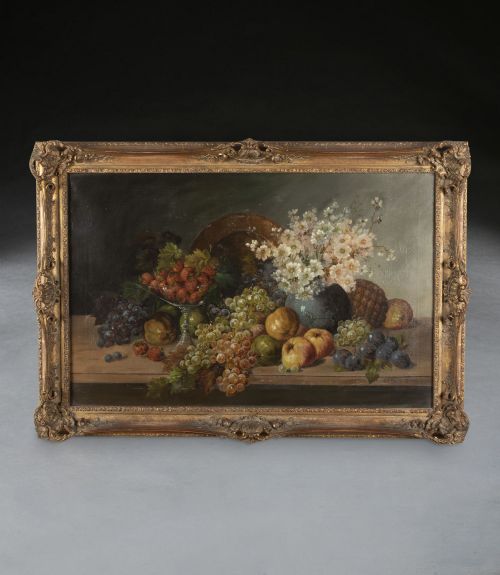
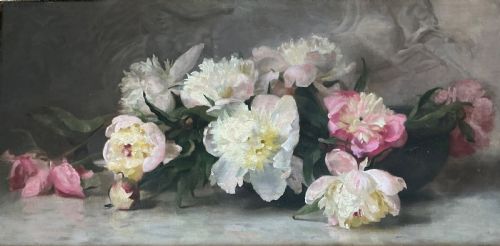
An edwardian floral oil painting captures delicate garden blooms and still life subjects from the early twentieth century. These works range from intimate studies of roses to larger canvas compositions created during the Edwardian period and adjacent decades.
Collectors encounter pieces spanning traditional British school approaches to lighter impressionistic handling. The subjects focus predominantly on garden flowers, still life arrangements, and seasonal blossoms rendered with characteristic warmth.
Materials and techniques
Artists utilised oil paint applied primarily to canvas or prepared board to achieve rich textures and subtle colour blending. This medium allowed painters to build up the luminous layers visible in traditional floral depictions.
Listings incorporate oil paintings rendered on canvas and board, reflecting periods from the nineteenth century through the nineteen-thirties.
Factors of quality
The distinction between standard works and superior examples lies in the confidence of the brushwork and the precision of compositional balance. Masterful handling of light upon petals elevates an individual piece significantly.
Condition of the painted surface and originality of the surrounding frame contribute substantially to the standing of any given work within its period.
Edwin Steele·William Thomas Wood·Gertrude Hayes·Thomas Bromley Blacklock·Ernest Higgins Rigg·Elizabeth T. Sutcliffe·Louisa Mary Bancroft·Fred Merriman
The Edwardian Floral Oil Painting Glossary
- Canvas
- A heavy woven fabric stretched across a wooden frame to serve as a foundation for oil paint. It remains the most common support medium for fine art paintings.
- Oil paint
- A slow-drying paint made by mixing pigments with oils such as linseed. This medium allows for smooth blending and rich depth of colour.
- Still life
- A work of art depicting mostly inanimate subject matter, typically commonplace objects or natural items such as cut flowers.
- British Impressionism
- A painting style influenced by French movements focusing on loose brushwork and natural light. British practitioners applied these techniques to domestic gardens and landscapes.
Edwardian Floral Oil Painting: Frequently Asked Questions
How do I date an Edwardian oil painting?
Dating relies upon stylistic markers, framing materials, and documentation associated with the artist or canvas. Period signatures and exhibition labels often provide reliable chronological anchors.
Examination of the stretcher bars and canvas preparation also helps confirm whether a work belongs to the early twentieth century rather than later decades.
Where should I hang a floral oil painting?
These works suit principal living spaces, reception rooms, and studies where natural light complements the delicate tones of the composition. Placing them away from direct heat sources protects the oil medium.
Pairing a floral subject with traditional interior furnishings enhances the historical atmosphere of the room.
How do I clean an antique oil painting?
Dust accumulation should be gently removed using a soft, dry brush without applying pressure to the delicate painted surface. Professional conservators should handle deeper cleaning or varnish removal.
Avoiding household cleaning agents ensures the original pigment layers remain undisturbed and stable over time.
What defines the Edwardian art style?
The Edwardian aesthetic embraces both refined academic tradition and the lighter touch of British impressionism. Floral subjects during this era reflect a deep appreciation for domestic gardens and natural beauty.
Artists balanced traditional composition with a brighter palette than that typical of the preceding Victorian decades.